
Executive Overview
As the international instrumental music education community prepares for a monumental milestone, anticipation is reaching a fever pitch. The 80th Annual Midwest Clinic is officially scheduled to take place from December 16 through December 18, 2026, at the sprawling McCormick Place West complex in Chicago, Illinois. Recognized globally as the premier conference for band and orchestra directors, composers, performers, and industry professionals, this landmark event will draw tens of thousands of attendees from across the United States and around the globe.
Yet, for all the artistic inspiration, cutting-edge reading sessions, world-class concert performances, and sprawling exhibit halls, the Windy City in mid-December presents a formidable logistical challenge. Veteran attendees know that winter in Chicago is not merely a backdrop; it is an active variable that can dramatically impact a traveler’s physical well-being, comfort, and professional focus. From the biting, architectural wind tunnels along the lakefront to the grueling physical demands of traversing miles of concrete exhibit floors, preparation is the single greatest determinant of a successful conference experience.
This comprehensive guide, informed by hard-earned lessons from seasoned attendees and industry insiders, provides a meticulous roadmap for packing, surviving, and thriving at the 80th Midwest Clinic. Designed with the professional music educator in mind, this overview moves far beyond generic travel advice, offering targeted, high-utility strategies to safeguard your health, protect your gear, manage your professional wardrobe, and maximize your efficiency throughout the three-day convention.
Detailed Chronology: Navigating the 80-Year Legacy of the Midwest Clinic
To truly appreciate the scale of the upcoming 80th Annual Midwest Clinic, one must understand the rich historical trajectory that has transformed a modest gathering of Chicago-area instrumental music directors into the world’s most influential music education conference.
From Humble Beginnings to Global Prominence
Founded in 1946 by a dedicated collective of music educators, the Midwest Clinic began as a localized band clinic designed to share pedagogical insights and foster community in the post-World War II era. Over the subsequent eight decades, the conference expanded its scope to encompass orchestras, jazz ensembles, chamber groups, and global music traditions. It evolved into a crucible for premier performances, where world-class military bands, prestigious university ensembles, and elite high school orchestras debut groundbreaking literature.
The Modern Conference Experience
Today, the timeline of a typical Midwest Clinic attendee is tightly packed and physically demanding. Days begin early with rigorous morning rehearsals and administrative meetings, transition seamlessly into back-to-back clinic sessions led by master pedagogues, and wind through hours of navigating the labyrinthine exhibit halls. Evenings are dedicated to marquee concert performances that often run late into the night, followed by professional networking events that extend well past midnight.
Because the schedule leaves virtually zero margin for error or mid-day trips to local retail stores, the initial act of packing becomes a critical operational phase. A failure to pack correctly on December 14 can directly compromise your professional stamina and engagement by the afternoon of December 17. Consequently, treating your suitcase as a precision-engineered "mission kit" is essential for enduring the rigorous chronology of the conference.
Supporting Context & Metrics: The Physics of Chicago Winters and Conference Fatigue
Understanding why specific packing choices are necessary requires examining the environmental and physical metrics that define the Midwest Clinic experience.
The Microclimate of McCormick Place West
Located immediately adjacent to Lake Michigan, McCormick Place is famously exposed to aggressive atmospheric conditions. In mid-December, average temperatures in Chicago routinely hover below freezing, but the real metric of concern is the windchill factor. Due to the city’s urban wind-tunnel effect, ambient temperatures can plummet rapidly, causing exposed skin to freeze within minutes.
Furthermore, indoor humidity levels drop precipitously during winter heating cycles, stripping moisture from the skin and mucous membranes—a distinct hazard for wind and brass players whose physical livelihood depends on hydration and tissue health.
The Physical Toll of the Exhibit Floor
Beyond the elements outside, the interior environment presents its own hidden stressors. The massive exhibition halls of McCormick Place West consist primarily of hard concrete floors covered by thin trade-show carpeting. Industry metrics reveal that a dedicated attendee tracking clinics, performances, and the exhibit floor can easily log between 12,000 and 20,000 steps per day—translating to roughly 5 to 9 miles of walking and standing on unforgiving surfaces. Without proper physiological support, this level of sustained pressure leads directly to lower back fatigue, severe foot pain, and systemic exhaustion that diminishes the educational value of the conference.
Comprehensive Packing Strategies: The Professional’s Toolkit
To combat the unique environmental and physical challenges of the 80th Midwest Clinic, attendees must curate their luggage with deliberate care. Below is the definitive, field-tested inventory required for optimal performance.
+-----------------------------------------------------------------------------+
                 THE MIDWEST CLINIC PROFESSIONAL PACKING MATRIX
+----------------------------+------------------------------------------------+
| Category                   | Essential Items                                |
+----------------------------+------------------------------------------------+
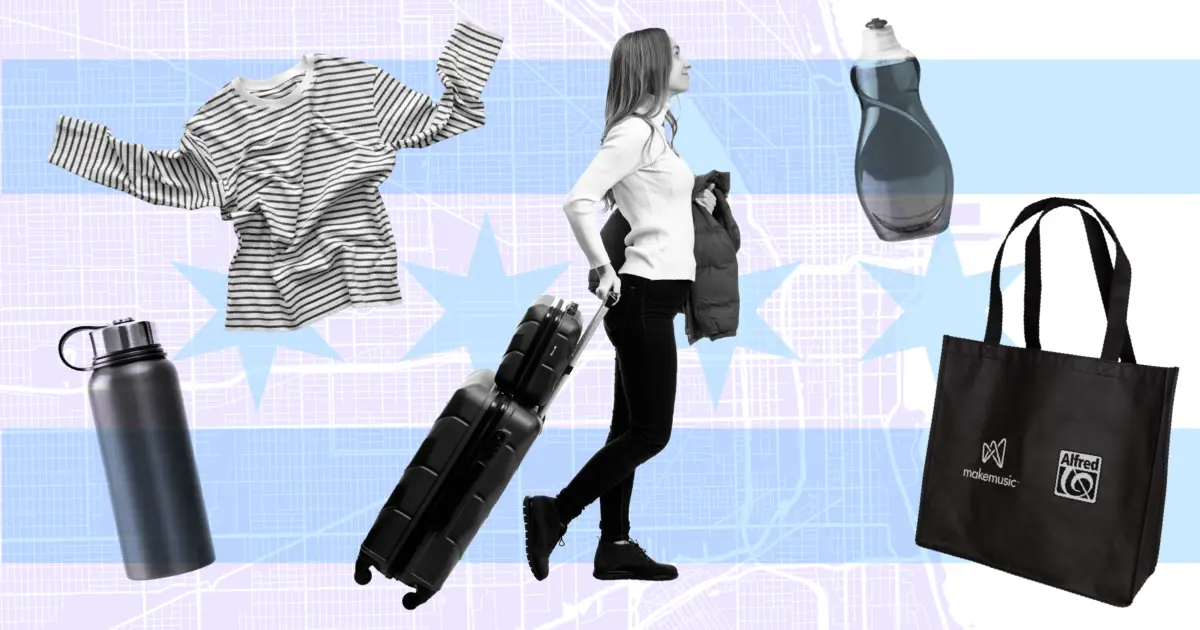
| Thermal Base Layers        | Heavyweight thermals, long-sleeve undershirts  |
| Weather Armor              | Wind-blocking coat, touchscreen gloves, scarf  |
| Performance Footwear       | Ergonomic shoes, medical-grade compression socks|
| Emergency Gear             | Extra reeds, hair pins, portable stain remover |
| Utility & Maintenance      | Concentrated dish soap, reusable water bottle  |
| Logistical Storage         | Canvas dirty/clean bag, foldable packing space |
+----------------------------+------------------------------------------------+
1. The Power of Architectural Layering
When packing winter apparel for Chicago, standard clothing items are wholly insufficient. The fundamental rule of survival is layering with intent.
- The Base: Begin with high-performance thermal underwear (top and bottom) crafted from moisture-wicking synthetic fibers or merino wool. Avoid pure cotton, which traps sweat against the skin and accelerates hypothermic cooling when moving from a heated convention center to the freezing outdoors.
- The Mid-Layer: Incorporate wool sweaters, fleece pullovers, or structured cardigans that can be easily shed as you transition into crowded, climate-controlled seminar rooms.
- The Outer Shell: A heavy, wind-resistant, and ideally waterproof overcoat is non-negotiable. Pair this with wind-blocking gloves (preferably touchscreen-compatible so you can manage your conference schedule on your phone without exposing your fingers), a dense wool scarf, and a fleece-lined cap or ear warmers that protect against sudden gusts off the lake.
2. Physiological Preservation: Compression Socks and Hydration
The physical grind of the conference floor demands proactive health management.
- Compression Socks: While once viewed strictly as medical garments, medical-grade compression socks are an absolute game-changer for music educators. By promoting venous return in the lower extremities, they drastically reduce fluid buildup, muscle cramping, and foot fatigue after eight hours of standing on concrete. Crucially, black compression socks blend seamlessly into standard "concert black" professional attire.
- Skincare and Hydration: The combination of bitter outdoor cold and aggressive indoor heating wreaks havoc on the skin. Travel-sized lotions and high-grade lip balm must be kept in your pocket or lanyard pouch at all times to prevent painful cracking on knuckles and lips—vital for instrumentalists and conductors alike.
- The Reusable Water Bottle: Hydration is vital for maintaining cognitive stamina during dense lecture blocks. Chicago tap water is safe and potable, and the venue provides numerous refilling stations. Bringing a sturdy reusable bottle saves you from paying inflated convention-center pricing while keeping you properly hydrated throughout the day.
3. The Performance Emergency Kit and Utility Hacks
Murphy’s Law is never more active than during a high-profile music conference. A compact emergency kit can save you from frantic, last-minute retail runs.
- The Performance Kit: Pack a small pouch containing emergency instrument accessories (reeds, valve oil, cork grease, spare pencils), personal care items (hair ties, bobby pins, breath mints), and spare socks.
- The Secret Weapon: Dish Soap: Experienced travelers swear by packing a small, leak-proof travel bottle of concentrated dish soap. Beyond its obvious utility for washing out reusable water bottles in a hotel sink, dish soap is an unmatched emergency stain remover. Coffee spills on a sweater or pizza sauce on a formal blazer can be swiftly neutralized with a dab of dish soap and a hotel hair dryer, saving your professional presentation wardrobe.
- The Dirty/Clean Bag System: Utilize a lightweight canvas tote or specialized laundry bag within your main suitcase. On the outbound flight, use it to separate packed shoes from your pristine formal wear. During the conference, hang it in your hotel bathroom as an instant laundry hamper. Upon returning home, the entire bag of laundry can be emptied directly into your washing machine, streamlining unpacking.
Official Statements and Industry Insights
As the milestone 80th anniversary approaches, organizers and leading exhibitors are emphasizing the unique synthesis of professional development and community connection that defines the event.
"The Midwest Clinic has always stood at the vanguard of instrumental music education," notes the organizing committee in official convention literature. "Reaching our 80th year is a testament to the resilience, passion, and continuous evolution of music directors worldwide. As we gather at McCormick Place West, our goal is to provide an environment where educators can recharge their artistic spirits, discover groundbreaking literature, and connect with peers who share their dedication to the craft."
Exhibitors are similarly preparing for an unprecedented influx of attendees eager to explore new technologies, pedagogical methods, and sheet music publications. Major industry partners, such as MakeMusic (exhibiting at Booth 1139), highlight the importance of physical convention logistics in maximizing educational outcomes.
"When educators spend less time worrying about logistical headaches—whether it’s managing wardrobe malfunctions, fatigue, or hauling oversized scores—they can fully immerse themselves in the musical offerings," shares a MakeMusic representative. "Our presence on the exhibit floor is designed to support directors not just with digital tools and physical scores via the MakeMusic Shop, but by fostering a seamless bridge between the convention floor and the modern classroom."
Future Outlook: The Evolution of Music Education Conferences
Looking beyond the celebratory milestones of the 80th session, the landscape of instrumental music education is undergoing rapid transformation. Conferences like the Midwest Clinic are increasingly serving as incubators for hybrid pedagogical models, merging traditional ensemble performance with cutting-edge digital composition tools, global repertoire expansion, and data-driven student engagement strategies.
The insights gained during these three intensive days in Chicago ripple outward, influencing band and orchestra programs in thousands of middle schools, high schools, and universities across the globe. By equipping themselves properly—both professionally with cutting-edge literature and pedagogies, and logistically with the survival strategies outlined in this guide—attendees ensure they can fully absorb, process, and implement these innovations upon returning to their home institutions.
Final Checklist Before Departure
As you finalize your travel arrangements for December 16–18, 2026, verify the following final items:
- Registration: Ensure your conference registration is fully processed through official channels.
- Lodging and Transit: Confirm hotel reservations near McCormick Place and familiarize yourself with local shuttle or transit routes.
- The Cargo Check: Pack your layers, compression socks, dish soap emergency kit, and leave adequate space in your luggage—or bring a foldable spare bag—to accommodate the influx of new scores, convention swag, and resources acquired in the exhibit hall.
By balancing rigorous professional readiness with practical physical preparation, your experience at the 80th Annual Midwest Clinic will be defined not by the harshness of the Chicago winter, but by the profound artistic renewal and educational inspiration that have defined this legendary institution for eight decades.