
BONN, GERMANY — In the high-stakes arena of international classical music competitions, winning top honors is traditionally viewed as the ultimate finish line. Yet, for many gifted young artists, the months following a major triumph mark the beginning of an entirely different, often perilous marathon.
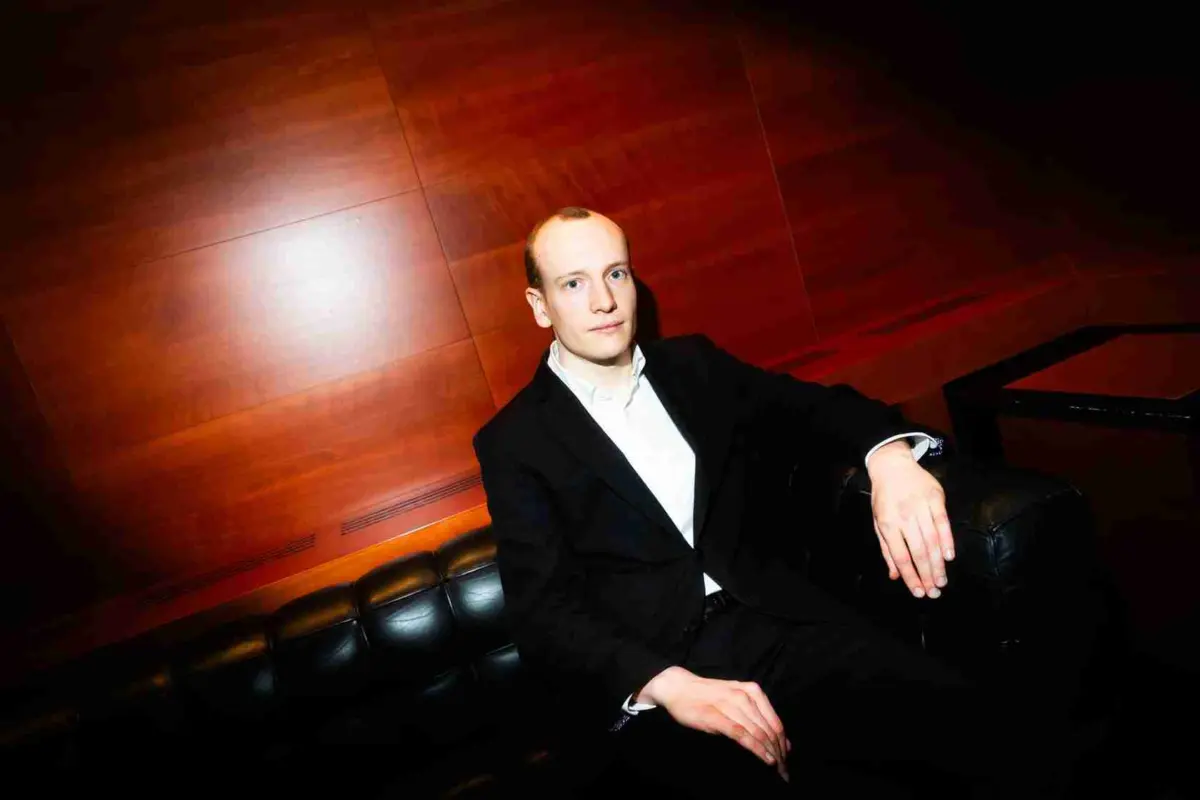
For American pianist Seth Schultheis—the brilliant First Prize winner of the prestigious 2025 Telekom Beethoven Competition—the narrative is shifting. Rather than being left to navigate the grueling machinery of the global concert circuit alone, Schultheis is at the center of a pioneering, forward-thinking initiative. A new strategic partnership between the Telekom Beethoven Competition and Zenezen, a global platform dedicated to artist wellbeing and sustainable career development, is set to redefine how the industry supports its rising stars.
Over the next twelve months, this collaboration will provide Schultheis with bespoke mentorship, an expansive international network, and critical resources designed to foster both artistic excellence and long-term personal resilience. As the classical music world grapples with the mental health crises, burnout, and logistical complexities plaguing young virtuosos, this initiative serves as a crucial blueprint for the future.
Executive Overview: A New Paradigm for Prizewinners
The classical music industry has long operated on an unwritten, Darwinian philosophy: surviving the rigorous transition from conservatory graduate to international soloist is simply part of the rite of passage. Young artists are thrust onto the global stage, expected to manage intense travel schedules, high-pressure performances, financial instability, and public scrutiny without a safety net.
The alliance between the Telekom Beethoven Competition and Zenezen directly challenges this outdated model. By pairing one of Europe’s most elite piano competitions with a specialized wellbeing and career-strategy platform, the initiative introduces a holistic approach to artist management.
For Schultheis, the timing could not be more critical. Following his triumphant victory in Bonn in late 2025, his calendar has exploded with high-profile engagements across Europe. While this rush of bookings is the dream of every young pianist, it also represents the exact juncture where burnout often occurs. By embedding Zenezen’s structural support into Schultheis’s blossoming career, the Telekom Beethoven Competition is making a profound statement: nurturing an artist’s humanity is just as vital as cultivating their technique.
Detailed Chronology: From Bonn Triumph to International Stages
To understand the momentum behind Schultheis’s current trajectory, one must trace the rapid evolution of his career since his 2025 victory. The Telekom Beethoven Competition has historically served as a formidable launchpad, but Schultheis’s post-competition ascent has been exceptionally swift and far-reaching.
The 2025 Breakthrough
When Seth Schultheis clinched the First Prize at the Telekom Beethoven Competition in Bonn, he did so by demonstrating a profound interpretive maturity and an innate, visceral connection to Ludwig van Beethoven’s oeuvre. Judges and audiences alike were captivated by his structural clarity, emotional depth, and technical brilliance. Winning the competition instantly thrust the American pianist into the upper echelons of international classical music, unlocking doors to major European promoters, orchestras, and prestigious halls.
A Whirlwind European Concert Schedule
Since claiming the title, Schultheis has maintained a relentless, high-profile performance schedule that showcases his versatility as both a concerto soloist and recitalist:
- The Beethoven Orchester Bonn: Schultheis captivated audiences at the iconic Beethovenhalle during the orchestra’s celebrated New Year’s Concert, a fitting homecoming performance in the city of the composer’s birth.
- The 30th Beethoven Easter Festival (Poland): Stepping onto the international festival circuit, Schultheis delivered a searing rendition of Beethoven’s Piano Concerto No. 3, earning critical acclaim for his nuance and dynamic control.
- National German Touring: Demonstrating his growing appeal across Germany, he embarked on an extensive concert tour alongside the renowned Klassische Philharmonie Bonn, performing in major cultural centers.
- Munich’s Bergson: Expanding his footprint into Germany’s vibrant contemporary performance spaces, Schultheis gave a critically lauded recital at Munich’s cutting-edge Bergson cultural hub.
- Upcoming Autumn Engagements: His European footprint continues to expand this autumn with a highly anticipated appearance in Hatfield, just outside London.
- Looking Ahead to 2027: The momentum shows no signs of slowing, with major concerto appearances already locked in alongside the world-renowned Czech Philharmonic for the 2027 season, alongside regular, coveted invitations to return to the prestigious Beethovenfest.
Supporting Context & Metrics: The Crisis of Success in Classical Music
While Schultheis’s itinerary reads like a young artist’s fantasy, industry insiders know the hidden toll exacted by such a schedule. To contextualize the importance of the Telekom-Zenezen partnership, it is necessary to examine the broader systemic challenges facing classical musicians today.
The "Prizewinner Trap"
In the traditional ecosystem, winning a major international competition triggers an immediate avalanche of demands. Young musicians are suddenly expected to act as their own booking agents, publicists, financial managers, and travel coordinators while maintaining a grueling practice regime.
Statistical analyses of career trajectories over the past three decades reveal a sobering reality: a staggering percentage of first-prize competition winners experience severe professional stagnation or career-ending burnout within five years of their victory. The reasons are multifaceted:
- Isolation: The psychological burden of maintaining perfectionism on the road.
- Financial Precarity: Despite high-profile engagements, entry-level soloist fees often fail to cover the exorbitant costs of international travel, high-end instrument maintenance, and management commissions.
- Lack of Infrastructure: Many conservatories train students exhaustively in repertoire and technique, but offer virtually zero education in psychological resilience, contract negotiation, or physical injury prevention.
The Zenezen Intervention
Enter Zenezen. Designed specifically to bridge the gap between artistic talent and sustainable professional longevity, Zenezen provides a multi-disciplinary framework. For Schultheis, the partnership over the next year will involve:
- Personalized Mentorship: Direct access to seasoned veterans of the classical music industry who can offer strategic guidance on repertoire choices, career pacing, and navigating professional politics.
- Holistic Health and Resilience Training: Resources aimed at preventing physical injuries (such as tendonitis and carpal tunnel syndrome) and managing the mental health strains of touring solitude and performance anxiety.
- Global Networking: Intentional introductions to influential conductors, festival directors, orchestral managers, and recording executives, ensuring that Schultheis’s rise is strategically managed rather than left to chance.
Official Statements: Leaders Define the Future of Artist Support
The partnership has garnered widespread attention from industry leaders who view this collaboration as a watershed moment for classical music institutions.
Pavel Gililov on Institutional Responsibility
Pavel Gililov, Artistic Director of the Telekom Beethoven Competition, emphasized the moral and artistic obligation competitions have toward their laureates:
"We are delighted to collaborate with Zenezen and to provide this additional development opportunity for Seth Schultheis, the first prize winner of our 2025 Telekom Beethoven Competition. We care deeply about the sustainable development of our participants’ artistic careers, and we believe that this must go hand in hand with a strong awareness of musicians’ health and wellbeing, making Zenezen an ideal partner in this shared commitment."
Gililov’s statement underscores a paradigm shift within top-tier competitions. Historically, a competition’s responsibility ended the moment the final prize was handed out. By actively partnering with Zenezen to safeguard Schultheis’s wellbeing, the Telekom Beethoven Competition is establishing a gold standard for institutional accountability.
Ashley Wass on Bridging the Vulnerability Gap
Ashley Wass, Co-founder and Artistic Director of Zenezen and a celebrated concert pianist in his own right, spoke candidly about the perils awaiting young artists at career-defining crossroads:
"The period following a major competition success is tremendously exciting, but it is also riddled with potential pitfalls. Our mission is to provide Seth with the support that so many young musicians lack at this critical junction, such that he can build a career that is healthy and sustainable from the opportunities that come his way."
Wass’s perspective brings invaluable firsthand authority to the initiative. Having navigated the international concert circuit himself, he understands acutely how easily a brilliant talent can be derailed by exhaustion, poor career management, or psychological isolation.
Future Outlook: A New Blueprint for the Classical Arts
As Seth Schultheis prepares for his upcoming autumn performances, his ongoing collaboration with the Czech Philharmonic in 2027, and his immersion in the Zenezen mentorship program, the broader implications of this partnership reverberate far beyond one pianist’s career.
The classical music world is at a critical juncture. Audiences demand higher levels of technical perfection than ever before, while streaming models and shifting cultural landscapes alter how classical music is consumed and funded. In this high-pressure environment, the human beings behind the instruments can no longer be treated as disposable commodities.
By aligning the prestige and platform of the Telekom Beethoven Competition with the holistic, wellness-driven methodology of Zenezen, a powerful message has been sent to the global cultural community: the future of classical music does not rely solely on raw, prodigious talent. Rather, it depends entirely on how that talent is sustained, protected, and nurtured over a lifetime of artistry.
For Seth Schultheis, the journey from brilliant competition winner to enduring musical maestro is now fortified by a system designed to ensure he doesn’t just survive the spotlight—he thrives within it for decades to come.