
Executive Overview
For professional vocalists, public speakers, and passionate hobbyists alike, the human voice represents both an instrument of art and a vital tool of identity. Yet, when physical trauma, medical interventions, or chronic misuse compromise this delicate mechanism, the resulting journey can be fraught with frustration, medical dead ends, and artistic isolation.
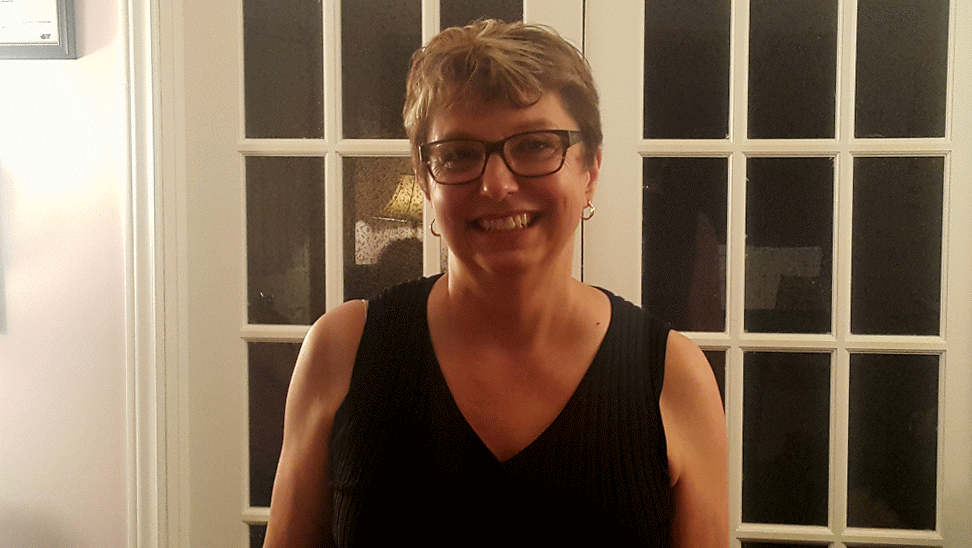
This journalistic case study examines the transformative vocal rehabilitation of Mary Ellen Stoll, a resident of the Ottawa-Kingston region in Ontario, Canada. More than three decades after undergoing invasive surgery to remove vocal cord nodules, Stoll found herself sidelined from the activities she loved most. Chronic vocal fatigue, recurring bouts of complete laryngitis, and lingering structural vulnerability had relegated her singing aspirations to the distant past. However, a recent retirement ignited a renewed desire to join a local women’s barbershop chorus—a dream that immediately clashed with the harsh physical reality of her compromised vocal health.
Faced with skepticism from her chorus director and persistent physical pain after just two hours of rehearsal, Stoll turned to an unconventional, highly specialized methodology: the Vocal Science™ technique, spearheaded by renowned holistic vocal coach Diana.
Over an intensive 20-hour program, Stoll underwent a radical recalibration of her speaking and singing mechanics. This report details her journey from structural vulnerability and chronic pain to vocal clarity, endurance, and artistic rebirth. Through an analysis of her firsthand testimony, this feature explores the intersection of holistic vocal care, biomechanical retraining, and natural herbal therapeutics, offering an authoritative look at modern alternative voice repair.
Detailed Chronology: From Surgical Intervention to Vocal Rehabilitation
The Root of the Injury: Thirty Years in the Shadow of Surgery
To understand the magnitude of Stoll’s recent breakthrough, one must examine the timeline of her vocal challenges. Over thirty years ago, Stoll faced a pivotal medical hurdle: the diagnosis and surgical removal of nodules on her vocal cords. While vocal cord nodule surgery is often clinically necessary to excise benign growths caused by chronic phonotrauma, the post-operative reality for many patients involves a delicate balancing act. Without a concurrent retraining of the speaking and singing voice, patients frequently fall back into the exact biomechanical habits that caused the nodules in the first place.
For Stoll, the decades following her surgery were marked by constant vigilance and quiet compromise. Family obligations and a demanding career in the biological sciences kept her exceptionally busy, pushing artistic pursuits to the periphery. More importantly, her vocal instrument remained perpetually unreliable.
"Since then, I have not really gone back to singing… my vocal cords were always a problem," Stoll recounts. Her symptoms were classic indicators of chronic vocal strain: her voice tired easily, lacked complete reliability, and succumbed to complete laryngitis multiple times every year. The physical instrument had become fragile, resistant to sustained projection, and entirely unsuited for the demands of choral performance.
Retirement and the Barbershop Chorus Catalyst
The turning point arrived with Stoll’s retirement. Seeking to enrich her post-career life and reconnect with her passion for communal music-making, she set her sights on joining a local women’s barbershop chorus. Barbershop music places unique and rigorous demands on the human voice. Characterized by close four-part harmony, unaccompanied (a cappella) singing, and the requirement for precise tuning and vibrant projection, it leaves no room for vocal instability.
Upon auditioning or expressing interest in joining, reality quickly set in. The chorus director expressed deep, legitimate concerns regarding Stoll’s medical history, fearing that the intense demands of rehearsal and performance would re-trigger her past injuries and cause permanent structural damage to her vocal cords.
These fears were immediately validated during early rehearsals. After standard two-hour practice sessions, Stoll experienced acute physical soreness in her vocal cords—a red flag indicating that her old phonation habits were actively causing trauma. Realizing that conventional choral warm-ups were insufficient to protect her fragile instrument, Stoll began searching for specialized intervention. Her research ultimately led her to Diana and the Vocal Science™ studio, a decision she describes as her "only avenue out there to help."
The 20-Hour Immersion: Retraining the Voice
Entering into an intensive 20-hour program over several weeks, Stoll encountered a pedagogical philosophy starkly different from traditional vocal training. Rather than focusing solely on musicality, the Vocal Science™ methodology treats the voice as an integrated biomechanical and energetic system.
Stoll describes the methodology as a unique approach to both speaking and singing. The immediate physical feedback was striking. Instead of feeling localized strain and pain in her larynx, Stoll noticed the fatigue shifting entirely to her facial musculature.
"I can tell you after several hours with her, my vocal cords do not hurt or aren’t tired—just my cheek muscles! You can feel the difference in how you produce sound and volume."
This shift from laryngeal constriction to facial resonance and structural support is a hallmark of advanced vocal pedagogy. By engaging the resonators of the face and optimizing breath support, the physical workload is lifted off the vocal folds, allowing them to vibrate freely without grinding against one another.
However, Stoll is quick to note that the transformation was far from effortless. The process demanded profound personal dedication, physical awareness, and patience from her instructor. She characterizes Diana as a vigilant observer—possessing an "amazing eye and ear"—who monitors every micro-movement of the student’s body and corrects misalignments in real time.
The Integration of Holistic Therapeutics
As a lifelong professional in the biological sciences, Stoll harbored a natural, healthy skepticism toward alternative and herbal treatments. Yet, within the holistic framework of her rehabilitation, this perspective shifted.
Diana recommended a targeted regimen of herbal treatments designed to reduce inflammation, soothe mucous membranes, and support overall vocal hygiene. To Stoll’s analytical surprise, the empirical results were undeniable. Experiencing firsthand how these natural remedies accelerated her recovery bridged the gap between her scientific background and holistic vocal care, proving that botanical interventions can play a vital role in tissue maintenance and vocal endurance.
The Breakthrough: Sound, Volume, and Clarity
The culmination of Stoll’s intensive training arrived at the close of her initial sessions, when she was finally invited to sing for the first time using her newly acquired mechanics. The result was nothing short of revelatory.
"I was TOTALLY amazed," Stoll recalls. "I could not believe that I could produce that sound, that volume, and clarity and length to hold a note without any change in pitch."
For a woman who had spent over thirty years managing vocal fragility, experiencing effortless projection and pitch stability represented an emotional and artistic liberation. The structural fear that had defined her relationship with singing for decades dissolved, replaced by newfound confidence in her anatomical capabilities.
Supporting Context & Metrics: The Anatomy of Vocal Recovery
Understanding Vocal Cord Nodules and Phonotrauma
To fully appreciate the scope of Stoll’s recovery, it is necessary to examine the physiological mechanics of vocal cord nodules. Nodules are benign, callus-like growths that develop on the midpoint of the vocal folds as a result of chronic mechanical trauma (phonotrauma). When individuals speak or sing with excessive laryngeal tension, improper breath support, or vocal abuse (such as shouting or chronic coughing), the vocal folds slam together with high impact. Over time, this constant friction causes the delicate tissue to swell, harden, and form fibrous lesions.
Traditional treatment typically follows a tiered approach:
- Vocal Rest: Allowing acute inflammation to subside.
- Speech Language Pathology (SLP): Working with medical speech therapists to correct everyday speaking habits.
- Surgical Removal: Performed when nodules become too fibrous to resolve through therapy alone.
However, surgery alone does not address the root behavioral causes of nodules. If a patient returns to their pre-surgical speaking and singing habits—characterized by laryngeal pushing, inadequate breath management, and lack of facial resonance—the nodules frequently recur. This cycle of injury, surgery, and re-injury is precisely what trapped Stoll for over thirty years.
The Metrics of Alternative Voice Repair
While mainstream medicine relies heavily on clinical speech therapy, alternative methodologies like Vocal Science™ operate in the realm of performance-based rehabilitation. The metrics of success in this domain are not measured solely by microscopic vocal fold inspection, but by functional outcomes:
- Endurance: The ability to speak or sing for extended periods (such as 2-hour choral rehearsals) without pain, hoarseness, or fatigue.
- Resonance Shift: The transition of acoustic workload from the intrinsic laryngeal muscles to the extrinsic facial and skeletal resonators (evidenced by Stoll’s observation of "tired cheek muscles" rather than sore vocal cords).
- Acoustic Stability: The capacity to sustain notes at varying volumes with absolute pitch purity and tonal clarity.
- Prophylactic Resilience: The elimination of recurring pathologies such as chronic laryngitis.
Stoll’s metrics tell a compelling story: zero vocal cord pain after intense practice, complete elimination of recurring laryngitis, and the successful re-emergence of sustained projection and pitch consistency.
Official Statements and Client Perspective
In her reference letter directed to future clients navigating similar vocal distress, Mary Ellen Stoll offers an unvarnished, highly articulate assessment of her experience with Diana and the Vocal Science™ framework. Her reflections provide valuable guidance for individuals standing at the crossroads of vocal injury and rehabilitation.
On the Authenticity of Results
Skepticism is a natural companion to alternative health claims, particularly in specialized fields where miraculous cures are frequently advertised. Stoll addresses this head-on, validating the claims made by the institution:
"From what I have experienced, I would say all the testimonials you read on the Vocal Science and Repair Your Voice website are accurate. Diana has spent over 30 years of her life creating and fine-tuning her techniques and it shows."
On Financial and Personal Investment
Quality specialized rehabilitation requires substantial resources, both financial and personal. Stoll does not sugarcoat the realities of undertaking this program:
"As for the cost—it is not insignificant. You WILL get results and I would do it all again with Diana. I wish I had looked for and found her about 20 years ago. It would have saved me years of frustration with my voice."
Her testimony underscores a fundamental truth of voice repair: true biomechanical retraining cannot be outsourced entirely to a practitioner. It demands active, disciplined participation from the client, functioning as a collaborative partnership between an expert guide and a dedicated student.
Future Outlook: A New Chapter in Choral Singing
As Mary Ellen Stoll looks toward the future, her relationship with her voice has fundamentally transformed. No longer burdened by the fear of structural reinjury or silenced by chronic fatigue, she stands ready to step into the community of her local women’s barbershop chorus with confidence, technical mastery, and artistic freedom.
The Broader Implications for Vocal Health
Stoll’s case offers a powerful blueprint for aging artists, retirees, and individuals recovering from chronic vocal trauma. It demonstrates that advanced age and decades of compensatory muscular habits do not necessarily spell the end of an artistic journey. With targeted biomechanical intervention, rigorous physical discipline, and open-minded integration of holistic care, the human voice possesses a remarkable capacity for renewal.
For the Ottawa-Kingston community and the broader landscape of vocal pedagogy, Stoll’s journey serves as a compelling reminder of the value of specialized, non-traditional mentorship. As more individuals seek alternatives to conventional medical dead ends, success stories like Mary Ellen Stoll’s illuminate a viable pathway forward—proving that with the right guidance, even a voice silenced for thirty years can find its resonance once again.