
Executive Overview
Berlin’s cultural calendar is packed with events year-round, yet few occupy the unique, genre-defying niche of the Pop-Kultur Festival. Running from August 24 to August 30, the upcoming edition solidifies the festival’s reputation as one of Europe’s premier platforms for experimental arts, thought-provoking discourse, and avant-garde performance. Building on the success of last year’s decentralized framework, the 2026 iteration breaks free from a single-site model, expanding dynamically across multiple iconic venues in Wedding, Kreuzberg, and Prenzlauer Berg.
Rather than functioning as a standard weekend music festival, Pop-Kultur operates as a cultural laboratory. It champions bespoke commissioned works created exclusively for the festival, deep-dive discussions on contemporary socio-political issues, and the Pop-Kultur Nachwuchs talent development program, which mentors the next generation of global creators.
From dystopian disco and synth-punk explorations to intimate, neoclassical soundscapes and vital panels on female fandom in sports, the festival continues to rewrite the rules of modern performance art. This report explores the festival’s structural evolution, its extensive chronological program, the curatorial highlights that define its envelope-pushing ethos, and its long-term impact on the global creative economy.
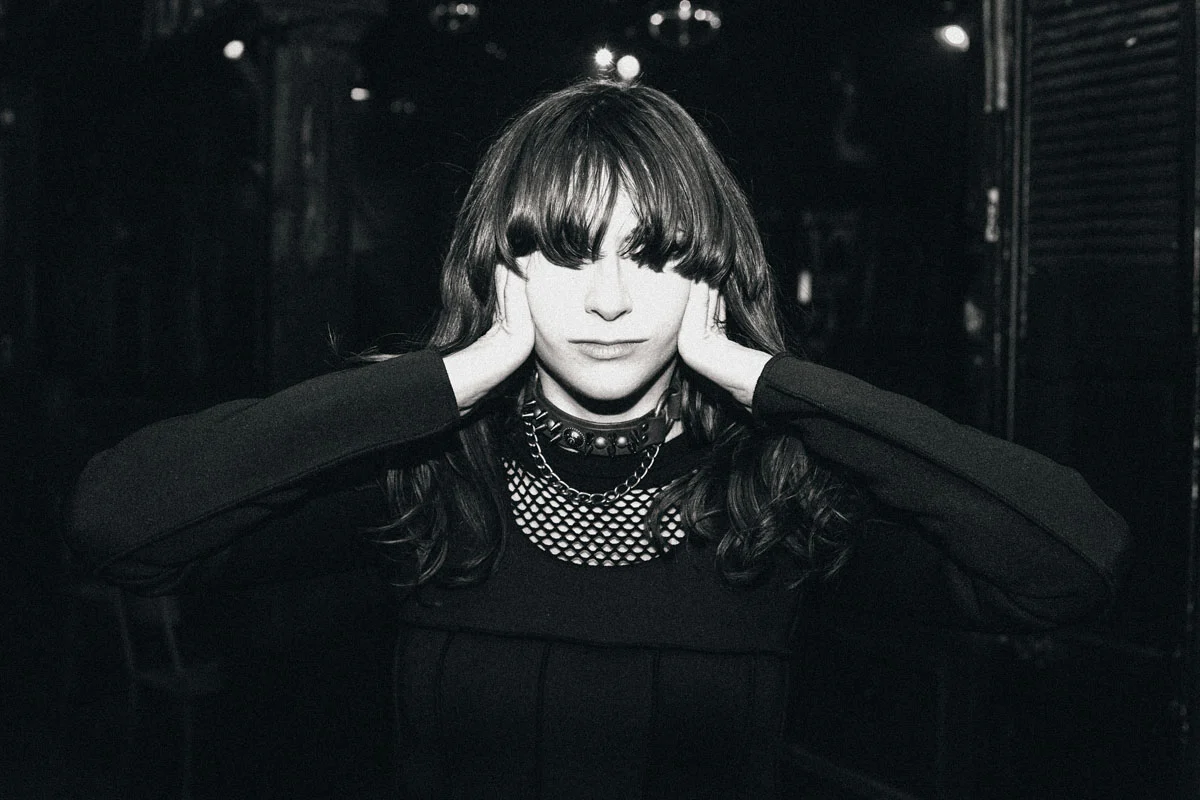
Detailed Chronology: Day-by-Day Festival Highlights
Monday, August 24 – Tuesday, August 25: The Launchpad of Talent
- Location: silent green (Berlin-Wedding)
- Focus: Pop-Kultur Nachwuchs & Opening Talks
The festival week begins on August 24 with the launch of Pop-Kultur Nachwuchs, a rigorous incubator program connecting 150 emerging talents from around the world with established artists, booking agents, label executives, and cultural policymakers.
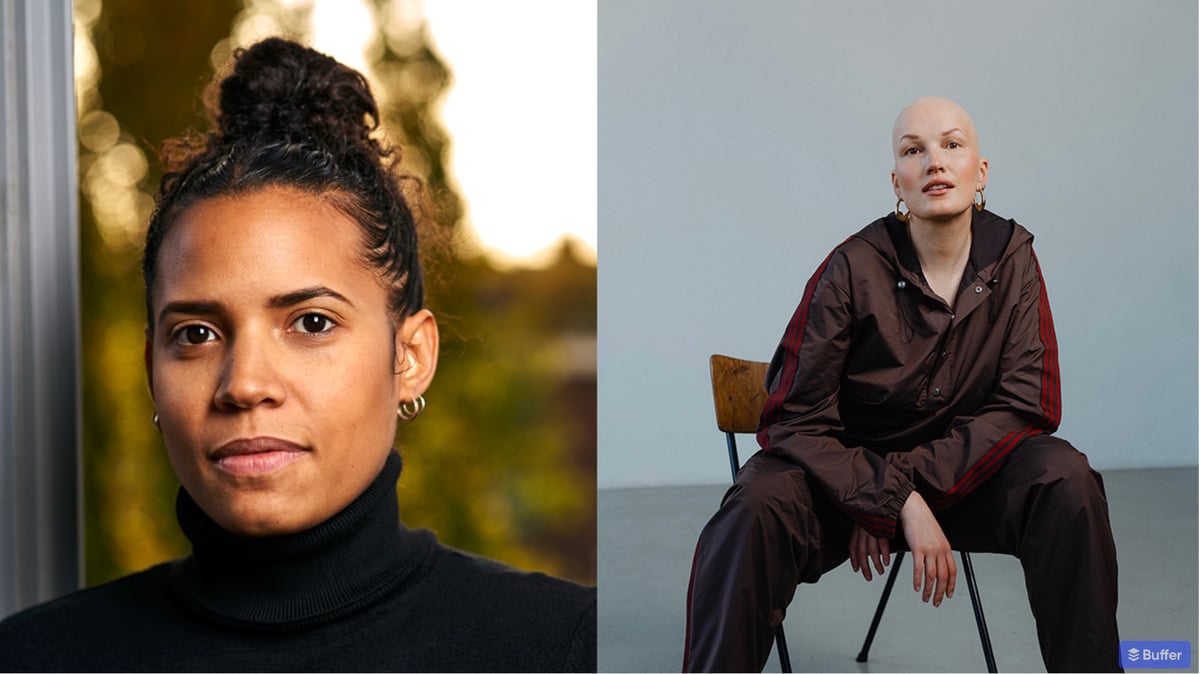
On Tuesday, August 25, at 20:40, the discourse program anchors itself in the Kuppelhalle at silent green. Peruvian DJ and producer Sofia Kourtesis—whose 2023 Ninja Tune debut Madres was heralded as a masterclass in translating personal trauma, family, migration, and queerness into the expansive emotional architecture of dance music—will sit down with journalist Paul Hanford. The conversation will interrogate the intuitive mechanics of Kourtesis’s production process, tracing how modern electronic music can serve as a sanctuary for political and emotional resilience.
Wednesday, August 26: R&B Minimalism and Art-Pop Metamorphosis
- Location: silent green (Betonhalle)
- Focus: Opening Concerts & Commissioned Soundscapes
The official live music programming kicks off on Wednesday, August 26, at 19:20 in silent green’s imposing Betonhalle.
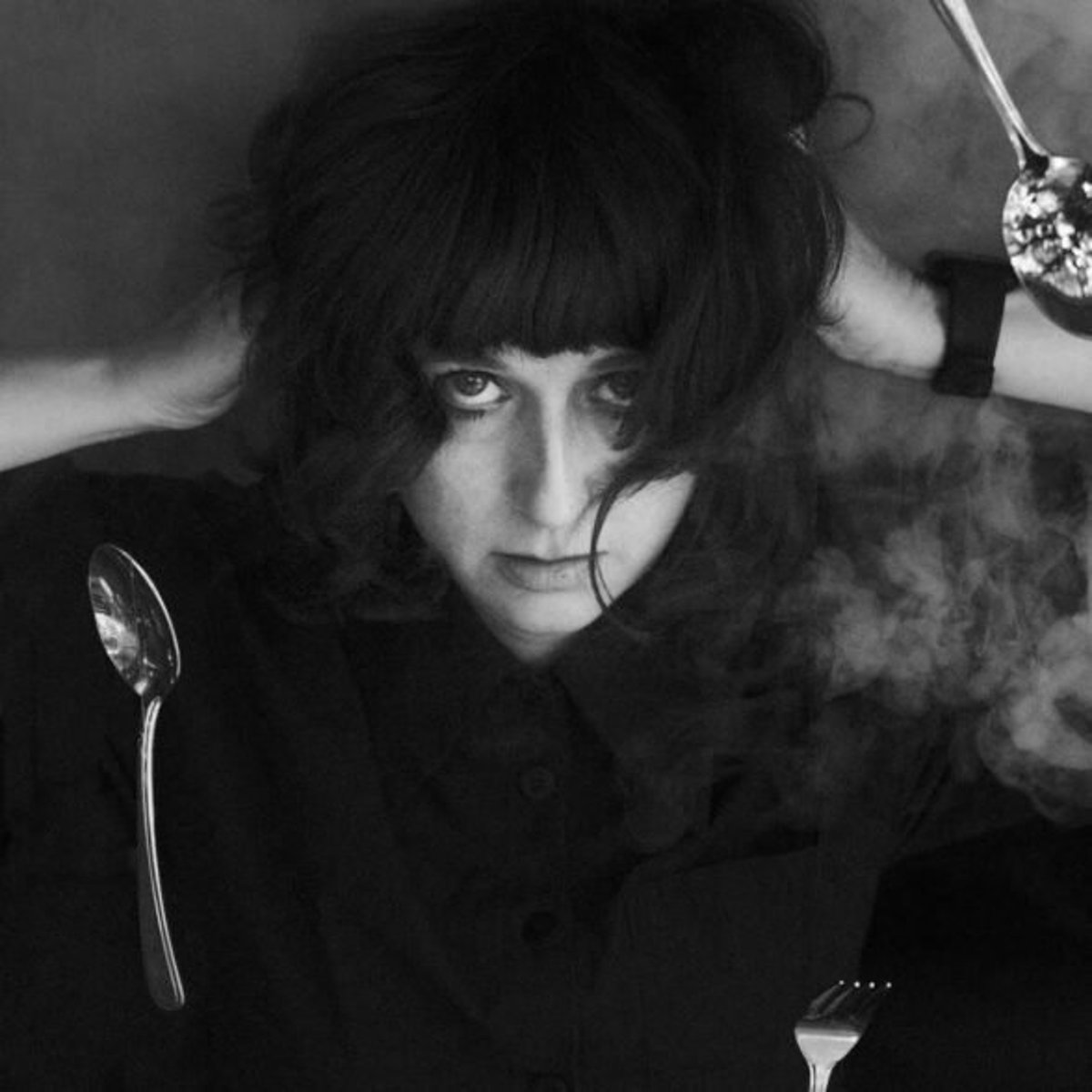
- Ray Lozano (19:20): The German-Filipino singer, songwriter, and producer officially opens the festival with a full-band performance. At 37, Lozano has cultivated a distinct sonic universe that values spatial economy and jazz-infused intimacy. Signed to Cologne’s prestigious Melting Pot Music label—home to beats, rap, and soul innovators—Lozano’s rollout strategy mirrors elusive collectives like SAULT: low on commercial saturation, hyper-focused on visual and sonic purity.
- Avalon Emerson & the Charm: Transitioning from the subterranean depths of club-focused techno production toward expansive art-pop and electronica-informed songwriting, Emerson showcases her vocal and melodic dexterity.
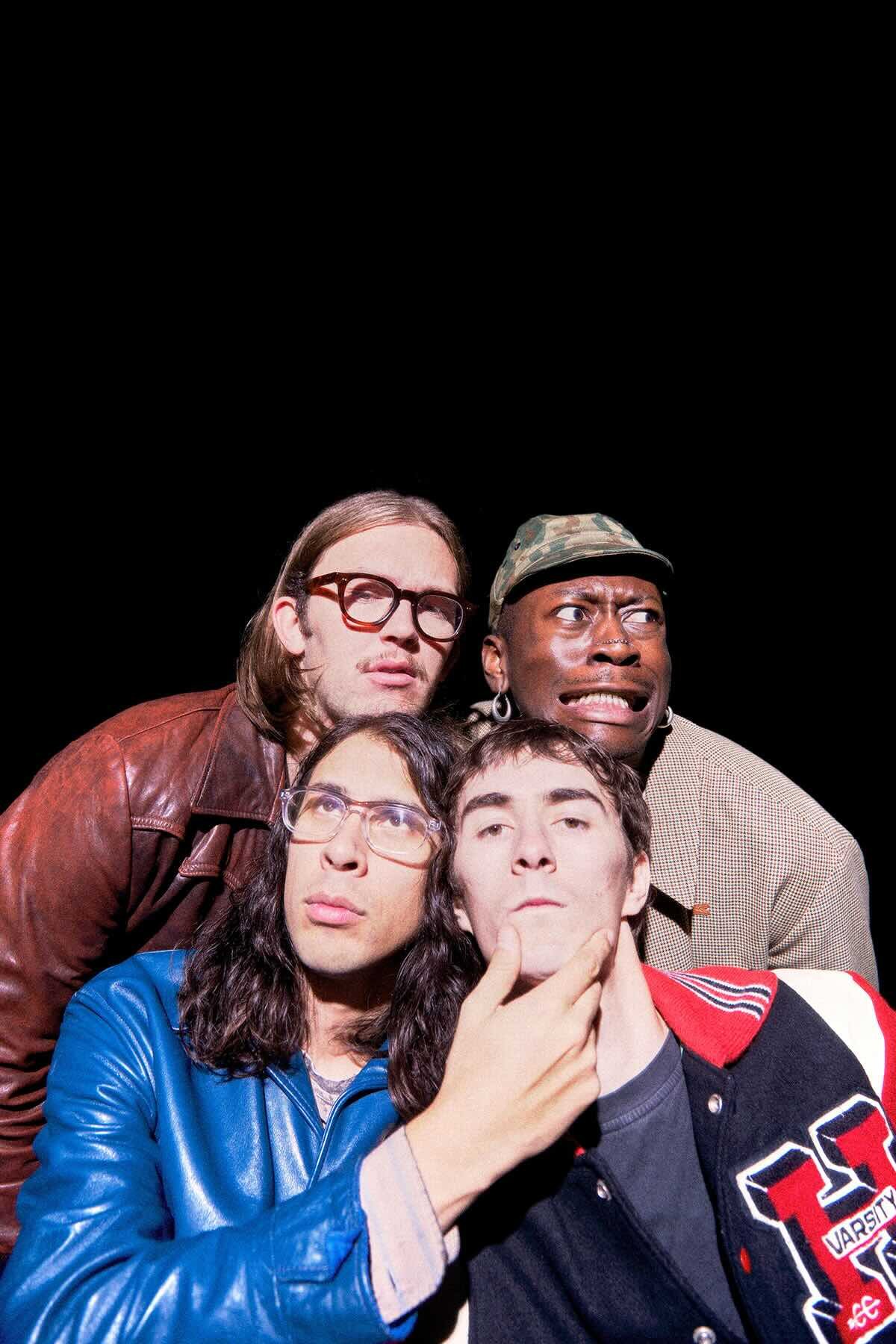
- Bar Italia: The evening reaches its climax with a high-energy set from the enigmatic trio, drawing raw power from post-punk grit, shoegaze textures, and jagged indie rock.
Thursday, August 27: Infrastructural Expansion and Inter-Venue Dialogues
As the festival ripples outward from Wedding into the creative corridors of Kreuzberg and Prenzlauer Berg, Thursday serves as a bridge between the theoretical symposia of the opening days and the sprawling weekend club showcases. Attendees navigate independent galleries, pop-up performance spaces, and local institutions, engaging with the decentralized spirit that defines modern Berlin nightlife.
Friday, August 28: Athletic Fandom, Noise Disruptions, and Subcultural Liberation
-
Locations: Kino in der Kulturbrauerei & Kulturbrauerei (Palais)
-
Female Fandom Panel (20:00 at Kino in der Kulturbrauerei, Saal 8): One of the festival’s most intellectually rigorous panels brings together former German international basketball player Dr. Ireti Amojo and communications strategist Sunniva Ferri. The duo dissects how female and FLINTA (Female, Lesbian, Intersex, Non-binary, Trans, and Agender) fan cultures construct radical new forms of belonging. The conversation centers on digital communities, athletic visibility, and how collective enthusiasm acts as an engine for social transformation.
-
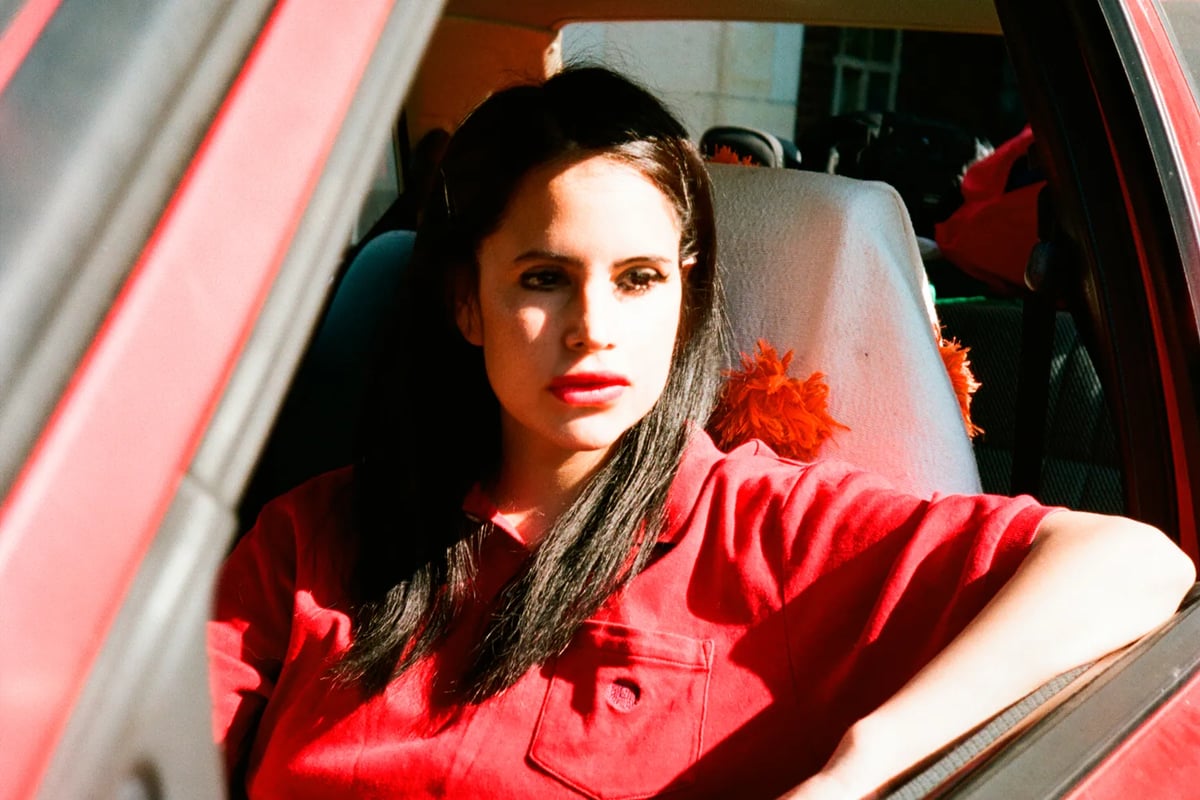
Boko Yout (22:00 at Kulturbrauerei, Palais): Led by Paul Adamah, Swedish noise-disrupters Boko Yout deliver a visceral performance blending post-punk chaos with ancestral storytelling. Their debut album, GUSTO, functions as a long-form sonic therapy session. Guided by Adamah’s alter ego, Dr. Gusto, the project navigates the shadows of shame toward self-liberation, addressing the realities of growing up as a child of Togolese and Mozambican parents in a predominantly white, Protestant Swedish town.
Saturday, August 29 – Sunday, August 30: The Avant-Garde Finale
-
Location: Kulturbrauerei (Maschinenhaus, Alte Kantine)
-
Annie-Claude Deschênes (Saturday, 00:30 at Maschinenhaus): Known for her work in cult Canadian outfits Duchess Says and PyPy, Montreal-based sound artist Annie-Claude Deschênes delivers dystopian disco that collapses the boundaries between performance art and warehouse club culture. Influenced by DAF, Kraftwerk, Suicide, and Steve Reich, Deschênes utilizes cold synthesizers and hypnotic, repetitive beats to construct an environment that is simultaneously danceable and confrontational.
-
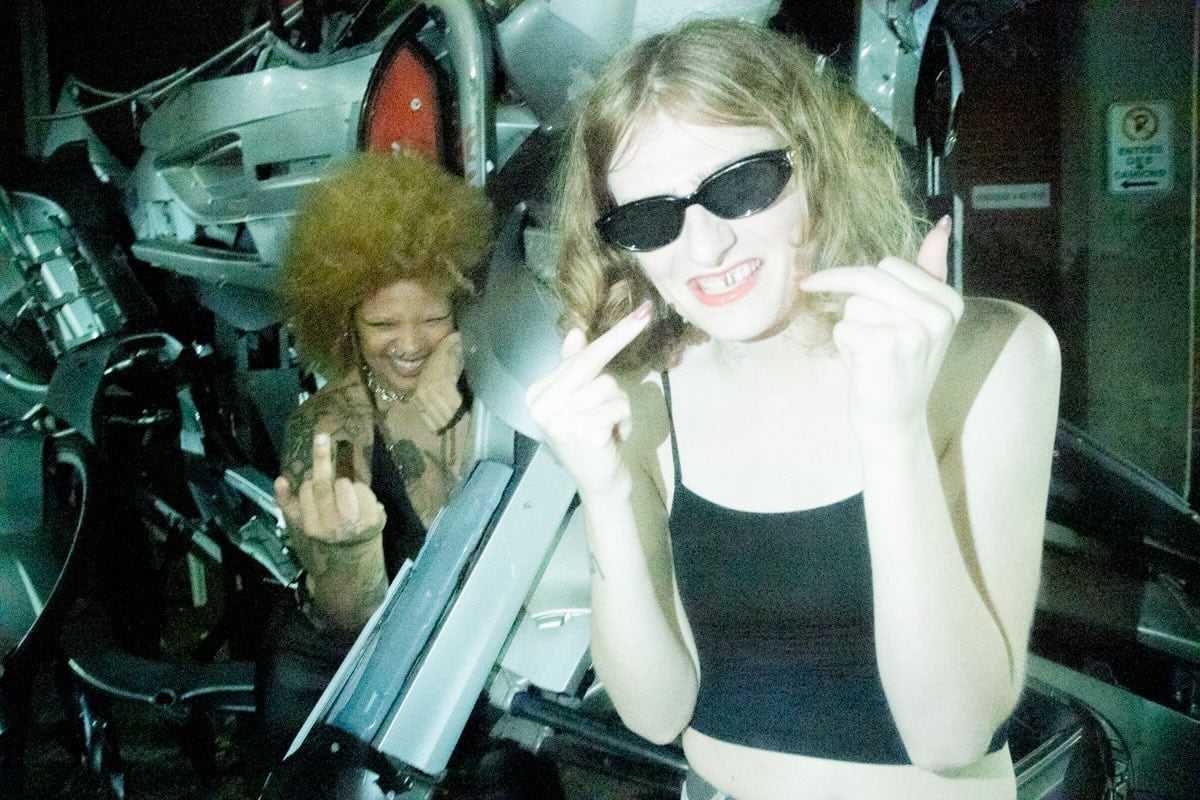
Beaks (Saturday, 22:20 at Maschinenhaus): Viennese project Beaks, helmed by poet and multi-hyphenate artist Anna Francesca, presents propulsive synth-pop with an indie edge. Having cut her teeth in the worlds of high fashion (working with Chanel, Vivienne Westwood, and Céline) and fine arts at the Academy of Fine Arts Vienna, Francesca relies on organic, shared studio jams and minimalist basslines to build cinematic snapshots of waking subconsciousness.
-
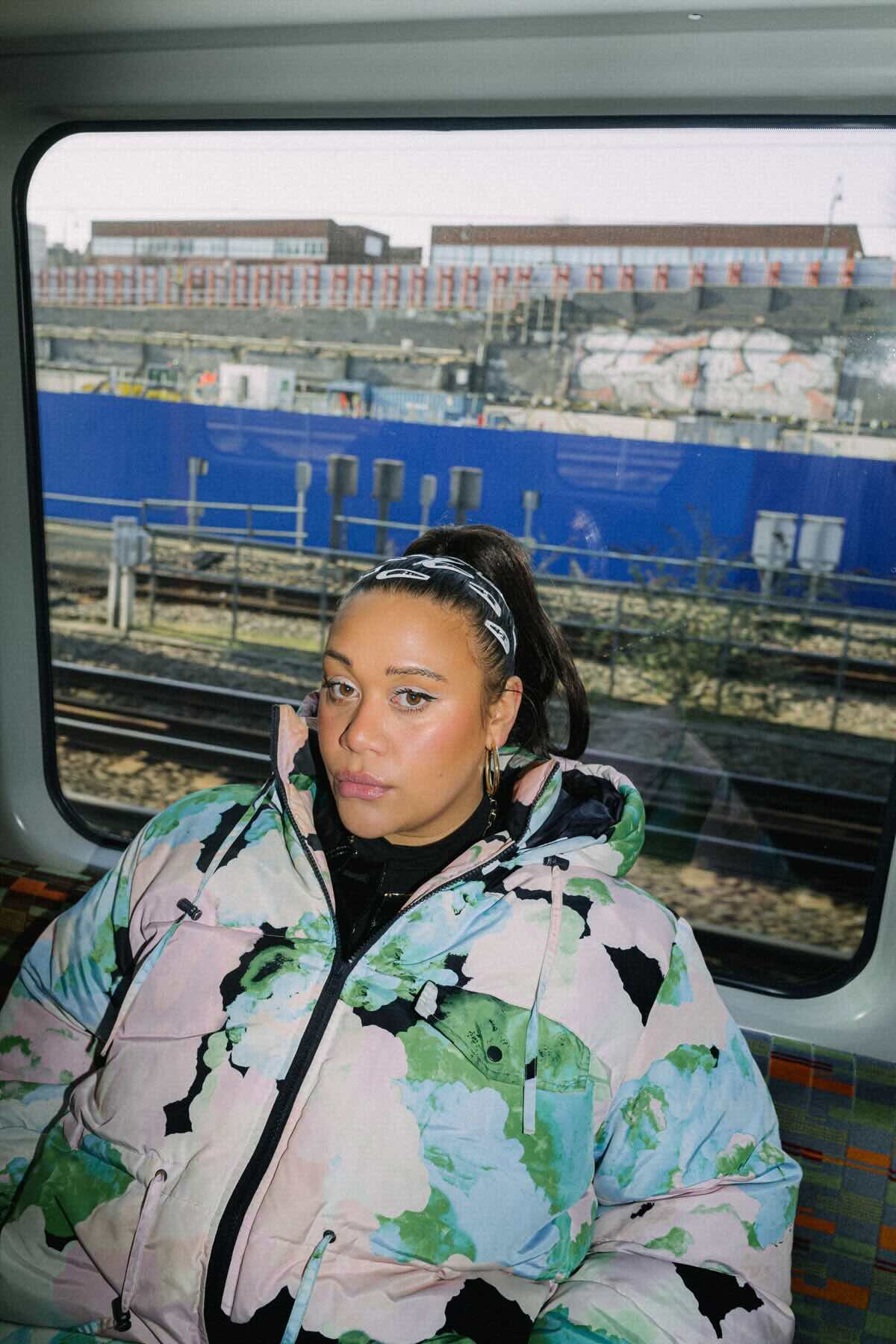
deBasement (Saturday, 21:20 at Alte Kantine): A powerhouse collaboration between Alli Logout (of synth-punk firebrands Special Interest) and pop producer Margo XS (who has shaped tracks for global pop stars like Zara Larsson and Kim Petras). Operating at the friction point between New Orleans and Montreal after-hours nightlife, deBasement champions a raw, un-sanitized, and defiantly queer dancefloor aesthetic.
Supporting Context & Metrics: The Anatomy of a Decentralized Festival
To understand Pop-Kultur’s endurance in Europe’s crowded festival circuit, one must examine its structural architecture and economic model.
| Metric / Feature | 2025 Model | 2026 Expanded Framework |
|---|---|---|
| Primary Footprint | Multi-venue pilot phase | Fully decentralized across Wedding, Kreuzberg, & Prenzlauer Berg |
| Nachwuchs Capacity | ~130 global participants | 150 international emerging talents |
| Commissioned Works | Select localized debuts | Expanded cross-genre collaborations (e.g., múm at Pierre Boulez Saal) |
| Interdisciplinary Scope | Music & basic panels | Comprehensive integration of sports sociology, fashion, and visual arts |
The structural shift toward decentralization has yielded compounding benefits. By embedding the festival within active urban hubs rather than enclosing it in a festival park, Pop-Kultur stimulates local micro-economies, reduces carbon footprints associated with mega-site construction, and grants audiences an authentic taste of Berlin’s neighborhood subcultures. Furthermore, the inclusion of intimate, high-art spaces like the Pierre Boulez Saal—where Icelandic legends múm will premiere Sonnenuhr, a performative work blending strings, electronics, and introspective acoustic arrangements—demonstrates the festival’s ability to bridge high-brow classical architecture with underground experimentalism.
Official Statements & Curatorial Philosophy
The overarching ethos of Pop-Kultur is rooted in political consciousness, artistic risk, and uncompromising curation. Organizers have repeatedly emphasized that the festival refuses to pounce on fleeting commercial trends, choosing instead to incubate movements that challenge the status quo.
In official statements regarding the 2026 programming, the curatorial team noted:
"Pop-Kultur is not merely a showcase for finished products; it is a laboratory for cultural friction. By commissioning original works—such as múm’s Sonnenuhr—and pairing them with conversations around migration, queerness, and athletic equity, we assert that pop culture is the primary language through which modern society negotiates its political and emotional futures."
This sentiment is echoed across the board by participating artists. For instance, the integration of voices like Sofia Kourtesis and Alli Logout highlights a deliberate curatorial pivot toward artists who transform personal vulnerability into collective political power.
Future Outlook: Setting the Benchmark for European Arts Festivals
As Pop-Kultur wraps its expansive week on August 30, its long-term trajectory points toward a redefined standard for European arts festivals. In an era where commercial music festivals face rising operational costs, homogenization, and corporate sanitization, Pop-Kultur offers a masterclass in resilience and cultural relevance.
Looking ahead, the festival’s blueprint—characterized by rigorous talent incubation via Nachwuchs, site-specific architectural integration, and an unwavering commitment to underrepresented artistic voices—serves as a vital template for the future of the creative economy. By fostering direct connections between grassroots creators and industry veterans, Pop-Kultur ensures that Berlin remains not just a playground for transient nightlife, but a global epicenter for sustainable, boundary-pushing artistic innovation.