
Executive Overview
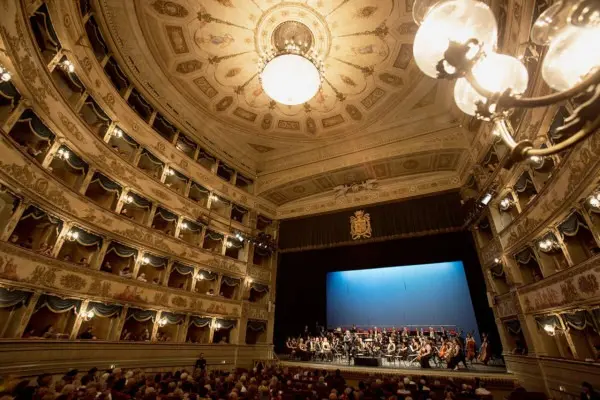
The historic Teatro Alighieri di Ravenna has officially unveiled its eagerly anticipated opera season for 2026–27, curating a breathtaking artistic landscape that bridges centuries of operatic evolution. Known for its acoustic brilliance, striking neoclassical architecture, and a rich legacy embedded in the heart of Emilia-Romagna, the theater continues to cement its reputation as one of Italy’s most dynamic and forward-thinking cultural powerhouses.
The forthcoming season is a masterclass in programming diversity. It spans the comedic brilliance of bel canto master Gaetano Donizetti, the gritty verismo of Ruggero Leoncavallo, the psychological and atmospheric depths of Benjamin Britten, the sparkling Rossinian wit of Gioachino Rossini, the Baroque purity of Henry Purcell, and a contemporary theatrical homage to the late, great Italian singer-songwriter Lucio Dalla.
By balancing world-renowned vocal icons with visionary stage directors and rising podium talents, Teatro Alighieri is positioning the 2026–27 season not merely as a sequence of performances, but as an immersive cultural journey. This comprehensive preview explores the detailed chronology of the season, examines the artistic metrics and historical context behind the chosen repertoire, analyzes the impact of this year’s casting decisions, and projects the broader cultural trajectory of Ravenna on the international performing arts stage.
Detailed Chronology: A Season in Review
The 2026–27 calendar is densely packed with high-profile productions, stretching from the winter months of early 2027 through the brisk arrivals of late autumn and concluding in the spring. Below is the chronological blueprint of the operatic offerings slated for the Teatro Alighieri stage.
1. Ruggero Leoncavallo’s Pagliacci
- Performance Dates: January 15 & 17, 2027
- Conductor: Hossein Pishkar
- Director: Gabriele Lavia
- Principal Cast: Irina Lungu, Gregory Kunde, Youngjun Park, Giuseppe Michelangelo Infantino, Sergeevich Zemlianskikh Nikolai
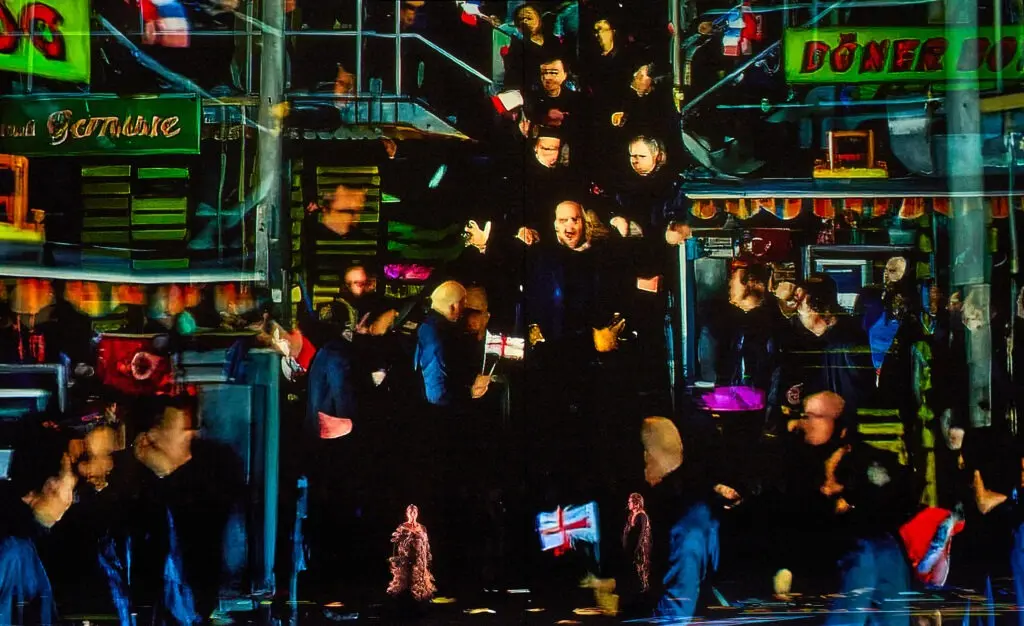
The calendar year opens with a visceral punch of verismo opera. Leoncavallo’s tragic masterwork Pagliacci explores the destructive intersections of jealousy, performance, and reality within a troupe of commedia dell’arte players. The production is helmed by the legendary Italian theater and opera director Gabriele Lavia, whose psychological acuity is expected to strip away Victorian melodrama in favor of raw, modern emotional exposure.
On the podium is Hossein Pishkar, a conductor celebrated for his precision and sweeping dynamic control. The vocal lineup is nothing short of star-studded. Soprano Irina Lungu brings her luminous tone and dramatic intensity to the role of Nedda, while legendary tenor Gregory Kunde—admired globally for his breathtaking vocal metamorphosis and stylistic versatility—tackles the grueling role of Canio. They are joined by baritone Youngjun Park as Tonio, alongside Giuseppe Michelangelo Infantino and Sergeevich Zemlianskikh Nikolai, ensuring that this production will be an early-season vocal powerhouse.
2. Benjamin Britten’s Death in Venice
- Performance Dates: February 13 & 14, 2027
- Conductor: Daniel Smith
- Director: Rodula Gaitanou
- Principal Cast: Toby Spence, Mark Le Brocq, Dominic Segdwick, Danilo Pastore, Xin Zhang, Eugenio Maria Degiacomi
Shifting from Italian verismo to the austere, haunting soundscapes of 20th-century British modernism, Teatro Alighieri presents Benjamin Britten’s final operatic masterpiece, Death in Venice. Based on Thomas Mann’s novella, the opera explores the agonizing decline of the aging author Gustav von Aschenbach, consumed by an idealized obsession with a Polish boy, Tadzio, against the cholera-stricken backdrop of Venice.
Director Rodula Gaitanou is renowned for her striking aesthetic visions and deeply atmospheric staging. She is joined by conductor Daniel Smith, whose mastery of complex orchestral textures will guide the pit through Britten’s haunting, percussion-driven score. The demanding title role of Aschenbach will be inhabited by acclaimed tenor Toby Spence, supported by a stellar ensemble cast featuring Mark Le Brocq, Dominic Segdwick, Danilo Pastore, Xin Zhang, and Eugenio Maria Degiacomi. This production promises to be an intellectual and sensory high point of the winter season.
3. Gioachino Rossini’s La Cenerentola
- Performance Dates: April 2 & 4, 2027
- Conductor: Giovanni Di Stefano
- Director: Nicola Berloffa
- Principal Cast: Marco Ciaponi, Gianluca Failla, Carlo Lepore, Silvia Calioì, Ester Ferraro, Giuseppina Bridelli, Matteo D’Apolito
Spring brings light, color, and vocal pyrotechnics with Rossini’s timeless comedic jewel, La Cenerentola (Cinderella). Eschewing the magical shoes and pumpkins of the traditional fairy tale for a humanized narrative of forgiveness, virtue, and social satire, Rossini’s score remains one of the ultimate tests of bel canto agility.
Nicola Berloffa’s production promises a visually witty and emotionally grounded interpretation of Jacopo Ferretti’s libretto. Maestro Giovanni Di Stefano takes the conductor’s chair to propel the sparkling rhythms and lightning-fast patter songs forward. The stellar cast features Giuseppina Bridelli in the title role, showcasing her rich mezzo-soprano and virtuosic ornamentation, alongside Marco Ciaponi as Don Ramiro. The ensemble is anchored by veteran bass-baritone Carlo Lepore alongside Gianluca Failla, Silvia Calioì, Ester Ferraro, and Matteo D’Apolito.
4. Henry Purcell’s Dido and Aeneas
- Performance Date: April 16, 2027
- Principal Cast: Agata Castellucci, Teodora Castellucci, Alberto Galluzzi, Trevor Louw, Francesca Siracusa
Proving its commitment to early music and innovative cross-disciplinary performance, the theater presents Henry Purcell’s Baroque masterpiece, Dido and Aeneas. This poignant tragedy of doomed love between the Queen of Carthage and the Trojan hero features a cast that blends youthful vigor with dramatic depth: Agata Castellucci, Teodora Castellucci, Alberto Galluzzi, Trevor Louw, and Francesca Siracusa. The production highlights the timeless resonance of Purcell’s vocal writing, anchored by the heartbreaking simplicity of Dido’s final lament, "When I am laid in earth."
5. Lucio Dalla’s L’anno che verrà
- Performance Dates: December 22 & 23, 2027
- Director: Manuel Renga
Demonstrating that Ravenna’s cultural vision extends far beyond the traditional operatic canon, the theater presents a theatrical staging inspired by Lucio Dalla’s iconic 1979 song, “L’anno che verrà.” Directed by Manuel Renga, this production transforms one of Italy’s most beloved pop-culture anthems of hope and societal transformation into a theatrical narrative. It is a profound nod to Ravenna’s dedication to honoring local cultural icons while engaging contemporary audiences through multidisciplinary performance art.
6. Gaetano Donizetti’s Le convenienze ed inconvenienze teatrali
- Performance Date: December 16, 2027
- Conductor: Paolo Manetti
- Director: Alfonso Antoniozzi
Closing out the late-year calendar is Donizetti’s razor-sharp theatrical satire, Le convenienze ed inconvenienze teatrali (Viva la Mamma!). This rarely performed comic gem mocks the absurd egos, financial distress, artistic compromises, and diva antics that plague operatic productions from the inside out.
Directed by seasoned baritone and stage director Alfonso Antoniozzi—whose deep insider knowledge of the opera world makes him uniquely qualified to skewer its eccentricities—and conducted by Paolo Manetti, this production guarantees an evening of high-velocity laughs and brilliant Donizettian melodies.
Supporting Context & Metrics: The Anatomy of a Modern Season
To fully appreciate the scope of the 2026–27 season at Teatro Alighieri, one must look at the structural curation and the demographic shifts driving contemporary European opera programming.
Repertoire Balance and Historical Breadth
The season covers roughly 350 years of music history, stretching from Henry Purcell’s late-17th-century Baroque idioms (1689) to Benjamin Britten’s mid-20th-century psychological modernism (1973) and the late-20th-century pop-culture reflection of Lucio Dalla (1979). By juxtaposing the foundational pillars of Italian opera (Donizetti, Rossini, Leoncavallo) with British modernism and Baroque tragedy, artistic planners have successfully mitigated audience fatigue.
| Era / Style | Featured Composers | Productions |
|---|---|---|
| Baroque | Henry Purcell | Dido and Aeneas |
| Bel Canto / Comic | Gaetano Donizetti, Gioachino Rossini | Le convenienze ed inconvenienze teatrali, La Cenerentola |
| Verismo | Ruggero Leoncavallo | Pagliacci |
| 20th Century Modernism | Benjamin Britten | Death in Venice |
| Contemporary / Pop Heritage | Lucio Dalla | L’anno che verrà |
Economic and Cultural Impact on Emilia-Romagna
Teatro Alighieri is not merely a regional venue; it is a critical anchor for cultural tourism in Ravenna and the broader Emilia-Romagna region. Cultural economists note that high-profile casting—such as bringing international draws like Gregory Kunde and Irina Lungu to Ravenna—creates significant multiplier effects for local hospitality, gastronomy, and tertiary service sectors.
Furthermore, the integration of diverse staging formats—from large-scale verismo orchestration to intimate Baroque ensembles and multidisciplinary theatrical pop tributes—demonstrates an adaptive business model designed to capture both traditional subscribers and younger, culturally curious demographics.
Official Statements and Artistic Vision
While specific artistic directors and institutional heads continue to finalize production notes, preliminary insights from the creative teams underscore a unified philosophy: accessibility through uncompromising artistic excellence.
In statements regarding the conceptualization of the season, representatives for Teatro Alighieri emphasized that the theater’s primary mandate is to serve as a living laboratory for the performing arts.
"Opera is not a museum piece preserved under glass; it is a mirror reflecting the eternal complexities of the human condition," noted a spokesperson close to the programming committee. "Whether we are exploring the jealousy of Canio in Pagliacci, the quiet desperation of Aschenbach in Venice, or the collective hope embedded in Lucio Dalla’s timeless lyrics, our goal is to foster an intimate, visceral dialogue between the stage and the spectator."
The inclusion of visionary directors like Gabriele Lavia, Rodula Gaitanou, and Alfonso Antoniozzi signals a deliberate investment in theatrical intelligence. These directors are trusted for their ability to honor the musical integrity of the scores while recontextualizing historical narratives for contemporary audiences who demand psychological depth and striking visual design.
Future Outlook: Ravenna’s Continuing Renaissance
As Teatro Alighieri looks toward the 2026–27 season and beyond, its strategic trajectory points toward a resilient future for Italian regional opera houses. In an era where many European performing arts institutions face shrinking subsidies and shifting audience habits, Ravenna has chosen a path of bold diversification.
By successfully merging elite international casting with localized cultural homages (such as the Dalla theatrical project) and maintaining a rigorous commitment to historical performance practices (Purcell) alongside masterworks of the standard repertoire (Rossini, Leoncavallo, Donizetti, Britten), Teatro Alighieri is writing a blueprint for modern operatic survival.
For patrons, critics, and artists alike, the 2026–27 calendar promises moments of transcendent beauty, intellectual provocation, and pure theatrical joy. As the curtain rises in January 2027 on Pagliacci, Ravenna will once again prove that the ancient art of opera remains as urgent, vital, and intoxicating as ever.