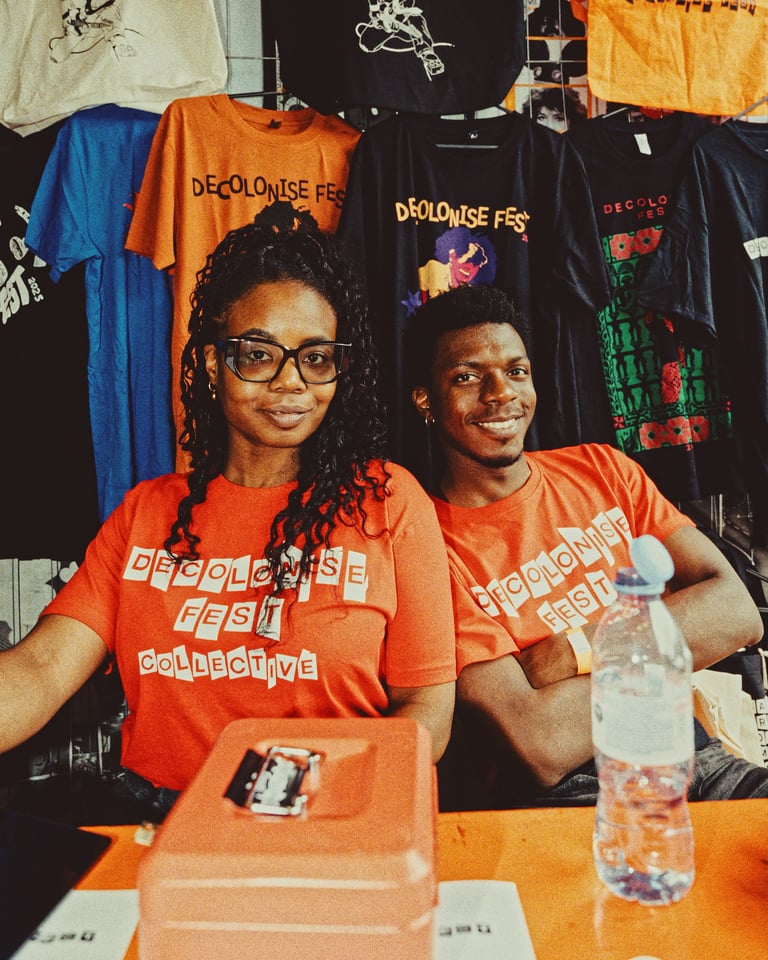
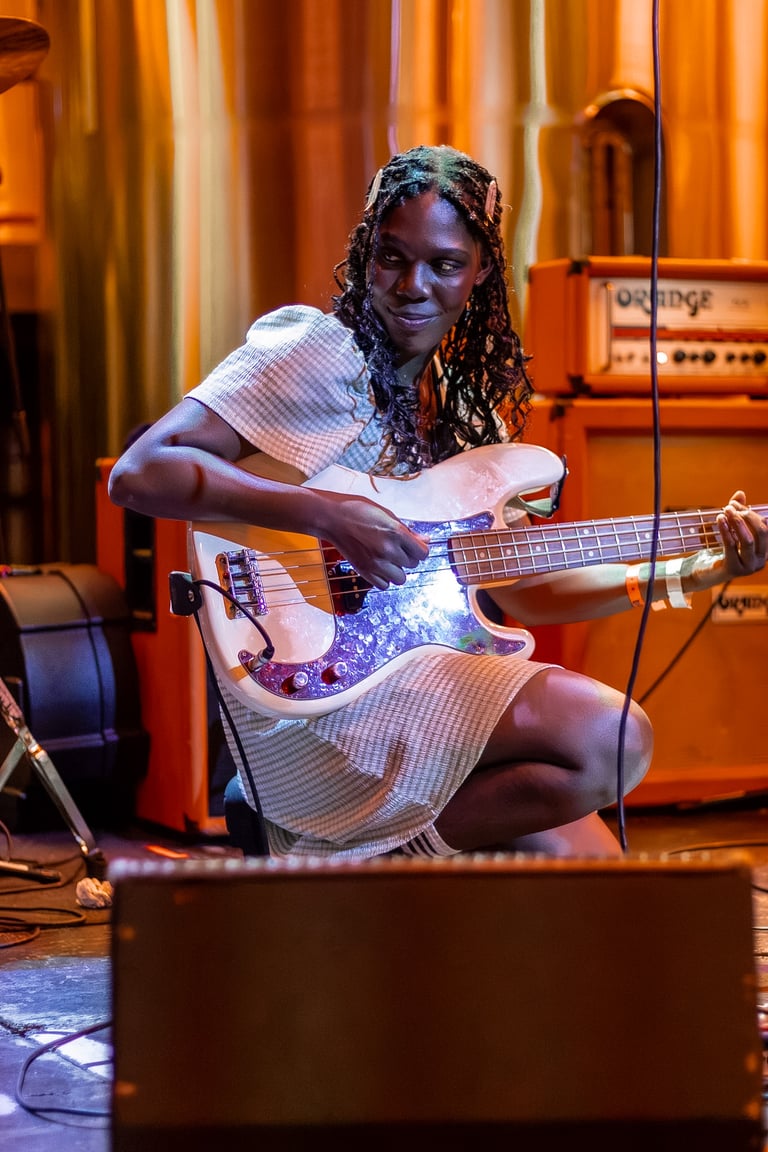
Since its inception in 2017, Decolonise Fest has operated with an unambiguous, uncompromising mission: to carve out a vital, uncompromised space "by and for punx of colour." Founded by Big Joanie guitarist and writer Stephanie Phillips alongside the DIY Diaspora Punx Collective, the festival was born out of a stark, persistent industry gap. Driven by a dedicated network of grassroots activists, militant community organisers, musicians, and artists, Decolonise Fest directly combats the systemic whitewashing of alternative music subcultures.
As captured in the collective’s manifesto:
"We are reasserting our place in punk and want to showcase the amazing, creative, and talented contributions punx of colour have made to the punk scene since its inception. We will talk about racism but not in a way that centres whiteness or prioritises the feelings of white people. No white tears. We are truly putting the threat back into punk again. Decolonise our past to decolonise our future."
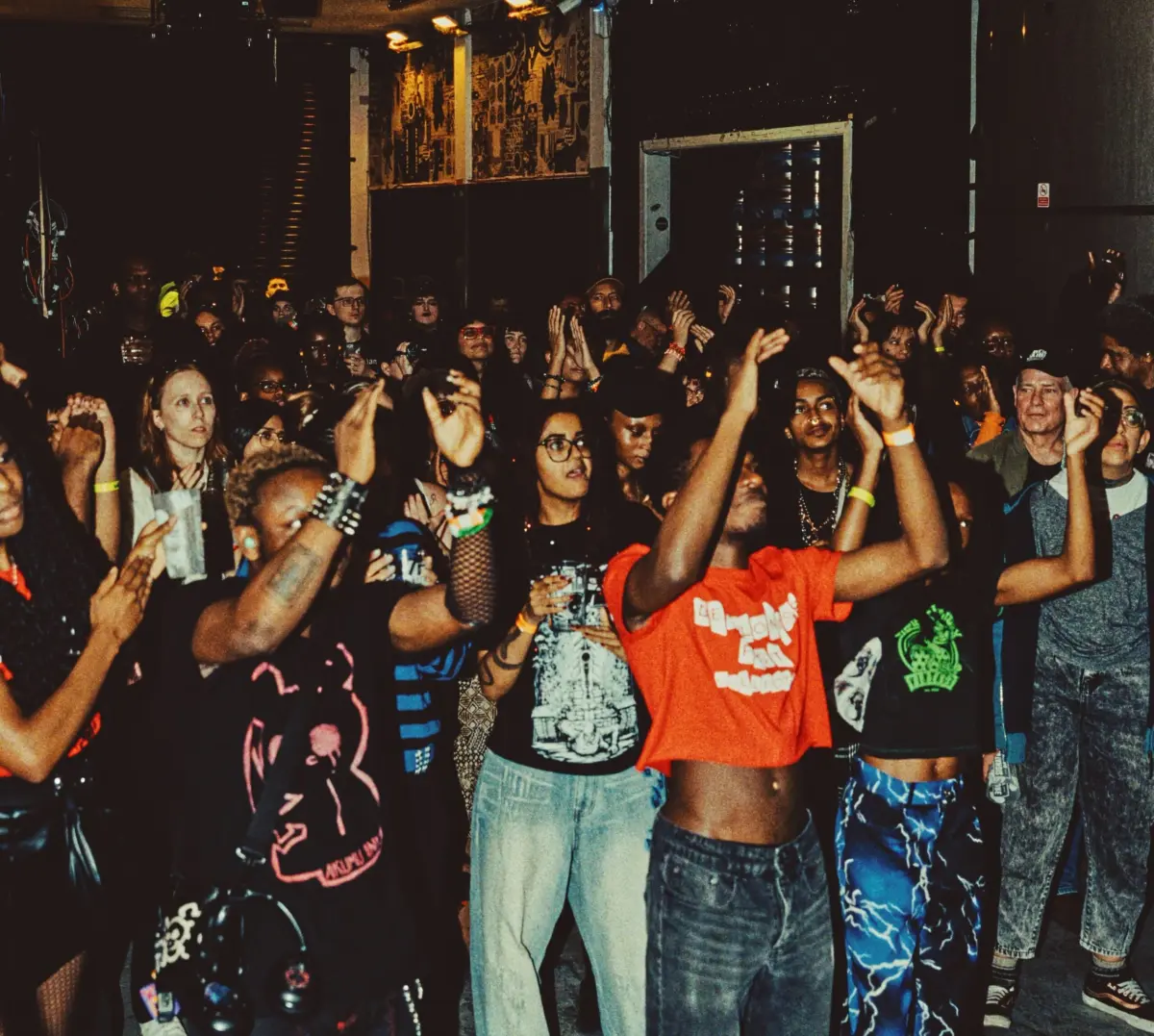
Now celebrating its ninth edition—held as a vibrant two-day weekender at Signature Brew Blackhorse Road in North London—Decolonise Fest continues to defy the commercial sanitization of rock and roll. Far from merely seeking inclusion in a historically white-dominated narrative, the festival operates on a foundational truth: people of colour were not just present at the birth of punk and alternative music; they were its primary architects.
By blending high-energy live performances with radical political workshops, Decolonise Fest is not merely a corrective cultural exercise. It is a living, breathing monument to community resilience, a refusal to beg for a seat at a table that was never built fairly, and an ongoing masterclass in building a parallel world where countercultural music truly belongs to everyone.
Detailed Chronology: The Evolution of a Grassroots Movement
2017–2019: Laying the Foundations
When Decolonise Fest launched in 2017, the alternative music landscape was notoriously homogenous. People of colour operating within punk, hardcore, and indie-rock circles routinely found themselves overlooked on festival line-ups, marginalized in underground zines, and isolated in predominantly white venues.
Co-organiser and Sunday Best vocalist Alex Ekong reflects on those early days, noting that the festival was explicitly designed to redress this structural imbalance. From the very first iteration, the event brought together musicians, activists, and fans who were starved of representation.
The early years saw the festival establish its signature dual approach: pairing raw, unapologetic punk performances with deep-dive panel discussions. It quickly became more than just a weekend music festival; it functioned as a vital hub for political education, cultural resistance, and network building.
2020–2022: Pandemic Resilience and Regional Expansion
Like the rest of the live music sector, the COVID-19 pandemic dealt severe blows to Decolonise Fest, including the closure of the collective’s original DIY venue space. Yet, true to its punk roots, the organization refused to fold. The collective pivoted to a virtual edition, sustaining its community online when physical spaces were shuttered.
Moreover, the festival’s influence expanded beyond London. Decolonise Fest took its ethos on the road, organizing satellite tours and events in cultural hubs like Glasgow, Birmingham, and Leeds. Despite facing near-bankruptcy and occasional hostility from right-wing media outlets, the collective outlasted these pressures through sheer operational grit and unwavering community support.
The Ninth Edition: A Two-Day Takeover in North London
Marking its ninth iteration, Decolonise Fest returned as a robust two-day weekender at Signature Brew Blackhorse Road in North London. The sprawling, high-octane line-up showcased the diverse sonic spectrum of contemporary punk and alternative music.
Saturday Line-up: Featured searing, genre-bending sets from Frozemode, eatboys., Uninvited, Dygora, Mashaal, and Third Kulture.
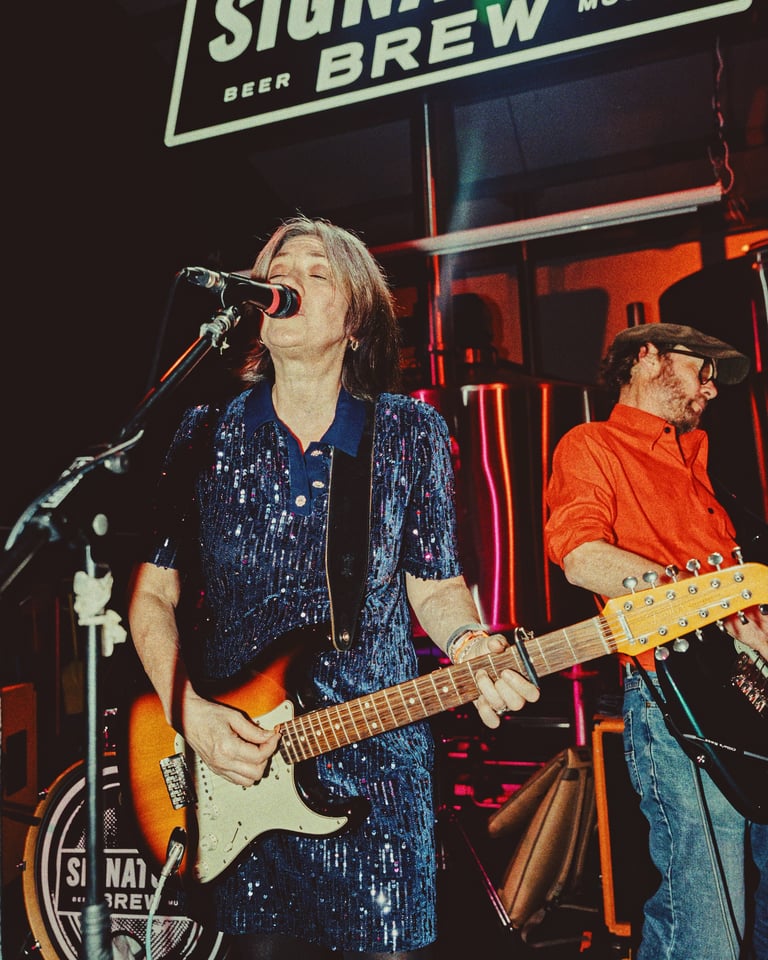
Sunday Line-up: Delivered an equally powerful showcase featuring Silver Tabby, Baby Said, TM Distant, Hang Linton, Sacred Paws, and the legendary Miki Berenyi Trio.
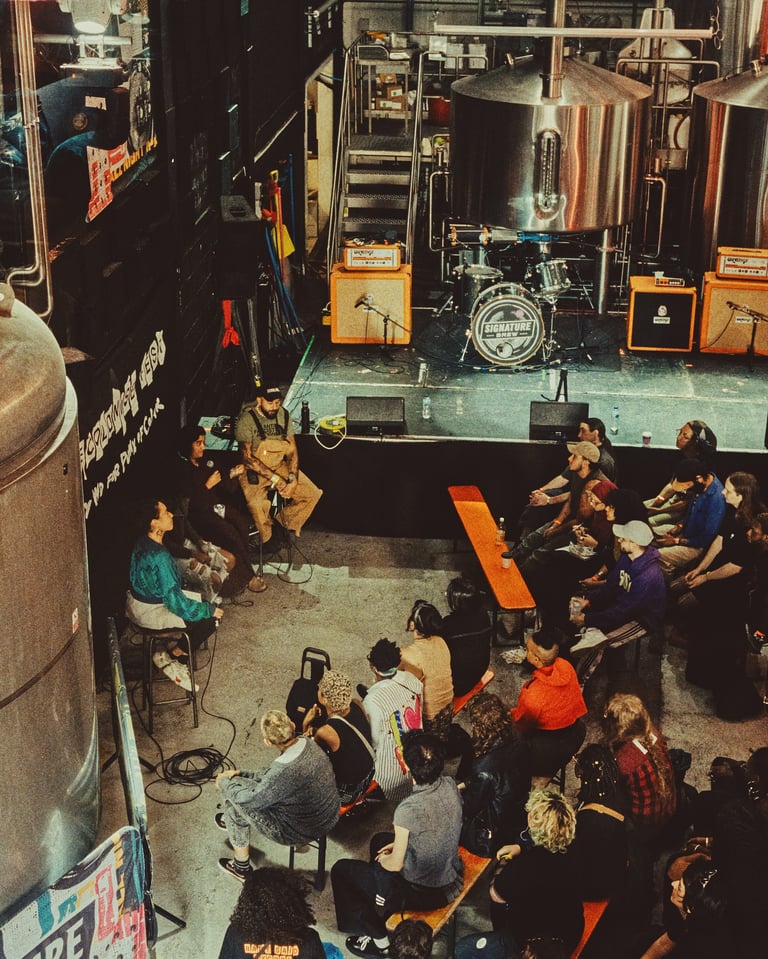
Between the blistering sets, the festival’s political heart beat strongly through a packed schedule of daytime workshops. Attendees participated in zine-making and bell assembly sessions, alongside critical discussions addressing contemporary anti-fascist organizing, abolitionist approaches to education, and indigenous land justice.
Supporting Context & Metrics: Challenging the Erasure of POC in Rock History
To view Decolonise Fest merely as a contemporary corrective tactic is to misread the historical trajectory of modern music. Mainstream music history has long peddled a sanitized narrative that positions rock and roll, punk, and alternative music as predominantly white phenomena. Yet, musicologists and cultural historians have repeatedly traced the foundational blueprints of these genres back to Black, Indigenous, and people of colour.
From Sister Rosetta Tharpe inventing the electric guitar-driven gospel-blues that birthed rock and roll, to the foundational contributions of bands like Death (the Detroit proto-punk trio formed by three Black brothers in 1973), people of colour were not secondary participants in alternative music—they were its creators. Over decades, however, these sounds, aesthetics, and cultural innovations were routinely repackaged and marketed for mainstream, white audiences, effectively writing the original architects out of the history books.
Decolonise Fest tackles this historical amnesia head-on. The festival’s guiding ethos—"we have always been here"—asserts that there is no "gap" in the historical record that needs charitable filling by white-dominated institutions; rather, there is a stolen record that must be actively restored.
The Post-2020 Illusion of Progress
When asked about the current state of diversity in alternative music, co-organiser Alex Ekong offers a sobering assessment. In the immediate wake of the global racial justice protests of 2020, major music festivals and booking agencies briefly scrambled to diversify their rosters, creating a fleeting novelty around line-ups featuring artists of colour.
However, Ekong characterizes this progress as partial and cyclical:
"It’s a lot harder to have a conversation around decolonisation, and it’s a lot harder to have a conversation around things like defund the police, now than it was in 2020 or 2021. There is still so much great talent at the DIY level that’s being completely underserved and completely under-booked."
This ongoing oversight proves that commercial tokenism is no substitute for authentic, community-built infrastructure. While mainstream festivals may occasionally book a token band of colour for PR purposes, underground artists of colour continue to face structural hurdles in securing fair compensation, proper venue access, and sustained industry backing.
Official Statements and Direct Insights
During the electric buzz of Sunday afternoon at Signature Brew, Alex Ekong sat down to discuss the longevity, philosophy, and future of Decolonise Fest.
Reflecting on the near-decade-long journey, Ekong emphasized that the driving force behind the festival remains entirely pure:
"What keeps us going is the pure love of providing that space for kids that were like us—young people who loved alternative music and had resigned themselves to white-dominated rooms."
For young musicians of colour stepping into intimidating, homogenous underground scenes, Ekong offers blunt, empowering advice:
"Never apologise for being who you are. We’re not begging for a seat at the table, because it was ours to begin with. We are creating the table, creating the space."
Ekong also stressed the vital importance of grassroots solidarity and micro-networking:
"When you see another person of colour at a show, say hello, talk, network, and keep those friendships going."
This philosophy translated directly onto the festival’s stages. During Sunday’s performances, Walthamstow locals Silver Tabby opened the day with a set of self-described "chaotic indie rock." Weaving lighthearted expressions of their love for cats with fierce calls to abolish the patriarchy, the band instantly galvanized the crowd. One audience member visibly wept with joy, remarking to friends that the performance unlocked feelings of belonging and freedom they hadn’t experienced since childhood.
Similarly, experimental rock outfit TM Distant and alt-rockers Baby Said delivered searing, cathartic sets, while the Miki Berenyi Trio brought mesmerizing, trancelike sonic textures to the room. Sacred Paws infused the evening with an infectious indie-pop swing. Guitarist and vocalist Ray Aggs noted during their set that they had spent the entire day figuring out how to repair a broken guitar—a humble detail that underscored the DIY ethos, tireless labor, and profound commitment required to sustain independent music communities.
Future Outlook: Looking Toward the Tenth Anniversary
As Decolonise Fest sets its sights on its milestone tenth anniversary next year, the collective faces a dual reality. On one hand, reaching a decade of continuous operation is a monumental achievement for an independent, volunteer-led festival. It stands as undeniable proof that the work is deeply necessary.
On the other hand, the enduring necessity of Decolonise Fest carries a bittersweet weight. As Ekong points out, the fact that the festival is still desperately needed a decade later highlights how stubbornly exclusionary the broader alternative music industry remains.
"Our festival exists for them, and finding people like them," Ekong says, speaking directly to the generation of artists who have yet to receive their flowers in mainstream alternative spaces. "Some people might feel that, because we need to continue doing something like this, the inclusion isn’t there. We still have to serve it. And while it’s disheartening to a certain extent, the fact that this festival has endured and continues to grow shows us that we need to be doing this. That this mission is important."
Looking forward, Decolonise Fest is not slowing down. By continuing to foster intergenerational mentorship, radical political education, and uncompromising sonic exploration, the collective ensures that punx of colour will not only reclaim their rightful place in the history of alternative music—they will author its entire future.