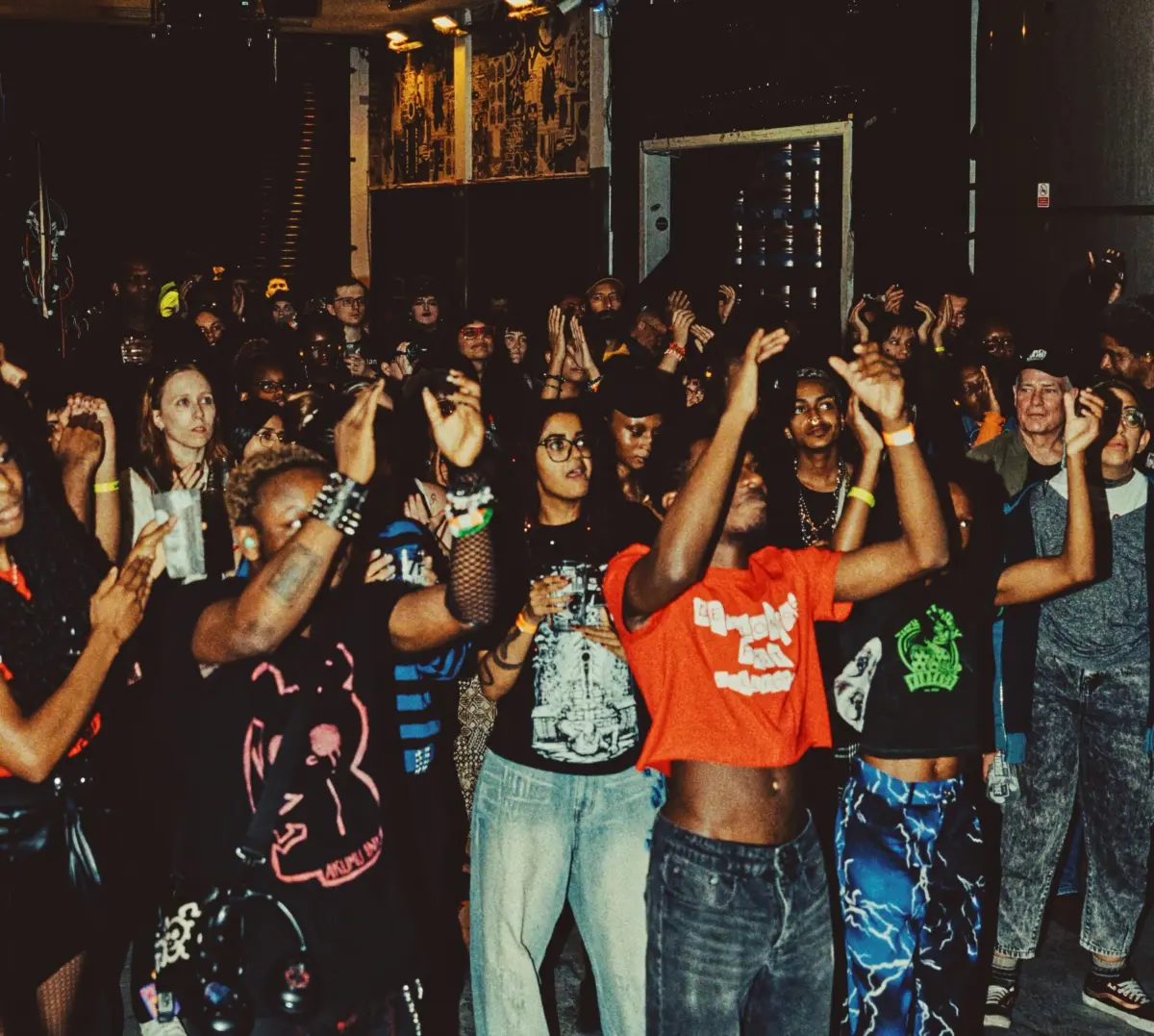
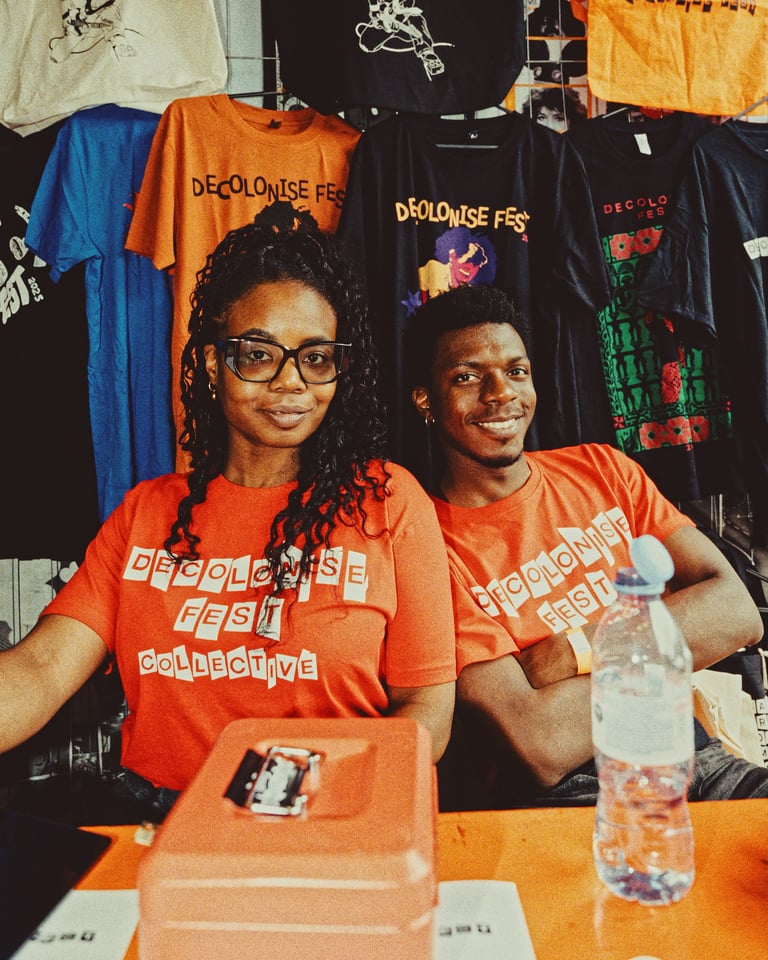
Since its inception in 2017, Decolonise Fest has stood as a bastion of unapologetic cultural resistance, carving out a vital space explicitly "by and for punx of colour." Founded by Big Joanie guitarist and writer Stephanie Phillips alongside the DIY Diaspora Punx Collective, the festival was born out of a stark, persistent exclusion within alternative music scenes. Driven by a dedicated team of activists, militant community organisers, musicians, and artists, Decolonise Fest challenges the whitewashed narratives that have long dominated rock, punk, and underground subcultures.
The festival’s manifesto sets a fierce, uncompromising tone:
"We are reasserting our place in punk and want to showcase the amazing, creative, and talented contributions punx of colour have made to the punk scene since its inception. We will talk about racism but not in a way that centres whiteness or prioritises the feelings of white people. No white tears. We are truly putting the threat back into punk again. Decolonise our past to decolonise our future."
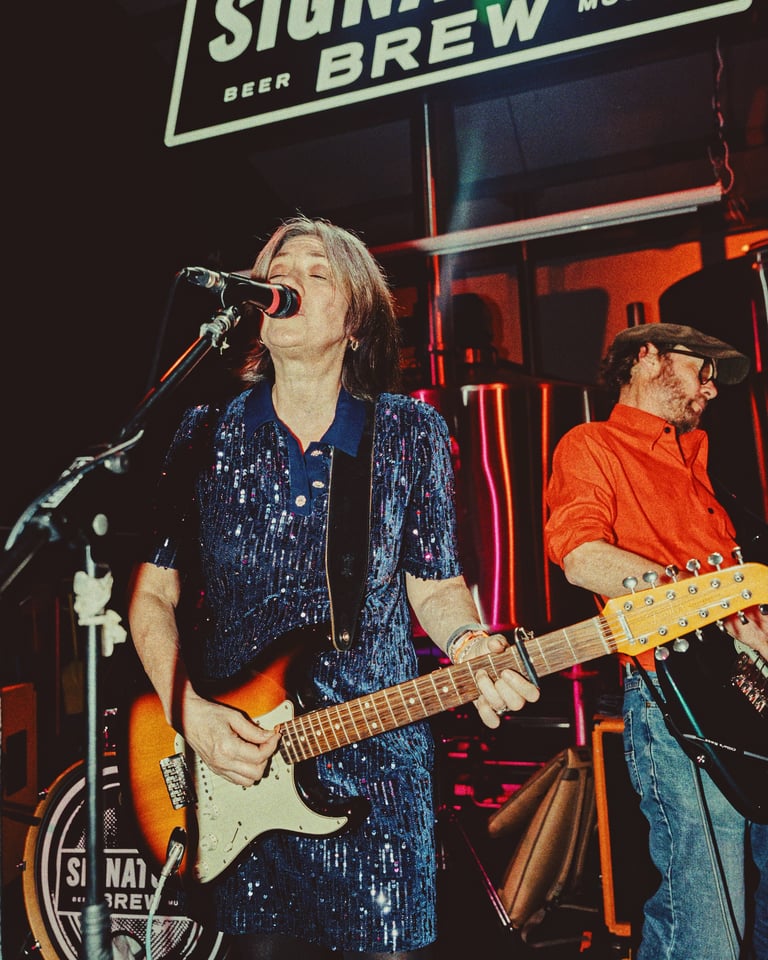
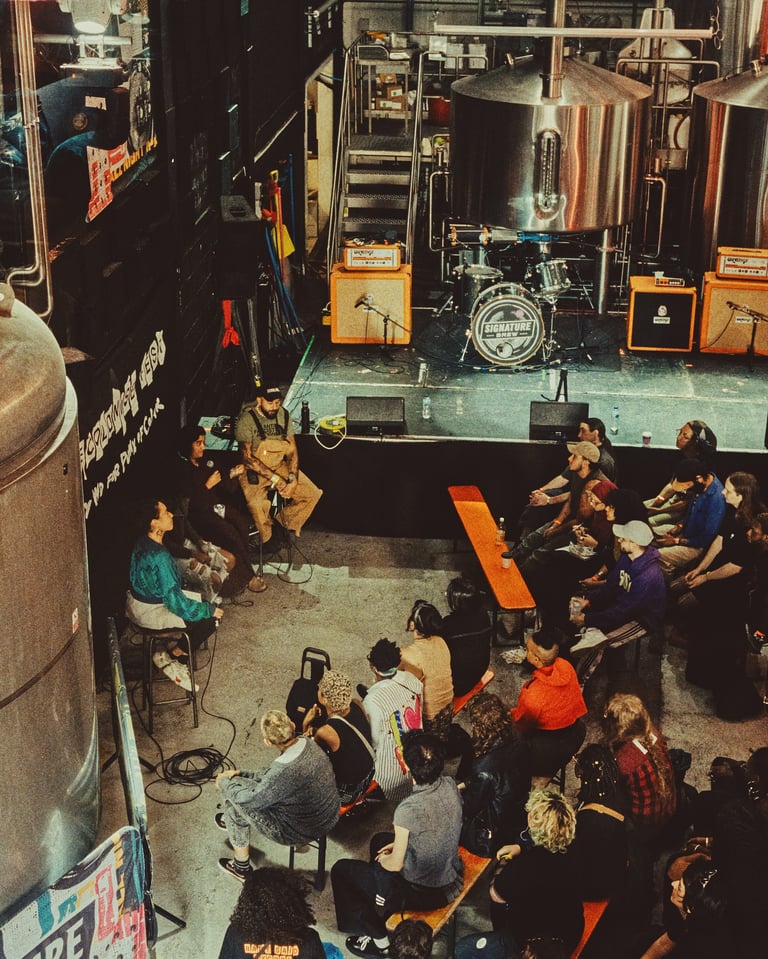
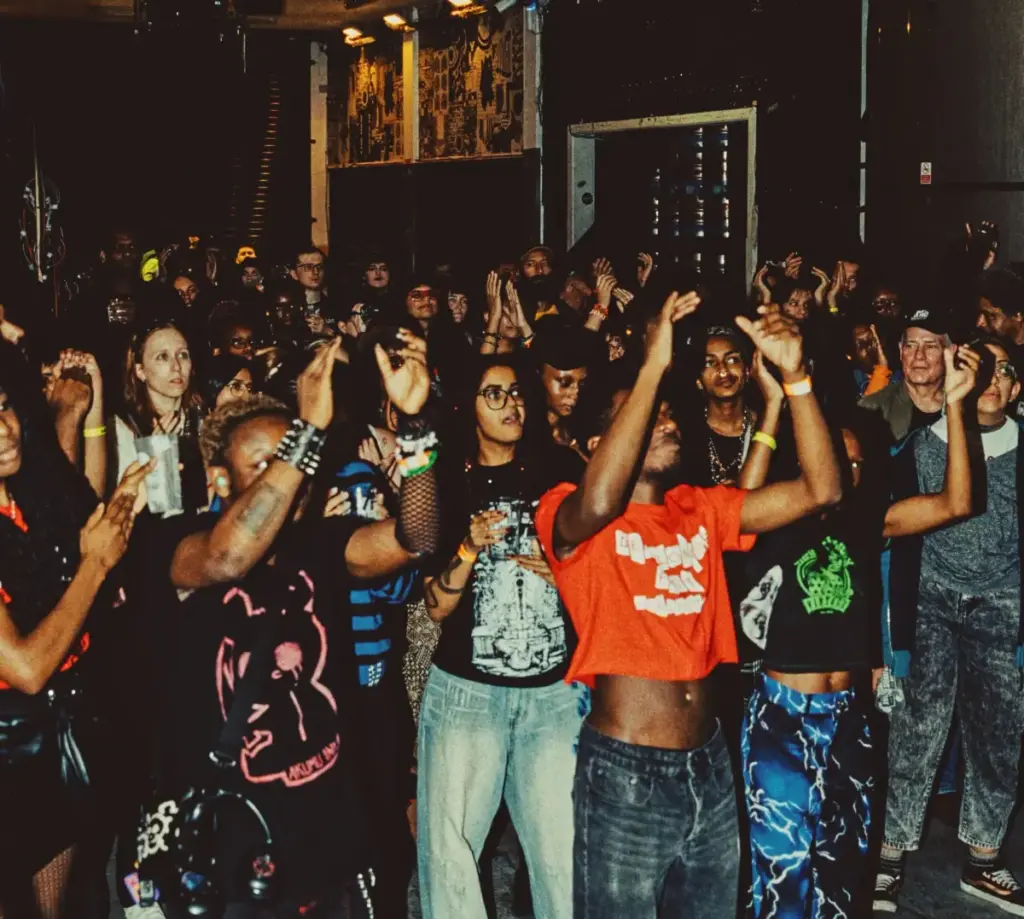
Now celebrating its ninth edition, Decolonise Fest has evolved from a grassroots corrective measure into a resilient institution. Held as a vibrant two-day weekender at Signature Brew Blackhorse Road in North London, this year’s festival brought together an eclectic, searing lineup of artists, thought-provoking workshops, and social justice panels. Far from merely seeking a seat at a pre-established table, Decolonise Fest asserts a deeper historical truth: people of colour were the architects of alternative music all along, and the ongoing mission is not to fill a gap, but to fully restore the historical record.
Detailed Chronology: The Ninth Edition Weekender
The ninth iteration of Decolonise Fest unfolded over two power-packed days in North London, showcasing a diverse spectrum of sonic expressions that defied easy categorisation while firmly anchoring themselves in punk’s rebellious ethos.
Saturday: Setting the Tone
The festival’s opening day at Signature Brew Blackhorse Road established an intense, genre-bending atmosphere. Saturday’s bill featured a dynamic array of acts demonstrating the multifaceted nature of contemporary alternative music:
Frozemode
eatboys.
Uninvited
Dygora
Mashaal
Third Kulture
Each performance pushed the boundaries of traditional punk, integrating hip-hop cadences, electronic elements, and post-punk experimentation. Parallel to the sonic onslaught, Saturday’s schedule integrated critical political engagement through hands-on zine-making workshops and discussions centred on combating the far-right, advancing abolitionist approaches to education, and championing land justice.
Sunday: Community, Catharsis, and Commemoration
Sunday’s programming maintained the momentum, opening with Walthamstow locals Silver Tabby. Their self-described "chaotic indie rock" immediately fostered a deep sense of community and familial recognition among the attendees. Merging lighthearted expressions of cat appreciation with calls to abolish the patriarchy, Silver Tabby struck a delicate, powerful balance between jubilance and political urgency.
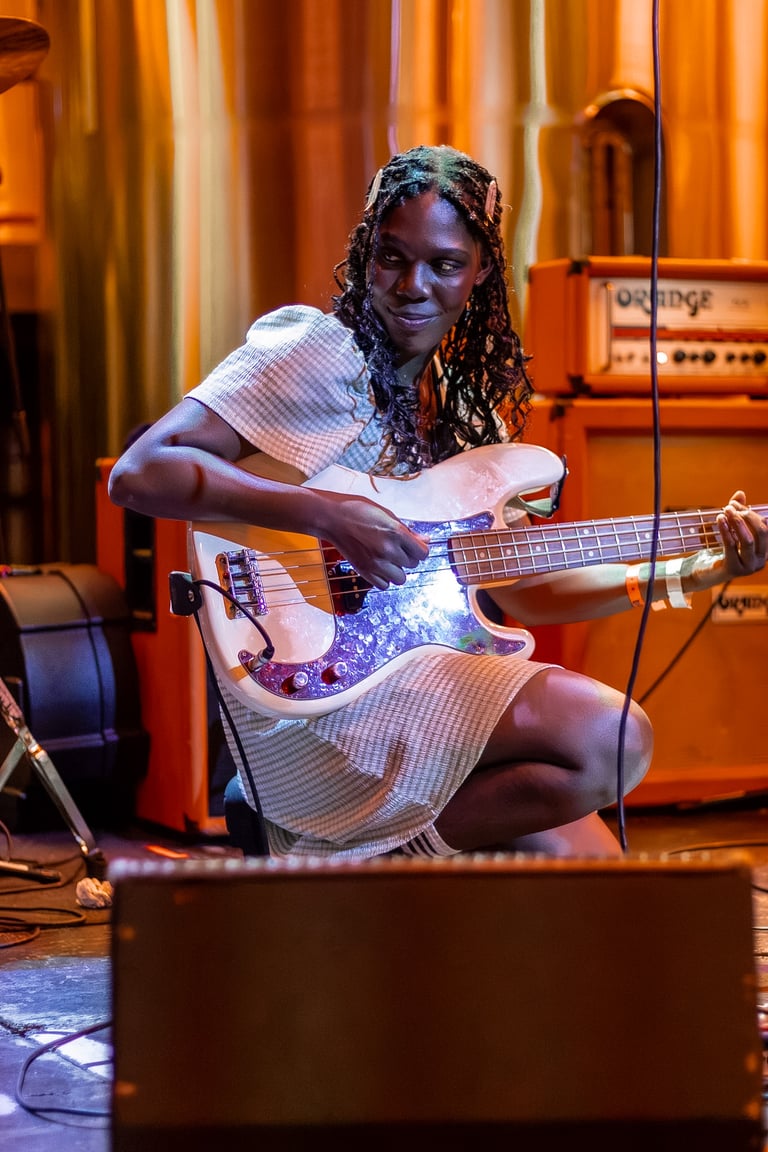
As the day progressed, alternative-rock outfit Baby Said and experimental rock band TM Distant delivered tight, searing sets that occasionally veered into heavier, cathartic territory. The Miki Berenyi Trio brought dreamy, trancelike sensibilities to the stage, contrasting with the invigorating indie-pop swing of Sacred Paws. Guitarist and vocalist Ray Aggs opened their set with an anecdotal reflection on spending the entire day repairing a broken guitar—a humble detail that underscored the grassroots commitment required to sustain independent music communities.
Supporting Context & Metrics: A History of Resilience
To view Decolonise Fest merely as a modern festival booking trend is to misunderstand its historical roots. Alternative music genres—from rock and roll to punk—owe their structural foundations to people of colour. Historically, however, these foundational contributions have frequently been repackaged, sanitized, and marketed primarily to white audiences. Decolonise Fest rejects the premise of begging for inclusion in a skewed narrative; instead, its ethos declares: "We have always been here."
Milestones and Survival
Over the past nine years, the collective has faced—and outlasted—formidable obstacles:
The Pandemic Pivot: When physical DIY spaces closed during COVID-19 lockdowns, the festival successfully pivoted to a virtual edition to maintain community cohesion.
Geographic Expansion: Decolonise Fest has successfully taken its mission on tour, staging events in Glasgow, Birmingham, and Leeds.
Financial and Political Pressures: The collective has weathered targeted attacks from sections of the right-wing press, venue closures, and near-bankruptcy threats a few years ago.
Defining the Community
The festival defines its community broadly and inclusively, uplifting artists and attendees descended from Africa, the Caribbean, Asia, the Middle East, Latin America, Australasia, North America, the islands of the Atlantic, Pacific, and Indian Oceans, and those of Romany Traveller heritage. Past lineups have featured heavyweight alternative acts such as Bob Vylan, Nova Twins, Big Joanie, and Whitelands, proving that commercial viability and fierce political independence can coexist.
Official Statements and Perspectives
Between Sunday’s blistering sets, co-organiser and Sunday Best vocalist Alex Ekong sat down to reflect on the festival’s origins, its survival, and the urgent necessity of maintaining autonomous spaces.
Ekong recalled the landscape of 2017, when people of colour in punk and alternative music were systematically sidelined and omitted from major festival lineups. The festival was established to "address that balance." Yet, Ekong is candid about the cyclical nature of cultural progress. Following the racial justice reckonings of 2020, many mainstream festivals temporarily diversified their booking policies and agency rosters. However, Ekong notes that this progress has stalled or regressed:
"It’s a lot harder to have a conversation around decolonisation, and it’s a lot harder to have a conversation around things like defund the police, now than it was in 2020 or 2021. There is still so much great talent at the DIY level that’s being completely underserved and completely under-booked."
Despite these systemic frustrations, what keeps the collective moving forward is "the pure love of providing that space for kids that were like us"—young people drawn to alternative music who had previously resigned themselves to navigating overwhelmingly white spaces.
Ekong offers blunt, practical advice for newcomers entering alternative scenes:
Never Apologise:"We’re not begging for a seat at the table, because it was ours to begin with. We are creating the table, creating the space."
Build Networks:"When you see another person of colour at a show, say hello, talk, network, and keep those friendships going."
Future Outlook: The Road to the Tenth Anniversary
As Decolonise Fest looks ahead to its milestone tenth anniversary next year, the collective faces a dual reality. On one hand, the festival’s remarkable staying power is a testament to its cultural necessity. On the other hand, the sheer fact that such a dedicated space remains urgently needed highlights ongoing shortcomings within the broader alternative music industry.
Reflecting on the artists who have yet to receive their rightful recognition within alternative spaces, Ekong remains resolute:
"Our festival exists for them, and finding people like them. Some people might feel that, because we need to continue doing something like this, the inclusion isn’t there. We still have to serve it. And while it’s disheartening to a certain extent, the fact that this festival has endured and continues to grow shows us that we need to be doing this. That this mission is important."
Decolonise Fest is not merely a weekend of loud guitars and political panels; it is an ongoing masterclass in community-building, historical restoration, and fierce autonomy. As it marches toward its second decade, the festival continues to put the genuine threat—and the unvarnished truth—back into punk.