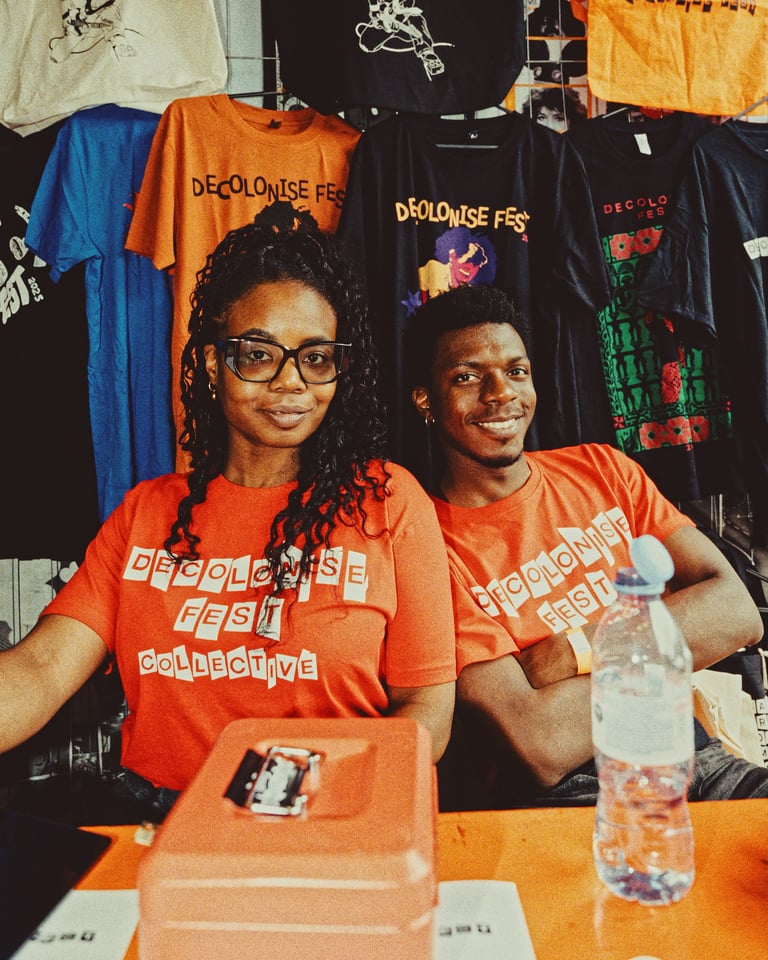
Since its inception in 2017, Decolonise Fest has stood as a defiant beacon within the alternative music landscape. Founded by Big Joanie guitarist and writer Stephanie Phillips alongside the DIY Diaspora Punx Collective, the annual event was created with a singular, unapologetic mission: to forge a safe, autonomous space “by and for punx of colour.”
Operating in an ecosystem historically dominated by white practitioners and gatekeepers, Decolonise Fest does not merely seek inclusion; it actively challenges the structural erasure of people of colour from the very foundations of rock and roll, punk, and alternative subcultures.
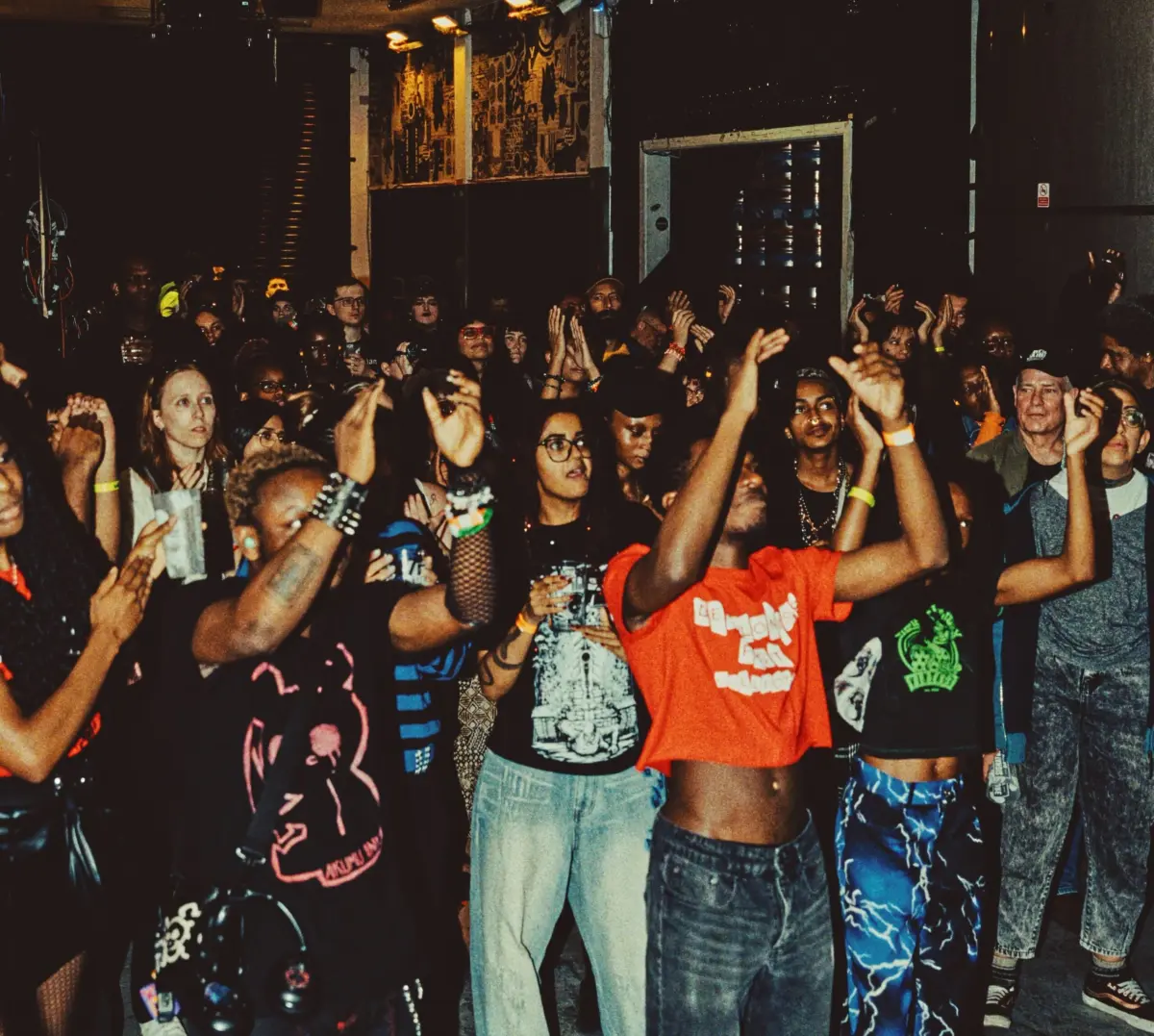
Now in its ninth year, having recently concluded a vibrant two-day weekender at Signature Brew Blackhorse Road in North London, the festival has evolved from a grassroots counter-offensive into a resilient institution. It has weathered the disruptions of a global pandemic, financial near-ruin, and hostile right-wing media scrutiny.
Yet, as co-organiser and Sunday Best vocalist Alex Ekong reflects, the enduring necessity of the festival remains a double-edged sword. While its longevity proves the unyielding demand for spaces centering artists of colour without centering whiteness, it simultaneously highlights the persistent systemic failures of the broader music industry. Decolonise Fest is not a corrective measure grafted onto an existing scene; it is a profound act of historical restoration, asserting that people of colour were the architects of punk all along.
Detailed Chronology: From 2017 Roots to the Ninth London Weekender
The Genesis: 2017
The landscape of alternative music in 2017 was characterized by stark underrepresentation. Despite pioneering contributions from Black, Indigenous, and People of Colour (BIPOC) musicians since the late 1970s, festival lineups across the United Kingdom routinely marginalized artists of colour. Recognizing a systemic void, Stephanie Phillips and the DIY Diaspora Punx Collective launched Decolonise Fest in London.
The manifesto drafted at its birth laid down a non-negotiable cultural framework:
"We are reasserting our place in punk and want to showcase the amazing, creative, and talented contributions punx of colour have made to the punk scene since its inception. We will talk about racism but not in a way that centres whiteness or prioritises the feelings of white people. No white tears."
Navigating Adversity: Pandemics and Press Backlash
Over the subsequent years, Decolonise Fest proved its tenacity. It expanded its footprint beyond London, taking its ethos on tour to Glasgow, Birmingham, and Leeds. When COVID-19 brought the live music industry to a standstill in 2020, the collective pivoted to a virtual edition, maintaining its community links online.
Behind the scenes, the journey was perilous. The collective faced the closure of its original DIY space during the pandemic, hostile campaigns from elements of the right-wing press, lost venues, and a brush with near-bankruptcy. Yet, driven by what co-organiser Alex Ekong describes as "the pure love of providing that space for kids that were like us," the festival survived.
The Ninth Edition: Signature Brew Blackhorse Road
For its ninth iteration, Decolonise Fest returned to North London for a two-day weekender at Signature Brew Blackhorse Road. The festival showcased a wide spectrum of alternative sounds, reflecting the vast diversity of the diaspora—defined by the festival to include those descended from Africa, the Caribbean, Asia, the Middle East, Latin America, Australasia, North America, the Atlantic, Pacific, and Indian Ocean islands, as well as Romany Traveller heritage.
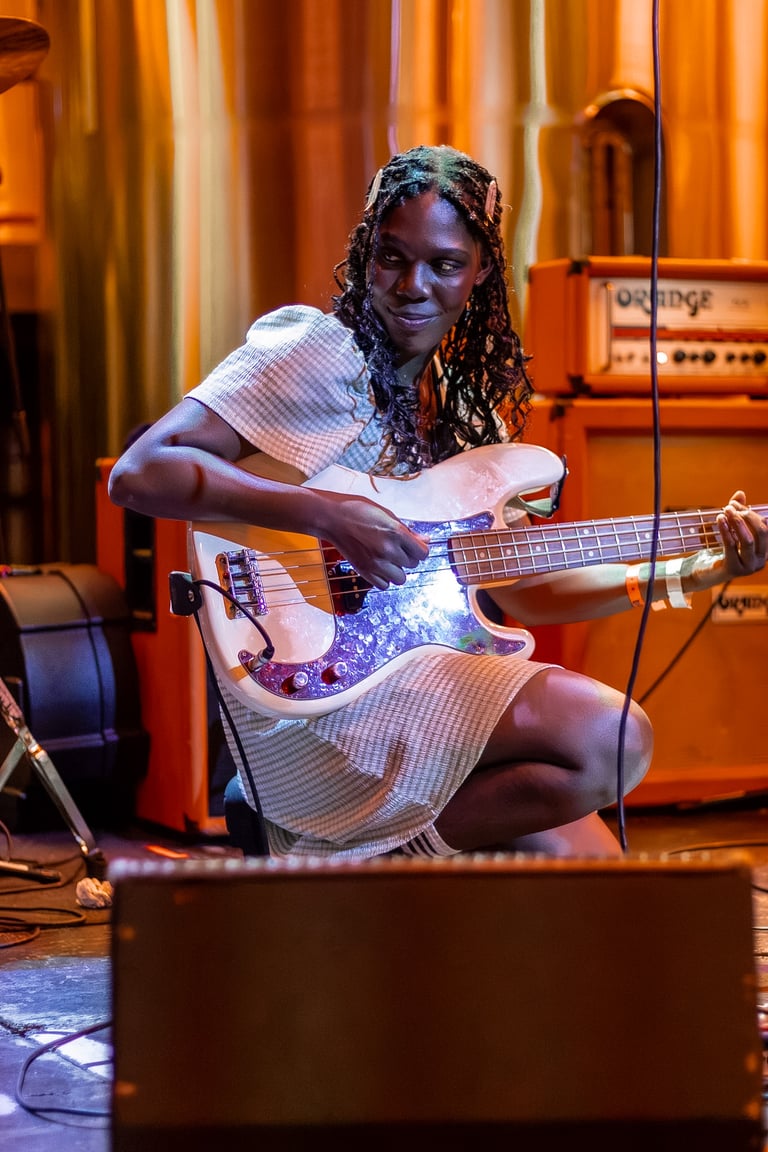
Saturday Lineup: Featured high-energy performances from Frozemode, eatboys., Uninvited, Dygora, Mashaal, and Third Kulture, pushing the boundaries of rap-punk, hyperpop, and experimental alternative rock.
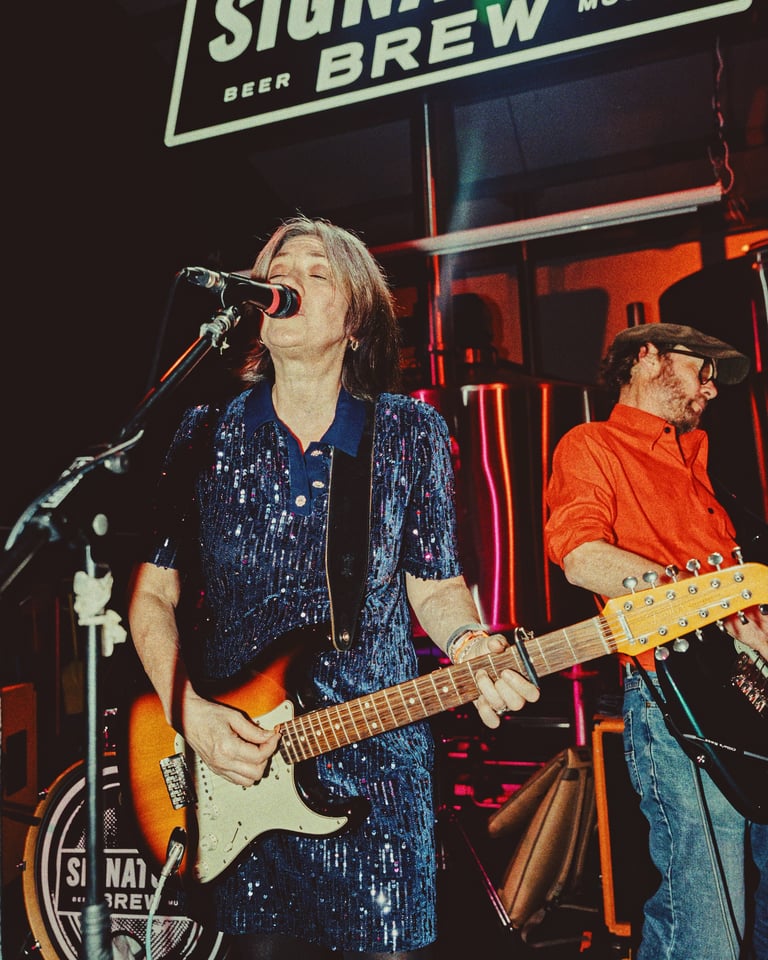
Sunday Lineup: Delivered a resonant mix of indie, post-punk, and dream-pop acts, including Silver Tabby, Baby Said, TM Distant, Hang Linton, Sacred Paws, and the acclaimed Miki Berenyi Trio.
Supporting Context & Metrics: Re-writing the Narrative of Alternative Music
To view Decolonise Fest merely as a music festival is to misunderstand its cultural function. The event is deeply rooted in socio-political theory and historical revisionism.
Historical Revisionism and the Architecture of Punk
Mainstream music history has long codified rock and roll and punk as predominantly white domains. However, cultural historians and organizers like those behind Decolonise Fest emphasize a different reality: people of colour were not late arrivals to alternative music; they were its primary architects. From pioneering proto-punk bands to the roots of garage rock, sounds and musical innovations created by musicians of colour have historically been repackaged, sanitized, and marketed primarily to white audiences.
Decolonise Fest rejects the premise of assimilation. Its ethos is built on the declaration that “we have always been here.” There is no narrative gap to be filled; rather, there is a distorted historical record that requires active restoration.
Beyond the Stage: Workshops and Political Praxis
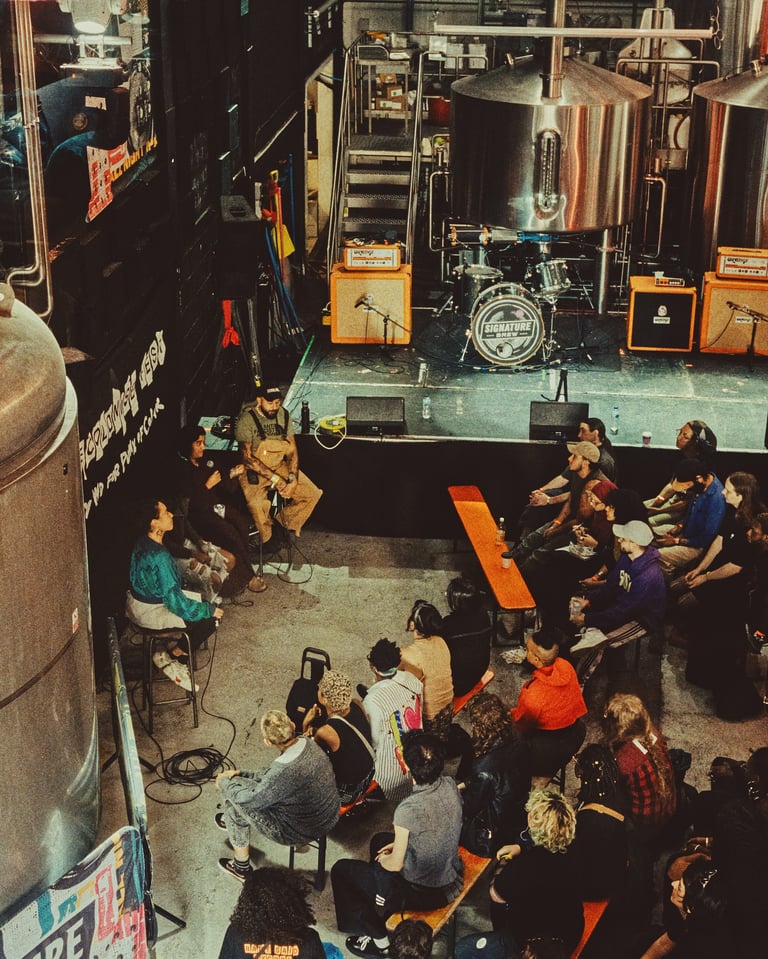
The festival’s schedule is intentionally packed with educational and community-building programming that runs parallel to the musical performances. The 2024 weekender featured:
Zine and Bell Assembly Workshops: Celebrating DIY craft traditions rooted in independent punk publishing and tangible community art.
Political Teach-Ins: Comprehensive discussions focusing on pushback against the rising far-right, abolitionist approaches to education, and indigenous land justice.
By embedding these topics directly into the weekend, Decolonise Fest bridges the gap between artistic expression and material political struggle, functioning as a nexus for anti-racist solidarity and cultural resistance.
Official Statements & Insights from the Frontlines
Between the blistering Sunday sets, co-organiser and Sunday Best vocalist Alex Ekong sat down to discuss the historical trajectory of the festival, the challenges facing underground artists, and the blueprint for building sustainable counter-institutions.
Reflecting on the motivations behind the 2017 launch, Ekong noted that people of colour in punk were routinely ignored by festival bookers.
"We were made up to address that balance," Ekong explained.
When asked about the persistence required to keep the festival running through financial crises and external hostility, Ekong pointed directly to the next generation of alternative youth:
"The pure love of providing that space for kids that were like us… young people who loved alternative music and had resigned themselves to white-dominated rooms."
Ekong offered uncompromising advice for musicians of colour entering alternative spaces:
Never Apologize:"We’re not begging for a seat at the table, because it was ours to begin with. We are creating the table, creating the space."
Foster Community:"When you see another person of colour at a show, say hello, talk, network, and keep those friendships going."
This emphasis on horizontal networking was visibly enacted during Walthamstow locals Silver Tabby’s Sunday-opening set. Delivering a set of self-described "chaotic indie rock" that blended lighthearted homages to felines with fierce calls to dismantle the patriarchy, the band unlocked an immediate sense of generational nostalgia and belonging among attendees. As one audience member remarked to their peers, the music evoked feelings of communal safety and resonance that they hadn’t experienced since youth.
Future Outlook: The Paradox of Endurance
As Decolonise Fest looks toward its milestone tenth anniversary next year, its organizers are forced to confront a complex sociological paradox.
In the wake of the global racial reckoning in 2020, major music festivals and booking agencies briefly diversified their rosters, introducing greater visibility for artists of colour. However, Ekong characterizes this post-2020 progress as both partial and circular.
"It’s a lot harder to have a conversation around decolonisation, and it’s a lot harder to have a conversation around things like defund the police, now than it was in 2020 or 2021," Ekong observed.
Despite surface-level industry diversification, a vast reservoir of exceptional talent at the grassroots DIY level remains completely underserved and under-booked by mainstream alternative institutions.
For the founders of Decolonise Fest, reaching a ten-year milestone evokes a dual sentiment. On one hand, it is a testament to the undeniable necessity of the work. On the other hand, it serves as a sobering reminder that systemic exclusion remains entrenched enough to require such autonomous interventions in the first place.
"Our festival exists for them, and finding people like them," Ekong stated, reflecting on the emerging artists yet to receive their due recognition. "Some people might feel that, because we need to continue doing something like this, the inclusion isn’t there. We still have to serve it. And while it’s disheartening to a certain extent, the fact that this festival has endured and continues to grow shows us that we need to be doing this. That this mission is important."
As long as the gatekeepers of alternative music fail to fully reckon with their own whitewashed histories, Decolonise Fest will remain an indispensable stronghold—not merely a sanctuary for punx of colour, but a living, breathing blueprint for a liberated musical future.