
Executive Overview
The landscape of music merchandise in India has long been dominated by a predictable, utilitarian catalog: standard cotton T-shirts bearing tour dates and album art, and canvas tote bags stamped with band logos. While these staples have served as the bedrock of artist-to-fan monetization for decades, they represent a largely uninspired approach to modern consumer engagement—particularly in a fast-evolving digital and youth-driven marketplace.
Breaking away from this tired mold, rising Indian boy band OutStation has partnered with the "direct-to-fan ecosystem" platform MyFandom to launch their inaugural official merchandise collection. Rather than leaning on conventional apparel, the collaboration completely eschews t-shirts and totes in favor of hyper-targeted, lifestyle-oriented collectibles and functional items. Conceptualized specifically for the band’s core demographic—a young, predominantly female fanbase affectionately known as "Passengers"—the collection bridges the gap between everyday utility and high-affinity fandom memorabilia.
Comprising a thoughtfully curated water bottle and two distinct "fanboxes" titled the "Back to School" box and the "Super Collector’s" box, the drop reflects a nuanced understanding of modern fan psychology. Furthermore, the pricing strategy defies industry norms. While traditional band t-shirts in India typically command around Rs1,500 ($15.70), OutStation’s items are priced accessibly at Rs500 ($5.25) for the water bottle and Rs1,000 ($10.50) each for the fanboxes.
This strategic move not only democratizes access for a younger, school- and university-aged audience but also signals a major shift in how independent and pop acts in South Asia can leverage direct-to-fan platforms to build sustainable, community-first revenue streams.
Detailed Chronology: The Genesis of the OutStation x MyFandom Partnership
The Rise of OutStation and the "Passenger" Community
To understand the significance of this merchandise drop, one must examine the meteoric trajectory of OutStation. Emerging within India’s burgeoning pop and vocal group scene, the band quickly cultivated a dedicated digital following. Unlike traditional rock or indie bands that historically targeted older, gig-going demographics, OutStation captured the imagination of Gen Z and younger millennial listeners.
As their community grew, the band formalized their relationship with their followers by naming them "Passengers"—a thematic nod to journeys, movement, and growth. This community-first nomenclature wasn’t just branding; it established a cultural inside-joke and a shared identity among fans. However, as the fanbase scaled, the band faced a classic modern dilemma: how to translate digital streams and social media engagement into tangible, physical connections that resonate with a young, predominantly female demographic.
The Collaboration with MyFandom
Enter MyFandom, a specialized "direct-to-fan ecosystem" designed to help creators bypass legacy retail bottlenecks and forge direct economic relationships with their audiences. Recognizing the untapped potential of OutStation’s demographic, MyFandom approached the band with a brief centered on personalization and utility.
Instead of treating merchandise as an afterthought—a generic logo slapped onto a bulk-ordered textile—the partners spent months analyzing fan data, social media interactions, and demographic profiles. The goal was to design products that "Passengers" would actually use in their daily lives, transforming mundane school and lifestyle items into prized badges of fandom honor.
Conceptualization and the Shayan Pattem Factor
The creative direction of the collection was heavily influenced by the real lives of the band members, most notably their youngest member, Shayan Pattem. As Pattem navigates the final stretch of completing high school, the band realized that a vast majority of their core supporters were sharing a similar lived experience—juggling academics, youthful aspirations, and a deep, emotional investment in pop music.
This shared reality birthed the conceptual anchor of the collection: the "Back to School" theme. By tying the merchandise drop to the academic calendar and the relatable milestone of high school life, OutStation effectively humanized themselves. The partnership culminated in the final product lineup, meticulously manufactured and distributed through MyFandom’s specialized logistics network, rolling out to eager fans across India.
Supporting Context & Metrics: Decoding the Economics of Indian Music Merch
The Traditional Merch Bottleneck in South Asia
For years, the Indian music merchandise market suffered from structural inefficiencies. Historically, Western markets relied heavily on live concert revenue and physical merch booths to sustain touring acts. In India, where live infrastructure outside of major metropolitan festivals is still maturing, merch has traditionally been an afterthought.
Independent artists and bands typically outsourced merch creation to third-party screen-printers, resulting in high production minimums, inconsistent sizing, and uninspired designs. The standard offering—a black cotton t-shirt priced at Rs1,200 to Rs2,000—often alienated younger fans who lacked disposable income or had little use for heavy streetwear in India’s tropical climate.
Demographic Realities: The Power of the Young Female Consumer
OutStation’s strategic pivot acknowledges a global truth that has taken root in South Asia: young female fans are the lifeblood of modern pop music economies. From the global dominance of K-pop fandoms to the fervent communities surrounding Western pop stars, female youth demographics drive physical sales, streaming metrics, and community engagement.

However, young female fans in India—many of whom are in middle school, high school, or early college—frequently face spending constraints. By intentionally bypassing Rs1,500 t-shirts and introducing items priced at Rs500 and Rs1,000, OutStation and MyFandom have unlocked a previously underserved segment of the market. This lower barrier to entry encourages higher volume sales while fostering fierce brand loyalty among young consumers who finally feel seen by their idols.
Anatomy of the Collection: What’s Inside the Box?
The product architecture of the OutStation drop is a masterclass in modern merchandising:
- The Branded Water Bottle (Rs500 / ~$5.25): A functional, daily-use lifestyle item designed to be carried to school, college, or rehearsals. It serves as a subtle, aesthetic marker of fandom in public spaces.
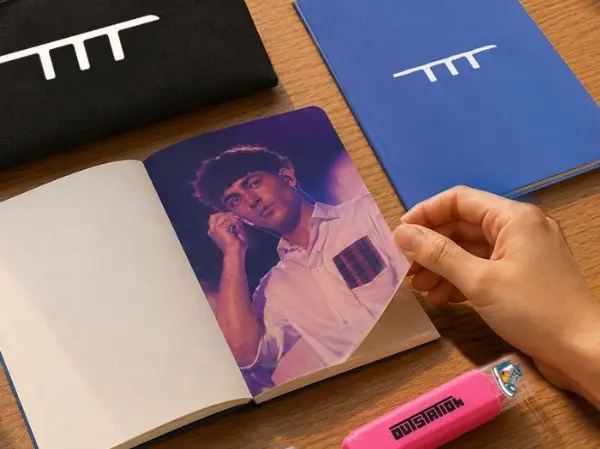
- The "Back to School" Fanbox (Rs1,000 / ~$10.50): Tailored directly to the student demographic. It includes a custom-designed notebook embedded with exclusive photo cards of the band members, a matching pencil pouch, and a thematic highlighter. This kit directly integrates into the daily routines of "Passengers."
- The "Super Collector’s" Fanbox (Rs1,000 / ~$10.50): Designed for the hardcore completionist fan. It bundles an A3-size poster for bedroom display, a durable keychain, a metallic sticker pack for personalizing laptops or phone cases, and a trendy hairclip that aligns with current Gen Z fashion trends.
Official Statements and Industry Insights
The philosophy driving this collaboration was highlighted in statements shared by the vocal group and industry analysts monitoring the shift in direct-to-fan commerce.
Reflecting on the emotional core of the launch, the members of OutStation emphasized the personal connection behind the product selection:
"The Back-to-School collection is especially close to our hearts, largely because our youngest member, Shayan Pattem, is completing high school. We wanted to create items that reflect our actual lives and the everyday experiences of our fans, rather than just putting our logo on random objects."
MyFandom representatives noted that the collaboration serves as a blueprint for future artist rollouts in the region:
"Combining functional products with collectible pieces that reflect the band’s personality and visual identity is the future of fan engagement. When you align merchandise with the actual demographics and daily habits of the community—in this case, young ‘Passengers’—purchasing merch transforms from a transaction into an act of community participation."
Retail analysts point out that this campaign marks a maturation in how South Asian creators view intellectual property. Instead of relying on passive monetization models like ad-supported streaming, artists are increasingly looking to physical goods as emotional touchstones that fortify the parasocial bond between creator and consumer.
Future Outlook: The Next Frontier for Direct-to-Fan Commerce in India
As OutStation’s inaugural merchandise collection reaches the hands of "Passengers" across the country, the ripple effects are already being felt within the broader Indian independent music ecosystem. Several key trends are expected to emerge from this case study in the coming years:
1. Hyper-Niche Product Development
The success of the "Back to School" box proves that fans value contextual relevance over generic branding. Future merchandise drops from Indian artists are expected to move further away from standard apparel and lean heavily into localized, lifestyle-specific items—ranging from tech accessories and stationery to custom homeware and beauty collaborations.
2. The Rise of Ecosystem-Driven Commerce
Platforms like MyFandom are rewriting the infrastructure rules for independent acts. By handling the logistical complexities of manufacturing, digital storefronts, and targeted fulfillment, these ecosystems enable artists to focus entirely on creative concepts. As these platforms scale, expect to see more genre-diverse acts—from indie-pop singers to electronic producers—adopting localized fanbox strategies.
3. Generational Shifts in Fan Monetization
As Gen Z consumers mature into young professionals with greater disposable income, the habits formed through affordable, community-centric purchases like OutStation’s Rs500 water bottles will evolve. Early brand affinity built during high school years creates lifelong consumers who will continue to support artists through high-end vinyl releases, VIP concert experiences, and premium collector editions.
Ultimately, OutStation and MyFandom have demonstrated that innovation in the music industry doesn’t always require cutting-edge technology; sometimes, it simply requires listening closely to your audience, respecting their economic realities, and reimagining what it means to bring a piece of your favorite band home.