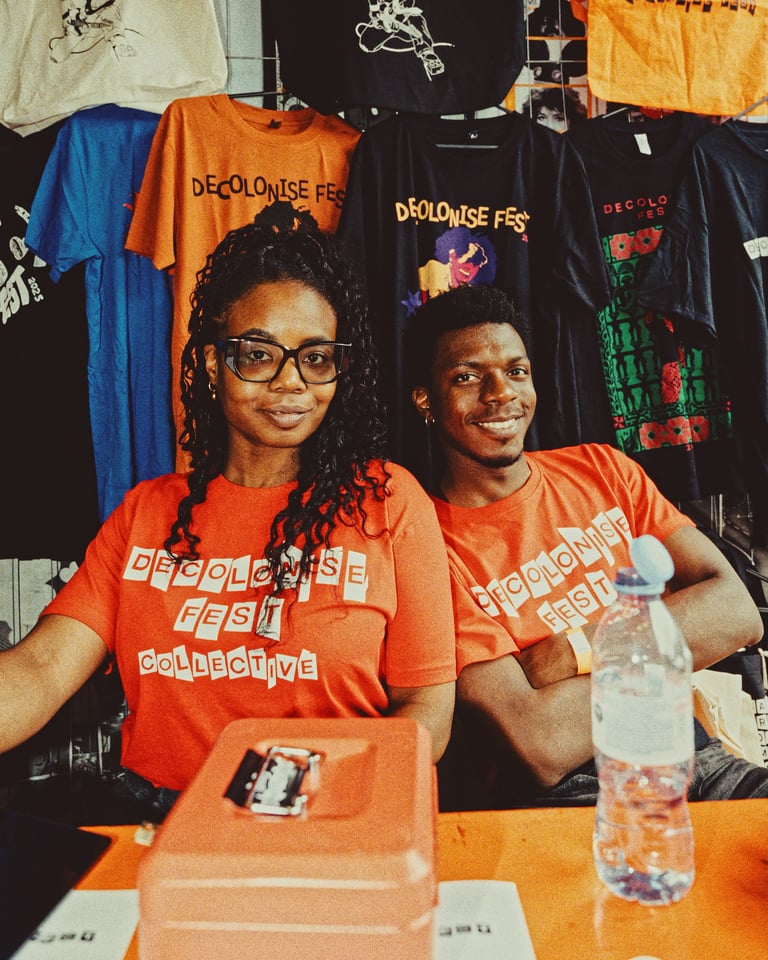
For nearly a decade, Decolonise Fest has operated as a vital, unapologetic counterweight to the whitewashed narratives that have long dominated alternative and punk music. Launched in 2017 by Big Joanie guitarist and writer Stephanie Phillips alongside the DIY Diaspora Punx Collective, the festival was born from a glaring institutional void: the systemic exclusion and erasure of people of colour (POC) within underground music scenes.
What began as a localized response to festival line-ups dominated by white acts has transformed into a resilient cultural institution. Tracing its trajectory through national tours, pandemic-era virtual editions, and near-bankruptcy, Decolonise Fest has continually put the threat—and the politics—back into punk.
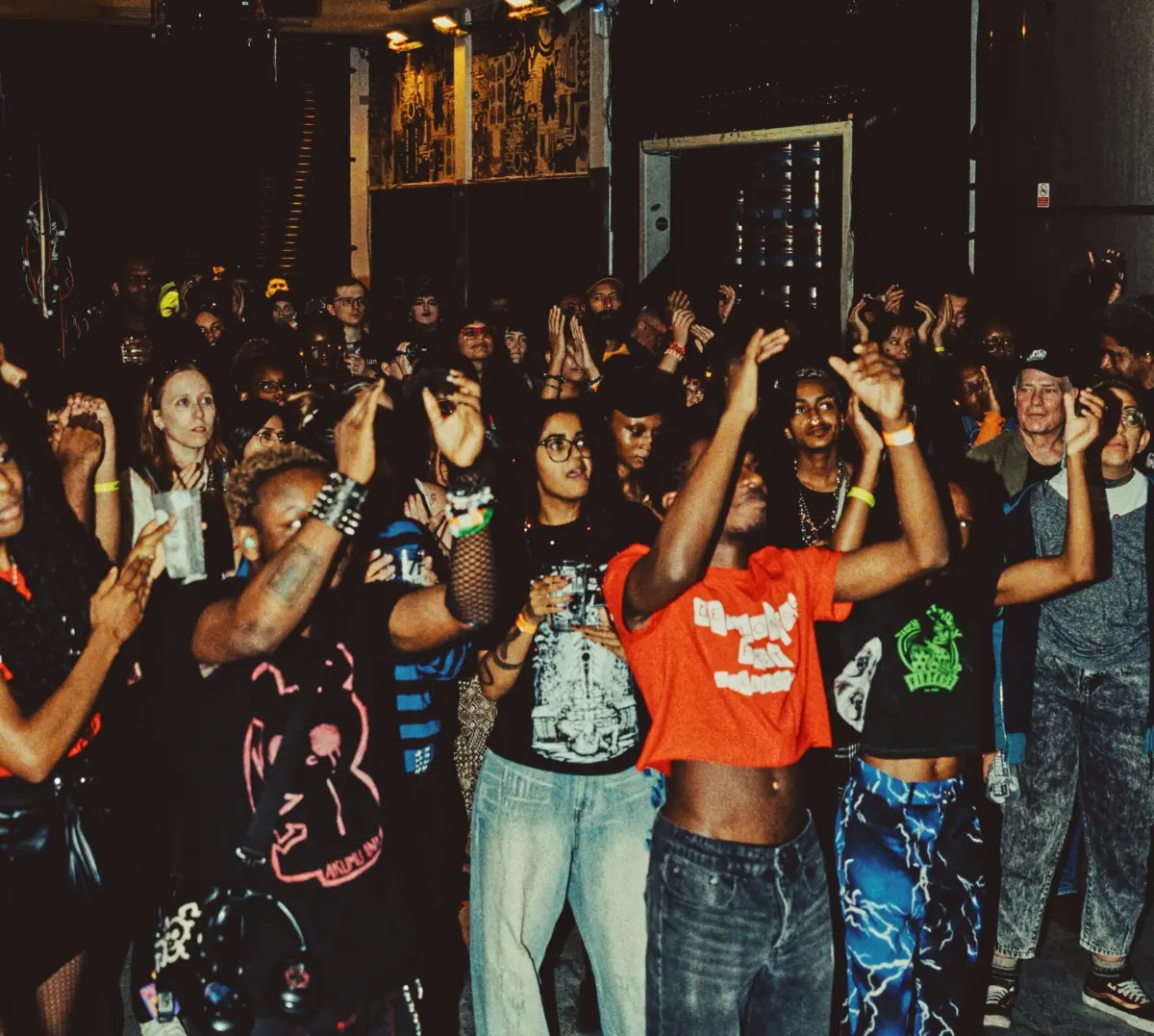
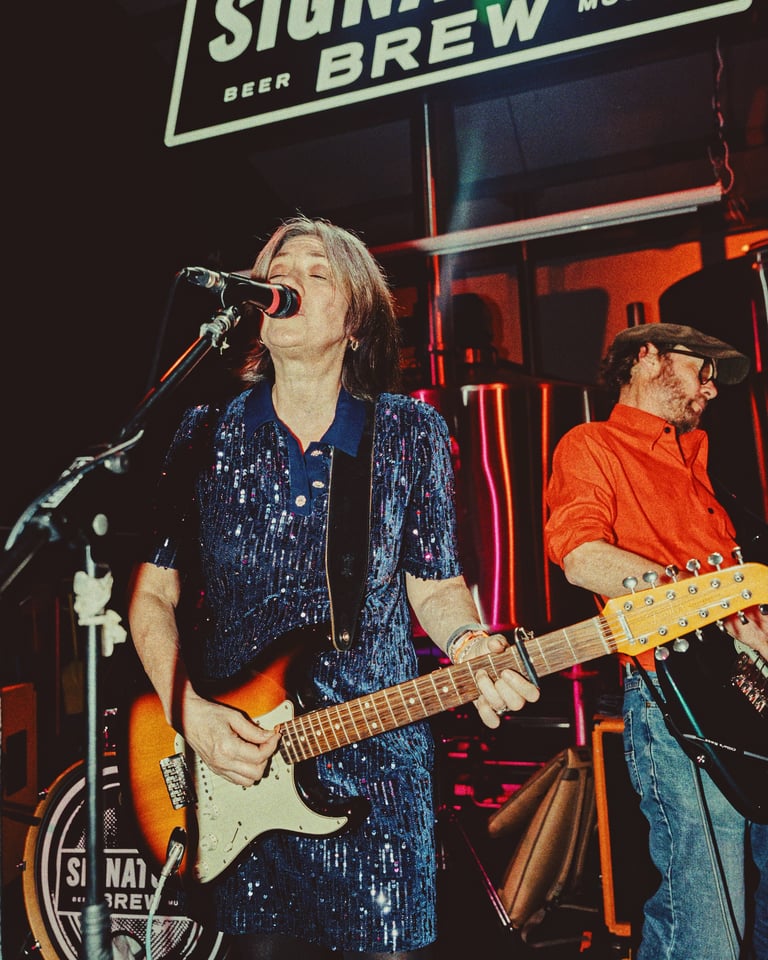
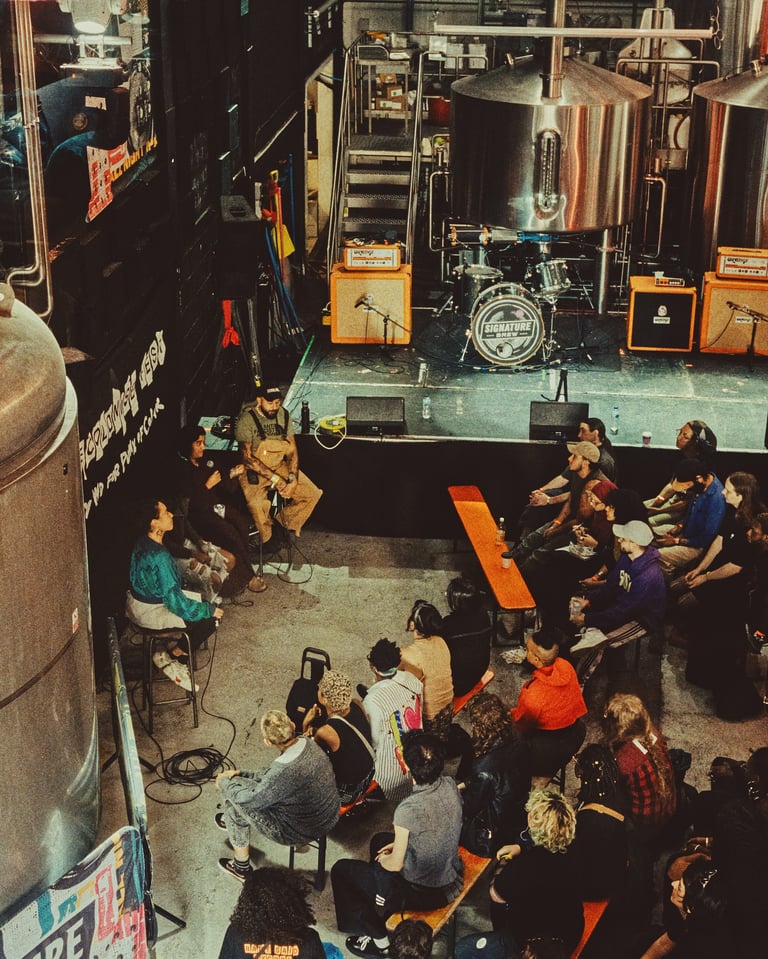
Holding its ninth edition as a two-day weekender at Signature Brew Blackhorse Road in North London, the festival proved that its mission is as urgent as ever. Beyond the searing guitar riffs, cathartic vocals, and dynamic performances by artists like the Miki Berenyi Trio, Silver Tabby, and Sacred Paws, the event functioned as a living political hub. With workshops on zine-making, land justice, and anti-fascist organizing, Decolonise Fest rejects the premise that people of colour are newcomers begging for a seat at a pre-existing table. Instead, it asserts a foundational truth: punx of colour were the architects of alternative music all along, and the festival’s work is not about filling a gap, but restoring the historical record.
Detailed Chronology: From 2017 Origins to the Ninth Edition
The Genesis (2017)
In 2017, the alternative music landscape in the United Kingdom—and globally—was starkly homogeneous. Major festival line-ups and independent venue rosters routinely overlooked musicians of colour, particularly those working within the heavier, abrasive margins of punk, hardcore, and experimental rock. Recognizing that traditional spaces were failing to represent the true demographics of the genre’s creators and fans, Stephanie Phillips and the DIY Diaspora Punx Collective launched Decolonise Fest.
From its inception, the festival established a clear, uncompromising manifesto. It aimed to provide a physical and psychological sanctuary—a space explicitly "by and for punx of colour." Crucially, the collective set strict boundaries regarding discourse on race. As stated in their founding principles, discussions on racism within the festival would never center whiteness or cater to white comfort. The declaration of "No white tears" signaled a definitive shift away from assimilationist politics and toward radical, self-determined community building.
Evolution, Resilience, and Expansion
Over the years, Decolonise Fest expanded its geographical and cultural footprint. It evolved from a single-city event into a national movement, taking its platform on tour to cities like Glasgow, Birmingham, and Leeds. When the COVID-19 pandemic paralyzed the live music industry in 2020, the collective pivoted seamlessly, mounting a robust virtual edition to maintain international connectivity and community solidarity.
The path, however, has not been without significant hurdles. The collective has weathered severe challenges, including the closure of its original DIY sanctuary during pandemic lockdowns, hostile scrutiny from right-wing media outlets, venue losses, and a brush with near-bankruptcy. Yet, driven by what co-organiser Alex Ekong describes as "the pure love of providing that space for kids that were like us," the festival persevered.
The Ninth Edition at Signature Brew Blackhorse Road
For its ninth iteration, Decolonise Fest descended upon Signature Brew Blackhorse Road in North London for a sprawling two-day weekender. The lineup showcased the breadth and diversity of the modern alternative underground, proving that punk is not a monolith.
Saturday’s Lineup: The festival’s first day set a high-energy benchmark with performances from Frozemode, eatboys., Uninvited, Dygora, Mashaal, and Third Kulture. These acts bridged genres ranging from abrasive punk to electronic-infused experimentalism, keeping the crowd locked in a state of kinetic engagement.
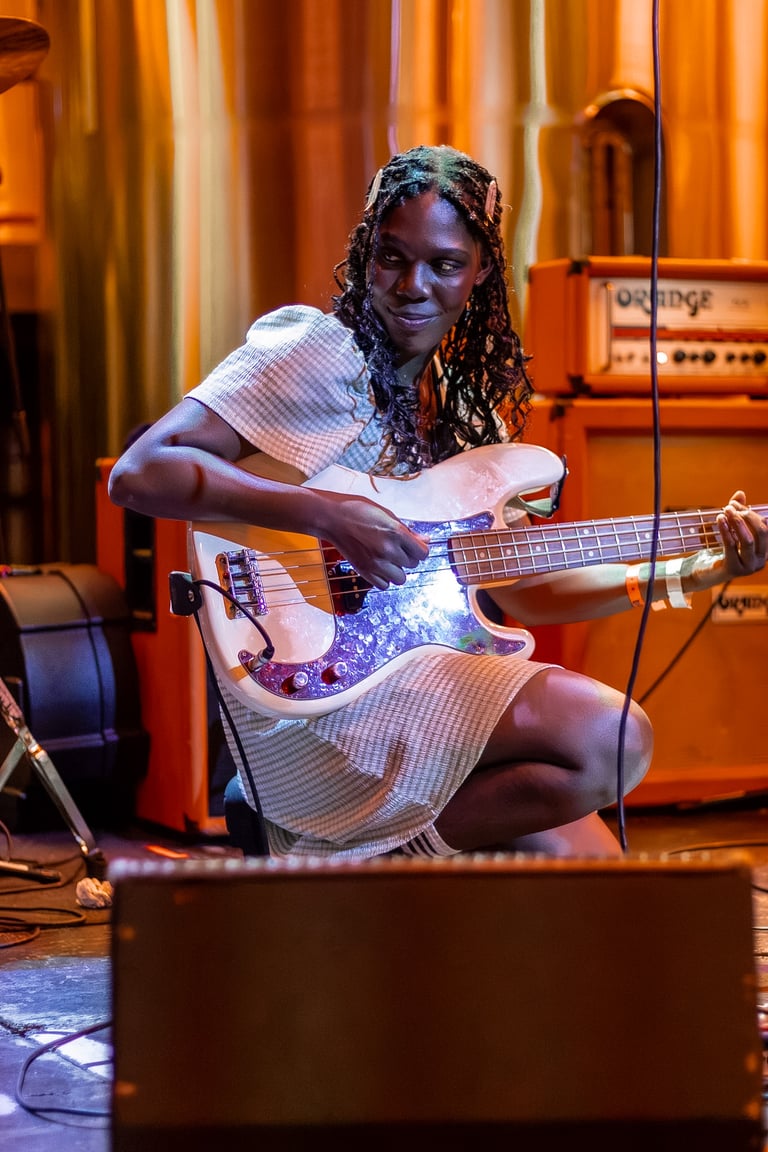
Sunday’s Lineup: Opening the second day were Walthamstow locals Silver Tabby, whose self-described "chaotic indie rock" and sharp social commentary—balancing an affinity for cats with calls to dismantle the patriarchy—immediately fostered an atmosphere of communal intimacy. Subsequent sets by alt-rock outfit Baby Said and experimentalists TM Distant injected a searing, cathartic voltage into the venue. The evening featured the dreamy, trancelike poise of the Miki Berenyi Trio and an indie-pop swing from Sacred Paws, whose guitarist and vocalist Ray Aggs delivered a masterclass in community dedication by spending their morning repairing equipment just to ensure the set went off without a hitch.
Supporting Context & Metrics: Reclaiming Musical History
To frame Decolonise Fest merely as a corrective intervention or a diversity initiative is to fundamentally misunderstand its historical premise. Rock and roll, punk, and their various alternative offshoots were fundamentally engineered by people of colour. Figures like Sister Rosetta Tharpe, Bad Brains, and Death laid the foundational blueprints of these genres, only for the music industry to routinely repackage, sanitize, and market these sonic innovations for white audiences.
Decolonise Fest operates on the philosophical assertion of "we have always been here." This is not a plea for inclusion in a pre-written history; it is an unmasking of historical omission.
The Political Engine: Workshops and Teach-Ins
Music was only one facet of the weekend. Decolonise Fest integrated its political philosophy directly into its schedule through a robust slate of workshops and panel discussions. Attendees participated in zine-making and bell-assembly workshops, while deep-dive panels tackled pressing systemic issues:
Anti-Fascism: Pushing back against the rising tide of far-right movements within local and national politics.
Abolitionist Education: Re-imagining learning structures outside of punitive, carceral frameworks.
Land Justice: Examining indigenous land rights, property ownership, and ecological equity.
By fusing direct action education with high-octane live music, the festival maintains the radical, anti-authoritarian spirit that originally defined early punk before it was commercialized by corporate interests.
Official Statements & Insider Perspectives
Between the thunderous Sunday sets, [Publication Name] sat down with Decolonise Fest co-organiser and Sunday Best vocalist Alex Ekong. In a wide-ranging conversation, Ekong reflected on the festival’s origins, its turbulent history, and the absolute necessity of maintaining independent spaces for artists of colour.
"In 2017, people of colour in punk and alternative music were not getting the play or respect on festival line-ups that they deserved," Ekong explained, detailing the initial motivation behind the project. "The festival was made up to address that balance."
When asked about the secret to the festival’s survival through venue closures, financial crises, and partisan press attacks, Ekong pointed directly to the next generation:
"Our festival exists for them, and finding people like them. Some people might feel that, because we need to continue doing something like this, the inclusion isn’t there. We still have to serve it. And while it’s disheartening to a certain extent, the fact that this festival has endured and continues to grow shows us that we need to be doing this. That this mission is important."
Ekong offered direct, uncompromising advice for young artists of colour navigating predominantly white alternative spaces:
Never Apologize:"We’re not begging for a seat at the table, because it was ours to begin with. We are creating the table, creating the space."
Build Community:"When you see another person of colour at a show, say hello, talk, network, and keep those friendships going."
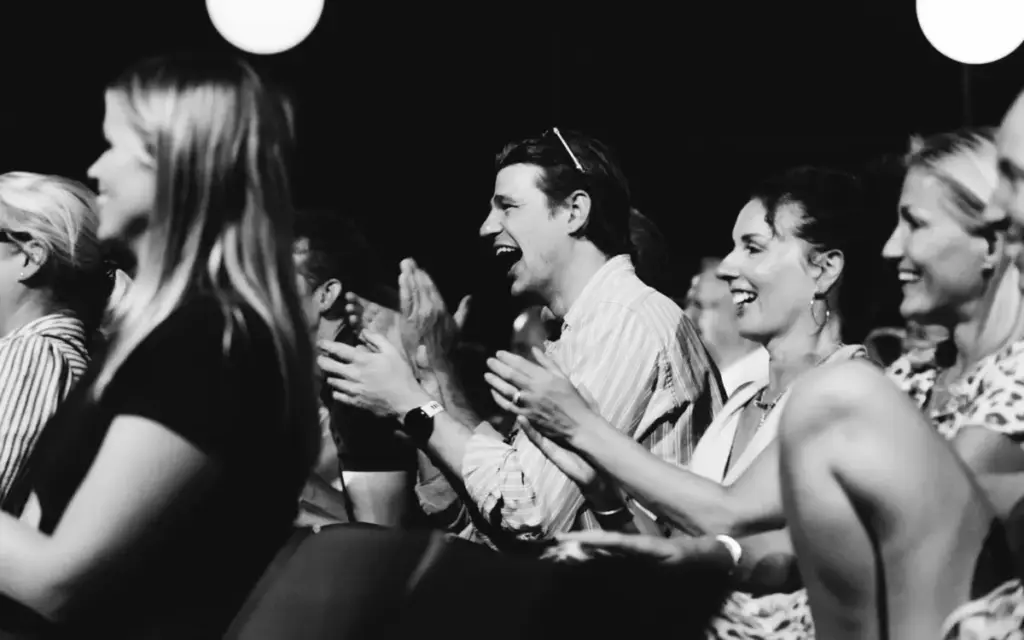
This ethos was visibly enacted throughout the weekend. Observing the crowd during Silver Tabby’s set, attendees spoke openly about experiencing a sense of musical freedom and emotional resonance they hadn’t felt since youth—free from the subtle microaggressions or alienating isolation often experienced in mainstream, white-dominated music venues.
Future Outlook: The Road to the Tenth Anniversary
As Decolonise Fest looks toward its landmark tenth anniversary next year, the mood among organizers and attendees is a complex mixture of celebratory triumph and sobering reflection.
In the wake of the global racial justice reckonings of 2020, many mainstream festivals and booking agencies superficially diversified their rosters, briefly introducing a wave of bands of colour to their bills. However, Ekong notes that this progress has proven to be largely partial and cyclical.
"It’s a lot harder to have a conversation around decolonisation, and it’s a lot harder to have a conversation around things like defund the police, now than it was in 2020 or 2021," Ekong observed. He points out that despite surface-level industry changes, an immense volume of exceptional talent at the DIY level remains completely underserved and systematically under-booked by mainstream promoters.
The longevity of Decolonise Fest is thus bittersweet. On one hand, its decade-long survival is a testament to the unyielding power of grassroots organizing, community solidarity, and artistic excellence. On the other hand, the enduring necessity of the festival highlights how much structural work remains undone within the broader music industry.
As long as alternative scenes require safe havens to shield musicians and fans of colour from institutional neglect and systemic racism, Decolonise Fest will remain an indispensable pillar of the underground. By refusing to compromise, refusing to center white comfort, and consistently putting the threat back into punk, Decolonise Fest is not just carving out a corner of the music world—it is reclaiming the whole map.