
Executive Overview
For decades, music educators have faced a persistent pedagogical paradox: while sight-reading proficiency is universally acknowledged as the cornerstone of independent musicianship, the tools available to teach it have remained fundamentally constrained. Strong sight readers progress through repertoires exponentially faster, navigate rehearsals with optimal efficiency, and enter high-stakes festival evaluations with poise rather than anxiety. More importantly, independent music reading serves as the vital bridge keeping students engaged in active music-making long after they leave formal academic environments—whether in community bands, sacred choirs, or informal ensemble jams.
The traditional bottleneck has never been a lack of instructional will, but rather a severe structural limitation of physical print. Standard method books contain a finite number of exercises. Once a student plays through a specific page a few times, cognitive reading is inevitably replaced by tactile and auditory memorization. To combat this, educators have historically spent countless hours manually drafting, transposing, photocopying, and curating supplementary sight-reading materials tailored to specific curriculum milestones.
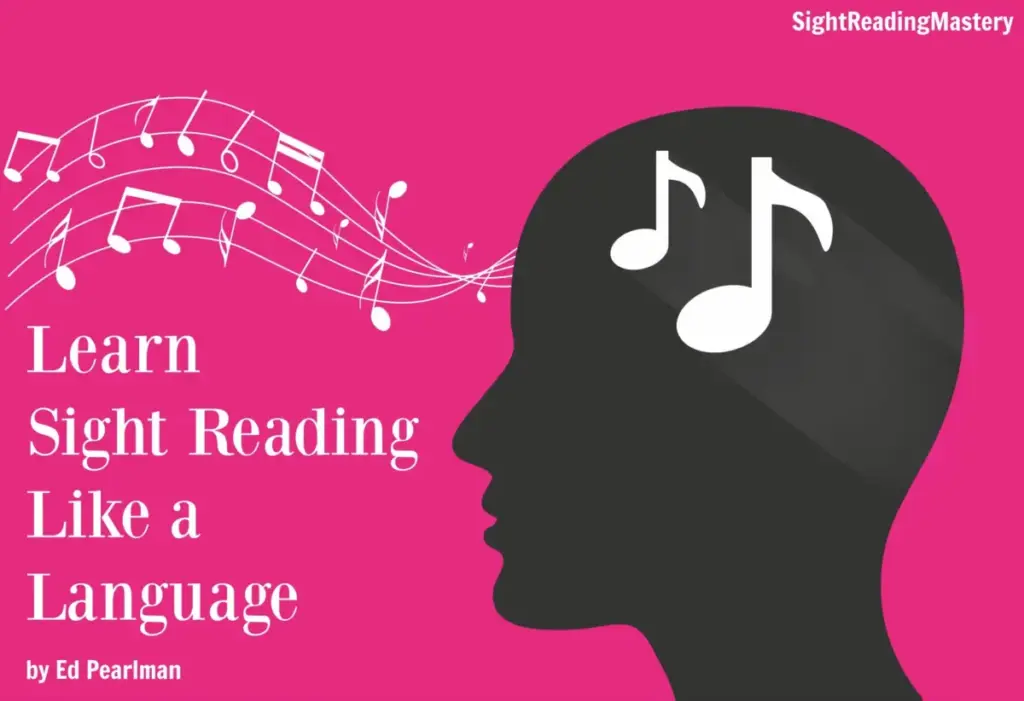
Enter MakeMusic’s latest innovation: Correlated Sight Reading Generators. Integrated directly into the MakeMusic Cloud ecosystem via the Sight Reading Studio platform, these pre-built, curriculum-aligned templates offer an infinite stream of fresh, leveled sight-reading exercises that map lesson-by-lesson to widely used instructional method books. By automating the generation of pedagogically sound, unseen material, this technology promises to reclaim hundreds of hours of prep time for educators while fundamentally transforming how students develop fluency, confidence, and musical independence.
Detailed Chronology: The Evolution of Sight-Reading Pedagogy and Technological Intervention
To understand the profound impact of MakeMusic’s new generators, it is necessary to examine the chronological progression of sight-reading instruction and the compounding challenges teachers have faced in the digital age.
The Eras of Static Print and Manual Curation
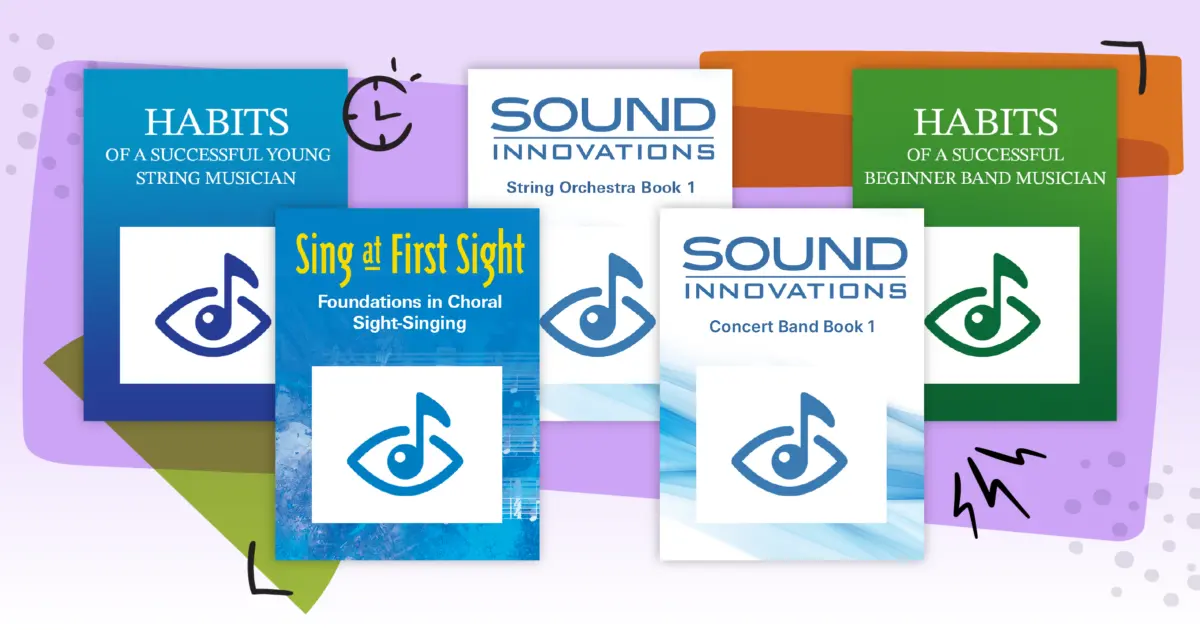
- The Mid-to-Late 20th Century: Music education relied almost exclusively on printed method books (e.g., Essential Elements, Standard of Excellence, Sound Innovations). While these volumes provided robust foundational instruction, their sight-reading components were static. Teachers quickly learned that students would memorize exercises within days, rendering subsequent attempts useless for genuine sight-reading assessments.
- The Photocopy and Hand-Drafting Era: To bridge the gap, generations of music directors spent their evenings manually writing exercises on staff paper or clipping snippets from various pedagogical texts. With the advent of early notation software in the 1990s and 2000s, educators began drafting custom exercises digitally—a labor-intensive process that still required hours of weekly curation to match specific curriculum pacing.
- The Digital Shift and Early Software Solutions: Digital learning platforms began digitizing sheet music, but early iterations still treated sight-reading as a static library. Teachers had to hunt through databases to find pieces that roughly matched a student’s current ability, often discovering that the vocabulary (rhythms, key signatures, ranges) did not align with their active classroom syllabus.
The Development of Sight Reading Studio
Recognizing the friction inherent in static resources, MakeMusic originally introduced Sight Reading Studio to provide customized, algorithmically generated sight-reading exercises. While powerful, these early iterations required teachers to manually configure parameters—such as time signatures, key centers, rhythmic complexity, and note ranges—to match their curriculum.
While vastly superior to static books, this manual configuration still imposed a cognitive and time-budget burden on busy directors. Teachers needed a bridge: a system where the software inherently understood the exact pedagogical sequence of the method books they were already using in their classrooms.
The Launch of Correlated Sight Reading Generators
The culmination of years of educator feedback and software refinement, MakeMusic’s new correlated templates bridge the gap between structured method books and limitless algorithmic generation. By mapping directly to established curricula, these templates remove the guesswork. Educators no longer need to translate a lesson’s conceptual goals into software parameters; they simply select their active method book, navigate to the current lesson, and instantly deploy an endless series of fresh, contextually accurate sight-reading exercises.
Supporting Context & Metrics: The Pedagogy of Sight Reading and Teacher Burnout
The Cognitive Science of Sight Reading
Cognitive psychologists and music educators agree that true sight reading is an act of proactive visual processing, pattern recognition, and anticipatory motor execution. When a student encounters a piece of music for the first time, their brain must rapidly decode pitch symbols, rhythmic durations, articulation markings, and structural phrasing while simultaneously mapping those visual cues to physical instrument mechanics.
When students play from familiar pages, this complex cognitive loop is short-circuited. The brain relies on episodic memory rather than real-time decoding. Consequently, the neurological pathways responsible for sight-reading fluency fail to strengthen.
Research indicates that exposure to novel, appropriately graded stimuli—often referred to in educational theory as "comprehensible input"—is essential for accelerated skill acquisition. By providing an infinite volume of fresh exercises restricted to the exact subset of notes, rhythms, and technical skills mastered up to a specific lesson, MakeMusic’s generators optimize the cognitive load, ensuring students practice reading rather than recalling.
The Administrative Burden on Music Educators
Music educators wear an extraordinary number of hats: conductor, administrator, logistics coordinator, counselor, and instructional designer. According to industry surveys and educator forums, preparation and grading consume upwards of 15 to 20 hours of unpaid time per week outside of direct student contact.
Within that prep window, curating supplementary materials—particularly differentiated sight-reading content for multi-level ensembles—represents a disproportionate share of labor. A middle school band director managing three grade levels and upwards of 150 students might spend hours every week searching for, formatting, and distributing appropriate sight-reading examples.
By eliminating this administrative overhead, Correlated Sight Reading Generators directly address a primary driver of teacher burnout. When lesson planning becomes frictionless, educators can redirect their finite energy toward high-impact pedagogical interactions, ensemble artistry, and direct student mentorship.
Official Statements and Industry Insights
In statements accompanying the release of the correlated sight-reading tools, curriculum specialists and product developers at MakeMusic emphasized the philosophical shift underpinning the software design.
"We didn’t set out to replace method books; we set out to fulfill their ultimate promise," noted a lead product strategist for MakeMusic Cloud. "Method books provide an exceptional, carefully sequenced roadmap for musical development. The flaw has always been their physical boundary. Once a student finishes a page, the pedagogical value of that specific exercise for sight reading drops to zero. With our new correlated templates, we are essentially giving every method book an infinite number of pages."
Pedagogical consultants within the music education community have similarly lauded the integration of the tool into daily workflows. Dr. Elena Vance, a nationally recognized instrumental music clinician, highlighted the psychological benefits for students entering competitive and festival environments:
"Dread in the sight-reading room stems almost entirely from the fear of the unknown, born out of inadequate practice with genuinely unseen material. When students use these generators regularly at home and in class, the psychological barrier crumbles. They realize that a new piece of music is simply a puzzle they already possess the tools to solve. Confidence replaces anxiety, and performance scores rise naturally as a byproduct of authentic skill mastery."
Furthermore, early adopter educators have reported immediate qualitative improvements in rehearsal efficiency. Directors note that ensembles utilizing daily generated sight-reading warm-ups spend significantly less time learning standard concert literature by rote, as students develop the autonomy to decode their individual parts independently during initial sight-reading read-throughs.
Future Outlook: The Next Horizon in Digital Music Education
The launch of Correlated Sight Reading Generators marks a significant milestone in the evolution of computer-assisted music instruction, but industry analysts suggest it is merely a precursor to deeper technological integration.
Adaptive Learning and Artificial Intelligence
As algorithmic infrastructure matures, future iterations of MakeMusic Cloud are expected to incorporate adaptive machine learning models. Rather than relying solely on static lesson correlations, next-generation generators could dynamically analyze an individual student’s performance data—identifying specific rhythmic inaccuracies, pitch tendencies, or hesitation patterns—and auto-generate custom remedial sight-reading exercises targeting those precise weaknesses in real time.
Expanded Curricular Ecosystems
While current releases focus on cornerstone instructional methods, the framework is designed for scalability. Future updates will likely expand to encompass niche instrumental methods, advanced jazz curricula, vocal and choral sight-singing systems (such as advanced Solfège and movable-do frameworks), and international pedagogical traditions. This expansion will solidify digital platforms as universal clearinghouses for differentiated music instruction.
Lifelong Musical Engagement
Ultimately, the grand trajectory of tools like MakeMusic’s sight-reading generators points toward a more musically literate society. By lowering the barrier to entry for fluent reading and removing the administrative friction that prevents teachers from prioritizing sight-reading instruction, the industry is fostering a generation of students equipped for lifelong participation in the arts. Whether performing in a collegiate symphony, leading a church choir, or improvising in a weekend garage band, these musicians carry the ultimate portable skill: the ability to bring any page of music to life on sight.
Getting Started: Implementation Guide for Educators
For music educators eager to integrate Correlated Sight Reading Generators into their current instructional cadence, the process is streamlined for immediate classroom deployment:
- Access the Platform: Log in to the MakeMusic Cloud dashboard using institutional or individual credentials.
- Navigate to the Resource Library: Explore the dedicated Correlated Sight Reading Templates section within the Sight Reading Studio interface.
- Select Your Curriculum: Locate the specific method book series currently utilized in your classroom.
- Align with Current Lessons: Jump directly to the exact lesson or page your ensemble is currently studying.
- Generate and Deploy: Click generate to instantly produce a pristine, pedagogically aligned sight-reading exercise. Project it onto the classroom board for ensemble sight-reading warm-ups, or assign it digitally to students for individualized at-home practice.
By transforming preparation fatigue into seamless instructional flow, MakeMusic’s latest innovation ensures that both teachers and students can focus on what matters most: the joy of making music.