
Executive Overview
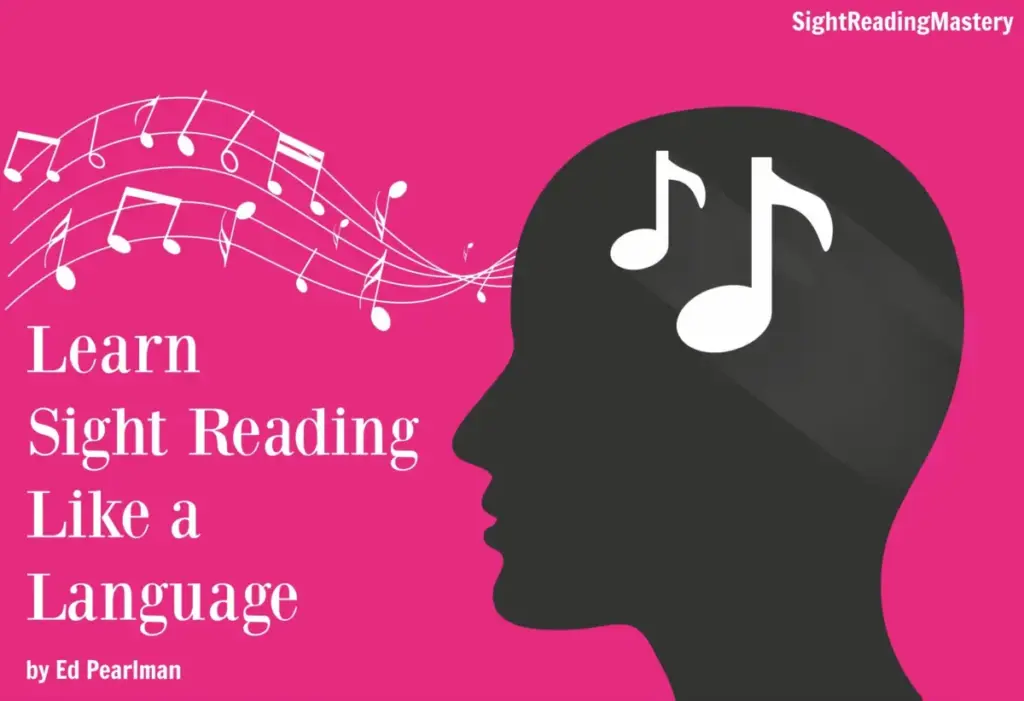
In the landscape of instrumental and vocal music education, few skills are as universally acknowledged as vital—and as notoriously difficult to teach consistently—as sight reading. Educators have long understood that strong sight readers progress through repertoires at an accelerated pace, navigate rehearsals with heightened efficiency, and approach adjudicated festivals and assessments with quiet self-assurance rather than palpable anxiety. More importantly, independent music literacy serves as the foundational bridge that enables students to sustain a lifelong relationship with music long after they have graduated from formal classroom settings. Whether participating in a regional community band, a Sunday morning church choir, or an informal garage jam session with peers, the ability to independently decipher uncharted notation dictates whether a student remains an active musician or hangs up their instrument for good.
Yet, a persistent pedagogical bottleneck has plagued music classrooms for decades: true sight reading development strictly demands continuous, unrepeated exposure to novel musical material. Traditional method books, while structurally sound and pedagogically rigorous, possess finite physical pages. Once a student plays or sings through a specific exercise two or three times, cognitive recognition is bypassed; the student stops actively decoding individual notes and rhythms and instead relies entirely on auditory or kinesthetic memory.
To bridge this critical gap between the demand for fresh pedagogical material and the realities of limited educator bandwidth, MakeMusic has officially unveiled its new suite of correlated sight reading templates. Designed to integrate directly with the MakeMusic Cloud platform and align seamlessly with some of the most widely adopted pedagogical method books in the industry, these innovative tools offer an infinite stream of contextually relevant, leveled sight reading exercises. By bridging the gap between existing curriculum structures and dynamic content generation, MakeMusic is poised to fundamentally transform how music literacy is taught, practiced, and mastered.
Detailed Chronology: The Evolution of Sight Reading Pedagogy and the Road to Automated Generation
The Historical Struggle of Music Literacy
For generations, music educators have wrestled with the labor-intensive nature of preparing sight-reading materials. Historically, building a robust sight-reading curriculum required teachers to spend hours manually transcribing notation into engraving software, photocopying obscure excerpts from out-of-print anthologies, or painstakingly drawing staff lines on chalkboards and whiteboards.
These legacy methods introduced significant friction into the daily instructional workflow. Hand-crafted exercises frequently suffered from uneven difficulty curves, accidentally introducing advanced rhythms or awkward intervals long before students possessed the technical vocabulary to interpret them. Conversely, relying exclusively on the predetermined exercises within standard method books meant that students quickly exhausted the available material. Once the exercises were completed, teachers were forced to hunt for supplemental resources, creating a fragmented learning experience where sight reading often felt like an isolated chore rather than a cohesive extension of core instruction.
The Digital Shift and the Birth of Sight Reading Studio
As music education steadily embraced digital integration over the past decade, platforms like MakeMusic Cloud emerged to streamline sheet music access and assessment. The introduction of Sight Reading Studio marked a major milestone, giving educators access to computer-generated sight-reading exercises tailored to specific difficulty parameters, time signatures, and key signatures.
However, a subtle disconnect remained. While Sight Reading Studio offered vast customization, teachers still had to manually configure parameters to match whatever specific note-reading milestone or rhythmic concept their students were currently encountering in their primary method books. If a band director was working out of a specific foundational method book and wanted supplementary sight reading that strictly reinforced page 14—incorporating only the pitches concert B-flat, C, and D alongside quarter and half notes—they had to manually dial in those exact constraints.
The Launch of Correlated Sight Reading Generators
Recognizing this operational friction, MakeMusic’s pedagogical and engineering teams embarked on a mission to bridge the gap between static method books and dynamic generation engines. The result is the new line of correlated sight reading templates integrated directly into the MakeMusic Cloud library.
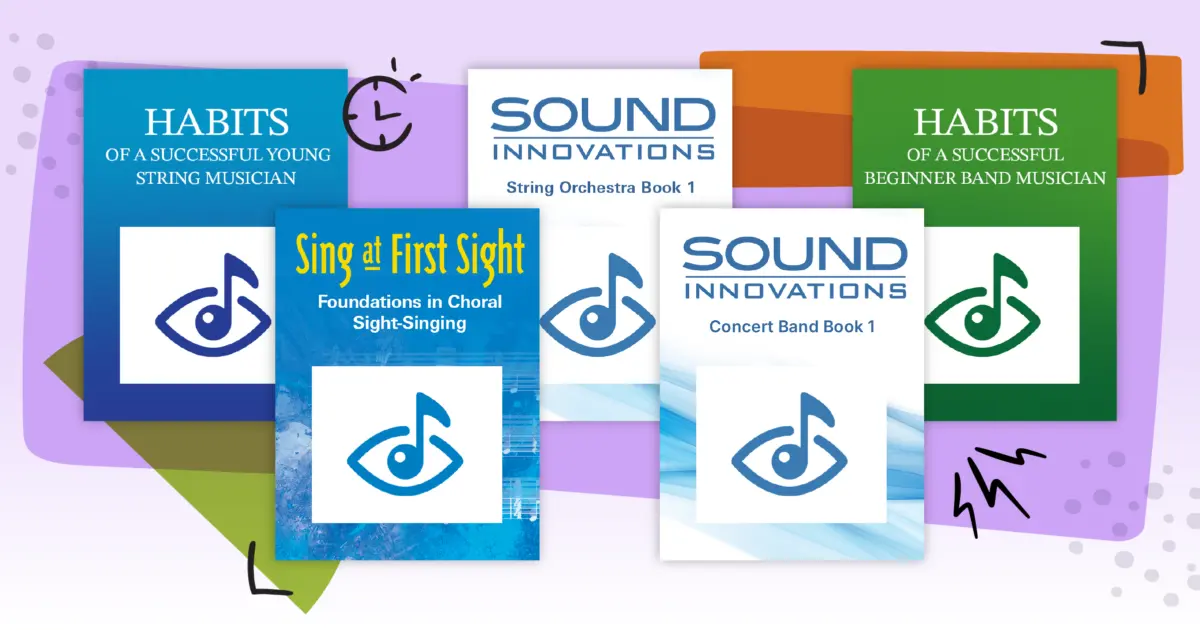
By mapping out the pedagogical sequencing of trusted, ubiquitous method books lesson-by-lesson, MakeMusic has effectively automated the alignment process. Teachers no longer need to translate curriculum milestones into software parameters. Instead, they can open the MakeMusic platform, locate the specific method book currently active in their classroom, click on the exact lesson number corresponding to that week’s syllabus, and instantly deploy an unlimited, freshly generated supply of sight-reading exercises tailored precisely to that exact juncture of learning.
Supporting Context & Metrics: Why Sight Reading Matters and How Technology Solves Prep Fatigue
The Cognitive Architecture of Sight Reading
To understand the significance of MakeMusic’s latest innovation, one must examine the cognitive demands placed upon a developing musician’s brain during the sight-reading process. Unlike prepared performance—where motor memory, muscle repetition, and auditory feedback allow a performer to refine a piece over weeks or months—sight reading requires real-time decoding, anticipatory scanning, and immediate translation into physical execution.
Cognitive science demonstrates that fluent readers utilize chunking strategies, scanning ahead to identify recurring melodic contours, harmonic structures, and rhythmic motifs. This skill cannot be acquired through rote memorization or repetitive drills on familiar passages; it demands continuous exposure to novel combinations of familiar musical elements. When students practice with static material, their brains bypass the active decoding phase, short-circuiting the very cognitive pathways that true sight reading seeks to build.
Teacher Burnout and Administrative Overhead
Beyond the cognitive needs of the student lies the pressing operational reality of the modern music educator. Contemporary educators shoulder immense administrative, logistical, and instructional burdens. Between managing concert preparation, instrument maintenance, sectionals, parent communications, and administrative reporting, the average instrumental or vocal director operates under severe time constraints.
Industry studies and surveys consistently highlight lesson planning and material preparation as primary drivers of educator burnout. Spending two to three hours every week hunting down, formatting, or composing leveled sight-reading snippets represents an inefficient allocation of a highly trained professional’s time.
By eliminating the administrative overhead associated with material sourcing, the correlated generators return valuable hours to the educator’s weekly schedule. This reclaimed time can be redirected toward high-impact pedagogical interactions: individualized student coaching, ensemble balance troubleshooting, and cultivating supportive classroom relationships.
Official Statements and Pedagogical Insights
Industry experts and curriculum specialists have lauded the launch as a major step forward in music technology integration.
"For decades, the greatest enemy of effective sight reading instruction has been predictability," notes a leading curriculum designer associated with contemporary music pedagogy. "When a student has played an exercise twice, they aren’t reading anymore—they’re remembering. Teachers knew this, but they simply didn’t have the hours in the day to write custom, perfectly leveled exercises for every single lesson in a method book. These correlated templates solve that logistical nightmare once and for all."
Educators testing the beta versions of the templates have echoed these sentiments, emphasizing how the tool transforms the cadence of daily rehearsals. "Sight reading used to be something we squeezed in at the very end of a class if we had five spare minutes, largely because setting it up took too much administrative effort," shares a veteran middle school band director. "Now, because I can click once and instantly generate a brand-new exercise that matches page 22 of our method book down to the exact note, it has become a seamless, frictionless part of our daily warm-up routine."
Furthermore, MakeMusic representatives emphasize that the tool was built with pedagogical continuity in mind. Rather than forcing teachers to abandon their preferred curricula in favor of digital-only alternatives, the platform respects the foundational method books that schools have already invested in. The software acts as an intelligent bridge, amplifying the value of existing physical or digital textbooks by wrapping them in an infinite, self-replenishing digital ecosystem.
Future Outlook: The Next Frontier in Music Literacy
As educational technology continues to mature, the launch of correlated sight-reading generators points toward an increasingly personalized and friction-free future for music classrooms. The integration of automated, curriculum-aligned content generation opens the door to several exciting future developments:
1. Data-Driven Adaptive Learning
As more classrooms adopt digital platforms like MakeMusic Cloud, the data generated from student submissions can inform future template iterations. Future versions of these tools could theoretically incorporate adaptive learning algorithms that track individual student error rates—identifying specific intervals, rhythms, or key signatures that consistently challenge a section—and automatically generate targeted remedial exercises to address those specific vulnerabilities.
2. Expanded Method Book Partnerships
While the initial rollout covers some of the most trusted and widely distributed method books in the educational market, the underlying framework is inherently scalable. The expansion of the library to include specialized regional methods, culturally diverse instructional repertoires, and advanced-level conservatory method books represents a natural trajectory for the platform.
3. Redefining Festival and Assessment Preparedness
As teachers leverage tools that make daily sight-reading practice effortless and engaging, the broader cultural perception of sight reading in competitive settings is bound to shift. Moving away from last-minute, high-stress "cramming" sessions toward steady, low-stakes, daily micro-doses of novel reading will likely yield dramatic improvements in regional festival scores and, more importantly, long-term musical autonomy.
Conclusion
The release of MakeMusic’s correlated sight reading templates represents a harmonious convergence of pedagogical theory and technological utility. By directly addressing the dual challenges of cognitive fatigue in students and administrative burnout in educators, MakeMusic has delivered a tool that is as practical as it is transformative.
For the student, it ensures an endless horizon of fresh musical discoveries, keeping the brain actively engaged in the art of decoding notation. For the teacher, it reclaims hours of valuable preparation time, transforming sight reading from an administrative burden into an effortless, organic extension of daily instruction.
Music educators ready to modernize their classrooms and elevate their students’ literacy can log in to MakeMusic Cloud today, locate their preferred method book, navigate to their current lesson, and introduce their students to a truly infinite world of music reading.