
Executive Overview
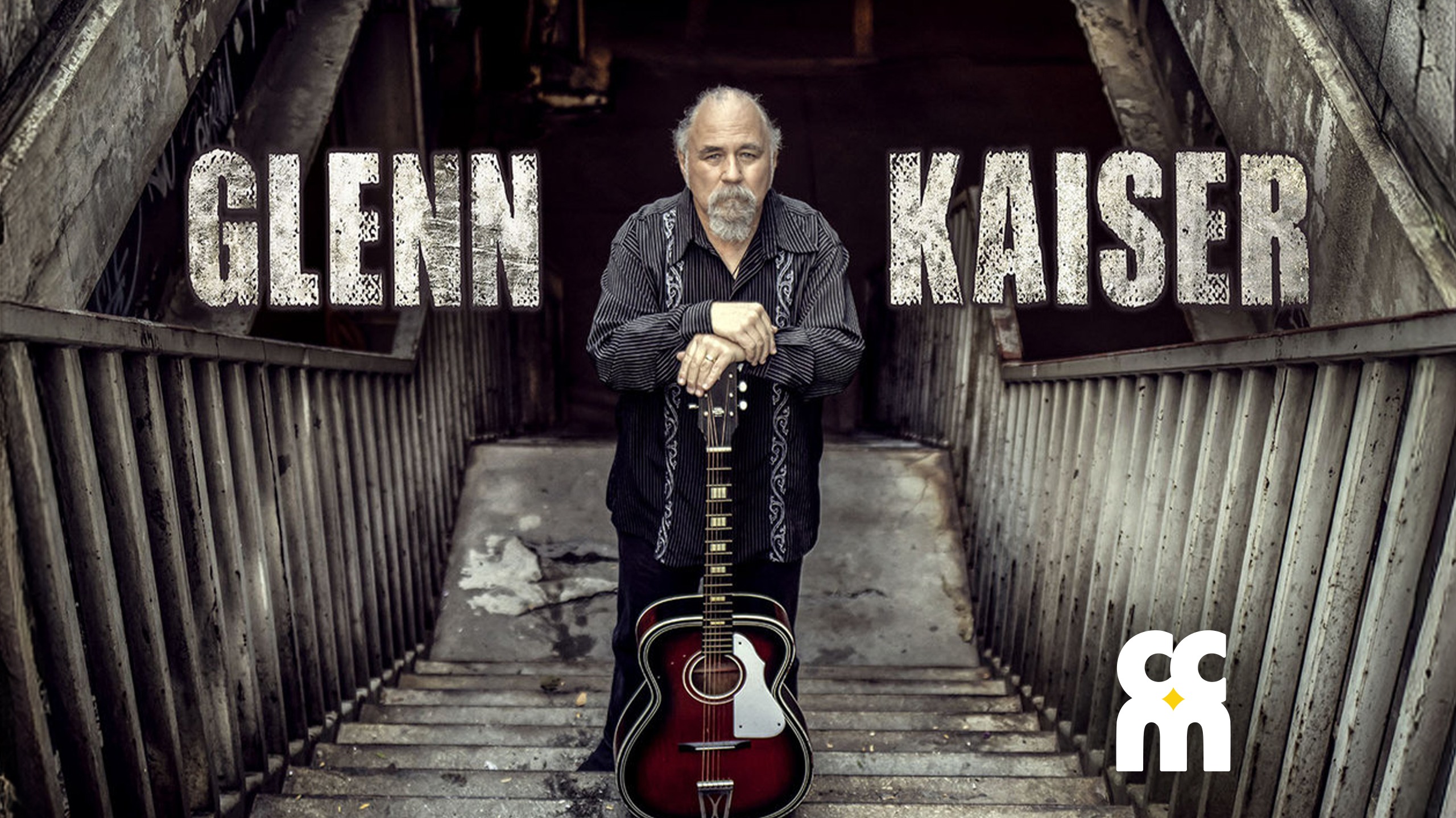
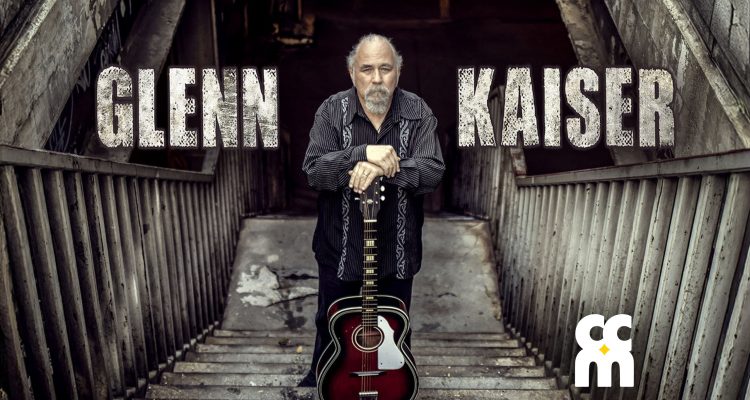
On October 2, a monumental chapter in the history of alternative faith-based music will quietly and powerfully reopen. Glenn Kaiser, a foundational architect of hard rock within the Christian music landscape and a towering figure of the countercultural Jesus Movement, is set to perform his first headline show in Nashville in decades. The intimate performance—hosted at The Well in the Green Hills neighborhood the night before the inaugural Wild Bison Festival—represents much more than a routine tour stop. For generations of believers, artists, and culture-makers who cut their teeth on the independent festival circuit of the late 20th century, Kaiser’s arrival in Music City is a poignant homecoming of the spirit.
Co-fronting the pioneering hard rock outfit Resurrection Band (REZ) alongside his wife, Wendi, Kaiser spent decades breaking down walls within an industry that was initially hostile to distortion pedals, leather jackets, and unflinching lyrical engagement with systemic injustice, poverty, and personal doubt. When traditional gatekeepers failed to understand their vision, the Kaisers and their community bypassed the establishment altogether. As co-founders of Jesus People USA (JPUSA) in Chicago, they established an independent ecosystem comprising recording studios, record labels, community housing, social justice initiatives, and eventually, the legendary Cornerstone Festival.
Now, as Nashville prepares to host a weekend honoring this deep-rooted lineage, the events of October 2 and 3 serve as a bridge between the radical, communal zeal of the 1960s and 70s Jesus Movement and the contemporary generation of genre-defying faith-rooted artists. Supported by the Museum of Christian and Gospel Music, Lipscomb University, and a cadre of legacy culture-shapers, this weekend offers a rare opportunity to examine how the underground DIY ethos of yesterday continues to shape the sounds of today.
Detailed Chronology: From Chicago’s Counterculture to Music City’s Stages
To understand the weight of Glenn Kaiser’s upcoming Nashville appearance, one must trace a historical line that spans over half a century of underground music history, communal living, and artistic resilience.
The Genesis of Jesus Rock (1970s)
In the wake of the 1960s counterculture, a massive spiritual awakening swept through youth culture in North America, known broadly as the Jesus Movement. Thousands of hippies, bohemians, and spiritual seekers embraced Christianity, bringing with them their distinct aesthetics, instruments, and anti-establishment sensibilities. However, the traditional church and the nascent Christian music industry of the early 1970s were largely unprepared for this demographic. Hymns and traditional gospel quartets dominated the landscape; electric guitars and countercultural lyrics were viewed with deep suspicion.
Enter Glenn and Wendi Kaiser. Recognizing the evangelistic and artistic power of hard rock and blues, they formed Resurrection Band (originally known simply as 1900) in Milwaukee before relocating to Chicago. REZ married the sonic heft of Led Zeppelin and Black Sabbath with uncompromising, street-level Christian lyrics that tackled urban poverty, war, racism, and addiction. They proved that faith-based music did not have to sanitize its sound to maintain its spiritual integrity.
Building an Independent Empire: Jesus People USA and Cornerstone (1970s–2010s)
When commercial Christian record labels proved hesitant to fully back hard rock acts with countercultural worldviews, the Kaisers and their growing community took matters into their own hands. They became central pillars of Jesus People USA (JPUSA), an intentional Christian community on Chicago’s North Side characterized by shared resources, radical hospitality, and grassroots social activism.
Operating completely outside the mainstream industry playbook, JPUSA launched Millenium Records, built recording facilities, and in 1984, birthed the Cornerstone Festival.
Cornerstone rapidly evolved into an annual gathering of global significance for alternative believers. Over its 28-year run, the festival served as a cultural incubator for thousands of musicians, visual artists, poets, and activists. Long before they achieved mainstream commercial success, acts such as Switchfoot, Sixpence None the Richer, and P.O.D. cut their teeth on Cornerstone stages. For a generation of teenagers who felt alienated by both secular cynicism and religious superficiality, Cornerstone was a sanctuary—a place where faith and avant-garde art could coexist without compromise.
The Nashville Convergence (October 2–3)
The upcoming weekend in Nashville is curated by veteran music journalist, historian, and filmmaker who spent decades immersed in the Cornerstone ecosystem—from attending the inaugural 1984 festival as a teenager to serving as its main stage master of ceremonies through the 2000s.
The weekend unfolds in two distinct phases:
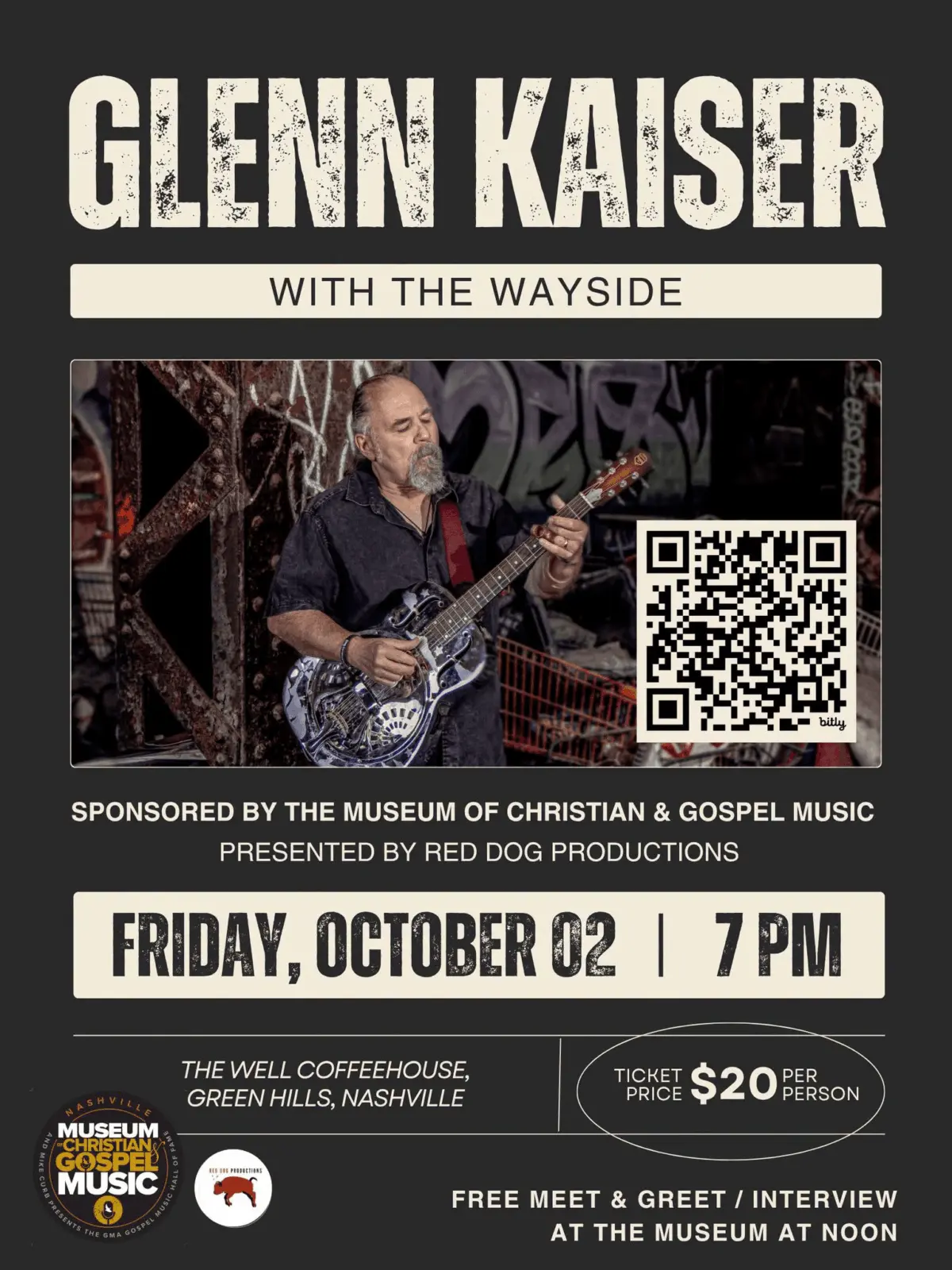
- Friday, October 2 (Afternoon): A free, public conversation at noon hosted at the Museum of Christian and Gospel Music. The event features an in-depth, live-recorded interview with Glenn and Wendi Kaiser, charting their decades-long journey through the highs and lows of ministry, music-making, and communal survival.
- Friday, October 2 (Evening): An intimate, ticketed concert at The Well in Green Hills. Glenn Kaiser will perform a rare solo set utilizing cigar box and acoustic guitars, showcasing his lifelong mastery of Delta blues and prophetic songwriting. Opening the evening is The Wayside—the very band formed by the event’s organizers—channeling the collaborative spirit of those historic Chicago gatherings.
- Saturday, October 3 (All Day): The Wild Bison Festival kicks off at 11:30 AM at Lipscomb University’s Bison Square. Presented in partnership with The Arcadian Wild and headlined by Fulton Lee, the free, all-day festival spans two stages. It features a diverse lineup including Broomestix, Pomegranate, and Jolie Wing, alongside student film screenings and poetry readings. Crucially, Glenn Kaiser will lead a morning seminar examining the profound intersections of music, art, and community during the Jesus Movement.
Supporting Context & Metrics: The Enduring Impact of Independent Faith Artistry
The significance of Kaiser’s Nashville performance is underscored by quantitative and qualitative shifts within the independent music sector. While major Christian music labels traditionally focused on standardized pop, adult contemporary, and worship formats, the underground ecosystem forged by JPUSA and Cornerstone proved that niche artistic subcultures wield immense long-term cultural influence.
| Metric / Milestone | Historical & Cultural Significance |
|---|---|
| 28 Years | The operational lifespan of Cornerstone Festival (1984–2012), making it one of the longest-running alternative faith-rooted arts festivals in history. |
| Decades of Exclusion & Pioneering | Resurrection Band released over a dozen studio and live albums, charting a path for Christian metal, punk, and hard rock decades before subgenres like Christian hardcore gained commercial viability. |
| Dozens of Incubated Acts | Countless Grammy-winning and critically acclaimed artists—ranging from alternative rock pioneers to indie folk darlings—received their first major festival exposure on Cornerstone stages. |
| Multi-Disciplinary Integration | Cornerstone and JPUSA successfully integrated visual arts, independent cinema, spoken word poetry, and radical social welfare programs (such as shelters and food pantries) directly into the festival experience. |
The Philosophy of Integrity Over Market Categories
The artistic lineup for the Wild Bison Festival at Lipscomb University reflects a broader philosophical rejection of rigid industry pigeonholing. Spanning rock, pop, Americana, singer-songwriter stylings, and country, the common denominator among participating acts is not a corporate marketing department or a radio format. Rather, it is an adherence to artistic integrity coupled with a spiritual point of view. Whether these artists find themselves categorized within traditional "Christian music" retail spaces or cross over into broader secular playlists is secondary to the authenticity of their creative output.
Official Statements & Industry Perspectives
The convergence of historical pioneers and contemporary artists in Nashville has generated significant enthusiasm among academic, institutional, and grassroots leaders involved in organizing the weekend.
"When I say having Glenn Kaiser play a show the night before Wild Bison Festival is an honor, I mean it specifically: a little bit of Cornerstone’s DNA gets to be part of what we’re building here in Nashville," notes the event organizer and documentary filmmaker behind Cornerstone Festival: 20 Years and Counting. "It’s about honoring the people who built the roads we are currently driving on."
Institutional partners have similarly emphasized the educational and cultural importance of bridging historical preservation with live performance. The collaboration between the Museum of Christian and Gospel Music, Lipscomb University’s School of Music, the Music Industry Studies program, and Red Dog Productions represents a unique alignment of academic rigor and grassroots music history.
Furthermore, support from organizations such as the International Justice Mission underscores the intrinsic link between the faith-rooted music community and global social advocacy—a core tenet that Glenn and Wendi Kaiser championed throughout their decades with Resurrection Band and Jesus People USA.
Future Outlook: Passing the Torch to a New Generation
As the last echoes of Glenn Kaiser’s cigar-box guitar fade at The Well and the student-led stages light up Bison Square during the Wild Bison Festival, the overarching narrative is not merely one of nostalgia. Instead, it is an active transmission of cultural memory.
The challenges facing independent artists today—navigating shifting digital distribution models, the erosion of physical music scenes, and the ongoing tension between commercial viability and artistic truth—mirror many of the obstacles the Kaisers faced in the 1970s and 80s. By returning to Nashville to share their stories, perform their music, and mentor younger creators, figures like Glenn and Wendi Kaiser provide a vital roadmap for resilience.
The weekend’s events signal a growing hunger for authentic, community-anchored art that refuses to sacrifice depth for mass consumption. As Lipscomb University students, local musicians, and veteran festival-goers gather to celebrate this living history, they are not just looking backward at the legacy of the Jesus Movement; they are laying the groundwork for the next era of faith-inspired, boundary-pushing creativity.