
Executive Overview
Very few musical acts—regardless of genre—possess the extraordinary staying power required to remain relevant, influential, and commercially viable across five decades. Yet, the pioneering Christian rock band Petra stands as an undisputed titan of longevity, continually defying expectations since their inception. Throughout their storied history, the band has undergone numerous personnel shifts, sonic evolutions, and cultural reinventions.
However, one element has remained steadfast: their peerless talent, unyielding passion, and a rare gift for crafting driving, emotional, hands-in-the-air rock anthems firmly rooted in faith and evangelism.
For more than 50 years, Petra has broken new ground, dismantling barriers within the mainstream and religious music industries alike while paving the way for countless contemporary artists who followed in their footsteps. Now, the iconic group is breaking new ground once more, albeit in a medium entirely foreign to their traditional touring roots.
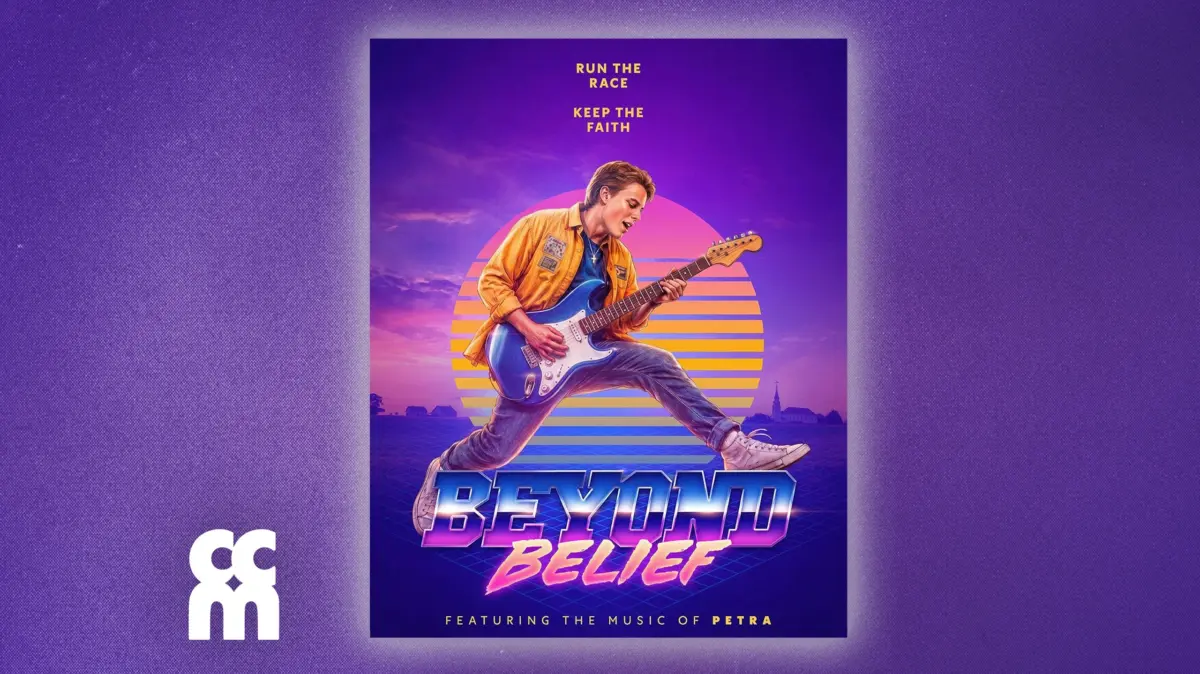
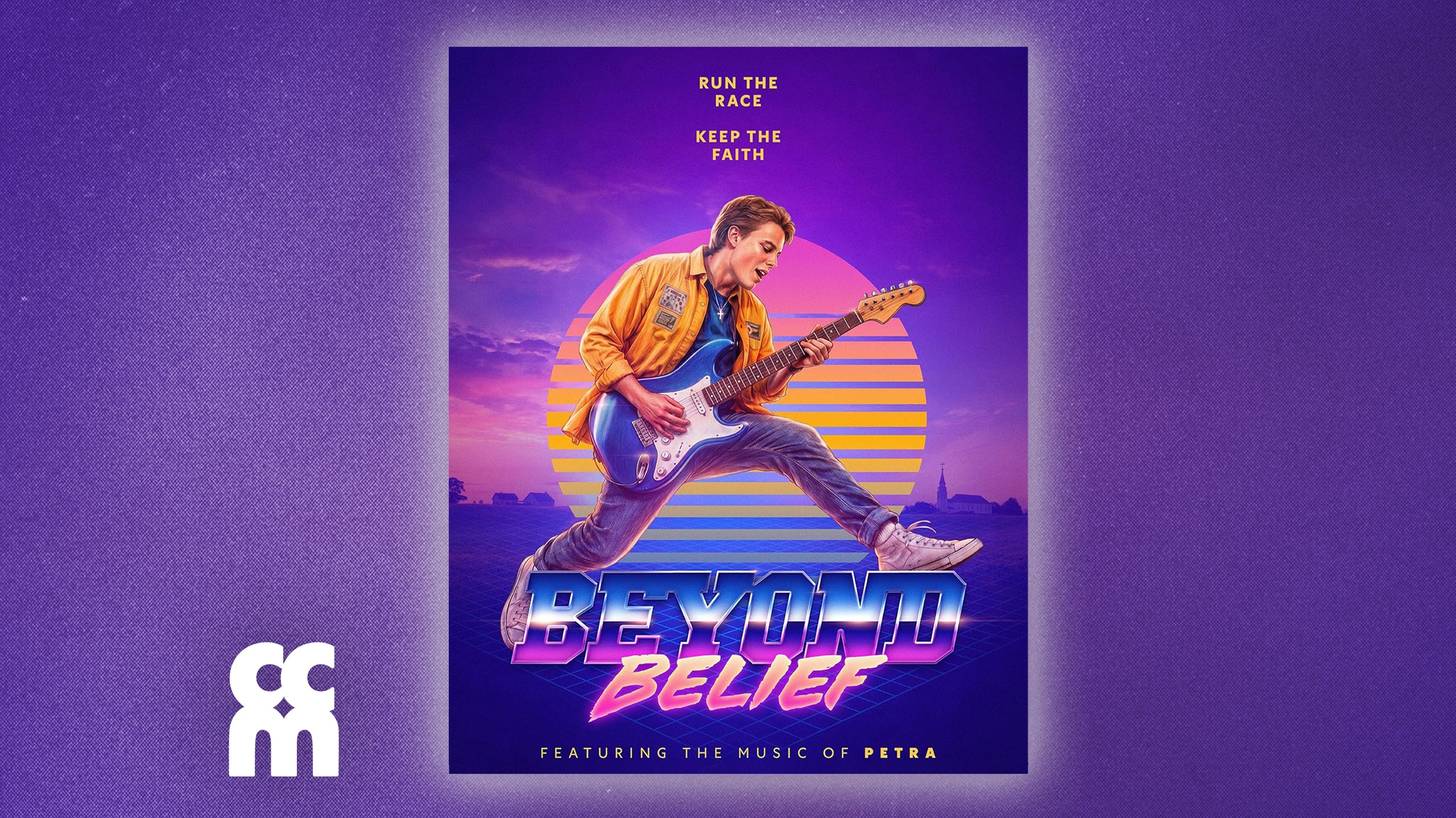
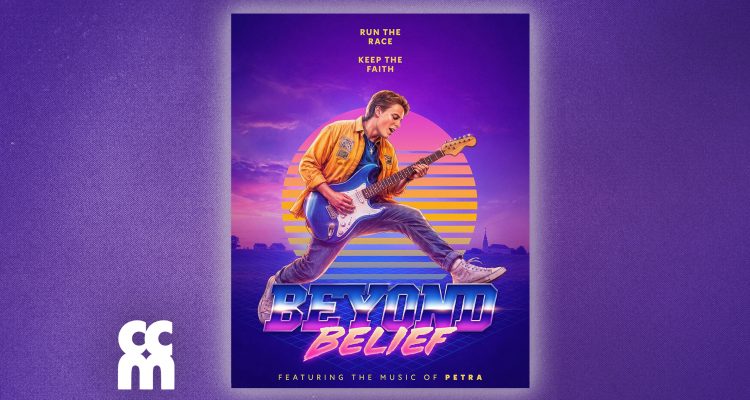
The vast, emotionally resonant musical catalog of Petra has served as the creative springboard for Beyond Belief, an original feature film currently playing in theaters nationwide. Eschewing the conventional biographical documentary format, Beyond Belief is a narrative-driven feature set against the vibrant cultural backdrop of the 1980s. It utilizes Petra’s legendary discography not merely as a background score, but as the emotional heartbeat of a story exploring grief, ambition, divine calling, and redemption.
Directed by Johnny Meier and co-written by Meier alongside Darren Scott Jacobs and Joe Sanders, the film represents the culmination of a 15-year labor of love. Filmed largely in the historically rich suburbs of Chicago—including Woodstock, Illinois—the production succeeds in capturing the authentic aesthetic of a teenage Christian rock fan navigating the highs and lows of the Reagan era.
For longtime adherents of the genre, the film functions as a cinematic time machine, sparking waves of nostalgia while delivering universal themes designed to resonate with modern audiences far beyond the core fan base.
Detailed Chronology: From a Steak Dinner to the Silver Screen
The realization of Beyond Belief was anything but an overnight Hollywood success story. According to Executive Producer Joe Sanders, the ambitious cinematic project has been roughly 15 years in the making, evolving from a modest concept into a fully realized theatrical release through sheer persistence and an unwavering dedication to the band’s legacy.
The Genesis and the Pitch
The foundational phase of the project required buy-in from the architects of Petra’s sound themselves: co-founder, primary songwriter, and guitarist Bob Hartman, alongside iconic lead vocalist John Schlitt.
The turning point for the production team came during a pivotal face-to-face meeting with the two Petra legends. Over what has since become a legendary steak dinner, Sanders and the creative team pitched their vision: a narrative feature film utilizing Petra’s music to tell a fictional coming-of-age story set in the 1980s, rather than a standard retrospective documentary.
To the delight of the filmmakers, Hartman and Schlitt not only gave their blessing and licensing approvals for the project, but they also agreed to make special cameo appearances in the film. Industry insiders note that these cameos provide some of the most memorable and humorous moments in the entire production, proving that the legendary rockers haven’t lost their comedic timing.
Production and Casting Challenges
Principal photography for Beyond Belief took place primarily in the picturesque suburbs of Chicago. The production famously utilized Woodstock, Illinois—a location universally recognized by cinema buffs as the stand-in for Punxsutawney, Pennsylvania, in the 1993 comedy classic Groundhog Day. The historic architecture and small-town Americana atmosphere provided an ideal, authentic visual canvas for a story steeped in 1980s youth culture.
Bringing the project to life, however, presented unique hurdles for the casting department. Specifically, the production needed actors capable of authentically portraying John Schlitt and Bob Hartman at the height of their 1980s powers.
Actors Oscar Mansky and Jeremy Burchard stepped into these formidable roles, tasked with the daunting responsibility of portraying living legends while the real Schlitt and Hartman watched closely from behind the cameras.
In subsequent interviews, John Schlitt emphasized how vital it was to him that the young actors felt entirely comfortable in their respective roles. Despite the benevolent support from the real-life musicians, the psychological pressure—and profound honor—of stepping into the shoes of two foundational figures in Christian rock history cannot be overstated. According to early reviews and audience reactions, Mansky, Burchard, and the broader ensemble cast rose to the occasion, successfully channeling the electrifying energy and spiritual fervor characteristic of a live Petra concert from that era.
Supporting Context & Metrics: The 1980s Landscape of Christian Rock
To fully appreciate the cultural significance of Beyond Belief, one must examine the socio-musical landscape of the 1980s—an era when Christian rock was fighting for legitimacy both within institutional church walls and the secular music marketplace.
The Rise of Petra in the 1980s
Founded in 1972 by Bob Hartman, Greg Hough, and Bill Glover, Petra initially struggled to find a welcoming audience. Traditional church leadership frequently viewed electric guitars, long hair, and driving rock beats with deep suspicion, suspecting secular corrupting influences.
However, by the arrival of the 1980s—and particularly with the ascension of powerhouse vocalist John Schlitt in 1986—Petra transformed into a juggernaut. Albums such as Not of This World (1983), Beat the System (1984), and the monumental, Grammy-winning Beyond Belief (1990) shattered sales ceilings.
Petra became the first contemporary Christian music (CCM) band to consistently sell out mainstream secular rock arenas, paving the way for future crossover acts like Stryper, Michael W. Smith, and DC Talk.
Narrative Plot and Themes of the Film
Rather than chronicling these historical milestones via a standard biographical arc, Beyond Belief weaves the thematic weight of this era into an original narrative. As detailed on the film’s official production portal, the story follows Andy, a passionate teenage rocker grappling with a dual burden: chasing an ambitious dream of musical stardom while struggling to process the devastating loss of his father.
When a mysterious, quiet voice urges him to "run," Andy is thrust onto an unexpected spiritual and emotional journey. This path directly challenges his youthful ambitions, pushes his faith to the breaking point, and forces him to confront fundamental questions about his identity and purpose.
The narrative seamlessly blends heart, gentle humor, and timeless musical cues. It serves as an exploration of discernment—learning to hear divine guidance, trusting an unseen plan, and discovering that spiritual aspirations frequently transcend our own limited human ambitions.
Official Statements and Industry Reception
The release of Beyond Belief has sparked widespread conversation across both Christian media outlets and independent film circles. The unique blending of narrative storytelling with a pre-existing catalog of historic Christian rock has drawn praise for its innovative approach to nostalgia-driven cinema.
Reflections from the Legends
For John Schlitt and Bob Hartman, watching their decades-old professional lives mirrored by a younger generation of actors proved to be a surreal, deeply humbling experience.
"It’s a strange and wonderful thing to sit behind a monitor and watch someone else live out a version of your past on screen," Schlitt noted during early promotional events. "Our main concern was always that the heart of what we believed—and what the music stood for—remained intact. The cast and crew honored that vision completely."
Audience and Critic Reactions
Reviewers who experienced the film firsthand have drawn fascinating parallels to classic 1980s cinema. For Gen-X believers who grew up spinning vinyl records and cassette tapes in their bedrooms or youth group vans, the film’s marketing and aesthetic evoke comparisons to Back to the Future—functioning effectively as a time machine back to youth, denim jackets, and youth-group campfires.
Yet, critics emphasize that the film’s greatest strength lies in its accessibility. Even viewers entirely unfamiliar with Petra’s specific discography find themselves drawn into Andy’s universal struggles with grief, identity, and faith.
During theatrical screenings, audiences have been observed actively engaging with the film—pumping their fists, nodding their heads in time with the classic guitar riffs, and silently mouthing the lyrics to iconic tracks. It is this immersive, communal experience that elevates Beyond Belief from a niche fan project into a genuinely engaging cinematic event.
Future Outlook: A New Paradigm for Faith-Based Cinema
The successful theatrical rollout of Beyond Belief signals a potentially transformative shift in how independent faith-based filmmakers approach storytelling. For years, the Christian film market has been dominated by melodramatic tearjerkers, direct-to-video family dramas, or straightforward biographical profiles of pastors and missionaries.
By utilizing the artistic catalog of a seminal rock band to anchor a fictional coming-of-age narrative, Beyond Belief establishes a fresh blueprint for multimedia storytelling within the genre. It demonstrates that faith-based art does not need to preach directly from a pulpit to be effective; instead, it can embed spiritual truth within compelling, character-driven fiction bolstered by culturally significant art.
Furthermore, the film’s success highlights the enduring, untapped market power of the Gen-X and Millennial Christian demographics—generations that grew up during the golden age of CCM and are now eager to see their youth culture validated and celebrated on the big screen.
As Beyond Belief continues its theatrical run, industry analysts will undoubtedly monitor its trajectory to see if other legendary Christian music acts—such as DeGarmo & Key, White Heart, or 2nd Chapter of Acts—might similarly inspire narrative cinematic projects.
For now, legions of loyal Petra fans have a rare opportunity to step back in time, crank up the volume, and witness the enduring power of faith, music, and redemption play out on the silver screen. Beyond Belief is playing in select theaters nationwide, inviting a new generation—and reminding an older one—that some melodies are simply too powerful to ever fade away.