
Executive Overview
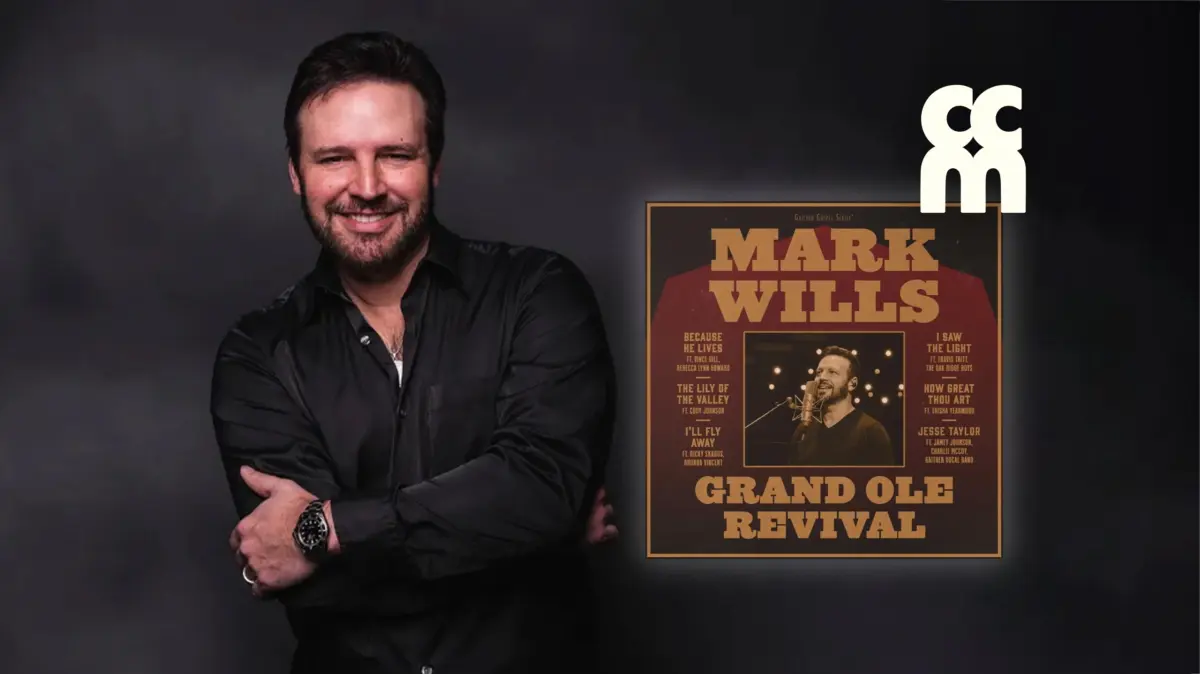
For anyone who came of age listening to country radio during the late 1990s and early 2000s, Mark Wills was an indispensable part of the cultural soundtrack. Hits like “Wish You Were Here,” “I Do (Cherish You),” “Don’t Laugh at Me,” and the six-week Billboard No. 1 smash “19 Somethin’” encapsulated the joys, heartbreaks, and nostalgia of an entire generation within four minutes of radio-friendly perfection. Yet, more than two decades after his commercial peak, Wills is stepping away from contemporary radio gloss to honor the timeless musical pillars that predated his own chart-topping era by generations.
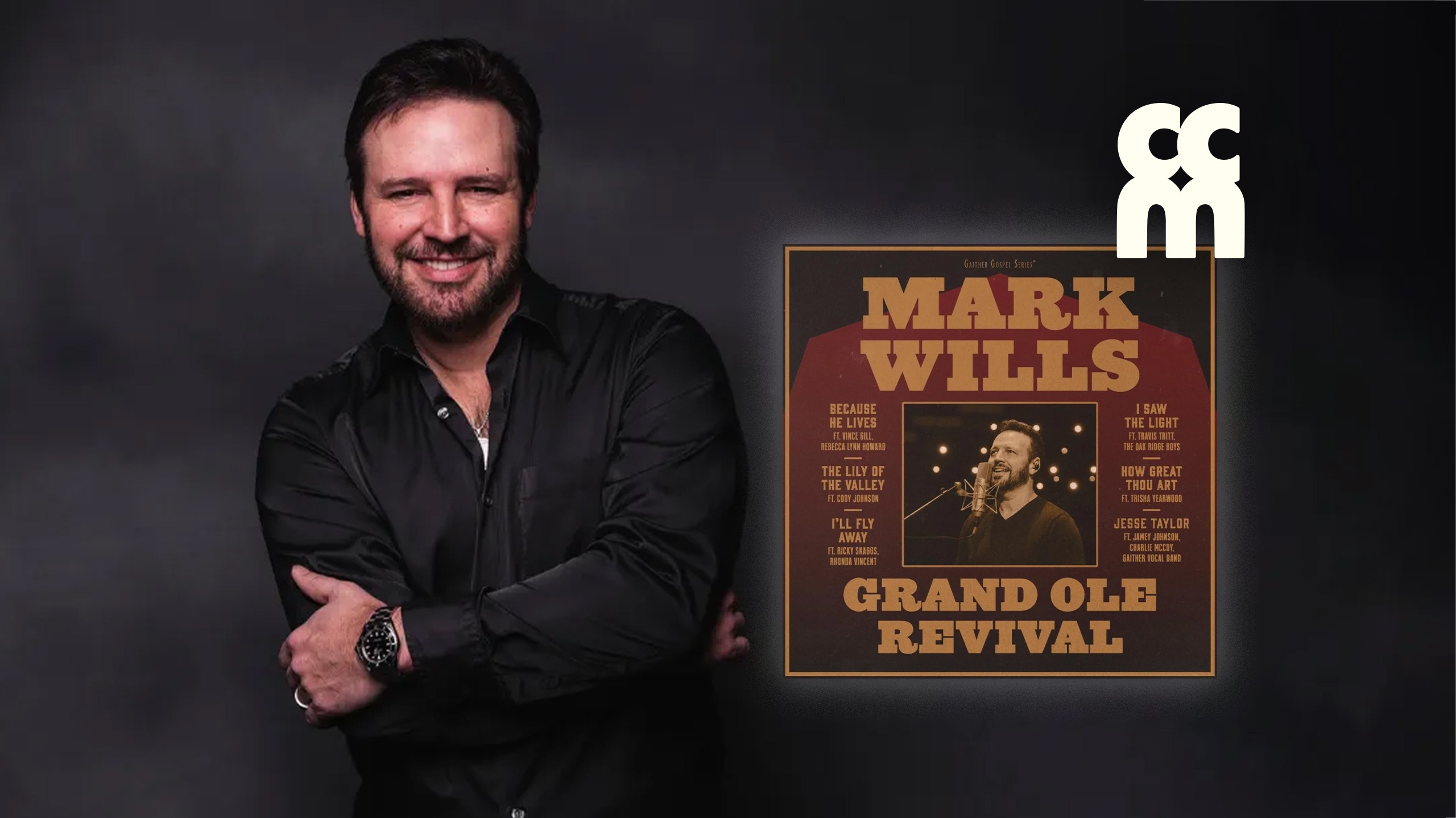
On November 6, the enduring country music hitmaker and official Grand Ole Opry member will release Grand Ole Revival via Gaither Music Group. Recorded live on the legendary stage of the Grand Ole Opry House, this ambitious new collection captures country gospel classics performed inside the iconic historic circle—a rare acoustic feat achieved by only a handful of artists in the venue’s century-long history.
Wills did not embark on this pilgrimage alone. He enlisted an all-star roster of country and gospel royalty, including Cody Johnson, Trisha Yearwood, Vince Gill, Ricky Skaggs, Rhonda Vincent, Jamey Johnson, Travis Tritt, The Oak Ridge Boys, The Isaacs, Charlie McCoy, the Gaither Vocal Band, Bill Anderson, Mae Estes, Rebecca Lynn Howard, Leona Williams, The Sound, and Jim and Melissa Brady.
Simultaneously, the cross-pollination of mainstream country stardom and faith-based music continues to expand across the Gaither roster. Gary LeVox, the unmistakable voice behind global powerhouse Rascal Flatts, has debuted a brand-new inspirational single, “Paradise.” Written by Rudy Perez and Chaz Bosarge and produced by Perez, LeVox’s latest track underscores a broader industry movement where legendary country artists lean deeply into spiritual roots, bridging the gap between secular acclaim and sacred reflection.
Detailed Chronology: From Late ’90s Radio Staples to Sacred Stagecraft
To fully understand the gravity of Grand Ole Revival, one must trace Mark Wills’ remarkable trajectory through the annals of modern country music history. Emerging in the fertile creative landscape of the late 1990s, Wills established himself as a vocalist of extraordinary warmth and emotional precision. His 1998 sophomore album, Wish You Were Here, catapulted him into the upper echelon of country stardom, driven by the poignant title track and the ubiquitous wedding anthem "I Do (Cherish You)."
In 2002, Wills delivered the definitive song of his career with "19 Somethin’." Written by Stephony Smith and Chris DuBois, the track became a cultural lightning rod, cataloging touchstones of late-20th-century American childhood—from Happy Days reruns and Evel Knievel to Rubik’s Cubes and first loves—wrapped in a soaring, nostalgic arrangement. Spending six weeks atop the charts, it solidified Wills’ place in the modern country pantheon.
However, beneath the commercial machinery of Nashville’s hit factories lay a foundation built much earlier and far more intimately. Long before arena tours and radio station tour stops, Wills’ musical consciousness was shaped by sacred vocal traditions.
The genesis of Grand Ole Revival began to take shape when Wills partnered with Gaither Music Group, a preeminent home for gospel and inspirational music. Rather than entering a sterile Nashville recording studio to artificially manufacture the acoustic warmth of a country-gospel record, producers and artists sought the authentic resonance of a living sanctuary. They chose the most sacred ground in country music: the stage of the Grand Ole Opry House.
The tracking sessions for Grand Ole Revival represent a monumental milestone in live country audio recording. Remarkably, it stands as only the second live audio album recorded inside the Grand Ole Opry House since the 1970s. By anchoring performers directly inside the hallowed wooden circle—transported from the original Ryman Auditorium to the modern Opry House—the project captures the raw, unfiltered acoustics and spiritual weight of a century-old tradition.
The rollout for the project officially commenced with the release of the lead single, “The Baptism of Jesse Taylor.” Featuring powerhouse baritone Jamey Johnson, master harmonicist Charlie McCoy, and the soaring harmonies of the Gaither Vocal Band, the track serves as an immediate mission statement for the album. It marries narrative-driven country storytelling with dynamic gospel arrangement, setting the stage for November’s full-album release.
Supporting Context & Metrics: A Rare Milestone in Country Lore
The significance of recording inside the Grand Ole Opry Circle cannot be overstated. In the lexicon of country music, the circle of dark oak flooring—cut from the floorboards of the historic Ryman Auditorium and embedded into the stage of the current Grand Ole Opry House—is hallowed ground. For decades, legends from Hank Williams and Patsy Cline to Johnny Cash and Dolly Parton have stood within this boundary to deliver unadorned performances.
Yet, capturing a pristine, commercially viable live audio project directly from this stage is surprisingly rare. For over five decades, the industry has relied heavily on studio overdubbing or remote broadcast trucks that struggled to capture the delicate, reverberant acoustics of the Opry House. Grand Ole Revival breaks that half-century drought, utilizing modern recording technology to preserve the historic room’s natural reverb and acoustic intimacy.
The album’s star-studded guest list reads like a cross-section of country music royalty and bluegrass elite:
- Mainstream Country Icons: Trisha Yearwood, Vince Gill, Travis Tritt, and Cody Johnson bring their distinct vocal stylings to the project, bridging generations of hitmakers.
- Bluegrass and Traditional Virtuosos: Ricky Skaggs, Rhonda Vincent, and Charlie McCoy infuse the arrangements with lightning-fast instrumentation and timeless acoustic textures.
- Country Storytellers & Pioneers: Bill Anderson, Leona Williams, and Jamey Johnson ground the project in historical continuity, honoring the architects of traditional songwriting.
- Vocal Powerhouses & Ensembles: The Oak Ridge Boys, The Isaacs, the Gaither Vocal Band, The Sound, and Jim and Melissa Brady provide the soaring, multi-part choral harmonies essential to the gospel genre.
This convergence of talent reflects a broader commercial and cultural shift. While modern country radio is increasingly dominated by pop-country fusions and high-energy stadium anthems, a powerful counter-movement celebrates roots, heritage, and faith-based storytelling. Fans who grew up with the polished country hits of the 1990s and 2000s are now seeking art that reflects deeper spiritual and generational grounding.
Official Statements: In Their Own Words
The deeply personal nature of Grand Ole Revival is reflected in the reflections of Mark Wills himself, who views the project as a full-circle moment spanning a three-decade career.
"Ever since I was a little kid, the very first music that came into my life was hymns, so it means a lot to me to be able to sing some of the songs I’ve loved my whole life," Wills shares. "In more than 30 years of making music, I’ve never experienced a tracking session like this one."
The physical and spiritual environment of the Opry House played a transformative role in shaping the performances of every artist involved. Wills emphasizes that the historic venue elevated the project beyond a standard collaborative album:
"Recording them live in the Grand Ole Opry circle made this project even more special since that has rarely occurred in its 100-year history," Wills continues. "I think this project reflects that time-honored history and tradition that makes The Opry such an important part of country music."
Complementing Wills’ return to his spiritual roots is the ongoing artistic evolution of Gary LeVox. As the former frontman of Rascal Flatts—a band that defined modern country radio with 17 No. 1 singles and over 23 million albums sold—LeVox has increasingly focused on inspirational themes in his solo work, highlighted by his acclaimed Christian project ONE ON ONE. Following a triumphant reunion tour with Rascal Flatts for the Life Is A Highway Tour, LeVox continues to channel his faith into his music with his latest single, “Paradise,” produced by Rudy Perez and written by Perez and Chaz Bosarge.
"At our best, we’re a nation that comes together through hope, compassion, and faith," LeVox notes regarding the spirit of his new single. "That’s the spirit I wanted ‘Paradise’ to capture."
Future Outlook: The Intersection of Faith, Heritage, and Modern Country
As Grand Ole Revival prepares for its official November 6 release through Gaither Music Group, its arrival signals a robust health within the traditionalist and gospel-country sectors of the music industry. The project proves that audiences hungry for authenticity, narrative-driven songwriting, and unvarnished vocal delivery are not looking backward out of mere nostalgia, but are demanding real substance that speaks to enduring human values.
For Mark Wills, this album redefines his legacy. While he will forever be celebrated as the voice behind the breezy optimism of "19 Somethin’" and the emotional resonance of "Wish You Were Here," Grand Ole Revival positions him as a serious custodian of country music’s sacred architecture. Standing in the Opry Circle alongside peers like Vince Gill, Trisha Yearwood, and Ricky Skaggs, Wills has not merely recorded a covers album; he has participated in a historic preservation of American musical identity.
Concurrently, artists like Gary LeVox demonstrate that country stars do not have to choose between massive commercial appeal and profound spiritual expression. By utilizing platforms like Gaither Music Group, seasoned veterans are finding dedicated audiences eager for music that speaks directly to faith, hope, and redemption.
As streaming platforms continue to break down rigid genre barriers, the boundary lines separating contemporary country, classic traditions, and inspirational gospel grow increasingly porous. If "The Baptism of Jesse Taylor" and Gary LeVox’s "Paradise" are any indication, the future of country music looks remarkably bright when it remembers to look back at where the songs—and the stories—began.