
Executive Overview
The Great White Way is about to discover that hypochondria never truly goes out of style. On September 25, 2026, the Roundabout Theatre Company officially launches preview performances for its highly anticipated Broadway revival of Molière’s classic seventeenth-century farce, The Imaginary Invalid.
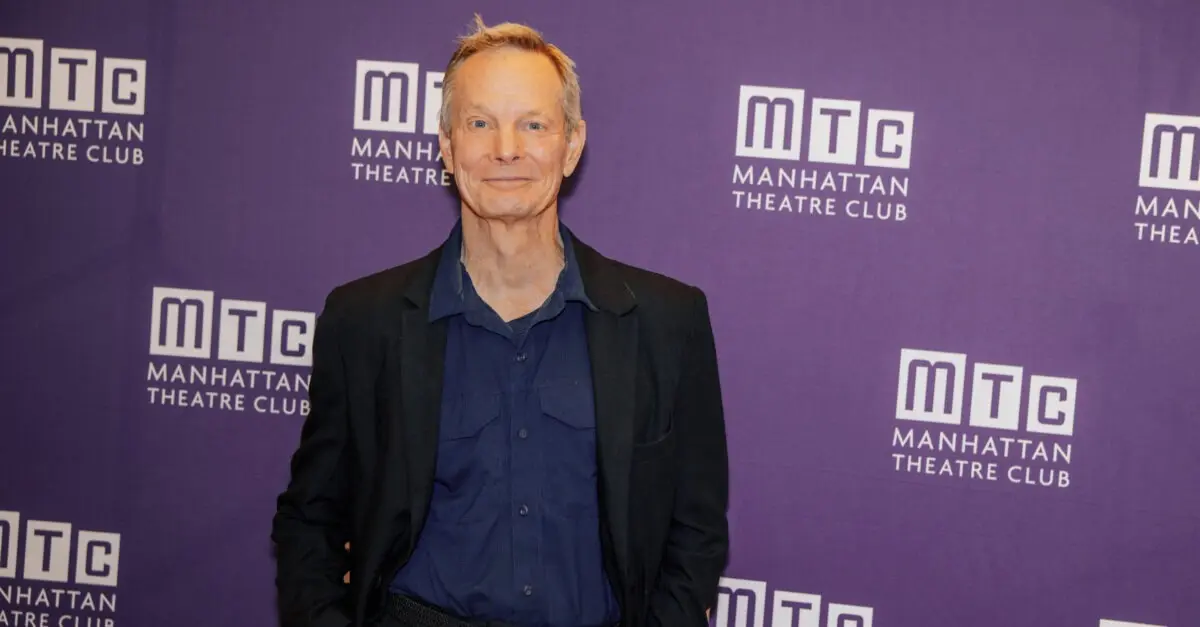
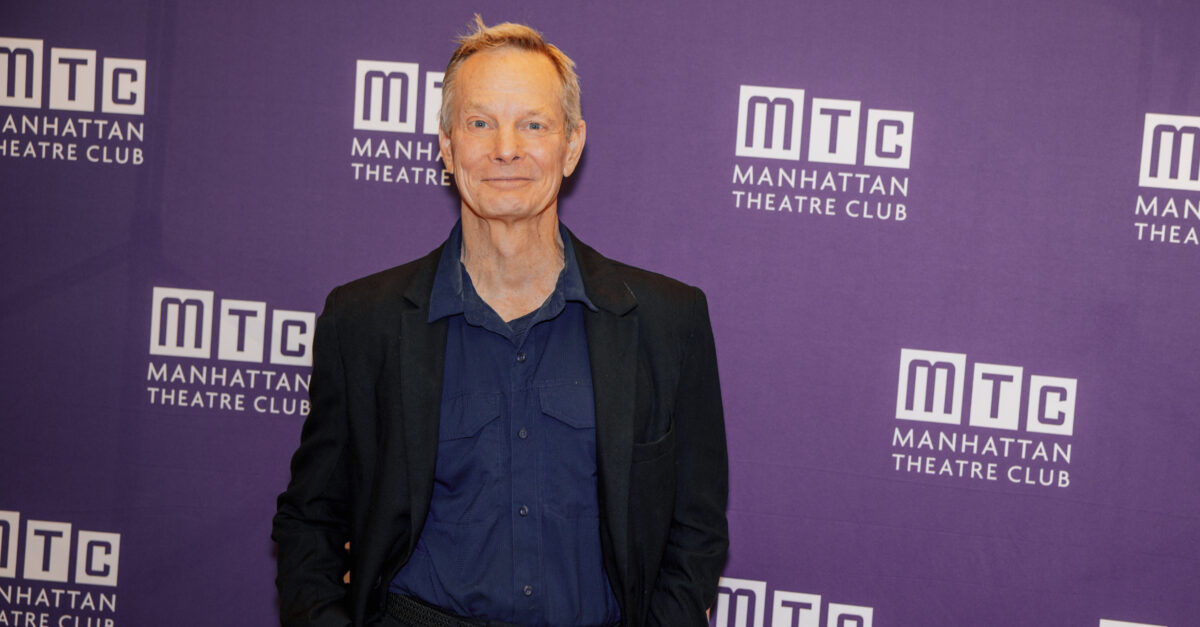
Staged at the esteemed Todd Haimes Theatre, this fresh take on French theatrical history features a new translation by Doug Skinner and is brilliantly adapted by Tony Award winner Bill Irwin, who also steps into the leading role as the infamously obsessed patient, Argan.
Directed by Tony Award nominee Brandon J. Dirden—marking his auspicious Broadway directorial debut—the production promises to blend classic commedia dell’arte styling with the razor-sharp comedic timing of a contemporary stellar ensemble. Opening night is officially slated for October 22, with a limited engagement currently scheduled to run through November 22, 2026.
As healthcare costs, medical anxiety, and familial plotting remain timelessly relatable human dilemmas, this production updates Molière’s final theatrical masterpiece for a modern audience while honoring the structural brilliance of its 1673 origins.
Detailed Chronology & Production Genesis
The journey of bringing The Imaginary Invalid (originally titled Le Malade imaginaire) to the modern Broadway stage represents a meticulous creative alignment between translation, physical comedy, and institutional backing from the Roundabout Theatre Company.
Molière originally wrote the play as a biting satire on the medical establishment of his era—a profession he deeply distrusted, often targeting doctors who prescribed purges, enemas, and expensive, ineffective remedies to patients who were perfectly healthy. Famously, during the original 1673 run, Molière himself collapsed on stage playing the role of Argan while suffering from a pulmonary hemorrhage, dying shortly thereafter. This historical weight hangs over any mounting of the piece, transforming the production into both a celebration of comedic resilience and a theatrical tightrope walk.
The Adaptation Process
Translator Doug Skinner and adapter Bill Irwin began crafting this version with the specific intention of preserving the rhythmic, rhyming, and rapid-fire dialogue characteristic of French classical farce while ensuring contemporary accessibility. Irwin, whose background in clowning and physical theater (exemplified by his work in Largely New York and numerous classical revivals) makes him uniquely suited for the role of Argan, infuses the character with a kinetic, frantic energy.
Rehearsals and Preview Milestone
Following an extensive casting and workshop period over the summer of 2026, the company entered the Todd Haimes Theatre for technical rehearsals in early September. The September 25 preview marks the first time this specific adaptation meets a live Broadway audience. Over the nearly four-week preview window, Director Brandon J. Dirden will fine-tune the pacing, comedic beats, and physical gags before critics are invited to review the show ahead of the October 22 opening night.
The Ensemble Cast & Creative Vision
A farce of this magnitude relies entirely on its ensemble cast, and Roundabout has assembled a powerhouse roster of Broadway veterans, comedic powerhouses, and dramatic heavyweights.
Leading the Charge: Bill Irwin as Argan
Bill Irwin stars as Argan, the quintessential professional patient who indulges his every imagined ache, pain, and sniffle. Argan’s central scheme—to marry off his daughter to a doctor so he can secure free medical care for life—drives the chaotic plot forward. Irwin’s physical vocabulary is expected to turn Argan’s hypochondriacal episodes into masterclasses of physical comedy.
Supporting Cast of Characters
- Brooks Ashmanskas steps into the dual roles of Dr. Diafoirus and Purgon. Known for his virtuosic comic timing in productions such as The Prom and Smash, Ashmanskas is uniquely positioned to skewer the pompous, self-important medical practitioners of the play.
- Dylan Baker portrays Beralde, Argan’s sensible, clear-eyed brother who attempts to inject reason (and laughter) into Argan’s medical madness.
- Rachel Bloom, celebrated for her work on Crazy Ex-Girlfriend and her stage show Death, Let Me Do My Show, makes her Broadway debut as Toinette, the sharp-tongued, quick-witted servant who frequently outsmarts her employer.
- Ava Lalezarzadeh takes on the role of Angelique, Argan’s dutiful daughter caught in the crossfire of her father’s financial and medical schemes.
- Daniel Croix Henderson stars as Cleante, Angelique’s devoted suitor.
- Crystal A. Dickinson plays Beline, Argan’s manipulative second wife whose motives are far from purely romantic.
- Hiram Delgado rounds out the ensemble, tackling multiple supporting roles including Bonnefoy, Thomas, and Fleurant.
The Directorial Vision of Brandon J. Dirden
For Brandon J. Dirden, best known to Broadway audiences as an acclaimed actor in productions like All the Way and A Raisin in the Sun, this production marks his official Broadway directorial debut. Dirden’s approach emphasizes the musicality of Molière’s text while grounding the ridiculous situations in recognizable human relationships. Rather than playing the comedy purely as broad caricature, Dirden and his cast explore the desperation beneath the characters’ absurd behaviors.
Supporting Context, Metrics & Production Design
Bringing a seventeenth-century French comedy to life on a twenty-first-century Broadway stage requires an elite team of designers capable of bridging historical aesthetics with modern theatrical sensibilities.
The Creative Powerhouse
The scenic design is helmed by Tony Award winner Beowulf Boritt, whose set transforms the Todd Haimes Theatre into a claustrophobic, pill-bottle-strewed chamber of hypochondriacal confinement. Costumes by Karen Perry evoke the period elegance of Louis XIV’s France while incorporating exaggerated, whimsical touches that highlight the absurdities of the characters.
Lighting design is handled by Allen Lee Hughes, whose work shifts dynamically between the oppressive gloom of Argan’s sickroom and the bright, chaotic energy of the farce’s resolution. Sound design and original music are composed by John Gromada, ensuring that the sonic landscape punctuates every pratfall, sigh, and medical consultation.
Additionally, Nikiya Mathis provides intricate hair and wig designs, while movement director Por Lorenzo Pisoni assists the cast—particularly Irwin—in executing the rigorous physical choreography required for the production’s slapstick sequences. Casting is overseen by the offices of Carrie Gardner, Stephen Kopel, and Jillian Cimini.
Financial and Institutional Context
Mounted by the Roundabout Theatre Company—one of New York’s most influential non-profit theater producers—The Imaginary Invalid represents a calculated artistic risk: investing in classic European farce in an economic climate often dominated by new musicals and contemporary domestic dramas. However, with a tightly managed four-week limited engagement running from September 25 through November 22, the production is primed to attract subscription audiences, classic theater enthusiasts, and fans of the high-caliber ensemble cast.
Official Statements & Industry Reception
While the production is only just beginning its preview run, early industry chatter has highlighted the timeliness of Molière’s themes. In modern society, where wellness culture, online medical self-diagnoses, and anxieties surrounding healthcare access dominate daily discourse, The Imaginary Invalid speaks directly to contemporary neuroses.
In early press statements, adapters and producers noted that Molière’s brilliance lies in his ability to weaponize laughter against fear. By reducing mortality and physical vulnerability to a series of ridiculous financial transactions and bureaucratic medical absurdities, the play offers audiences a form of collective catharsis.
Roundabout Theatre Company artistic leadership has expressed immense enthusiasm for Dirden’s vision, noting that pairing a first-time Broadway director with a seasoned master of physical comedy like Bill Irwin creates an ideal creative friction. Furthermore, the inclusion of multi-hyphenate talents like Rachel Bloom and Brooks Ashmanskas signals a deliberate effort to bridge traditional classical theater audiences with younger, comedy-literate demographics.
Future Outlook & What to Watch For
As The Imaginary Invalid settles into its preview period at the Todd Haimes Theatre, all eyes will be on how contemporary audiences respond to seventeenth-century French farce. Several key questions remain as the production heads toward its October 22 opening night:
- Physical Comedy Execution: Given Bill Irwin’s legendary status in physical theater, critics and fans will be watching closely to see how his unique brand of clowning integrates with Molière’s text.
- Thematic Relevance: Will modern audiences draw direct parallels between Argan’s obsession with medical bills and contemporary healthcare anxieties? Early indications suggest this subtext will land sharply.
- Box Office Performance for Limited Runs: As non-profit institutions navigate post-pandemic economic realities, the performance of limited-run classic revivals like this one will serve as a bellwether for the health of straight plays on Broadway.
For theatergoers looking to experience a masterclass in comic timing, brilliant adaptation, and theatrical history brought roaringly back to life, Roundabout Theatre Company’s The Imaginary Invalid is positioned to be one of the defining cultural events of the fall 2026 Broadway season.
Performances run at the Todd Haimes Theatre through November 22, 2026. For tickets and further information, visit RoundaboutTheatre.org.