
Executive Overview
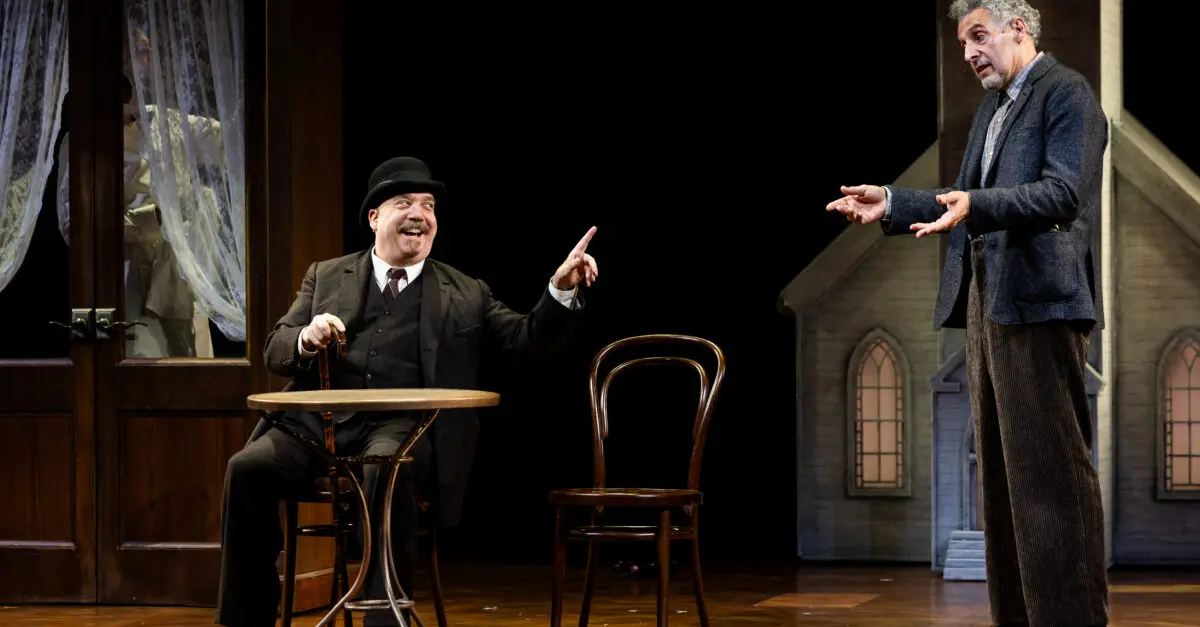
On August 21, 2026, the American Repertory Theater (A.R.T.) in Massachusetts transformed into a theater of the absurd—and the profoundly prophetic—with the official opening night of Eugène Ionesco’s mid-century masterwork, Rhinoceros. Directed by A.R.T. Artistic Director and Tony Award winner Diane Paulus, this high-profile staging arrives with a blockbuster cast led by Academy Award nominee Paul Giamatti as Jean, Emmy Award winner Tatiana Maslany as Daisy, and Academy Award and multiple Tony-nominated powerhouse John Turturro as the everyman protagonist, Bérenger.
Adapted from a translation by Derek Prouse, this production breathes terrifying new life into Ionesco’s 1959 allegorical exploration of conformity, mass hysteria, and the erosion of individual identity. As ordinary citizens in a sleepy provincial town quietly—and then with alarming speed—transform into aggressive, rampaging rhinoceroses, Bérenger finds himself holding the line against a tidal wave of social capitulation.
Beyond its stellar casting, A.R.T.’s Rhinoceros boasts a world-class creative team utilizing state-of-the-art stagecraft, including special effects design by Markus Maurette and a striking scenic landscape by Riccardo Hernández. Playing through September 20, 2026, the production has already generated significant critical and cultural buzz, positioning itself as a major theatrical event of the late summer season. This report provides an exhaustive look into the opening of the production, the timeless resonance of Ionesco’s text, the creative mechanics behind the staging, and what this mounting signifies for the modern American regional theater landscape.
Detailed Chronology: From Page to Stage at A.R.T.
The Genesis of a Modern Classic
Eugène Ionesco wrote Rhinoceros as a direct reaction against the rise of totalitarian ideologies—specifically fascism and Nazism—that swept across Europe in the 1930s and 40s. The play explores how easily societies can be infected by collective madness, where intellectual rigor and moral conviction give way to mindless stamping herds.
When Diane Paulus announced her intention to helm the piece at the American Repertory Theater, theater insiders immediately anticipated a visionary, physically daring interpretation. Paulus, renowned for her ability to fuse high-concept directorial choices with visceral emotional stakes (as seen in her landmark revivals of Hair, Pippin, and Waitress), recognized that Ionesco’s allegory of ideological contagion holds an increasingly urgent mirror up to the 21st century.
Rehearsals and Preview Performances
The journey to the August 21, 2026 opening night involved weeks of intensive physical and psychological preparation. Given the play’s unique blend of deadpan bourgeois comedy and escalating dystopian horror, the rehearsal room required a delicate balance.
John Turturro, stepping into the pivotal shoes of Bérenger—the rumpled, often inebriated clerk who serves as the play’s moral compass—spent weeks exploring the character’s profound sense of alienation. Opposite him, Paul Giamatti brought his trademark intensity and manic cadence to Jean, the proud, meticulously groomed friend who famously undergoes the chilling metamorphosis into a pachyderm. Tatiana Maslany, celebrated for her chameleon-like performance abilities on screen (Orphan Black), infused Daisy with a complex mixture of romantic idealism and eventual, heartbreaking surrender to the herd mentality.
Previews began in early August, drawing immediate attention from regional and national critics. Audience reactions during the preview block highlighted the production’s seamless shifts in tone—moving from the mundane bickering of small-town office workers to the thunderous, earth-shaking sonic manifestations of the rhinos taking over the streets.
Opening Night and Immediate Aftermath
Opening night on August 21 marked a triumphant milestone for the A.R.T. season. Celebrities, theater critics, and cultural figures gathered in Massachusetts to witness the curtain rise on a production that theatergoers are already calling a definitive statement on contemporary social polarization. With performances locked in through September 20, the production is running at near-capacity, cementing A.R.T.’s reputation as a premier incubator for intellectually rigorous, star-studded theater destined for broader horizons.
Supporting Context & Metrics: The Production Blueprint
To pull off a theatrical illusion as complex and conceptually demanding as Rhinoceros, A.R.T. assembled an elite cadre of designers and production personnel. Understanding the quantitative and logistical framework of the production reveals the immense scale of Paulus’s vision.
Cast and Creative Roster
The stellar principal cast is anchored by heavy-hitting talent across generations of stage and screen:
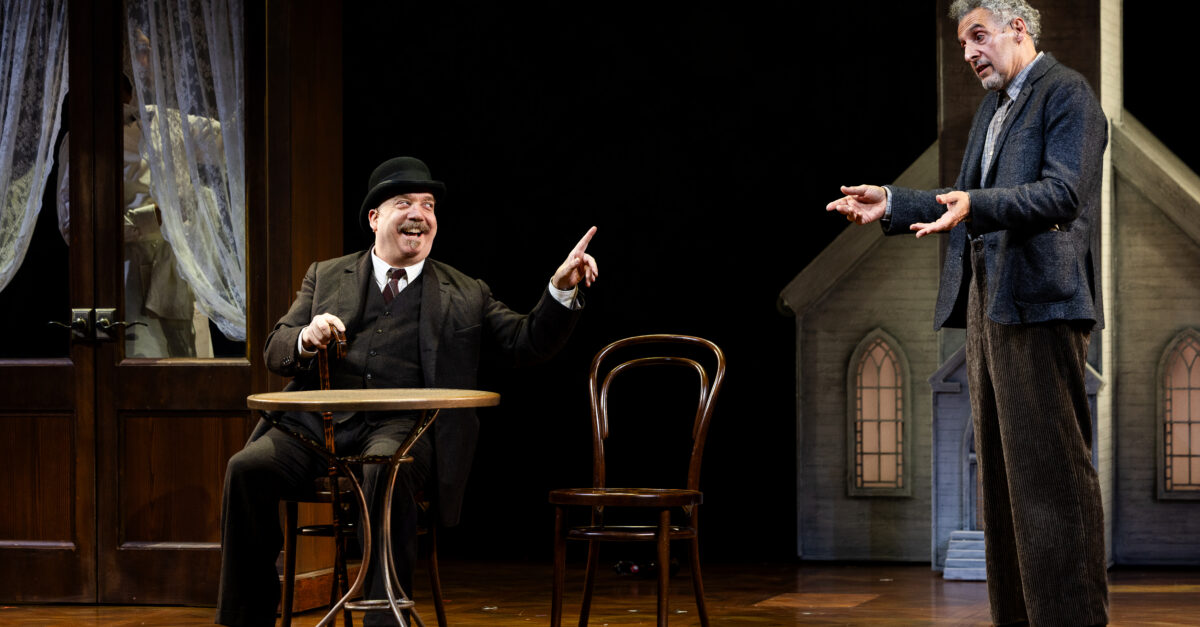
- John Turturro as Bérenger
- Paul Giamatti as Jean
- Tatiana Maslany as Daisy
- Harriett D. Foy as Housewife
- Peter Francis James as Grocer and Papillon
- Kristine Nielsen as Grocer’s Wife and Mrs. Boeuf
- Alex Ross as Dudard
- Clay Singer as Botard and Waiter
- Understudies: Britt Faulkner, David Mason, and Scott Stangland
Casting was executed by ARC’s Jarrett Reiche and Duncan Stewart, ensuring a deeply textured ensemble capable of navigating Ionesco’s rapid-fire absurdist dialogue.
Design and Technical Infrastructure
The physical manifestation of the town’s descent into beastliness relies on a synchronized interplay of design disciplines:
- Scenic Design: Riccardo Hernández crafted a malleable, suffocatingly mundane urban landscape that subtly warps as the rhinoceroses multiply.
- Costume Design: Anita Yavich navigates the transition from mid-century chic to animalistic utility, utilizing sartorial shifts to signal internal decay.
- Lighting Design: Jen Schriever employs stark, expressionistic lighting states to isolate characters in moments of moral crisis, shifting between harsh daylight and deep, looming shadows.
- Special Effects Design: Markus Maurette spearheads the technical marvels required to evoke the presence, sound, and visual impact of the rhinos without relying on literal, cartoonish costumes—keeping the terror grounded in psychological realism.
- Hair, Wig, and Makeup Design: Tom Watson ensures the meticulous grooming of characters at the top of the show makes their eventual disheveled degradation all the more striking.
- Movement and Combat: Fight Director Thomas Schall and Movement Advisor Jill Johnson worked extensively with the actors to develop the physical vocabulary of human-to-rhino transformation, turning bodily posture into an ideological battleground.
Official Statements & Artistic Vision
In statements surrounding the production, director Diane Paulus elaborated on why Rhinoceros demands to be staged right now.
"Ionesco wrote a play about a phenomenon that we all recognize, even if we pretend we don’t," Paulus noted during early press previews. "It’s about the terrifying ease with which common sense evaporates when the crowd starts moving in a single direction. When you look at the cast we have assembled—actors of extraordinary depth, intelligence, and humanity like John, Paul, and Tatiana—you realize this isn’t just an intellectual exercise. It’s a visceral, deeply human story about the cost of staying true to yourself when everyone else is shedding their skin to join the stampede."
John Turturro, discussing his approach to Bérenger, highlighted the character’s surprising relatability. "Bérenger starts out as a guy who can’t quite get his tie straight, who drinks too much, and who feels completely out of step with the rhythm of modern life," Turturro said. "And yet, in his sluggishness and his perceived flaws, he possesses something priceless: a conscience that refuses to be stampeded. Playing that journey every night is an exhilarating and terrifying tightrope walk."
Paul Giamatti reflected on the dual nature of Jean, who transitions from a pompous moralizing citizen into a roaring beast. "Jean fancies himself the ultimate rational man, someone who has it all figured out," Giamatti remarked. "Watching that intellectual rigidity crack open and give way to raw, unbridled conformity is one of the great acting arcs in modern dramatic literature. It’s fun, it’s wild, and it hits uncomfortably close to home."
Future Outlook: The Legacy of A.R.T.’s Rhinoceros
As Rhinoceros continues its strictly limited engagement at the American Repertory Theater through September 20, 2026, industry watchers are already asking: What’s next for the production?
Given the star power of Giamatti, Turturro, and Maslany, coupled with the visionary direction of Diane Paulus, commercial producers have cast a covetous eye toward the East Coast. While no official Broadway transfer has been announced as of press time, theatrical history suggests that productions of this magnitude—combining canonical absurdist texts with A-list screen talent—frequently find subsequent homes in New York or major international festival circuits.
For now, the focus remains squarely on the Massachusetts stage. Night after night, audiences watch as the quiet Sunday morning tranquility of Ionesco’s fictional town shatters under the weight of thundering hooves. In an era defined by political polarization, digital echo chambers, and cultural pressure to conform, A.R.T.’s Rhinoceros proves that theater remains our most potent laboratory for examining the human soul—reminding us that while joining the herd is easy, standing alone as a human being is the ultimate test of courage.
Tickets and further information regarding performance schedules for the remainder of the run through September 20 can be accessed directly at AmericanRepertoryTheater.org.