
By Francisco Salazar
Published in partnership with global cultural desks
Executive Overview
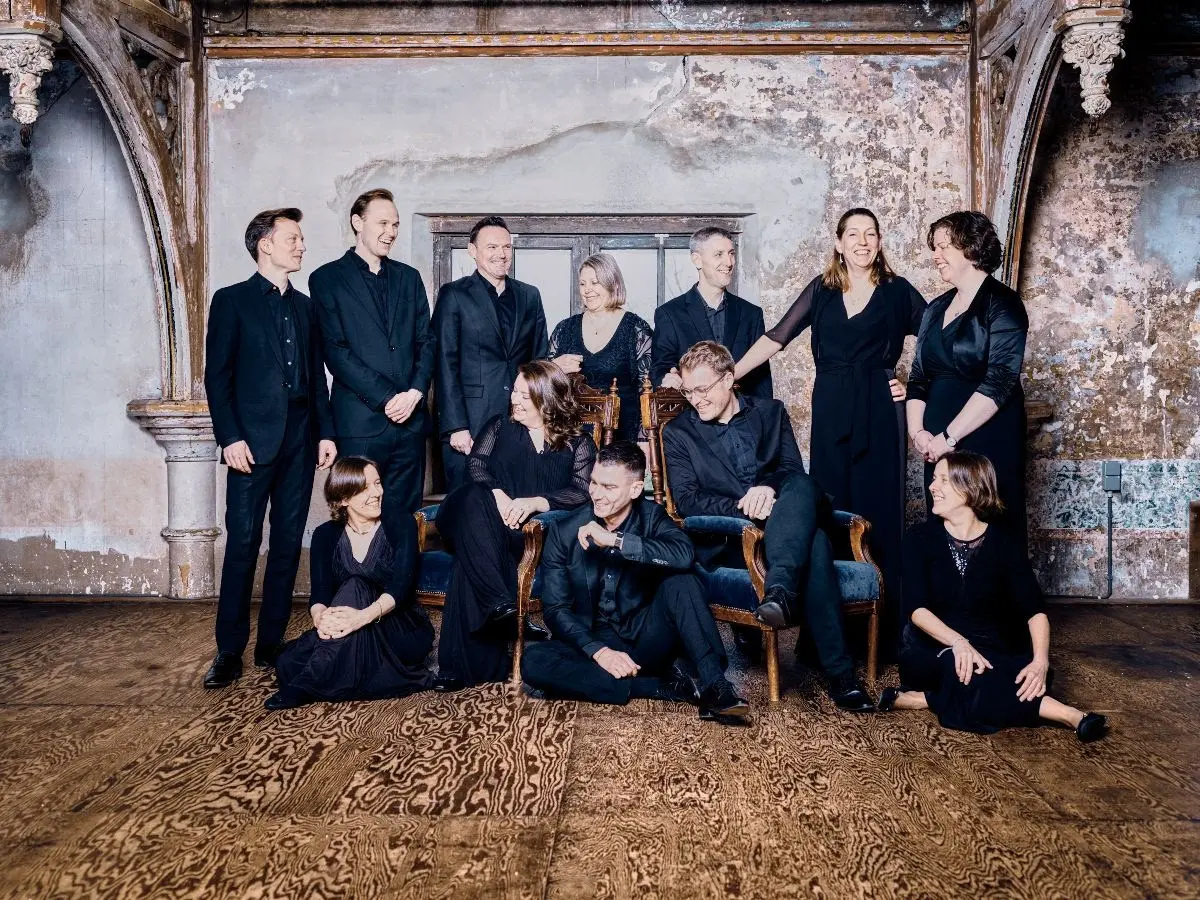
On October 15, the historic Church of St. Mary the Virgin in New York City will play host to one of the most anticipated choral music events of the autumn season. Stile Antico, the globally acclaimed, conductorless British vocal ensemble, is set to present an evocative, meticulously curated program titled “Polyphonic Postcards.”
This landmark performance bridges centuries of musical innovation, placing timeless Renaissance masterpieces in direct dialogue with a highly anticipated world premiere. Commissioned specifically for this occasion by the prestigious Miller Theatre, the new work by contemporary American composer Christopher Cerrone anchors a program designed to demonstrate the living, breathing relevance of early music. Alongside Cerrone’s modern sonic architecture, the ensemble will navigate a vast geographical and stylistic terrain, performing works by historical luminaries such as Thomas Tallis, Orlandus Lassus, Claudio Monteverdi, Francisco Guerrero, and Clément Janequin, among others.
For Stile Antico, this concert represents a continuation of their mission to redefine the parameters of vocal chamber music. Operating entirely without the guidance of a conductor, the ensemble relies on deep listening, shared artistic vision, and an astonishing degree of vocal synchronization. Their upcoming performance at the Church of St. Mary the Virgin—an architectural and acoustic jewel known for its soaring Gothic Revival spaces—promises to deliver the crystalline purity and emotional intensity that has earned the group international critical acclaim, multiple industry awards, and a devoted global following.
This report provides a comprehensive examination of the upcoming "Polyphonic Postcards" program, detailing the artistic lineage of Stile Antico, exploring the structural and historical significance of the featured repertoire, analyzing the mechanics of conductorless vocal ensembles, and outlining the broader cultural implications of commissioning contemporary works for early music forces.
Detailed Chronology: The Evolution of "Polyphonic Postcards"
The genesis of “Polyphonic Postcards” lies in Stile Antico’s continuous exploration of how Renaissance composers interacted across European borders, sharing techniques, text settings, and stylistic innovations. The program acts as a sonic itinerary, charting a musical grand tour across Tudor England, Renaissance France, Counter-Reformation Spain, the Low Countries, and the Italian principalities.
The Repertoire Landscape: From Tallis to Monteverdi
The chronological span of the program covers roughly a century and a half of intense musical development, tracking the transition from the rich, labyrinthine textures of late-medieval polyphony to the expressive, text-driven dramatic impulses of the early Baroque.
- The English School: Central to the British identity of Stile Antico is the inclusion of Thomas Tallis. Known for his monumental contributions to English sacred music, Tallis represents the sophisticated polyphony that survived the tumultuous religious shifts of the Tudor period.
- The Franco-Flemish Masters: The program reaches deep into the heart of the Franco-Flemish tradition through the works of Pierre Moulu, Claudin de Sermisy, and Clément Janequin. Janequin, in particular, is celebrated for his vibrant chansons descriptives, which utilize vocal onomatopoeia to mimic bird calls, battle scenes, and the bustling streets of Paris—a vivid "postcard" of 16th-century urban life.
- The Iberian Counter-Reformation: Representing the soaring, intensely spiritual vocal traditions of Spain are Francisco Guerrero and Alonso Lobo. Their works showcase the Spanish Golden Age’s capacity for architectural grandeur and emotional austerity, often written for the cavernous acoustics of cathedrals like Seville and Toledo.
- Central European and German Voices: Ludwig Daser and Ludwig Senfl introduce the distinct counterpoint of the Germanic lands, balancing humanist text settings with intricate contrapuntal engineering.
- The Low Countries and Italy: Orlandus Lassus—the cosmopolitan master whose career spanned Bavaria, France, and Italy—brings a mercurial emotional palette to the program. The evening culminates in the bridge to the Baroque with the music of Claudio Monteverdi, whose radical approach to dissonance and text expression (seconde prattica) forever altered the landscape of Western classical music.
The Christopher Cerrone Commission
The linchpin of the October 15 concert is the world premiere of a new work by Christopher Cerrone, commissioned by the Miller Theatre. Cerrone, a Pulitzer Prize finalist known for his luminous, subtly electronic, and deeply lyrical style, represents an intriguing foil to the Renaissance polyphonists.
In collaborating with Stile Antico, Cerrone has crafted a work that responds directly to the micro-polyphony and harmonic suspensions of the 16th century, translating historical textures into a contemporary American idiom. This commission continues Miller Theatre’s long-standing tradition of bridging historical performance practices with cutting-edge composition, offering audiences a rare opportunity to hear how modern sensibilities can inhabit and expand upon ancient vocal traditions.
Supporting Context & Metrics: The Anatomy of Stile Antico
To understand the weight of Stile Antico’s upcoming New York performance, one must examine the ensemble’s institutional history, performance model, and critical standing within the classical music ecosystem.
The Conductorless Model
Founded in 2001 by a group of Oxford and Cambridge university students, Stile Antico operates on a democratic chamber model. Unlike traditional choirs that rely on a conductor to dictate tempo, phrasing, and dynamic balance, Stile Antico rehearses and performs as a collective of peers.
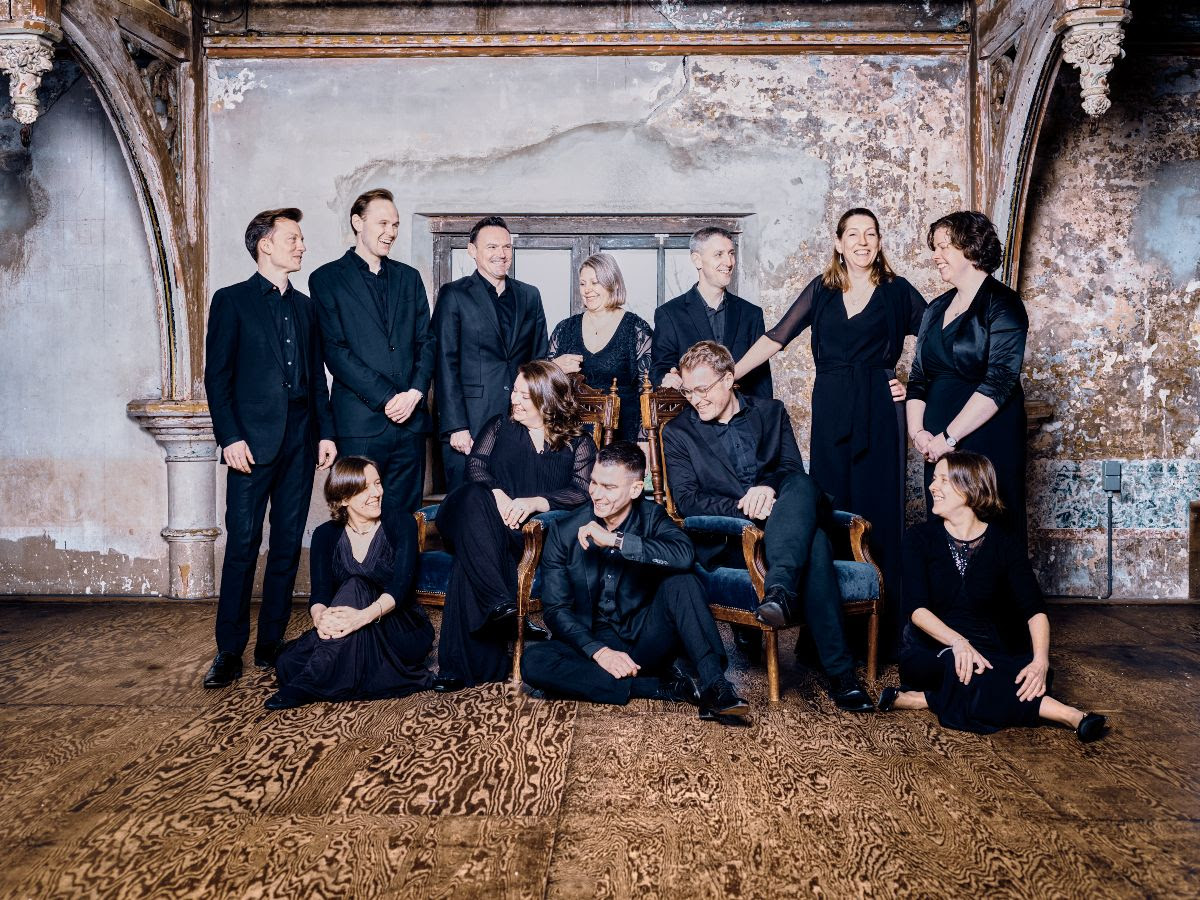
This approach requires an exceptional level of musicianship. Every singer must possess an intimate knowledge of the entire score, an acute awareness of acoustic blending, and the ability to negotiate subtle rubatos and breath-sharing in real time. The result is a transparent, highly flexible sound where individual vocal lines retain their distinct character while fusing into a seamless harmonic fabric.
Discography and Critical Accolades
Over two decades, Stile Antico has built a formidable discography primarily released through Harmonia Mundi, earning commercial success and critical validation across the industry’s most rigorous judging panels. Their trophy cabinet includes:
- Gramophone Award for Early Music: Recognizing their deep musicological research and stylistic authenticity.
- Diapason d’Or de l’Année: Cementing their reputation in France and across continental Europe as premier interpreters of Renaissance polyphony.
- Edison Klassiek Award: Highlighting their technical precision and interpretive depth in the Netherlands.
- Preis der deutschen Schallplattenkritik: Affirming their stature among German music critics for excellence in recording art.
These accolades underscore an ensemble that has successfully transitioned from a specialized collegiate interest group into one of the most vital, commercially viable vocal ensembles in the world today.
Official Statements and Industry Perspectives
Speaking on the conceptual framework behind "Polyphonic Postcards," representatives for Stile Antico emphasize the thematic resonance of the program in a modern, interconnected world.
"Music in the Renaissance was remarkably international," notes a spokesperson for the ensemble. "Composers traveled across borders, ideas were traded in royal courts and chapels, and a musical style forged in Flanders could be heard in the cathedrals of Spain or the private chambers of an English lord. With ‘Polyphonic Postcards,’ we wanted to map these historic pathways, showing how music served as a passport across cultural divides long before the age of digital media."
The inclusion of Christopher Cerrone’s commission has also drawn praise from contemporary music advocates, who view the collaboration as a vital step in maintaining the evolutionary chain of vocal art.
"When you pair Renaissance masters with a voice as distinct as Christopher Cerrone’s, you aren’t just contrasting old and new—you are revealing the DNA they share," remarks a Miller Theatre programmer. "Polyphony is not a museum piece; it is an ongoing human conversation about how we organize sound, breath, and emotion. Stile Antico proves that this conversation is as urgent today as it was five hundred years ago."
Future Outlook: The Resurgence of Renaissance Repertoire
The October 15 concert at the Church of St. Mary the Virgin arrives at a fascinating juncture for classical music programming. As audiences increasingly seek out intimate, acoustically rich experiences that offer respite from a hyper-digitalized world, early music ensembles are experiencing a significant renaissance of their own.
Stile Antico’s ability to sell out major venues on both sides of the Atlantic points to a broader cultural hunger for unamplified, text-driven acoustic music. By stripping away the barriers of the conductor’s podium and the distance of the proscenium arch, ensembles like Stile Antico create an immersive acoustic environment that feels both deeply personal and historically vast.
Looking forward, the success of "Polyphonic Postcards" is expected to set a benchmark for how early music is curated in major metropolitan centers. By anchoring historical programs with bold contemporary commissions, Stile Antico is not only preserving the past but actively writing its next chapter. As the last chord fades under the vaulted ceilings of St. Mary the Virgin this October, listeners will bear witness to a living tradition—one that proves centuries are no match for the unifying power of the human voice.