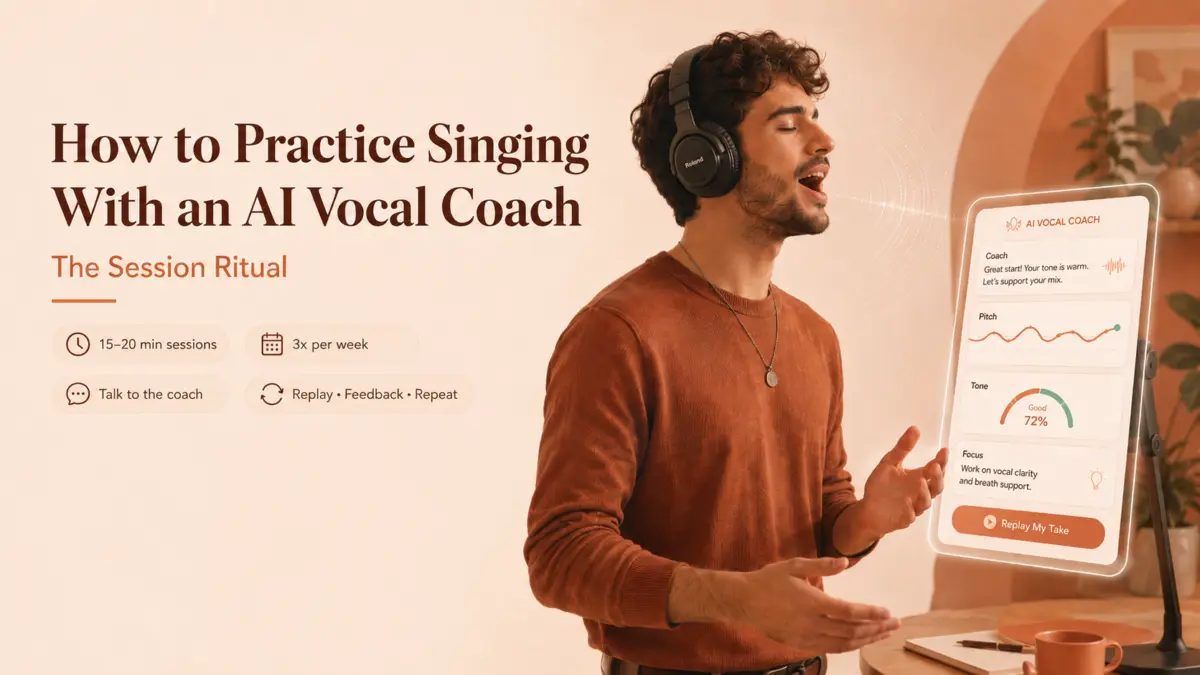

Executive Overview
The landscape of vocal pedagogy is undergoing a profound paradigm shift. For generations, voice training was defined by high economic barriers to entry, relying almost exclusively on expensive, one-on-one sessions with human instructors. Those unable to afford private coaching were often left to navigate self-guided practice, a path frequently fraught with incorrect techniques, vocal strain, and plateaued progress.
However, the emergence of artificial intelligence (AI) vocal coaches has democratized access to structured vocal development. Yet, as digital tools become ubiquitous, a new question emerges: What separates the singers who experience rapid, measurable growth from those who stall?
An analysis of longitudinal user data from leading digital platforms, including the Singing Carrots AI Vocal Coach, reveals a striking conclusion: the differentiator is not raw, innate talent, nor is it the sheer volume of practice. Instead, success is governed by session design, frequency, and interactive engagement.
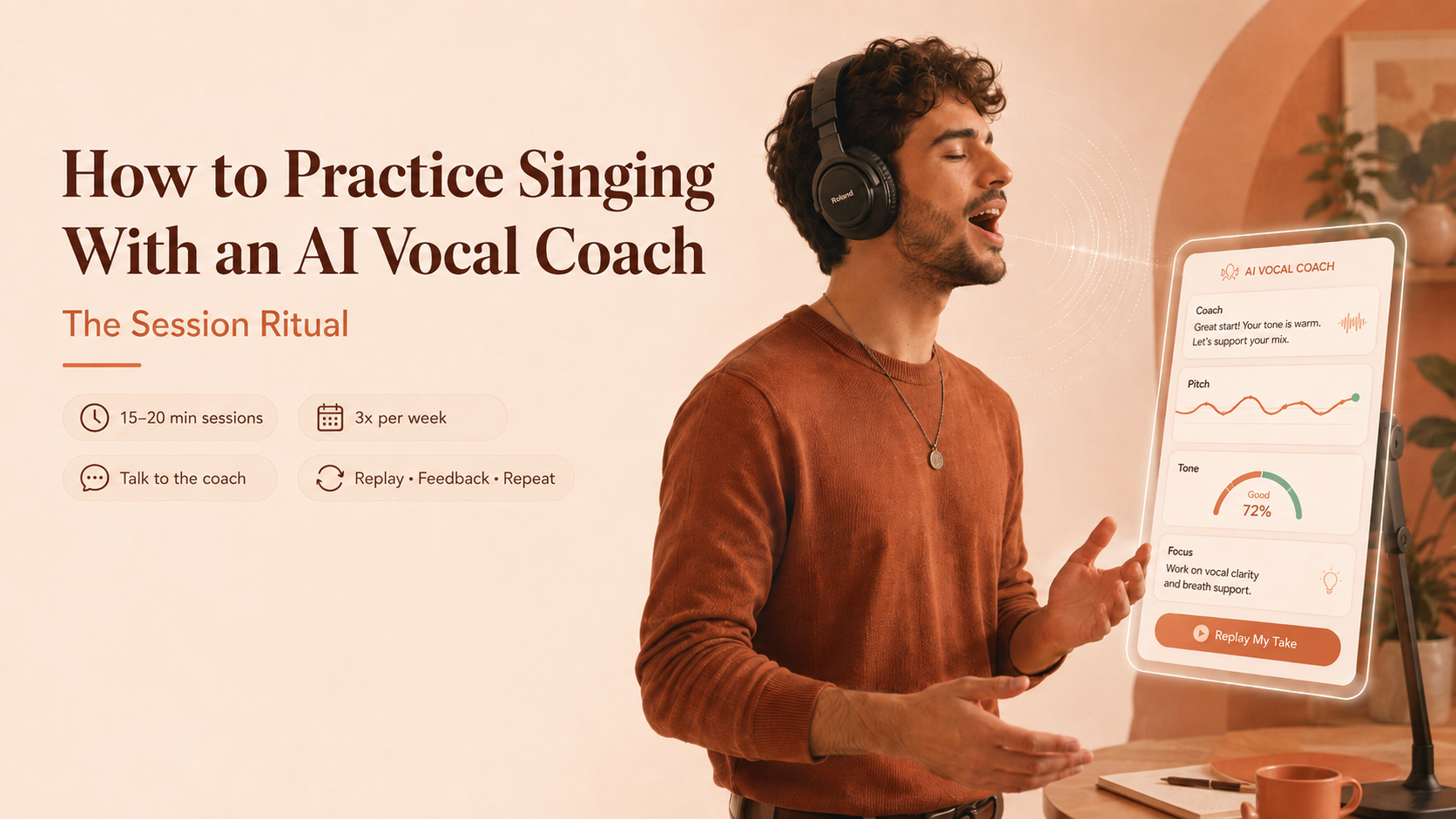
Recent empirical studies tracking singers over a seven-month period demonstrate that structured, consistent sessions of just 15 to 20 minutes, repeated three times a week, yield up to a 400% increase in vocal range expansion compared to sporadic, prolonged practice.
Furthermore, the data highlights a critical, often neglected feature of AI-assisted learning: active, bidirectional dialogue. Users who treat the AI coach as an interactive interlocutor—asking questions, adjusting difficulty levels, and feeding qualitative reflections back into the algorithm—experience significantly higher pedagogical gains than those who practice in silence.
This investigative report examines the mechanics of optimal AI vocal practice, the physiological and behavioral science supporting micro-learning, and the future of hybrid human-algorithmic music education.
Detailed Chronology: Anatomy of an Optimal AI Practice Session
To understand how artificial intelligence facilitates vocal development, we must dissect the anatomy of a highly effective practice session. Based on user telemetry and pedagogical research, the optimal practice session is not a passive exercise in mimicry, but a highly structured, three-phase ritual completed in under 20 minutes.
+-----------------------------------------------------------------+
|               THE 20-MINUTE OPTIMAL PRACTICE CYCLE              |
+-----------------------------------------------------------------+
|                                                                 |
|  [PHASE 1: PRE-SESSION]  -->  [PHASE 2: ACTIVE WORK]  -->  [PHASE 3: REFLECTION]  |
|      (Minutes 0-3)                (Minutes 3-17)              (Minutes 17-20)   |
|   - Establish intent           - Interactive exercises     - Replay key take    |
|   - Input custom parameters    - Real-time Q&A with AI     - Qualitative feedback|
|   - Integrate human advice     - Adjust pitch/difficulty   - Schedule next loop |
|                                                                 |
+-----------------------------------------------------------------+
Phase 1: Pre-Session Calibration and Intentionality (Minutes 0–3)
The foundation of a successful practice session is laid before the first note is sung. Rather than launching directly into random vocalizes, successful users establish a clear intent.
- Defining the Objective: The singer explicitly communicates their goal to the AI coach. This can range from target-specific outcomes (e.g., "I want to work on my mixed voice transition") to physiological constraints (e.g., "My voice feels slightly tired today, let’s focus on gentle breath support").
- Integrating Human Instruction: For singers utilizing a hybrid training model, this phase involves inputting custom instructions. By pasting specific exercises, scales, or conceptual notes from their human vocal coach into the AI’s custom parameter field, the user bridges the gap between traditional pedagogy and algorithmic reinforcement. The AI then recalibrates its real-time evaluation parameters to align with the human teacher’s curriculum.
Phase 2: Active Vocalization and Bidirectional Dialogue (Minutes 3–17)
During the core vocalization phase, the singer engages with real-time feedback mechanisms. Crucially, this is where high-performing singers leverage the most underutilized tool in AI training: verbal dialogue with the software.
- Dynamic Difficulty Adjustments: If an exercise feels too demanding or causes physical tension, the singer does not push through. Instead, they verbally instruct the AI to scale back: "Can we lower the key by a semitone?" or "Let’s slow down the tempo of this arpeggio."
- Pedagogical Inquiry: When confronted with a new or challenging exercise, successful users ask questions. Inquiring "Why am I doing this specific slide?" or "What muscle group should I feel working right now?" contextualizes the physical sensation, transforming a mechanical action into a conscious cognitive process.
Phase 3: Post-Session Auditory Feedback and Algorithmic Calibration (Minutes 17–20)
The final minutes of the session dictate the trajectory of future progress. Most amateur singers close their practice app immediately after finishing their last scale—a critical mistake that halts the reinforcement loop.
- Targeted Playback: The user selects a single recorded take from the session to replay and analyze. Listening to oneself objectively, detached from the physical act of singing, allows the brain to reconcile internal sensations with external acoustic realities.
- Closing the Algorithmic Loop: The singer provides qualitative feedback to the AI regarding their physical experience (e.g., "I felt some strain on the top G"). This data allows the machine learning model to refine its profile of the user’s voice, adjusting the baseline difficulty for subsequent sessions.
- Scheduling the Next Loop: The session concludes by locking in the next practice block, reinforcing habit formation through immediate commitment.
Supporting Context & Metrics: The Science of Vocal Growth
The efficacy of the 15-to-20-minute, high-frequency practice model is supported by compelling empirical data and established principles of neurobiology and vocal physiology.
The Semitone Trajectory: Analyzing the Data
In a landmark seven-month study published by Singing Carrots, researchers tracked the progress of vocalists utilizing their AI coaching platform. The study monitored two primary cohorts:
- Low-Frequency/Short-Term Users: Singers who completed five or fewer sessions before stopping.
- High-Frequency/Consistent Users: Singers who completed six or more structured sessions and maintained a regular practice rhythm.
The divergence in vocal range expansion between the two groups was stark:
| Cohort | Number of Completed Sessions | Average Vocal Range Expansion (Semitones) | Retained Gains at 3 Months |
|---|---|---|---|
| Cohort A (Low Consistency) | $le 5$ | 0.9 semitones | Minimal / Regression observed |
| Cohort B (High Consistency) | $ge 6$ | 3.6 to 4.4 semitones | Highly Stable |
VOCAL RANGE EXPANSION BY COHORT (IN SEMITONES)
==============================================
Cohort A (Low Consistency)  |  ███ 0.9
Cohort B (High Consistency) |  ██████████████████████████████ 4.4
==============================================
This data demonstrates that consistency, rather than marathon practice blocks, acts as the primary catalyst for physiological adaptation in the vocal tract. The rapid expansion of vocal range (averaging approximately four semitones) among consistent users indicates that the voice is highly responsive to regular, structured stimulation.
The Physiology of the 20-Minute Sweet Spot
To understand why a 20-minute session is superior to a 60-minute session, one must examine the biomechanics of the larynx.
The vocal folds consist of delicate muscle tissue (the thyroarytenoid and cricothyroid muscles) covered by a mucosal membrane. Like any fine muscle group, these tissues are highly susceptible to fatigue, micro-tears, and swelling when subjected to prolonged, unaccustomed stress.
+-----------------------------------------------------------------------+
|                 THE VOCAL FATIGUE CURVE IN PRACTICE                   |
+-----------------------------------------------------------------------+
|                                                                       |
| Performance /                                                         |
| Vocal Health                                                          |
|      ^                                                                |
|      |          Optimal Zone (15-20m)                                 |
|      |             /-------                                          |
|      |            /                                                  |
|      |           /                                                   |
|      |          /                                                    |
|      |         /                 Fatigue Zone (30m+)                 |
|      |        /                 _________________                    |
|      |       /                                                       |
|      |      /                                        Danger Zone     |
|      |     /                                         (60m+)          |
|      +----+------------------------------------------------------->  |
|           0        15        20                    45         60      |
|                                 Time (Minutes)                        |
|                                                                       |
+-----------------------------------------------------------------------+- The Risk of Over-Singing: After approximately 30 minutes of continuous vocalization, especially for untrained singers, accessory muscles in the neck, jaw, and tongue base begin to compensate for laryngeal fatigue. This leads to the recruitment of incorrect muscle groups, reinforcing poor vocal habits and increasing the risk of vocal nodules or chronic hoarseness.
- The Spaced Repetition Advantage: Motor learning research shows that the brain consolidates muscle memory far more effectively through spaced repetition. Three 20-minute sessions per week provide three distinct sleep cycles for the brain to process and lock in the neuromuscular pathways developed during practice. Conversely, one weekly 60-minute session offers only a single consolidation window, while simultaneously introducing a high risk of vocal strain during the final 30 minutes of the lesson.
Official Statements and Pedagogical Perspectives
The integration of artificial intelligence into vocal education has drawn close analysis from both tech developers and traditional vocal instructors.
In statements detailing the design philosophy behind the Singing Carrots AI platform, developers emphasize that the software is engineered to act as an active collaborator rather than a passive reference tool:
"We monitor thousands of practice sessions, and the overriding pattern we see is that the singers who improve the fastest are those who treat the AI as a conversation partner. The single most underused feature on our platform is the simple act of talking to the coach. When a user tells the AI what they want to accomplish, or asks why a specific exercise is being assigned, they are engaging in active metacognition. That intellectual engagement translates directly into physical coordination."
Traditional vocal coaches are also increasingly embracing AI as a valuable tool to enhance home practice. Elena Rostova, a private vocal instructor with over two decades of experience in classical and contemporary training, notes:
"The greatest challenge for any vocal teacher is what happens between lessons. A student comes to my studio once a week, we make great progress, and then they go home and spend six days either not practicing at all, or worse, practicing with terrible technique because they can’t remember the correct physical sensations.
By using an AI coach as an interactive practice supervisor, my students can input my specific instructions into the app. The AI ensures they stay within their safe pitch boundaries, monitors their pitch accuracy, and keeps them accountable. It doesn’t replace me; it ensures that the work we do in our face-to-face lessons is preserved and reinforced daily."
Future Outlook: The Next Stage of AI-Assisted Artistry
As artificial intelligence models continue to evolve, the capabilities of digital vocal coaching are poised to expand far beyond pitch detection and basic vocalizes.
1. Real-Time Physiological Modeling
The next generation of AI vocal coaches will likely integrate computer vision and advanced acoustic analysis to assess physical posture, jaw tension, and breathing mechanics. By analyzing subtle variations in the harmonic spectrum of a singer’s voice, future algorithms will be able to detect tongue tension, laryngeal height, and subglottic pressure without requiring physical sensors. This will allow the virtual coach to provide highly specific physiological cues, such as "Your formant frequencies suggest your soft palate has dropped; try lifting it as if beginning a yawn."
2. Deep Integration with Human-Led Curriculums
The division between human-led instruction and AI coaching will continue to dissolve. Future platforms will feature dedicated teacher portals, allowing instructors to directly program, monitor, and adjust their students’ AI practice regimens remotely. The AI will serve as a continuous data-gathering tool, providing the human teacher with detailed metrics on their student’s pitch stability, vocal range fluctuations, and practice consistency throughout the week.
3. Hyper-Personalized Adaptive Learning Paths
As machine learning models ingest larger datasets of vocal progression, they will develop predictive capabilities. Rather than relying on static syllabi, the AI will dynamically construct highly personalized learning paths based on the user’s specific vocal anatomy and rate of progression. If the algorithm detects that a singer’s mixed voice transition improves more rapidly when using nasal consonants versus open vowels, it will automatically recalibrate the user’s entire curriculum to leverage those specific phonetic pathways.
Ultimately, the rise of AI vocal coaching is not a threat to the artistry of singing, but a powerful catalyst for its democratization. By replacing the grueling, unstructured marathon practice sessions of the past with highly focused, 20-minute scientific rituals, technology is unlocking the latent vocal potential of singers worldwide. The future of vocal mastery lies at the intersection of human passion, physiological discipline, and algorithmic precision.