
Executive Overview
The contemporary improvised music scene thrives on a dynamic tension between historical reverence and radical sonic exploration. Across Europe, from the coastal creative hub of Brighton to the meditative landscapes of Eastern Europe and Scandinavia, artists continue to stretch the boundaries of jazz, ambient music, and modern composition. This dispatch offers a deep-dive critical analysis of three significant 2025 releases that encapsulate this vibrant dichotomy: Fire In Orbit by the Brighton-based spiritual jazz ensemble Hill Collective; Songs From Porgy And Bess by the Chris Coull Quartet featuring vocalist Imogen Ryall; and Windscapes, the atmospheric ambient collaboration between Romanian innovator Emil Gherasim (Fluidian) and Norwegian trumpeter Nils Petter Molvaer.
While each project occupies a markedly different stylistic territory—ranging from the freewheeling, Mingus-esque polyphony of a large ensemble to the reverent yet muscular bop arrangements of a classic American opera, down to the ethereal, slow-pulsing soundscapes of ambient jazz—they share an uncompromising commitment to artistic integrity. Together, these releases reflect a broader cultural shift within the genre: musicians are no longer content with mere pastiche. Instead, they are interrogating the foundational archives of jazz and ambient expression, filtering them through contemporary sensibilities, and delivering works that demand both intellectual engagement and visceral immersion.
Detailed Chronology & Track-by-Track Analysis
Hill Collective: Fire In Orbit (Batov Records, BTR137)
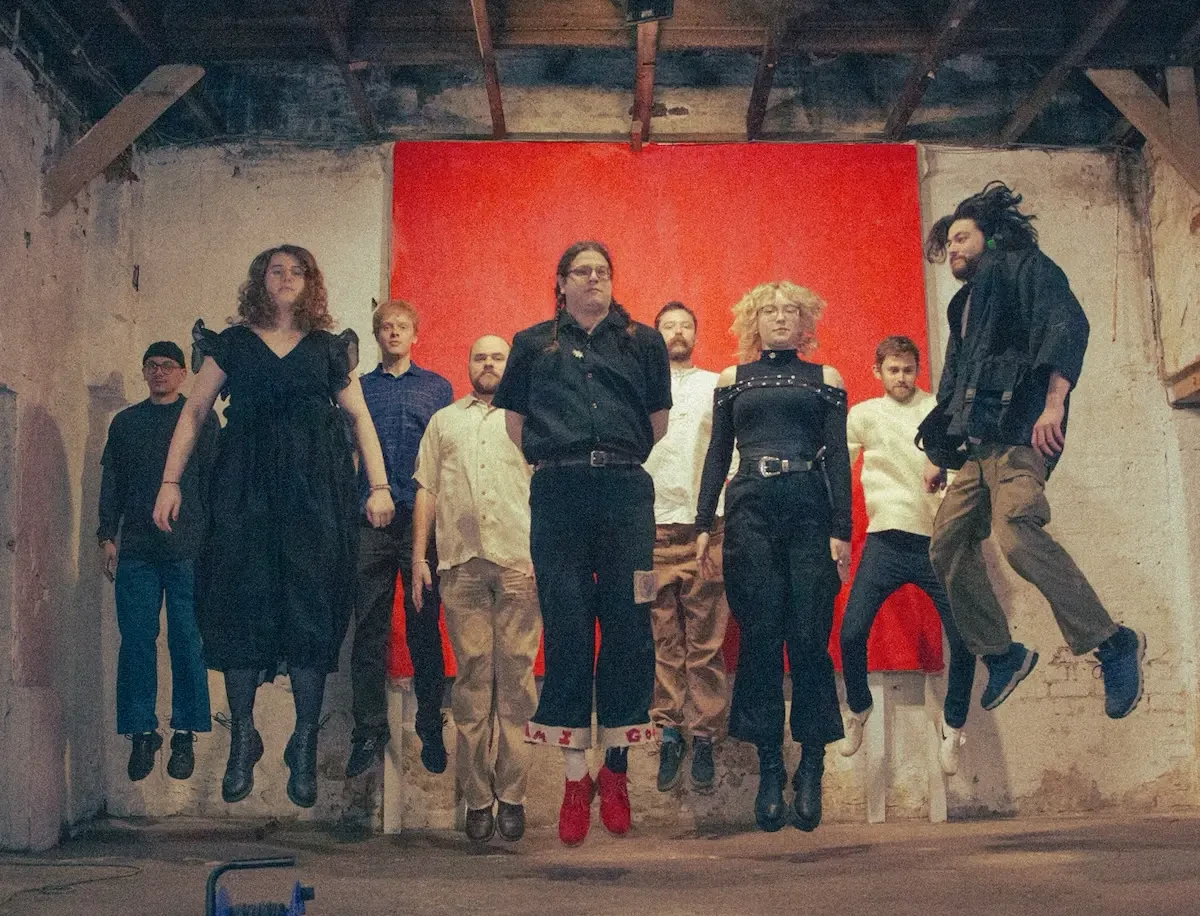
Rooted deeply in the idioms of spiritual jazz while maintaining a distinctly unpolished, high-octane live energy, the Brighton ensemble Hill Collective has delivered one of the most compelling studio statements of the year with their sophomore full-length, Fire In Orbit. Following their 2024 debut, this new collection is notably leaner and more sharply focused, channeling the cosmic mysticism of Sun Ra alongside the chaotic, driving intensity of a Charles Mingus big band. Recorded at Sea Breeze Studios in early 2025, the album captures a sprawling 11-piece outfit operating at the height of its telepathic powers.
The journey begins with the title track, "Fire In Orbit," which sets an immediate precedent for the album’s thematic architecture. The piece opens with calculated restraint, a hypnotic piano motif looping gracefully over a snapping, elastic drum beat. Soon, a sweeping vocal chorus lifts the arrangement toward cosmic heights before bandleader Pete Piskov cuts through the ether with a searing alto saxophone statement. As the track progresses, individual solos and communal choruses merge and dissolve, brilliantly mirroring the celestial mechanics implied by the album’s title.
The mood shifts decisively inward with Keep Breathing. Here, an exploratory dialogue between saxophone and flute establishes a devotional pulse. The introduction of vocals elevates the piece from a mere musical composition into a meditative mantra, showcasing the ensemble’s ability to cultivate profound stillness amidst complex textures.
A House Is A Home Like Honey represents a masterclass in unhurried pacing. Built upon a relaxed, deceptively simple theme, the composition slowly unfurls over several minutes. However, this apparent simplicity masks profound arrangement skills; around the seven-minute mark, the horn section swells in unison, generating a formidable wall of emotional intensity before gracefully subsiding back into reflective calm.
The album concludes with Song For A Blossom Baby, a structurally distinct piece featuring an angular time signature, vaguely Eastern intonations, and a clear chorus-solo-chorus architecture. Unsettling interjections and abrupt tempo shifts inject a delightful element of surprise. The track’s final minutes—marked by controlled sonic disorder—serve as a potent reminder of Hill Collective’s prowess as a live act, proving that their thrilling stage adventures translate seamlessly to vinyl.
Personnel: Pete Piskov (as, pc); Will Roberts (tb); Ivy Koska (c); Jay Orpana (f, v); Max Generowicz (vn); Vincent Malloch (elg); Luke Congdon (p, ky); Chris Luu (kyb, v); Joe Snelling (b); Sudhi S Pooniyil (tab); Joe Edwards (d, cga, oc).
Chris Coull Quartet with Imogen Ryall: Songs From Porgy And Bess (Rubicon, RJZ1008)
Shifting focus within the vibrant Brighton music scene, trumpeter and tireless local promoter Chris Coull steps forward with a brilliant, meticulously curated reinterpretation of George Gershwin’s immortal folk opera, Porgy And Bess. Coull’s fascination with the material dates back to his childhood, when he stumbled upon his father’s vinyl copy of the legendary 1958 Miles Davis and Gil Evans collaboration. This foundational exposure was later reinforced by the Glyndebourne box set featuring bass-baritone Willard White. Though the idea of crafting his own arrangements had gestated for decades, it was the fortuitous discovery of vocalist Imogen Ryall—whose impeccable diction, innate jazz sensibility, and theatrical framing make her the ideal interpretive vessel—that finally brought the project to fruition.
Revisiting Porgy And Bess in the contemporary landscape presents distinct challenges. The cultural ubiquity of the Gershwin songbook, the towering legacy of the Davis-Evans collaboration, and iconic vocal pairings such as Louis Armstrong and Ella Fitzgerald threaten to cast an intimidating shadow over any modern reading. Furthermore, contemporary artists must navigate the commercial pressures surrounding the Miles Davis centenary. Coull effortlessly sidesteps these predictable clichés. By leaning into the strength of his own arrangements while remaining fiercely faithful to the spirit of the originals, he breathes vibrant new life into the score.
Recorded on July 23, 2025, in Tunbridge Wells, Kent, the album opens with a brisk, snappy rendition of The Buzzard Song. This is followed by My Man’s Gone Now, transformed here into a deeply emotional, reworked revelation. Other standout moments include the buoyant delight of It Ain’t Necessarily So, the sanctified, spiritual heights of Prayer (Oh Dr Jesus), and the rare pleasure of hearing There’s A Boat Leaving Soon For New York given such energetic treatment.
Throughout the session, the rhythm section functions with a light, airy touch. Pianist John Turville delivers moments of striking eloquence, bassist Simon Thorpe provides grounded, melodic foundations (most notably on I’ve Got Plenty Of Nothing), and drummer Matt Fishwick maintains immaculate consistency. Eschewing the languid, melancholic blues tropes traditionally associated with the opera, Coull handles the trumpet and flugelhorn (featured on all but two tracks) with a distinct bop sensibility, injecting precision and intellectual rigor into every bar.
Personnel: Chris Coull (t, flh); Imogen Ryall (v); John Turville (p); Simon Thorpe (b); Matt Fishwick (d).
Fluidian: Windscapes (Fluidian Music, Bandcamp Download)
Bridging geographical and stylistic divides, Romanian sonic innovator Emil Gherasim returns under his Fluidian moniker with Windscapes. Following up on his acclaimed 2022 collaboration with Norwegian trumpeter Arve Henriksen, Opaque Lights, Gherasim has crafted a suite of 14 miniature, momentary pieces that function as ephemeral, emotionally charged sound adventures.
Windscapes operates in an imaginary psychological space where visual perception blurs and obscure visions are swathed in ambiguity. The music pulses at a deliberate, measured pace, summoning images of a darkened, mist-laden landscape floating quietly beneath a silver moon. Gherasim constructs these wondrous ambient backdrops utilizing layered guitar lines, intricate pizzicato accompaniments, and judiciously selected chamber orchestra samples that command the listener’s attention without ever demanding aggressive focus.
On six of the tracks, Gherasim is joined by legendary Norwegian trumpeter Nils Petter Molvaer. True to form, Molvaer plays with unhurried grace, his tone remarkably poised and precise. The chemistry between Gherasim and Molvaer is symbiotic; yet, Windscapes transcends the traditional vehicle for solo showcases. Instead, its triumph lies in the cohesive ambience and immersive atmosphere of the entire set. This is anti-fast-food music—an expansive, restorative soundbath designed for deep, unhurried listening.
Personnel: Nils Petter Molvaer (t); Emil Gherasim (p, g, syn, elec, chamber orchestra samples).
Supporting Context & Metrics
To fully appreciate the weight of these three releases, one must examine the metrics and cultural ecosystems that sustain them in 2025. The contemporary European jazz and ambient sectors are experiencing a renaissance driven by independent labels and artist-led cooperatives.
- Geographic Distribution: The UK underground remains anchored by hyper-local creative ecosystems, notably Brighton, which has punched well above its weight class through entities like Hill Collective and Chris Coull’s promotional ventures. Meanwhile, cross-border European collaborations (such as Gherasim’s continued work with Scandinavian luminaries like Molvaer) highlight the borderless nature of modern ambient jazz.
- Production Philosophies: Across all three releases, there is a clear rejection of hyper-compressed, over-produced studio polish. Hill Collective embraces the raw, organic edges of large-ensemble chaos; the Chris Coull Quartet captures the spontaneous breath of an acoustic jazz session recorded live-in-studio; and Fluidian prioritizes tactile, textural warmth via analog-leaning synth pads and organic chamber samples.
- Release Formats: While streaming and Bandcamp downloads remain critical for niche ambient works like Fluidian’s Windscapes (utilizing direct-to-consumer digital ecosystems), physical media—particularly vinyl and compact disc via boutique labels like Batov Records and Rubicon—continues to be the lifeblood for ensemble jazz projects, satisfying a dedicated collector base that values physical liner notes and definitive audio fidelity.
Official Statements & Critical Commentary
Industry analysts and participating artists have noted the distinct socio-musical motivations steering these projects. Commenting on the logistical and creative hurdles of bringing Songs From Porgy And Bess to fruition, bandleader Chris Coull emphasized the necessity of breaking away from historical reverence:
"To approach Gershwin today is to walk through a museum of ghosts. Every note played by Miles or Ella hangs in the air. Our goal was never to replicate that past, but to interrogate the structural brilliance of the compositions through a modern bop lens, driven entirely by Imogen Ryall’s unmatched theatricality and phrasing."
Similarly, speaking on the collaborative ethos behind Hill Collective’s Fire In Orbit, composition leader Pete Piskov highlighted the deliberate choice to retain rough edges in an era of digital perfection:
"Spiritual jazz shouldn’t feel antiseptic. When you have eleven musicians pushing and pulling against each other—channeling Mingus one minute and Sun Ra the next—the magic happens precisely in the friction. We wanted an album that breathes, sweats, and occasionally trips over itself just like a real stage performance."
Reflecting on the immersive nature of Windscapes, Emil Gherasim discussed the intentional pacing of his work with Nils Petter Molvaer:
"We live in a culture of hyper-acceleration. With Windscapes, Nils and I wanted to construct a sonic sanctuary—a place where the listener loses track of time, where the boundaries between silence and sound dissolve entirely."
Future Outlook
As the music industry navigates the latter half of the decade, the trajectory established by Hill Collective, the Chris Coull Quartet, and Fluidian points toward an encouraging future for independent, genre-defying composition.
- De-centralization of Creative Hubs: The continued cultural output of regional UK cities like Brighton proves that world-class, critically revered music no longer requires a London-centric address. Expect further decentralization as artists seek sustainable creative communities outside traditional metropolitan cost centers.
- Archival Reinterpretation: As demonstrated by Chris Coull’s success with Porgy And Bess, the future of jazz standards lies not in slavish imitation, but in bold, highly personalized recontextualizations that speak to contemporary social and artistic values.
- The Rise of Ambient-Improv Hybrids: The seamless interplay between structured jazz improvisation and ambient soundscape design—pioneered by artists like Gherasim and Molvaer—will likely see increased traction, offering listeners meditative alternatives to traditional high-tempo jazz formats.
Ultimately, these three releases remind us that true artistic vitality resides on the margins, where creators remain unburdened by commercial formulas and dedicated solely to the pursuit of authentic sonic truth.