
Executive Overview
For more than a century, the iconic yellow-and-black bordered Playbill has served as the ultimate talisman of theatrical attendance. It is a physical manifestation of the communal experience—a tangible keepsake tucked into pockets, collected in scrapbooks, and proudly displayed on coffee tables as a badge of cultural engagement. Historically, however, this quintessential Broadway artifact remained strictly the domain of professional commercial productions operating within the tight confines of the Midtown Manhattan theatre district. Local high school auditoriums, regional playhouses, elementary school multi-purpose rooms, and community theatre troupes routinely settled for photocopied staple-bound pamphlets or generic, uninspiring program templates that lacked prestige.
That paradigm has shifted irrevocably.
Through PLAYBILLDER—Playbill’s innovative, fully customizable program-building platform—the gold standard of theatrical publishing has been placed directly into the hands of grassroots creators, educators, students, and regional producers. Today, a middle school mounting a scaled-down production of Macbeth in rural Ohio or a community playhouse tackling Stephen Sondheim’s grim masterpiece Sweeney Todd in the Pacific Northwest can hand their audiences programs boasting the exact same layout, professional typography, and aesthetic authenticity as a multimillion-dollar Broadway revival.
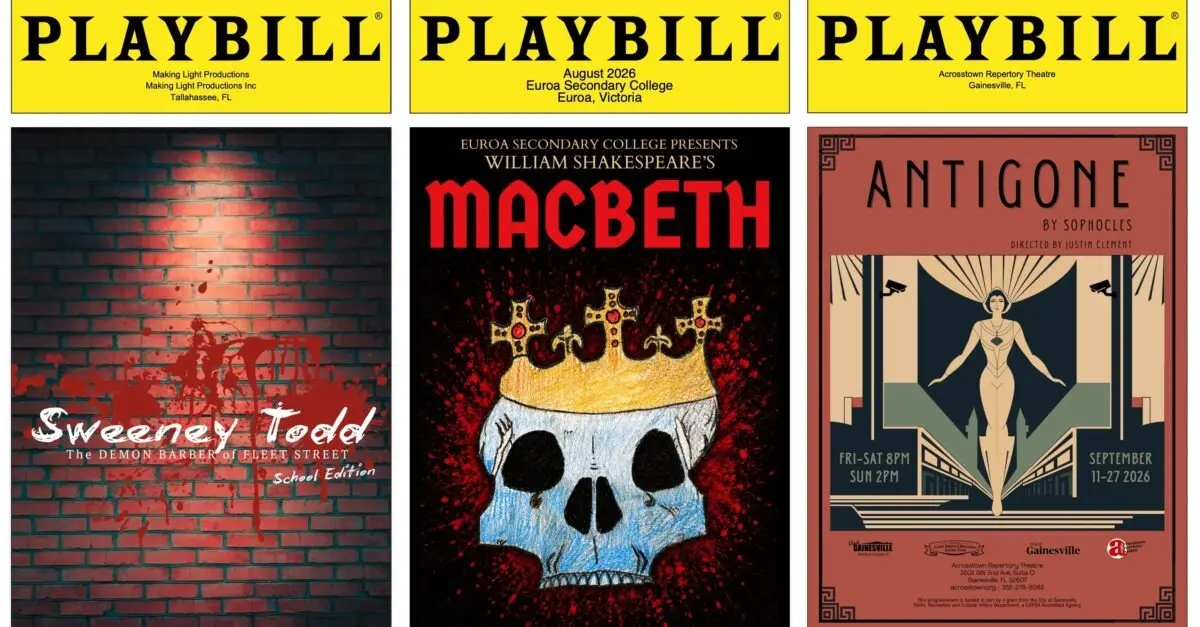
In this installment of the PLAYBILLDER Spotlight, we examine a curated gallery of ten standout custom covers submitted by educational institutions, regional theatres, and community groups from across the country. Beyond celebrating artistic ingenuity, this report investigates the broader cultural and economic implications of democratizing theatrical media, exploring how digital tooling fosters a lifelong love for the performing arts in the next generation while professionalizing the regional stage.
Detailed Chronology: The Evolution of PLAYBILLDER and Grassroots Customization
To understand the profound impact of today’s custom PLAYBILLDER covers, one must examine the evolutionary trajectory of theatrical program distribution and how technological advancements paved the way for widespread democratization.
Phase 1: The Monopolization of the Physical Artifact (1884–Early 2000s)
Since its founding in 1884 by Frank Vance Strauss, Playbill evolved from a modest publication handed out at the Fifth Avenue Theatre into an absolute theatrical monopoly. For generations, the logistical barriers to entry for custom playbill production were insurmountable. Printing presses required massive minimum order quantities, high plate-setup costs, and complex distribution channels. Consequently, regional and educational theatres were forced to design their own programs using rudimentary desktop publishing software, printing them on standard office copiers with heavy-cardstock covers if budget permitted. The gap between Broadway and the rest of the country remained wide and visible.
Phase 2: The Digital Genesis and Early Iterations (2010s)
Recognizing a burgeoning demand from regional directors and ambitious student organizations eager for authentic branding, Playbill launched early iterations of digital program-building tools. These nascent platforms allowed users to input cast lists, insert local advertisements, and select from a limited array of templates. While these early tools successfully bridged a logistical gap, design flexibility remained restricted. Users operated within rigid boundaries, and true creative autonomy over the iconic cover art was limited.
Phase 3: The All-New PLAYBILLDER Platform and Creative Autonomy (Present)
The modern era of PLAYBILLDER represents a total technological overhaul. The current platform empowers users to design their own covers from scratch, upload bespoke high-resolution artwork, integrate personalized color schemes, and leverage advanced typography tools that mimic the exact aesthetic standards of Broadway Playbills. As highlighted in our October 2026 gallery spotlight, users are no longer just filling in blanks; they are acting as executive art directors for their own productions. From Dunsinane to Fleet Street, creators are leveraging this freedom to produce stunning visual artifacts that rival commercial design houses.
Supporting Context & Metrics: The Cultural and Educational Impact
The transition toward professionalized local programming is not merely an aesthetic upgrade; it carries profound psychological, educational, and economic implications for the theatrical ecosystem.
Fostering the Next Generation of Theatre Lovers
Educational theatre serves as the primary incubator for future arts consumers, administrators, technicians, and performers. According to arts education impact studies, students who participate in high-production-value environments develop a deeper sense of self-efficacy and respect for collaborative creative processes.
When a high school student sees their name printed alongside a professional bios section inside an authentic Playbill format, the psychological shift is palpable. It validates their labor, elevates their self-perception from "school play participant" to "professional artist," and engenders a lifelong reverence for the performing arts. Furthermore, audience members—parents, local business owners, and community leaders—treat the performance with heightened gravity when greeted by a polished, Broadway-grade program.
The Economics of Grassroots Regional Theatre
Regional and community theatres operate on notoriously razor-thin margins. Historically, allocating funds toward high-end graphic design and commercial printing for playbill covers drained resources away from set construction, costume design, and actor compensation.
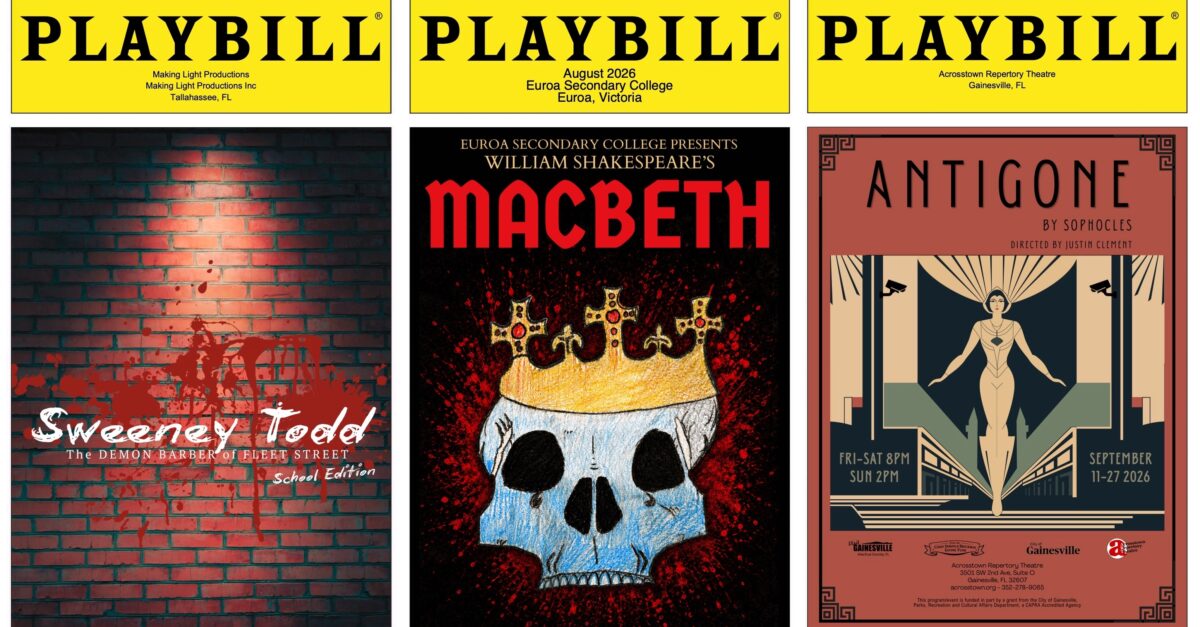
PLAYBILLDER mitigates this economic friction through streamlined digital architecture. By enabling organizations to design professional programs in-house at a fraction of traditional printing overhead, groups can redirect capital into mission-critical production elements. Moreover, the platform’s built-in advertising sales features allow regional theatres to seamlessly integrate local business sponsorships directly into the program, turning the playbill into a revenue-generating vehicle rather than a budgetary liability.
Official Statements and Industry Insights
The democratization of theatrical media has earned widespread praise from educators, regional directors, and publishing executives alike.
"The introduction of the all-new PLAYBILLDER platform was designed with a singular mission: to honor the incredible work happening on stages far beyond Broadway," notes leadership from Playbill’s editorial and digital development teams. "When a regional theatre group or an elementary school drama club pours months of exhausting labor into a production, their audiences deserve to hold a program that reflects that dedication. By putting our design tools directly into the hands of local creators, we are safeguarding the future of live performance across America."
Regional directors utilizing the platform frequently echo these sentiments, emphasizing the emotional resonance the physical artifact holds for young performers.
"Handing a high school senior their first Playbill with their headshot, bio, and a custom-designed cover tailored specifically to our production of Macbeth is a transformative moment," shares a veteran high school drama instructor from the Midwest. "It tells them that their art matters, that their stage is legitimate, and that they belong to a grand, centuries-old artistic lineage."
Future Outlook: Where Do We Go From Here?
As we look toward the future of theatrical publishing and community engagement, the horizon for platforms like PLAYBILLDER is defined by technological convergence, environmental sustainability, and expanded global reach.
1. Hybrid Digital-Physical Integration
While the tactile allure of the paper Playbill remains irreplaceable—underscored by the continued popularity of official display frames and collector cases sold through the Playbill Store—the future points toward sophisticated hybrid models. Future iterations of custom programs are anticipated to integrate dynamic QR-enabled digital content, allowing audiences to view live-streamed behind-the-scenes footage, access digital donor walls, and interact with augmented reality (AR) set designs directly from their seats.
2. Expanded Global and International Adoption
While PLAYBILLDER has primarily served domestic elementary, high school, community, and regional theatres across the United States, international demand is rising rapidly. English-language international schools, overseas community theatre groups, and fringe festivals abroad are increasingly seeking out authentic American theatrical branding. The scalability of cloud-based design platforms positions PLAYBILLDER for significant global expansion over the next decade.
3. Sustaining the Art Form at the Grassroots Level
Ultimately, the health of Broadway and the West End relies entirely on the vitality of the grassroots ecosystem. If regional playhouses and school auditoriums shutter, the pipeline of talent and enthusiastic audiences dries up. By equipping local creators with professional-grade publishing tools, PLAYBILLDER acts as a vital structural pillar supporting the entire theatrical industry.
Conclusion: How to Get Involved
For directors, educators, and event planners eager to elevate their next production, the path to Broadway-quality publishing is accessible. By visiting Playbillder.com, users can access intuitive design suites, explore template galleries inspired by current and classic theatrical milestones, and construct custom covers destined for the spotlight.
Whether mounting a classic Shakespearean tragedy, a contemporary musical, or a community talent showcase, the tools are now available to ensure every production receives the star treatment it deserves. And for those wishing to preserve these treasured theatrical milestones for years to come, archival display frames remain available through the official Playbill Store.
The stage is set, the house lights are flickering, and with PLAYBILLDER, the curtain is rising higher than ever before.