
Executive Overview
The intersection of artificial intelligence and educational technology (EdTech) has entered a highly sophisticated phase. No longer limited to basic, linear instruction or static feedback, modern learning platforms are evolving into adaptive, context-aware digital mentors. In the realm of music education—a discipline historically reliant on high-cost, one-on-one human instruction—the transition to scalable digital alternatives has faced significant hurdles. Early-generation singing applications functioned primarily as visual tuners, telling users whether they were flat or sharp in real time, but failing to offer the holistic, structured feedback required for true vocal development.
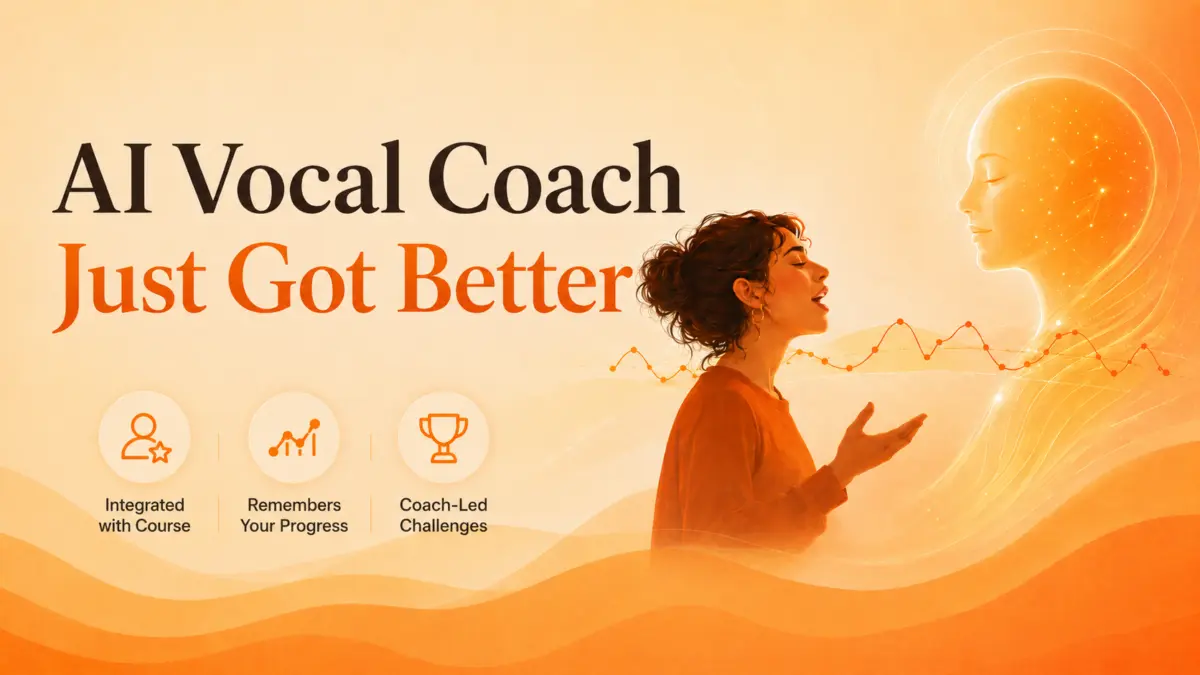
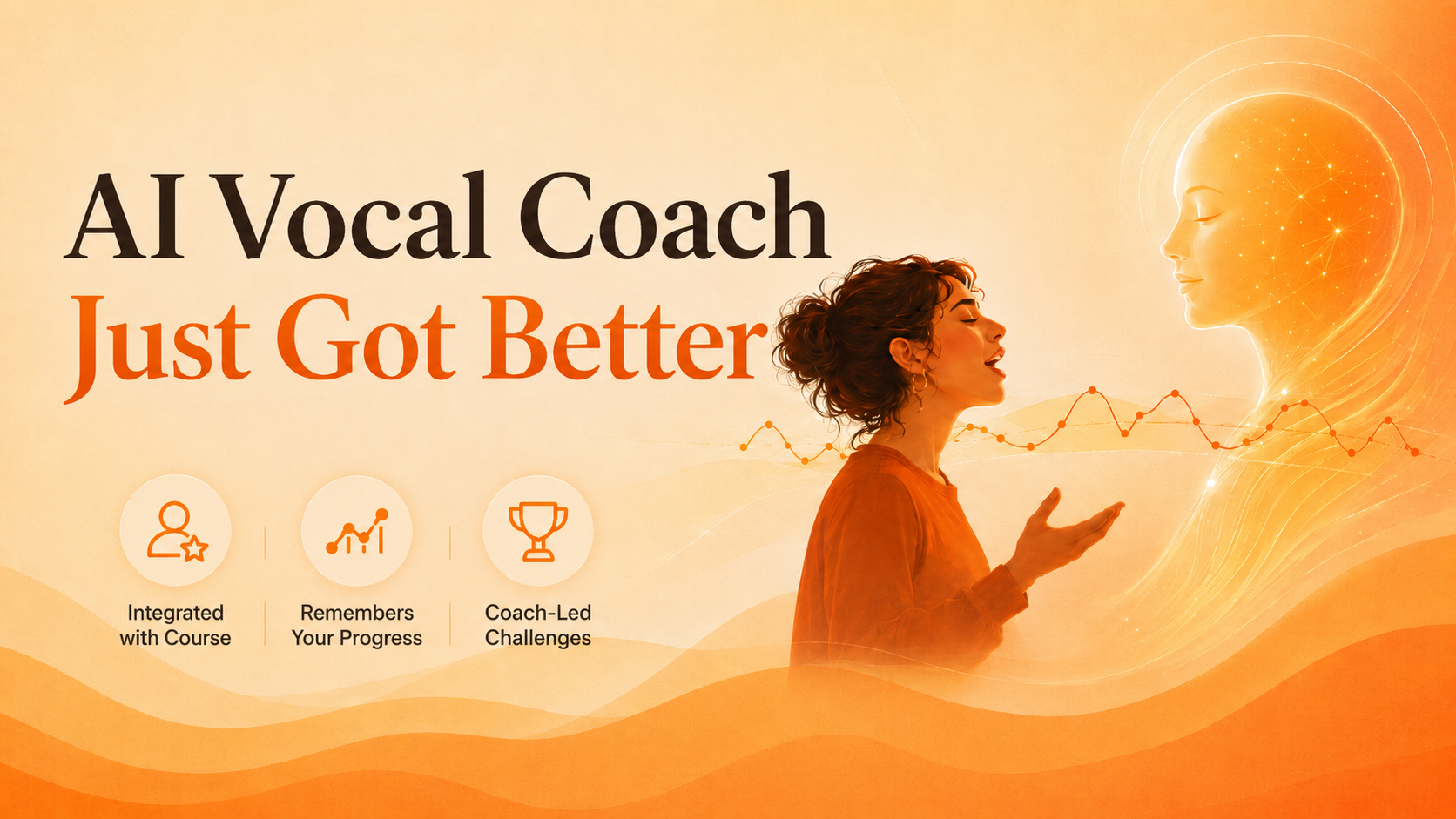
The latest major update to the Singing Carrots AI Vocal Coach represents a fundamental shift in this landscape. Termed by its development team as a generational leap from version 1.0 to 2.0, this update bridges the gap between mechanical pitch detection and comprehensive vocal pedagogy. By integrating a structured four-week beginner curriculum directly into the AI coaching engine, establishing a persistent memory system for practice sessions, introducing contextual gamification, and implementing targeted physical training like breath-control exercises, Singing Carrots is aiming to challenge the traditional boundaries of remote music education.
This investigative analysis explores the architecture of this update, the pedagogical principles underpinning its new features, and its broader implications for the rapidly growing market of AI-assisted vocal training.
Detailed Chronology: Inside the 2.0 Architecture
To understand the scope of the Singing Carrots update, it is necessary to dissect the specific structural and feature-level changes that define this version 2.0 release. Rather than presenting users with a fragmented suite of isolated tools, the updated platform unifies curriculum, tracking, and physical conditioning into a single, cohesive user experience.
+-------------------------------------------------------------------------+
|                       SINGING CARROTS AI COACH 2.0                      |
+-------------------------------------------------------------------------+
                                     |
      +------------------------------+------------------------------+
      |                              |                              |
      v                              v                              v
[Zero to Hero Course]      [Persistent Memory Engine]    [Vocal Conditioning]
  - Dynamic Warm-ups         - Historic Mastery Curves     - Sustain-Hold (5-30s)
  - Just-in-Time Theory      - Dynamic Exercise Skipping   - Breath-Support Metrics
  - Coached Progression      - Difficulty Calibration      - Integrated Carrot Rewards
1. Unified Curricular Integration: The "Zero to Hero" Synthesis
Previously, Singing Carrots maintained a structural division between its educational content—most notably the foundational Zero to Singing Hero course—and its interactive AI coaching sessions. Users had to manually navigate between learning theoretical concepts in one module and practicing exercises in another.
In the 2.0 architecture, this division has been eliminated:
- Contextual Delivery: The system now operates as an active guide. When a user launches a coaching session, the platform dynamically serves the day’s warm-up video and introduces relevant theoretical concepts and exercise demonstrations precisely when they are needed.
- Unified Progress Tracking: Completing an interactive coaching session automatically updates the user’s progress within the broader four-week curriculum. This eliminates the friction of manual tracking and ensures that beginners are always practicing with a clear pedagogical purpose.
2. Cognitive Memory & Adaptive Learning Algorithms
A primary limitation of early-stage digital tutors is their "amnesiac" nature; every session begins as a blank slate, forcing users to manually skip mastered material or repeat redundant exercises. Singing Carrots 2.0 addresses this by introducing a persistent memory engine.
[User Performance Data] ---> [Memory Engine: Tracks Success Rate & Range]
                                    |
                                    v
                       [Is Exercise Mastered?]
                             /
                           YES           NO
                           /
[Deprioritize Pattern; Intro New Key] [Maintain Spaced Repetition]- Historical Performance Analysis: The AI coach tracks every vocal pattern sung by the user, recording the frequency of attempts, pitch accuracy, and historical personal bests.
- Dynamic Exercise Deprioritizing: Once the algorithm determines that a user has mastered a specific vocal interval or scale pattern, it deprioritizes that exercise in subsequent sessions. This optimizes practice time, shifting the focus to areas requiring active development.
- Contextual Difficulty Calibration: The platform’s algorithm contextualizes scores based on aggregate user data. If a specific interval transition is statistically difficult for most singers, the AI coach recognizes a "good" score as a significant achievement, offering realistic encouragement and adjusting the user’s progression path accordingly.
3. Gamification and the Psychology of Practice
While structured lessons appeal to disciplined students, long-term skill acquisition requires sustained engagement. The 2.0 update introduces Coach-Led Challenges directly into the core conversational flow.
- In-Session Pitch Training: The AI coach can dynamically invite users to participate in high-stakes pitch-matching challenges when it senses the user is ready for a test of skill.
- Seamless Leaderboard Integration: Users can view their scores, track personal records, and check their standing on weekly global leaderboards without exiting the active coaching environment. This maintains the flow state of the practice session while leveraging friendly competition to boost motivation.
4. Physical Fundamentals: Breath Control and Note-Steadiness
Singing is as much a physical, athletic endeavor as it is a cognitive one. Recognizing that pitch accuracy is entirely dependent on breath support, the update introduces targeted sustain-hold training.
- Steady-State Diagnostics: Users are tasked with holding a single note steadily for durations ranging from 5 to 30 seconds.
- Aerodynamic & Myofunctional Feedback: The tool analyzes pitch drift, volume fluctuations, and vocal steadiness over time, training the respiratory muscles and vocal folds to work in harmony.
- Incentivized Conditioning: These physical exercises are fully integrated into the platform’s "carrot" reward system, elevating breath control from a chore to an essential, gamified pillar of daily practice.
Supporting Context & Metrics: The AI Music Tech Landscape
The release of Singing Carrots 2.0 arrives during a period of rapid growth and consolidation in the digital music education market. To contextualize this update, it is helpful to look at how the application positions itself within the broader ecosystem of AI-driven vocal training tools.
In a comprehensive market evaluation analyzing the Top 7 AI Vocal Coaches, industry analysts highlight several critical variables that determine the efficacy of digital music platforms:
| Metric / Feature | Traditional Singing Apps | First-Gen AI Coaches (v1.0) | Singing Carrots AI Coach 2.0 |
|---|---|---|---|
| Pitch Detection Latency | Low (Real-time) | Low (Real-time) | Low with Contextual Smoothing |
| Curriculum Structure | Static / Linear | Fragmented (Self-Directed) | Fully Integrated & Adaptive |
| User Progress Memory | None (Session-Only) | Basic Stat Tracking | Persistent & Predictive |
| Physical Training (Breath) | Absent | Separated Utility | Fully Integrated into Coaching Flow |
| User Retention Mechanics | Low (High Churn) | Moderate (Gamified) | High (Adaptive Challenges & Memory) |
The Churn Problem in Digital EdTech
Historically, self-directed learning apps suffer from extremely high abandonment rates within the first 14 days. This "churn wall" is usually caused by two factors: cognitive overload (beginners not knowing what to do next) and repetitive boredom (advanced users feeling unchallenged).
By implementing an automated, adaptive curriculum that remembers past sessions, Singing Carrots directly targets these pain points. The system lowers cognitive overload by removing decision-making from the user—the coach simply presents the next logical step. Concurrently, it wards off boredom by dynamically scaling difficulty and offering optional competitive challenges.
Official Statements and Philosophy
The architectural choices underpinning the 2.0 update reflect a specific philosophy regarding the role of artificial intelligence in creative disciplines. Rather than seeking to replace human vocal instructors, the development team views the AI coach as an accessible, daily practice companion that prepares students for higher-level artistic training.
In statements regarding the release, the creators of Singing Carrots emphasized the shift from reactive tools to proactive, relational software:
"A standard pitch-detection app is essentially a digital mirror—it shows you what you look like, or in this case, what you sound like, but it doesn’t tell you how to improve your posture. A real vocal coach does not simply watch you sing and read out pitch frequencies; they remember your struggles from last week, they know when you are fatigued, and they know when you need to be pushed out of your comfort zone. With version 2.0, our goal was to instill those exact qualities of memory, empathy, and structured guidance into our AI engine."
This approach shifts the software’s identity from a utility tool to an interactive learning environment, signaling a broader trend where consumer software is expected to adapt to the user’s unique cognitive and physical pace.
Future Outlook: The Next Frontier of AI Vocal Coaching
The advancements debuted in Singing Carrots 2.0 offer a preview of where the broader music EdTech industry is heading over the next three to five years. As machine learning models become more sophisticated and consumer hardware continues to improve, we can expect several key trends to shape the future of digital vocal pedagogy:
+-----------------------------------------------------------------+
|               THE EVOLUTION OF DIGITAL VOCAL PEDAGOGY            |
+-----------------------------------------------------------------+
|                                                                 |
|  [PHASE 1: Static Utilities]                                    |
|   - Real-time pitch visualizers                                 |
|   - No historical memory or curricular structure                |
|                                                                 |
|  [PHASE 2: Adaptive Coached Environments]  <-- CURRENT STATE    |
|   - Integrated lesson paths (e.g., Singing Carrots 2.0)         |
|   - Persistent memory and spaced repetition of exercises        |
|   - Gamified physical conditioning (breath control)             |
|                                                                 |
|  [PHASE 3: Multimodal Biomechanical Analysis] <-- FUTURE        |
|   - Computer-vision jaw, neck, and posture tracking             |
|   - Advanced formant and vocal tract resonance analysis         |
|   - Real-time vocal fatigue and strain diagnostics              |
+-----------------------------------------------------------------+
1. Multimodal Biomechanical Feedback
Future iterations of AI vocal coaches will likely move beyond audio-only analysis. By leveraging consumer-grade webcams and on-device computer vision, platforms will soon be able to analyze a singer’s posture, jaw tension, and breathing mechanics in real time. Combining visual posture data with acoustic analysis will allow AI tools to diagnose the physical root causes of vocal strain, rather than merely identifying the resulting pitch inaccuracies.
2. Advanced Formant and Timbre Analysis
While pitch and duration are relatively simple to track, the true beauty of a singing voice lies in its timbre, resonance, and vowel clarity. Upcoming generations of AI coaches will likely utilize advanced formant analysis to help singers optimize their vocal tract shape. This will assist users in developing a warmer, more resonant tone (choral singing) or a brighter, more projected sound (musical theater and pop belt) safely and systematically.
3. Deep Integration with Human Instructors
Rather than rendering human teachers obsolete, sophisticated AI tools are poised to become their greatest asset. A hybrid "flipped classroom" model is emerging, where students use adaptive apps like Singing Carrots to handle the daily, repetitive mechanics of ear training, pitch control, and breath support. This frees up limited, expensive face-to-face lesson time for human instructors to focus on artistic expression, emotional delivery, and advanced stylistic nuances.
With the launch of version 2.0, Singing Carrots has laid a robust foundation for this future, proving that an AI vocal coach can be far more than a simple pitch-tracking utility—it can be a thoughtful, adaptive partner on the journey from novice to confident performer.