
Executive Overview
After more than four decades of blazing trails, defying industry conventions, and delivering uncompromising messages through walls of heavy guitar distortion, BRIDE—one of the absolute founding pillars of Christian metal—is officially preparing to step away from the American stage. The legendary outfit has announced their final domestic appearance, setting the date for a historic farewell performance on Saturday, October 10, 2026, at Rock House 39 in Lancaster, Ohio. They will be joined by special guest Legacy for what is slated to be an emotional, high-energy punctuation mark on a monumental chapter in modern music history.
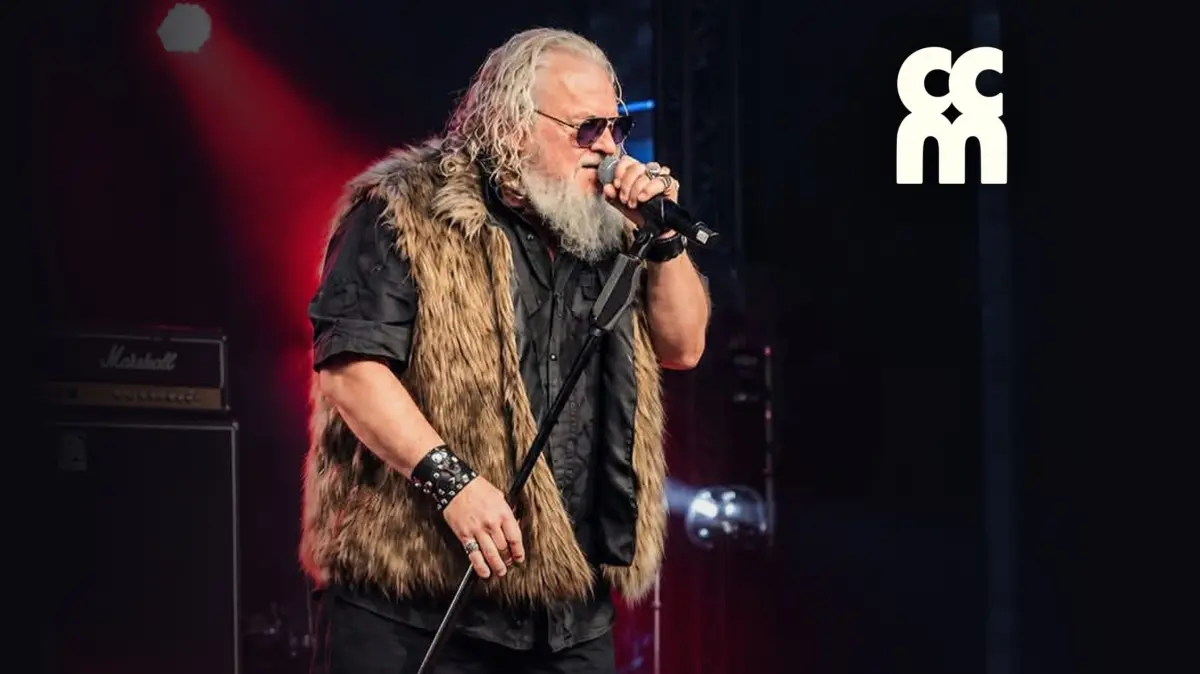
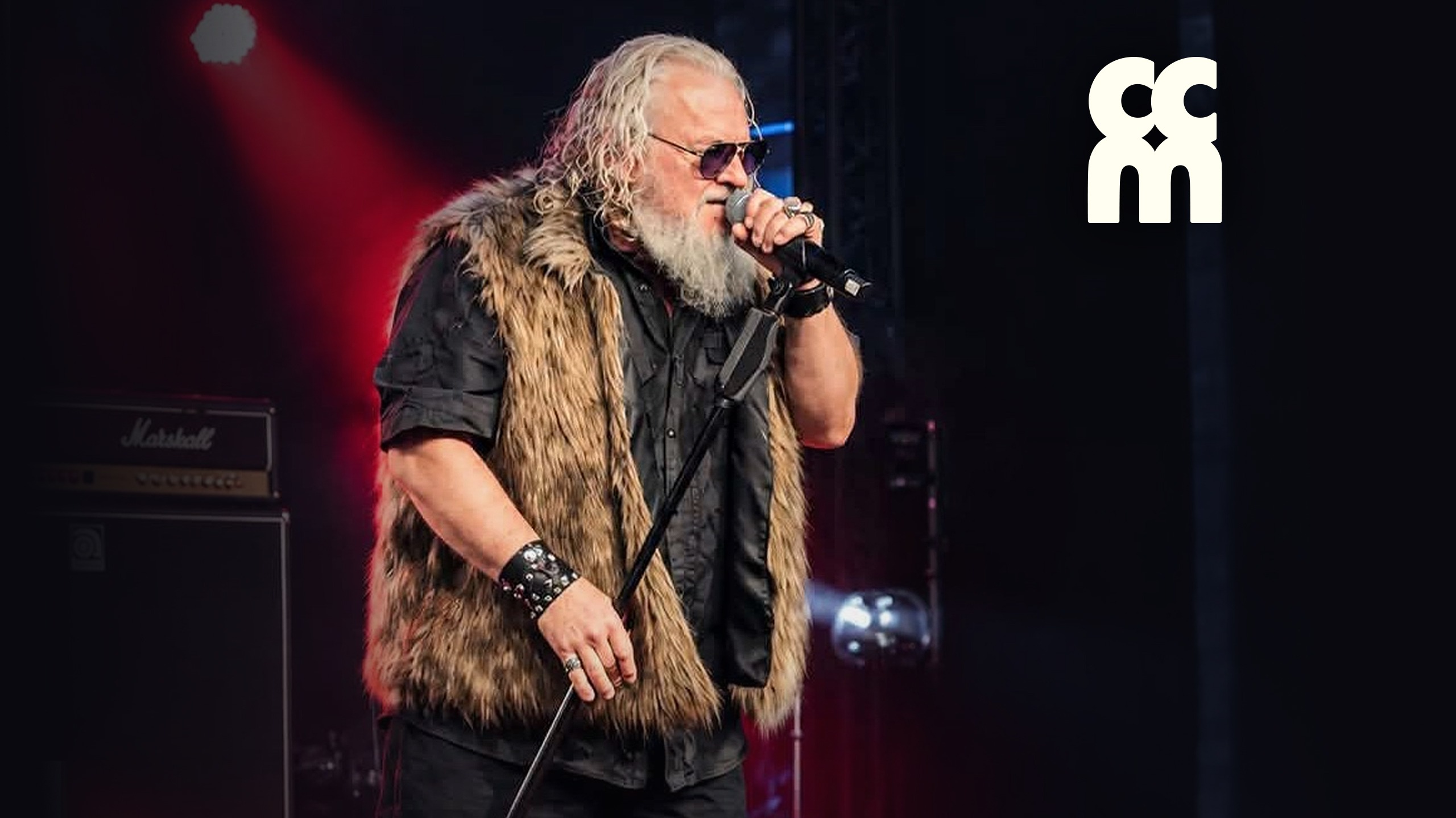
For over forty years, frontman Dale Thompson and his rotating yet steadfast lineup of musicians have served as spiritual and sonic warriors. They carved out a genre that many mainstream industry executives initially dismissed as an oxymoron: heavy metal explicitly rooted in Christian faith. Through relentless touring, a staggering discography, and a fearless attitude toward controversial topics, BRIDE did not merely participate in the evolution of Christian rock; they actively built its foundation.
Now, the clock is ticking down on their domestic touring career. Band leadership has made it abundantly clear that this is not a tactical pause, a routine hiatus, or the setup for a deceptive farewell tour circuit. For American fans who grew up headbanging to Silence Is Madness or Snakes in the Playground, October 10, 2026, represents the absolute final chance to experience the raw, visceral power of BRIDE on home soil. While the band has hinted at international dates—including a planned run in Brazil following their U.S. bow—the era of the domestic BRIDE tour is coming to a definitive, unalterable close.
Detailed Chronology: The Evolution of a Heavy Metal Institution
To truly understand the weight of BRIDE’s upcoming farewell, one must look back at the arduous, trailblazing journey that began in Louisville, Kentucky, in the early 1980s. Formed by brothers Dale Thompson (vocals) and Troy Thompson (guitars), the band emerged during a cultural and musical renaissance that saw independent artists utilizing the heavy metal medium to evangelize and articulate deep theological concepts.
The Genesis and the Underground Years (1983–1988)
In the early days of Christian heavy metal, bands operated largely on the fringes of both the secular music industry and traditional church culture. Secular metal was viewed with intense suspicion by religious gatekeepers, while mainstream music critics routinely overlooked faith-based independent releases. Amidst this hostile landscape, BRIDE released their formative material, establishing a reputation for raw, blues-infused thrash and traditional heavy metal.
Their early albums laid the groundwork for a dedicated cult following. Dale Thompson’s piercing, gritty vocal delivery—often compared favorably to iconic secular frontmen like Ronnie James Dio and Rob Halford—gave the band an undeniable authority. Coupled with Troy Thompson’s ferocious guitar riffs, BRIDE quickly graduated from local Kentucky clubs to national recognition within the burgeoning Christian underground music scene.
Commercial Breakthrough and Critical Acclaim (1989–1995)
The 1990s marked the commercial zenith of BRIDE’s career. With landmark releases such as Silence Is Madness (1989), kinematic (1991), and the watershed album Snakes in the Playground (1992), the band broke through creative and stylistic boundaries. Snakes in the Playground, in particular, is frequently cited by music historians as a masterpiece of alternative metal and grunge-infused hard rock. It demonstrated that BRIDE was not merely mimicking secular trends, but actively innovating within them.
During this period, the band earned multiple Dove Award nominations and secured a devoted global fanbase. They tackled gritty social issues, institutional hypocrisy, addiction, and spiritual warfare with an uncompromising lyrical pen. Unlike many of their peers who leaned heavily into bubblegum pop-rock or sanitized CCM (Contemporary Christian Music) formulas, BRIDE embraced the grit, sweat, and volume of authentic heavy metal culture.
Reinvention, Independent Resilience, and Modern Legacy (1996–Present)
As the musical landscape shifted toward alternative rock, nu-metal, and indie rock at the turn of the millennium, BRIDE continually adapted. Albums like The Jesus Groove and Skin showcased their willingness to experiment with industrial elements, blues, and alternative textures.
Throughout the 2000s and 2010s, despite shifting lineup configurations and the traditional challenges faced by legacy independent artists, Dale Thompson remained the anchor of the project. Operating increasingly out of South America in later years while maintaining their global identity, BRIDE released acclaimed independent records funded by deeply loyal fans. They proved that longevity in the music industry does not depend on major label machinery, but on authentic connections forged between an artist and their audience.
Supporting Context & Metrics: The Enduring Impact of BRIDE
To evaluate BRIDE’s footprint on the music industry requires examining both qualitative cultural influence and quantitative output over four decades.
Discography and Catalog Scale
- Studio Albums Released: Over 15 full-length studio records, spanning from their 1986 debut Show No Mercy through their later independent works.
- Global Reach: Fanbases established across North America, Latin America (particularly Brazil, where the band commands a massive following), and Europe.
- Genre Definitiveness: Along with contemporaries like Stryper, Barren Cross, Bloodgood, and Whitecross, BRIDE defined the sound of 1980s and 1990s Christian metal, transforming what was once a niche subculture into a vibrant, global movement.
The Venue: Rock House 39
The choice of Rock House 39 (located at 1377 Old Logan Road, Lancaster, Ohio 43130) as the site for this historic final show is deeply symbolic. Described by Dale Thompson as "the essential Christian rock club for all ages," Rock House 39 has long served as a vital sanctuary for underground heavy music acts carrying a message of faith. By choosing an intimate, grassroots independent venue over a massive corporate arena, BRIDE is returning to their punk-and-metal-rock roots—celebrating their swan song shoulder-to-shoulder with the die-hard fans who kept the fire burning for decades.
Official Statements and Artist Reflections
The gravity of the impending farewell has prompted reflection from the band’s leadership regarding what this final U.S. performance means to them, their families, and their followers.
Frontman Dale Thompson shared a direct message emphasizing community, legacy, and the inclusive nature of the upcoming event:
"We are looking forward to seeing all of you. Bring friends and family. Rockhouse 39 is the essential Christian rock club for all ages. You will want to be there."
This sentiment underlines the generational aspect of BRIDE’s audience. It is common now to see attendees who discovered the band in their youth during the late 1980s bringing their children—and in some cases, grandchildren—to experience the thunderous rhythm section and soaring vocals live.
Industry analysts and long-time fans view this final show as the closing of a sacred text in Christian rock history. For decades, BRIDE provided a sonic refuge for listeners who loved heavy metal but desired lyrics that reflected their spiritual convictions. The band refused to sugarcoat the human experience, addressing pain, doubt, redemption, and victory with equal fervor. Consequently, October 10, 2026, will serve not merely as a concert, but as a massive family reunion for an international community that found its voice through Dale Thompson’s microphone.
Future Outlook: Life After the Final U.S. Chord
As the calendar inexorably marches toward October 10, 2026, the question on every devotee’s mind is what lies ahead once the final amplifier is switched off on American soil.
While the band has confirmed that international dates—specifically a heavily anticipated run in Brazil—will take place in the wake of the U.S. finale, the domestic touring apparatus of BRIDE will be permanently shelved. There are no contingency plans for reunion tours, anniversary swings, or surprise festival appearances in the United States once this cycle concludes.
For collectors and music historians, the focus is shifting toward preserving the physical and digital catalog of BRIDE. Vinyl reissues, retrospective box sets, and biographical retrospectives are expected to gain momentum as the music industry begins to formally canonize the band’s monumental achievements.
Furthermore, the influence of BRIDE will continue to ripple through younger generations of heavy music artists. Modern underground bands operating at the intersection of heavy metal and Christian faith owe a direct debt to pioneers like BRIDE, who smashed down doors, endured heavy criticism from both secular and religious critics, and proved that heavy guitars could carry a message of eternal hope.
Final Call to Action
As Dale Thompson advised, this is not a moment for hesitation. Tickets for THE FINAL U.S. BRIDE SHOW on Saturday, October 10, 2026, at Rock House 39 in Lancaster, Ohio, are expected to draw fans from across the continent.
Dig out those vintage t-shirts, grab the younger generation of heavy metal lovers, and prepare to witness history. For the last time on American stages, let the heavy riffs ring out, and let the legacy of BRIDE echo into eternity.