
Executive Overview
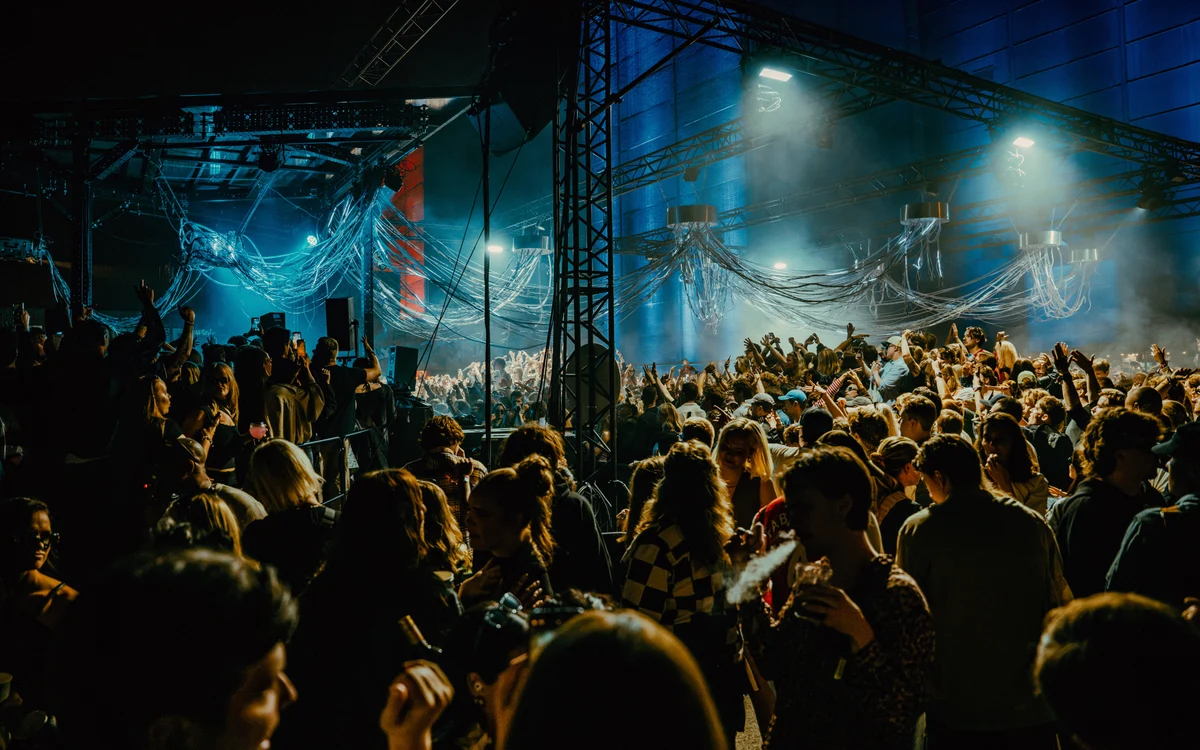
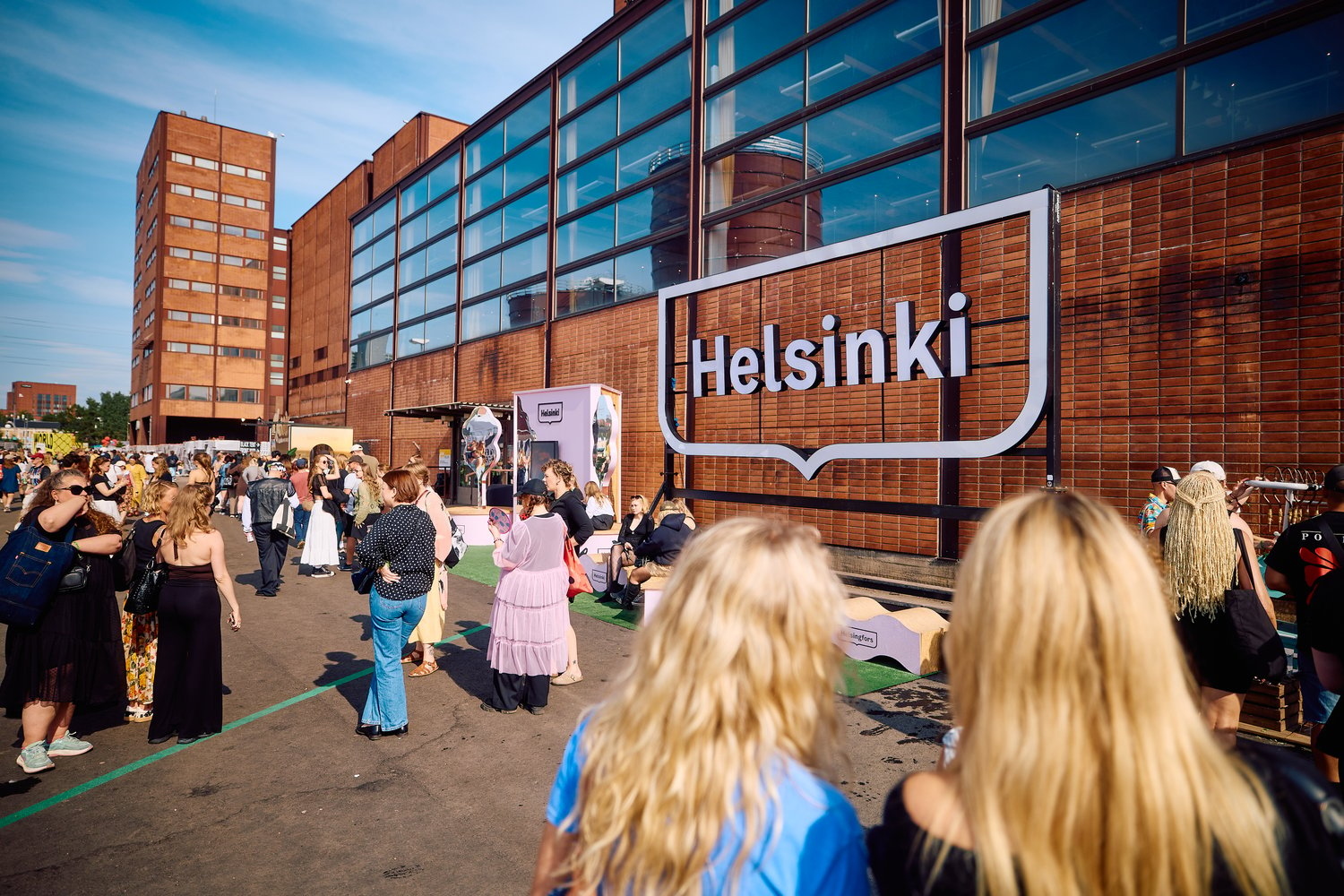
For over two decades, Flow Festival has served as the cultural anchor of Helsinki, transforming the post-industrial landscape of the Suvilahti decommissioned power plant into a beacon of modern European music curation. Redbrick smokestacks, skeletal gasometers, and Jugendstil architecture form the backdrop for an event that has consistently blurred the lines between high-art performance, underground club culture, and avant-garde popism.
Yet, as the festival closed its gates on a record-breaking 2025 edition—drawing an astonishing 91,000 attendees across three days—the fundamental narrative surrounding Flow underwent a profound shift. Historically, conversations regarding Finnish music festivals centered on a perceived "shortfall of perception"—the challenge of projecting world-class Nordic talent onto an indifferent global stage. Today, that question has inverted. Under the stewardship of newly appointed CEO Katariina Uusitupa, the operative inquiry is no longer how to make the world look at Finland, but rather how Flow’s uncompromising international outlook feeds back into the domestic ecosystem, empowering homegrown acts to scale unprecedented creative and commercial heights.
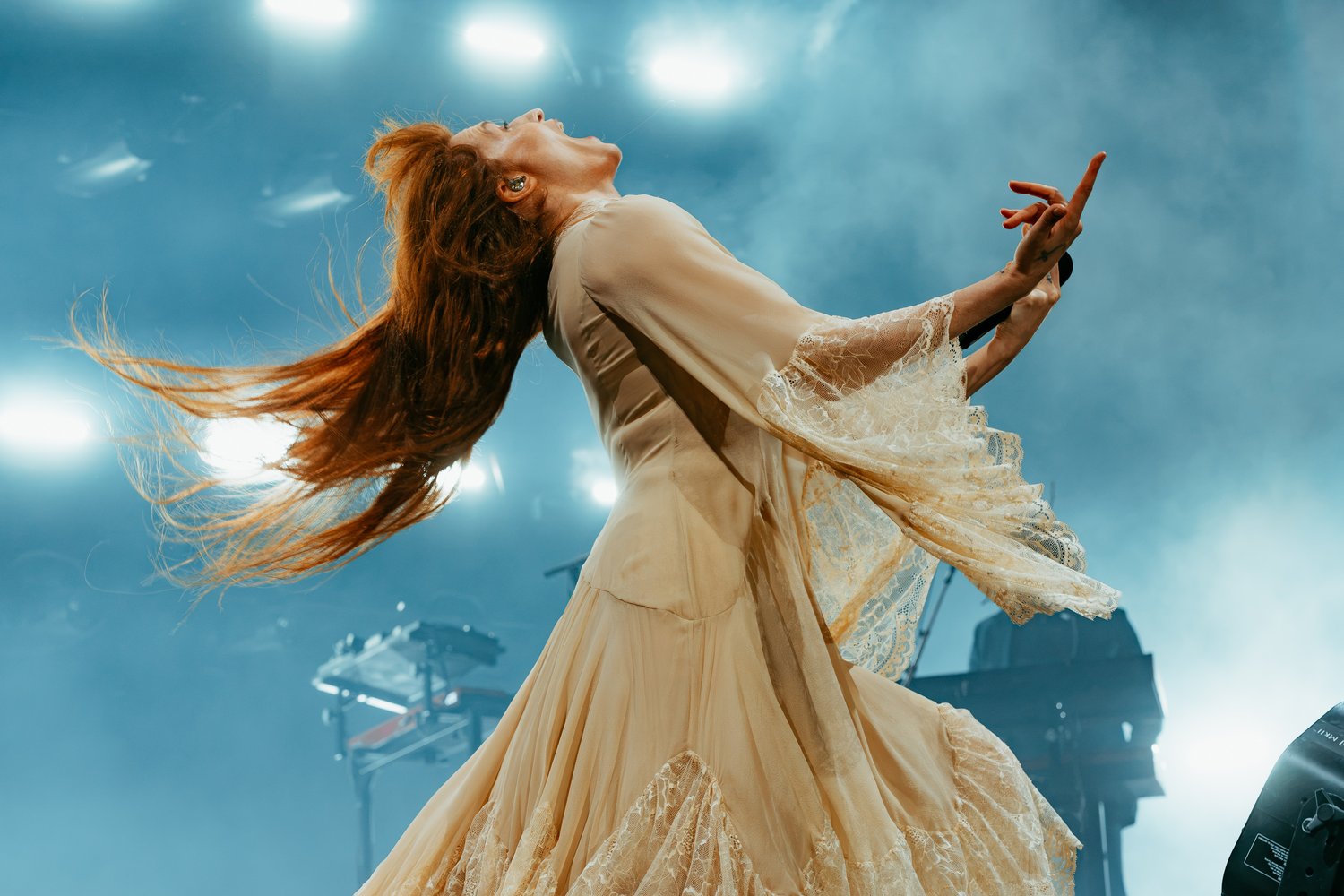
This year’s edition embodied this philosophical maturity. Balancing monumental international headliners like Florence + The Machine, Nick Cave & The Bad Seeds, and Disclosure with fearless domestic leaps, Flow 2025 proved that Helsinki is no longer merely a stop on a European tour route. It is a vital platform from which artists address the world on their own terms.
Detailed Chronology & Musical Highlights
The Pop Ambition of Friday: Heikkala, Larsson, and the Fearless Leap
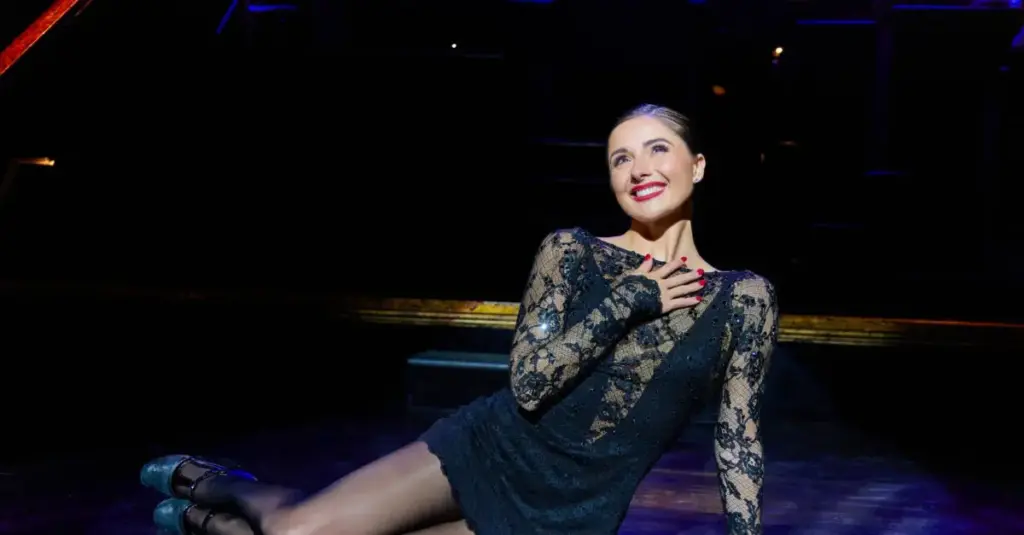
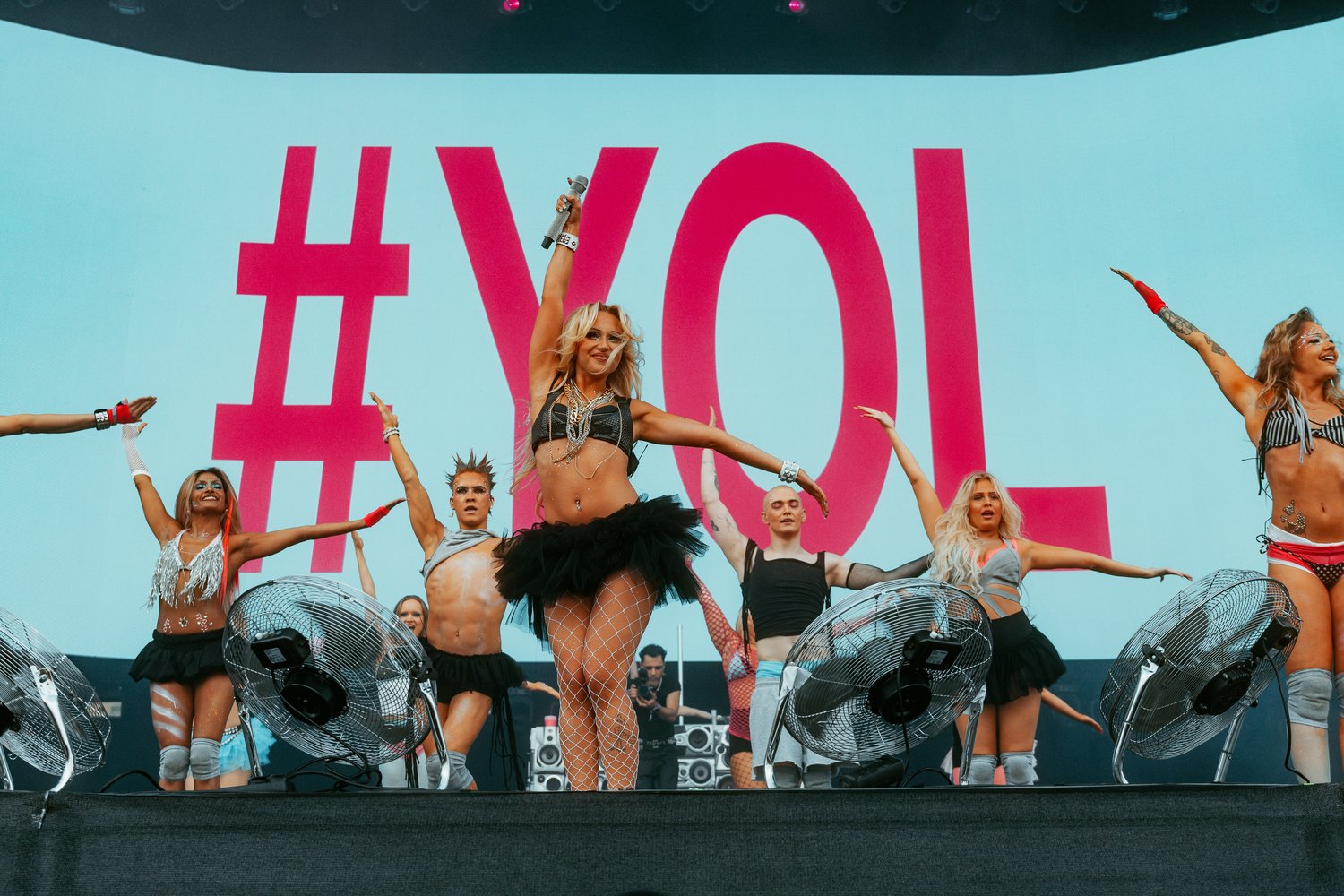
The festival’s thematic ambition was established early on the main stage by Olga Heikkala. Two weeks before stepping onto Suvilahti’s primary platform, the Gen Z soap star turned Finnish-language pop powerhouse took her very first pole dancing class. Months into rehearsals, Heikkala had determined that her set was missing an essential edge. Despite successfully lobbying for a twenty-person dance troupe, the mathematical equation of the stagecraft still felt incomplete. "I was, like, of course I’m gonna have a solo part," she recalls with a laugh. Despite understandable nerves, she unequivocally smashed it.
Rooted firmly in the What Would Lady Gaga Do? school of gnostic pop performance, Heikkala’s trajectory has been meteoric. Booking Flow for two consecutive years is a rare feat; jumping from a mid-size tent to its largest stage in a single bedazzled leap is unprecedented for a domestic artist. Performing hits like her breakout party anthem "#1 Bäm̈ä" (short for "baddie"), Heikkala brought the crowd of over 10,000 to an emotional fever pitch. "I got a lot of hate when I first started out," she explains. "I was so intent on being a pop star and acting like a pop star, and everyone got mad. But then I made that song and realised, Fuck, I don’t want to stop… I almost gave this up, and now I’m here."
Sharing the Friday spotlight, Swedish pop royalty Zara Larsson delivered a masterclass in confectionary perfection, anchoring the main stage before an adoring crowd. Meanwhile, over on the festival’s smaller stages, genre boundaries dissolved. NYC’s loose-limbed 21-year-old Sombr made his highly anticipated Finnish debut, though his derivative songwriting—exemplified by the plodding "I Wish I Knew How to Quit You"—struggled to match his polished stagecraft.
Saturday’s Industrial Dissonance and Velvet Rhythms
Saturday at Suvilahti offered a study in sonic contrasts. Domestic hip-hop heavyweights Ibe, Ares, and Keiju proved they could command massive audiences without relying on international tropes. Ibe’s main-stage performance, shrouded in thick banks of dry ice, utilized intricate choreography to forge an immediate, visceral connection with the crowd.
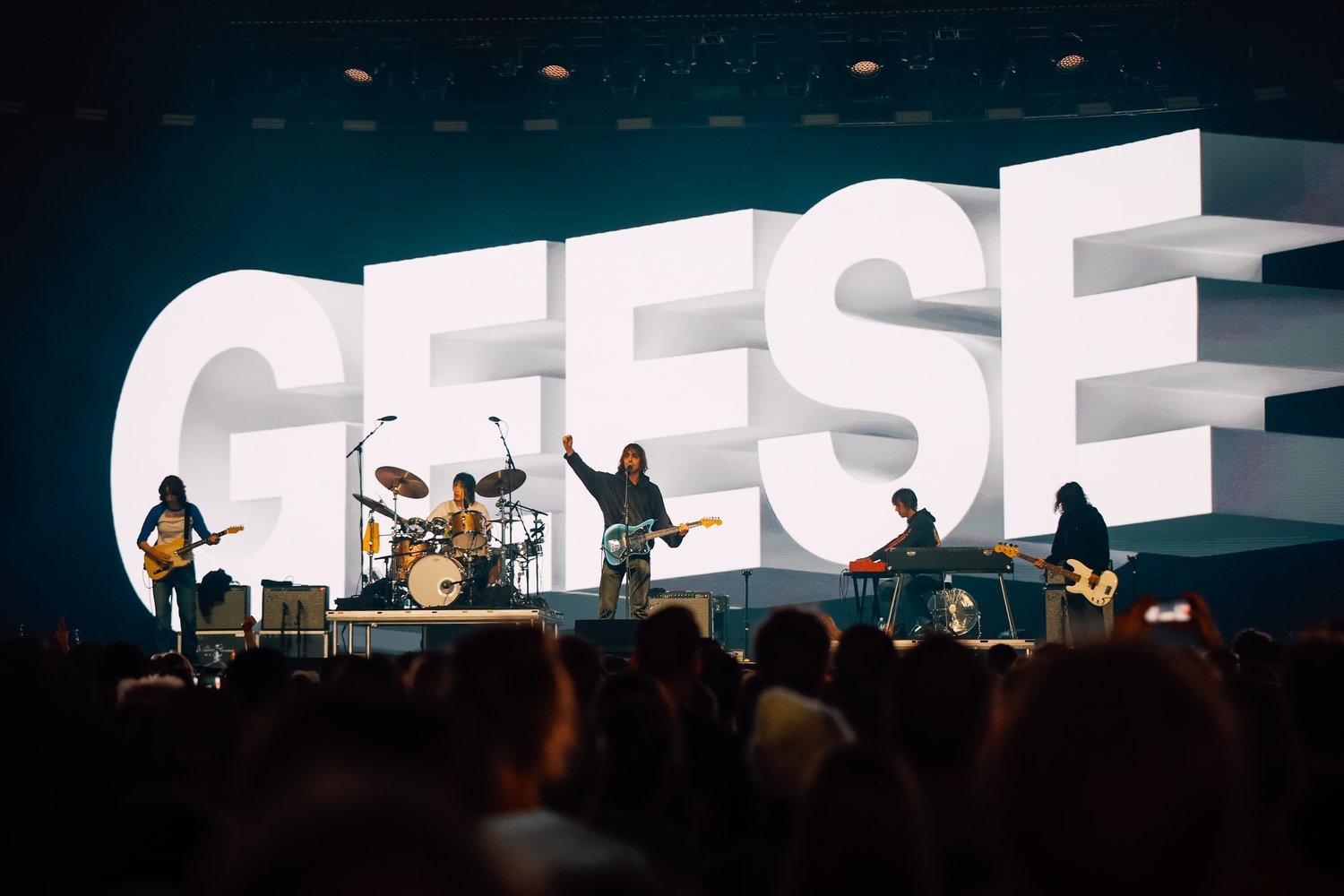
In the heavier brackets, British punks Lambrini Girls tore a figurative hole through the Black Tent with ferocious socio-political commentary, while Turnstile commanded the main stage with hardcore vitality. Conversely, critically hyped art-rockers Geese packed out the Silver Arena but ultimately failed to anchor the moment, leaving the space open for pop icon Lykke Li to sweep in. Delivering a masterclass in nostalgia and reinvention, Lykke Li tore through gems like "Get Some," "sex money feelings die," and an incendiary rendition of "I Follow Rivers" that made the sprawling tent feel as though it were still 2011.
On the electronic and vibey frontiers, Oklou captured hearts with a shimmering Finnish debut, while Rochelle Jordan delivered one of the festival’s most velvety performances—a masterclass in smoldering, glamorous, yet deeply physical club music.
Sunday’s Psych-Folk Transcendence and Closing Hymns
Sunday afternoon belonged to the festival’s more experimental and organic sanctuaries. At The Other Sound, Kiri Ra!—the newly revived trio of psych-folk artist Laura Naukkarinen (Lau Nau), jazz saxophonist Linda Fredriksson, and Swedish keyboardist Matti Bye—delivered an arcadian, wordless sonic meditation that dissolved the boundary between audience and environment.
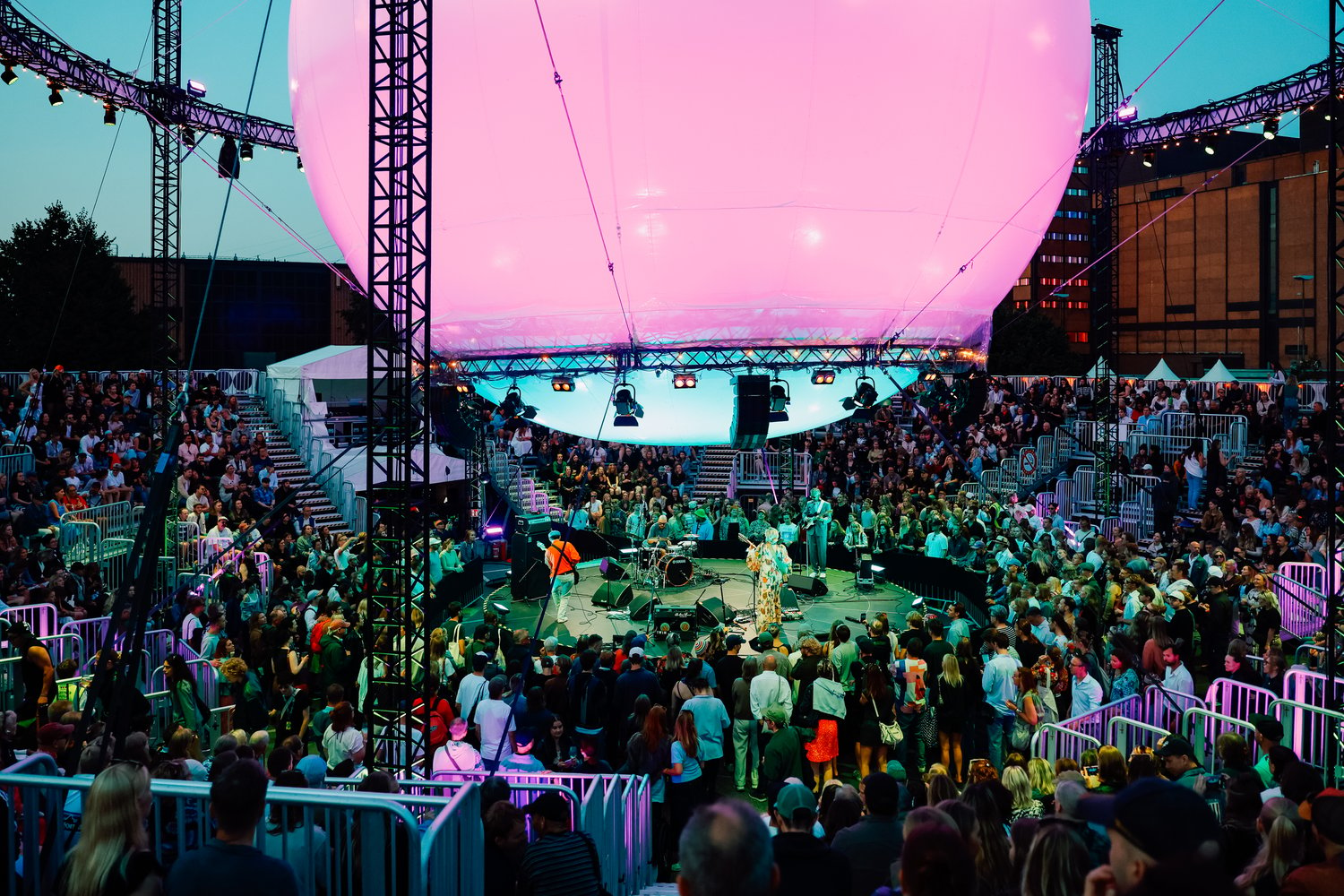
Helsinki’s own Æourest expanded to a five-piece for the occasion, effortlessly navigating noisy electronics and ambient textures powered by cello, violin, and clarinet. Meanwhile, the Balloon 360 stage—the festival’s architectural and spiritual heart—hosted unforgettable sets. Brazil’s Ana Frango Elétrico captivated a capacity crowd with bouncy, irresistible charm, sampling Crystal Waters on the brilliant "Não Tem Nada Não." They were matched in magnetism by Swedish outfit Dina Ögon, whose magnetic frontwoman Anna Ahnlund left no doubt of their deep-seated adoration for their Helsinki audience.
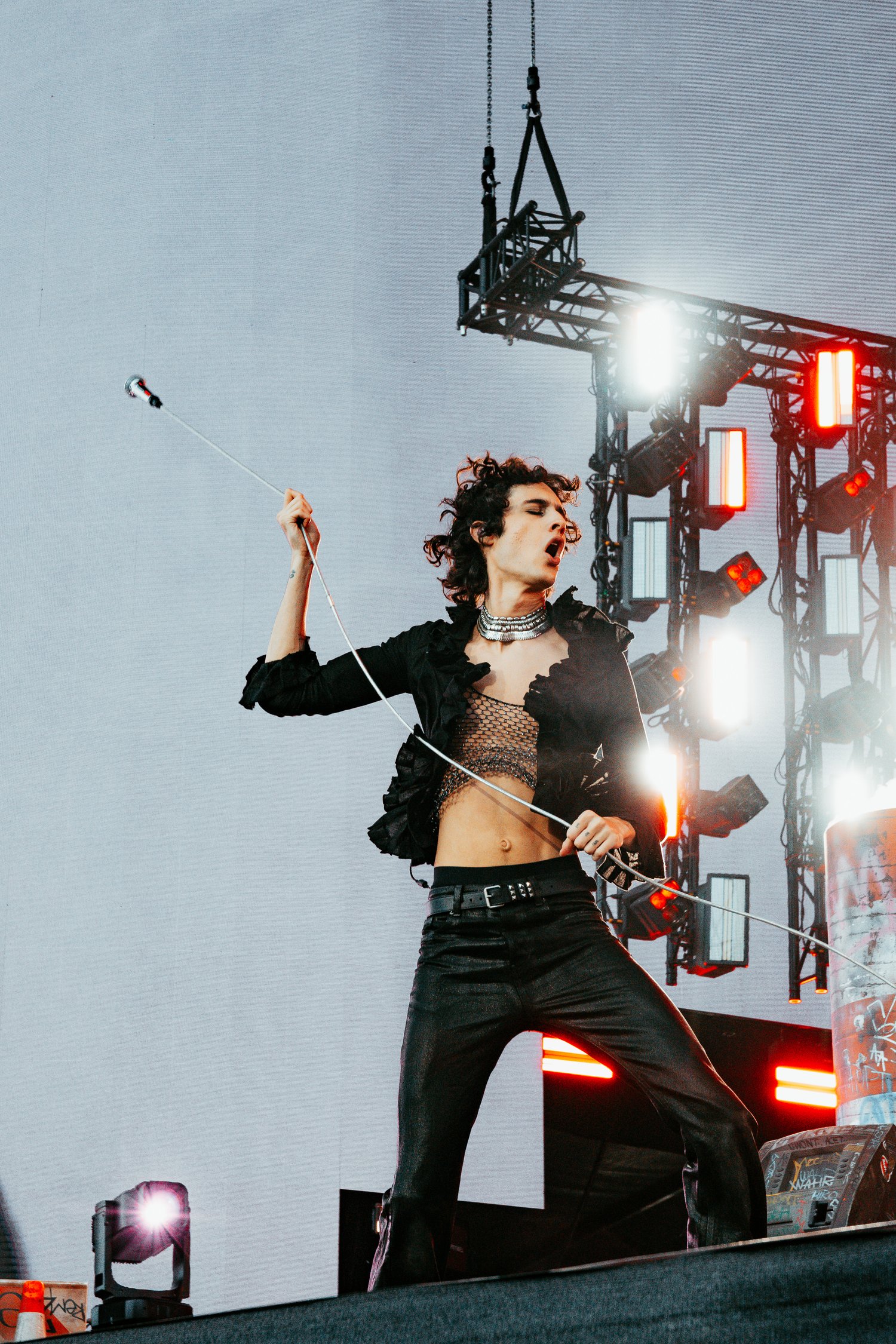
As dusk settled, the festival surged toward its climax. Nick Cave & The Bad Seeds returned to Suvilahti with a gravitational pull that few artists can muster. Closing out his monumental set with a transcendent, tear-inducing rendition of "Into My Arms," Cave solidified the festival’s capacity for deep emotional resonance.
Supporting Context & Metrics: Navigating the 2025 Landscape
Behind the artistic triumphs lay significant operational shifts. Flow 2025 welcomed a record-breaking 91,000 attendees across its three-day span, a testament to the event’s enduring draw. However, this massive influx exposed architectural friction points.
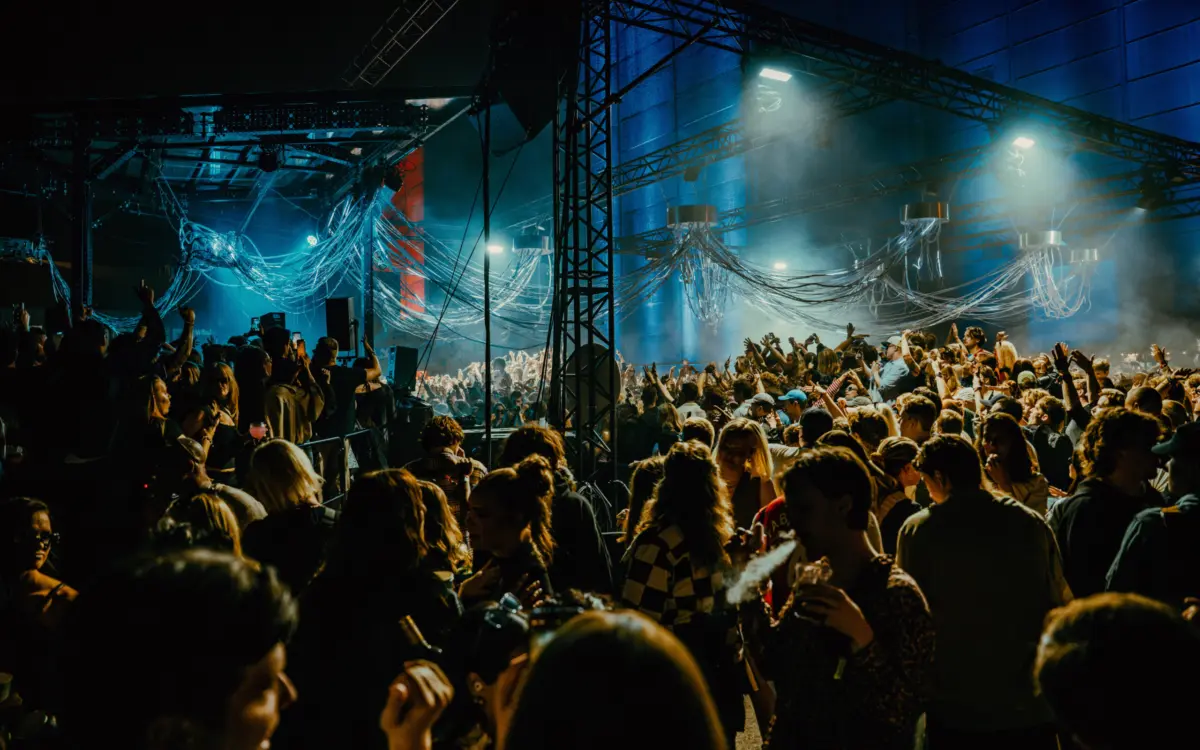
The festival’s site layout underwent a radical restructuring. The Black Tent (Flow’s third-largest stage) and a vastly expanded electronic music zone, the Front Yard—housed within a spiral of over twenty shipping containers—were relocated closer to the Balloon 360 stage. While these changes successfully activated underutilized corners of the decommissioned power plant, they inadvertently created severe pedestrian bottlenecks.
Extensive 3D computer modelling of crowd movements had predicted smooth transit, but the reality on the ground told a different story. The narrow thoroughfares connecting the festival’s primary zones routinely clogged, prompting rare flashes of friction among attendees frustrated by the congestion. For a festival that prides itself on an almost utopian ethos of safety, inclusivity, and community, addressing these structural circulation issues will be paramount for future editions.
Official Statements & Leadership Transition
The 2025 edition marked a historic turning point in the administrative history of Flow Festival. In January, Katariina Uusitupa assumed the role of CEO, stepping into the shoes of a revered institution. Uusitupa’s connection to Flow runs deep; she began her tenure as a festival volunteer in 2008, ascending through the ranks as an assistant, partner producer, and production manager before being handed the keys to the organization.
In an exclusive interview, Uusitupa offered candid insights into the demographic shifts shaping the festival. Despite its global reputation, international ticket buyers now account for less than 10% of the crowd—down from approximately 15% in previous years. Uusitupa attributes this dip partly to regional geopolitical anxieties, specifically European lingering fears regarding Russian aggression. Yet, far from contracting, the festival has absorbed this shift by leaning into its local identity. "It feels more Helsinki-based than it did before," Uusitupa notes.
Uusitupa’s leadership philosophy focuses on dissolving corporate hierarchy. "I’m not a huge fan of hierarchy," she explains. "I always tell people that it’s not ‘my job’ and ‘your job,’ we’re doing this together." Her initial mandate has been to streamline organizational structures to support the overarching ambition of keeping Flow at the bleeding edge of European festival culture.
Future Outlook: The Fight for Suvilahti
As Flow Festival looks toward the horizon, the single greatest existential question facing the organization remains the future of its home. For years, the city of Helsinki’s long-term urban development plans have targeted the industrial expanse of Suvilahti for permanent residential and commercial redevelopment. These municipal visions threaten to displace the creative communities, artist studios, and cultural festivals that currently animate the area.
Uusitupa is under no illusions regarding the political and urban battles ahead, but her stance is resolute. "I’m really fighting for this venue," she states with palpable conviction. "And if we’re still here in 5 years, that would make me really proud."
Unlike greenfield festivals held on anonymous tracts of farmland, Flow’s identity is inextricably bound to Suvilahti’s post-industrial topography. The redbrick smokestacks, gasometers, and Jugendstil masonry are not mere backdrops; they are active participants in the festival’s sensory language.
Whether Flow remains in its iconic industrial cradle or is forced to reinvent itself in a new location, the 2025 edition proved that the festival’s core DNA is unbreakable. By challenging domestic artists like Olga Heikkala to dream in IMAX and encouraging singer-songwriters like Alec Moborg to embrace their unique artistic idiosyncrasies, Flow Festival continues to act as a crucible for Nordic creativity. It remains an event deeply rooted in Helsinki’s soul, yet echoing across the global stage.