
Executive Overview
The landscape of voice science, vocal pedagogy, and otolaryngology has undergone a profound transformation over the past several decades. At the epicenter of this evolution stands The Voice Foundation, an international nexus for multidisciplinary vocal health, research, and education. In a special investigative edition of the organization’s publication—curated under the guiding banner The Voice! From the Editor, Then & Now!—the spotlight shifts from academic discoveries and clinical breakthroughs to the deeply personal and professional journeys of the organization’s primary architects.
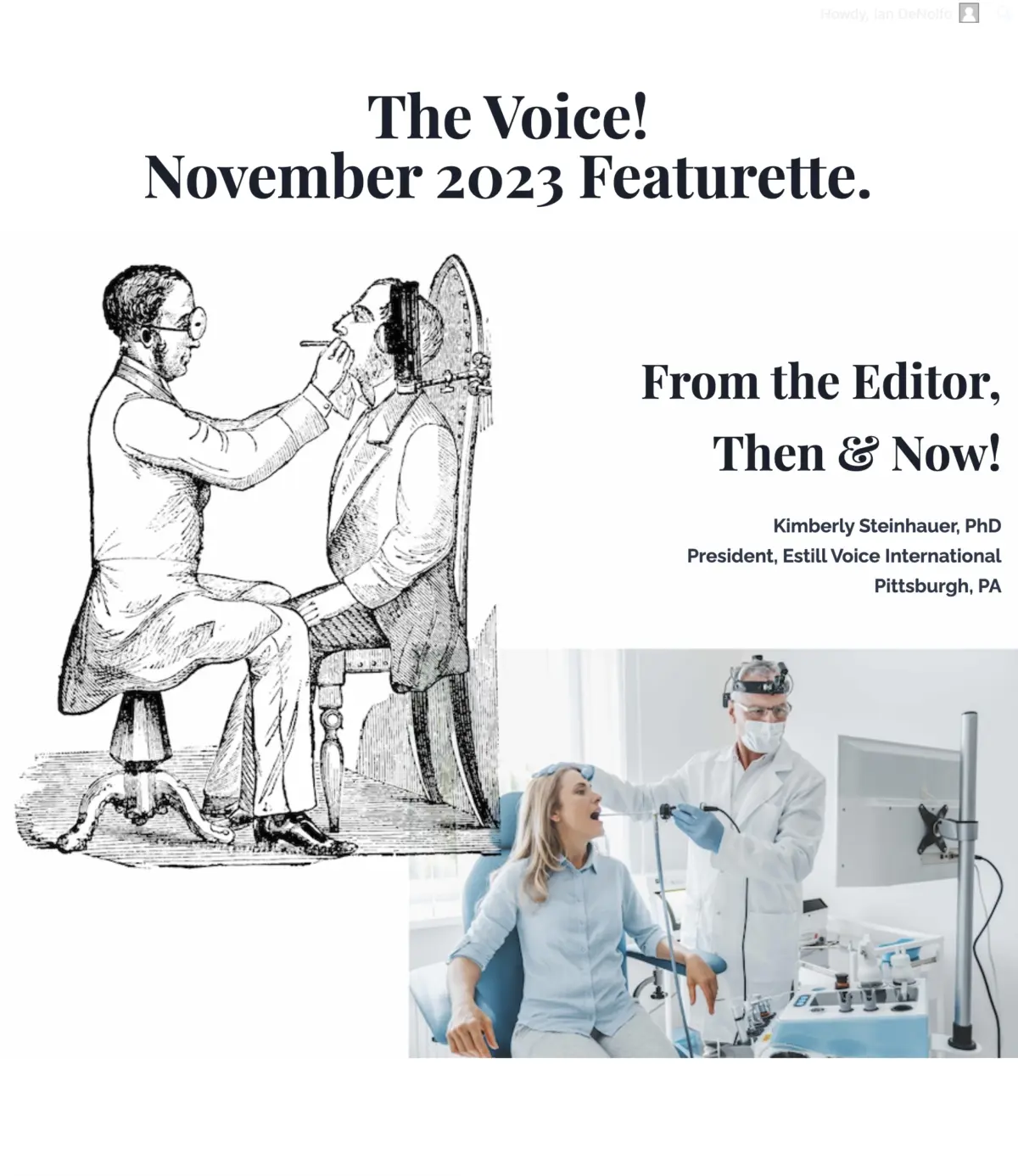
Authored by Kimberly Steinhauer, Ph.D., President of Estill Voice International and a prominent voice in the Pittsburgh vocal science community, this edition adopts a contemporary cultural framework—the ubiquitous "Then/Now" social media meme—to dissect the inner drives, motivations, and unwavering devotions of The Voice Foundation’s leadership. Dr. Steinhauer’s reflections bridge the gap between early vocational aspirations and contemporary professional mastery, establishing a narrative framework that explores how foundational dreams crystallize into lifelong institutional commitments.
This special issue was catalyzed by the 2023 Symposium’s G. Paul Moore Lecture, delivered by the esteemed Margaret Baroody, M.M. Baroody’s exploration of the Foundation’s institutional knowledge served as the intellectual springboard for Steinhauer’s probing survey, titled “Ten Questions for our Leaders.” By engaging key figures such as Executive Director Ian DeNolfo, Advisory Board Chairman Dr. Michael Johns III, and Chairman of the Board Dr. Robert T. Sataloff, the survey offers unprecedented insight into the personal philosophies, historical recollections, and forward-looking visions steering the organization today.
This comprehensive report examines the intersection of music, science, and pedagogy, tracing the developmental arcs of these leaders while providing a thorough analysis of how institutional memory preserves and propels the global voice community into the future.
Detailed Chronology: The Convergence of Music, Science, and Pedagogy
To fully appreciate the current administrative and scientific standing of The Voice Foundation, one must examine the chronological evolution of its key figures and the institutional milestones that shaped them. The journey from early artistic inclinations to rigorous scientific inquiry represents a recurring motif among the Foundation’s leadership tier.
The Formative Decades: Bridging Art and Science
Historically, the study of the human voice was bifurcated: traditional vocal pedagogy focused heavily on empirical, subjective auditory feedback and aesthetic ideals, while medical otolaryngology remained strictly clinical, dealing primarily with pathology rather than performance optimization. The genesis of modern voice science in the latter half of the 20th century required a new breed of professional—individuals capable of speaking both the poetic language of the artist and the empirical language of the scientist.
Dr. Kimberly Steinhauer’s personal narrative encapsulates this historical synthesis. Reflecting on her early trajectory in the Then & Now editorial, Steinhauer notes that her foundational ambition was deceptively simple yet profoundly demanding: to harmonize a profound love of music with a rigorous intellectual curiosity for science and an innate joy for teaching. This triad—art, science, and pedagogy—served as the compass for her undergraduate and graduate trajectories.
Back then, the path was largely unpaved. Interdisciplinary programs bridging vocal performance with speech-language pathology, laryngeal physiology, and acoustic analysis were in their infancy. Yet, by pursuing terminal degrees that integrated these disciplines, Steinhauer positioned herself at the vanguard of modern voice training. Now, operating as a seasoned researcher, singer, and educator, her trajectory mirrors the broader maturation of the field itself. The transition from a hopeful student seeking to unify disparate passions to an established leader editing foundational newsletters demonstrates how individual professional development can parallel the institutional growth of a global organization.
The Catalyst: The 2023 G. Paul Moore Lecture
The structural backbone of the Then & Now issue stems directly from a singular academic moment at the annual Voice Foundation Symposium: the 2023 G. Paul Moore Lecture, delivered by Margaret Baroody, M.M. Named in honor of Dr. G. Paul Moore—a pioneer in speech science and laryngology whose work profoundly shaped our understanding of vocal fold mechanics—the lecture series traditionally addresses the historical and structural pillars of voice care.
Ms. Baroody’s address was not merely a retrospective; it was a deep dive into the institutional memory of The Voice Foundation. Institutional memory is the collective set of facts, concepts, experiences, and know-how held by a group of people. In specialized medical and pedagogical organizations, this memory prevents the reinvention of the wheel and ensures that foundational ethical and scientific standards are preserved across generations. Baroody’s scintillating speech illuminated the invisible threads connecting past breakthroughs to contemporary clinical practices, provoking immediate intellectual resonance among attendees.
It was this exposition of organizational history that inspired Dr. Steinhauer to formulate her investigative survey, “Ten Questions for our Leaders.” By turning the lens toward those currently holding the administrative and advisory reins of the Foundation, Steinhauer sought to extract the personal motivations underlying institutional longevity.

Supporting Context & Metrics: The Architecture of Voice Leadership
Understanding the leadership of The Voice Foundation requires contextualizing the environment in which they operate. The Foundation is not merely a social club for vocal enthusiasts; it is a complex international network uniting laryngologists, speech-language pathologists, singing teachers, voice scientists, and professional vocalists.
The Tripartite Leadership Model
The qualitative survey responses harvested by Dr. Steinhauer highlight a tripartite leadership structure that balances executive management, advisory oversight, and board governance. The synergy between these roles is vital for navigating the multifaceted challenges of modern vocal health:
- Executive Administration (Ian DeNolfo, Executive Director): Responsible for the day-to-day operational integrity, programmatic expansion, and logistical orchestration of the Foundation’s expansive initiatives, including its world-renowned annual symposia.
- Advisory Oversight (Dr. Michael Johns III, Advisory Board Chairman): Acts as the strategic compass, guiding clinical relevance, interdisciplinary collaboration, and the translation of emerging scientific research into practical applications for voice professionals.
- Board Governance (Dr. Robert T. Sataloff, Chairman of the Board): Provides long-term institutional vision, legal and fiduciary stewardship, and maintains the overarching mission statement that has anchored the Foundation for decades.
Quantitative Metrics of Influence
While the Then & Now issue focuses heavily on qualitative narratives, the quantitative footprint of The Voice Foundation’s leadership is vast:
- Decades of Cumulative Experience: The core leadership team represents well over a century of combined professional experience in voice care, research, and administration.
- Global Reach: Through its annual symposia, peer-reviewed publications (such as the Journal of Voice), and educational outreach, the Foundation touches tens of thousands of clinicians, educators, and artists globally.
- Interdisciplinary Integration: Leadership metrics reflect a balanced representation of medical doctors (otolaryngologists), allied health professionals (speech-language pathologists), and performing arts educators (singing teachers and vocal coaches).
Official Insights: Perspectives From the Core Team
Dr. Steinhauer’s survey, “Ten Questions for our Leaders,” peeled back the administrative layers to reveal the human elements driving the Foundation’s high-level executives. Below is an analytical synthesis of the insights provided by Executive Director Ian DeNolfo, Advisory Board Chairman Dr. Michael Johns III, and Board Chairman Dr. Robert T. Sataloff.
The Evolution of Commitment
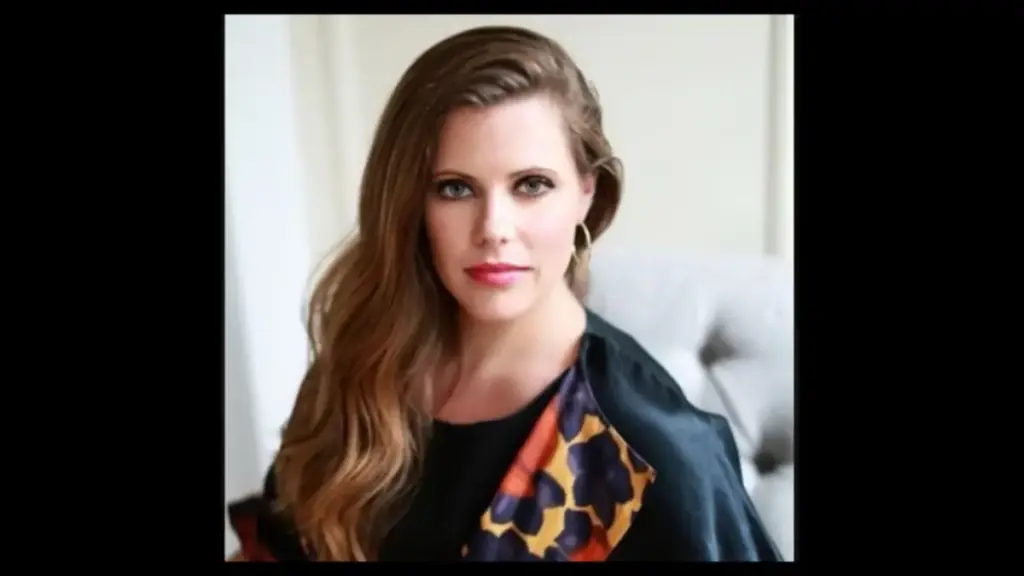
A recurring theme across all responses was the evolution of vocational commitment. Much like Steinhauer’s reflection on her transition from student aspirations to editorial responsibilities—complete with the humorous self-deprecation that her "now" photo feels remarkably like a "then" photo—the leaders articulated a deep sense of continuity.
- The Visionaries’ Path: Dr. Robert T. Sataloff’s decades-long stewardship illustrates a lifelong dedication to establishing voice care as a distinct, respected medical and scientific subspecialty. His leadership has consistently emphasized that the voice is a vital organ of communication and artistic expression requiring specialized, multidisciplinary care.
- Clinical and Advisory Dedication: Dr. Michael Johns III brings a clinical perspective that underscores the necessity of bridging surgical excellence with vocal rehabilitation. His leadership reflects an ongoing commitment to ensuring that the advisory board remains responsive to the latest diagnostic technologies and therapeutic interventions.
- Operational Drive: Ian DeNolfo’s executive leadership highlights the nuts-and-bolts dedication required to sustain a global non-profit organization. His responses emphasize the importance of community building, fostering environments where researchers, clinicians, and artists can collaborate without traditional academic silos.
Acknowledging the Unsung Heroes
Significantly, every leader interviewed in the Ten Questions survey took care to deflect individual praise, universally acknowledging the vast ecosystem of researchers, clinicians, volunteers, and educators working tirelessly behind the scenes. This collective humility is a hallmark of The Voice Foundation’s culture. It recognizes that while executive leadership provides direction, the true engine of the Foundation is its multidisciplinary membership, whose rigorous inquiry and passionate pedagogy drive the science of the voice forward.
Future Outlook: Sustaining the Momentum of Voice Science
As The Voice Foundation looks toward the future, the reflections captured in the Then & Now issue offer valuable lessons for the next generation of voice professionals. The integration of art and science is no longer a novel concept; it is the baseline requirement for modern vocal pedagogy and clinical otolaryngology.
Embracing Technological and Interdisciplinary Frontiers
The challenges facing the voice community today are vastly different from those encountered at the Foundation’s inception. The rise of telepractice, artificial intelligence in vocal acoustic analysis, advanced laryngeal imaging, and the increasing demands placed on professional voice users in the digital age require adaptive, forward-thinking leadership.
The institutional memory celebrated in Margaret Baroody’s G. Paul Moore Lecture and analyzed through Dr. Steinhauer’s survey serves as a protective anchor against ephemeral trends. By understanding where the organization has been—the struggles to legitimize voice science, the painstaking accumulation of clinical data, and the cultural shifts in pedagogical philosophies—current and future leaders are uniquely equipped to navigate upcoming paradigms.
The Enduring Legacy of "Then & Now"
Ultimately, the Then & Now investigative issue transcends a clever social media meme format. It serves as a profound historical document that personalizes institutional leadership. By revealing the human stories, the early aspirations, and the persistent drives of figures like Steinhauer, DeNolfo, Johns, and Sataloff, The Voice Foundation reinforces a vital truth: institutional greatness is built upon individual passion.
As the Foundation continues to foster global dialogue, support groundbreaking research, and educate practitioners across disciplines, the synthesis of music, science, and teaching remains its defining characteristic. The journey from "then" to "now" is not a static timeline, but an ongoing, dynamic evolution—one that ensures the human voice will continue to be studied, celebrated, and protected for generations to come.