
Executive Overview
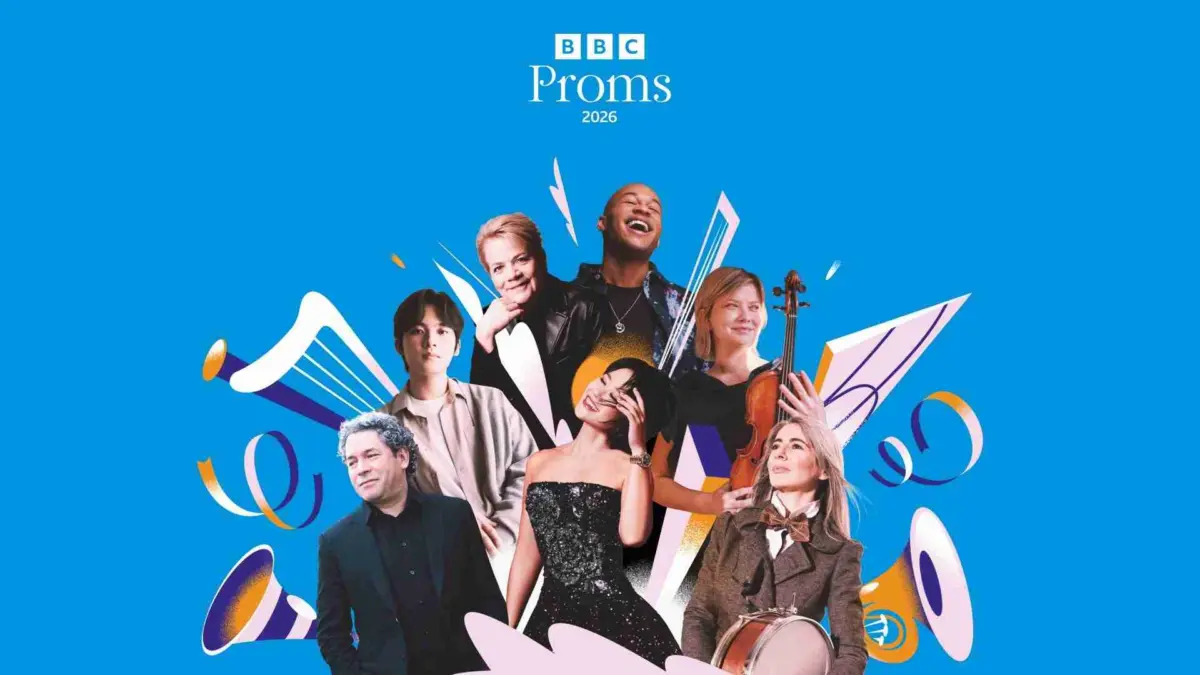
As the legendary Royal Albert Hall prepares to lower the curtain on another phenomenal summer of classical music, anticipation has reached a fever pitch for the Last Night of the Proms 2026. Taking place on Saturday, 12 September, classical music’s biggest and most exuberant party promises an eclectic blend of high-brow classical masterpieces, contemporary world premieres, and a show-stopping tribute to a global icon.
The 2026 season has been nothing short of historic. Spanning an intensive eight-week run, this year’s festival comprised 86 concerts—with 72 hosted at the iconic Royal Albert Hall and 14 reaching audiences at various partner venues across the United Kingdom. Bringing together roughly 300,000 live attendees, the festival has once again underscored its vital role in the cultural fabric of the nation.
Beyond the packed auditorium seats and the waving flags of the Royal Albert Hall, the 2026 season achieved groundbreaking milestones in digital engagement. Interim figures reveal that the Proms reached an astonishing 1.7 million accounts on BBC Sounds and BBC iPlayer, marking a remarkable 32% year-on-year increase. Generating 6.8 million plays and 3.4 million listening and viewing hours between 13 April and 6 September, the festival successfully bridged the gap between traditional prestige performance and modern, digital-first audiences.
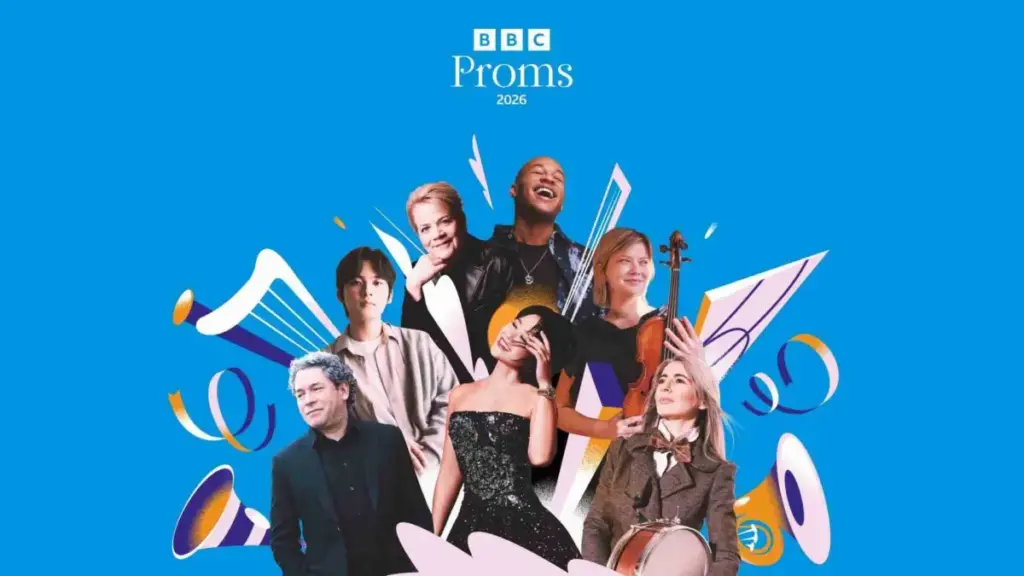
Under the expert baton of Chief Conductor Sakari Oramo, the Last Night of the Proms will feature a star-studded lineup. World-renowned pianist Yuja Wang, acclaimed Scottish tenor Nicky Spence, and an all-star cast paying tribute to the late Queen of Country, Dolly Parton, will share the stage with the BBC Symphony Orchestra & Chorus and the BBC Singers.
For those unable to secure a golden ticket to the historic London venue, the BBC has arranged comprehensive cross-platform broadcast coverage. BBC Radio 3 and BBC Sounds will broadcast the entire evening live starting at 7:10 PM, presented by Petroc Trelawny and Georgia Mann. On television, the event is split into two immersive blocks: Part 1 kicks off on BBC Two and iPlayer at 7:10 PM, hosted by Katie Derham and Nick Mohammed alongside backstage reporter Tina Daheley, followed by the grand Finale on BBC One and iPlayer at 9:00 PM.
Detailed Chronology & Programme Highlights
The Last Night of the Proms is renowned for balancing solemn classical mastery with theatrical pageantry, and the 2026 programme is no exception. Curated to push artistic boundaries while honoring time-honored traditions, the evening features an extraordinary sequence of performances.
Opening Flourishes and Orchestral Masterpieces
The evening ignites with the effervescent energy of Leonard Bernstein’s Candide: Overture, immediately setting a celebratory tone. This is followed by the poignant strains of Josef Foulds’s Keltic Suite (ii. ‘Lament’), before tenor Nicky Spence takes center stage alongside the BBC Symphony Chorus and BBC Singers to perform excerpts from Dvořák’s Rusalka (Act I – ‘Vidino divná, přesladká’).
The first half also journeys through Central Europe with Smetana’s sweeping tone poem Vltava (from Má vlast), leading directly into one of the evening’s major contemporary highlights: the world premiere of Dithyramb by celebrated Canadian composer and conductor Samy Moussa, specially commissioned by the BBC.
Virtuosity and World-Class Collaborations
As the programme progresses, world-renowned pianist Yuja Wang steps into the spotlight. Wang delivers the historic first-ever Proms performance of Barber’s Pulitzer Prize-winning Piano Concerto, demonstrating the blistering technical prowess and emotional depth that has made her a global phenomenon.
Later in the evening, Wang returns to the stage for a completely different sonic palette: Tsfasman’s Suite for Piano and Orchestra (Jazz Suite), injecting a swinging, syncopated rhythm into the grand hall.
To Dolly, With Love: A Country Music Tribute
One of the most anticipated segments of the night is To Dolly, With Love, arranged by Fiona Brice as a heartfelt homage to the late, great Queen of Country, Dolly Parton. This star-studded medley brings together an unlikely yet brilliant triumvirate of British vocal talent:
- Sheridan Smith electrifies the audience with a powerful rendition of 9 to 5.
- Beverley Knight brings the house down with her soaring, soul-infused vocals on I Will Always Love You.
- Acclaimed country-pop duo Ward Thomas deliver a harmonious, foot-tapping performance of Jolene.
Contemporary Premieres and Theatrical Interludes
Innovation remains at the heart of the Proms. Alongside Samy Moussa’s work, the evening features the world premiere of Iris of Life, a new BBC commission by Academy Award-winning British composer Anne Dudley, performed alongside the BBC Singers.
Further theatrical flair is injected into the programme through Holst’s The Planets (iv. ‘Jupiter, the Bringer of Jollity’), an orchestral staple that never fails to lift the spirits, and an exuberant performance of ‘Sit Down, You’re Rockin’ the Boat’ from Loesser’s Guys and Dolls, featuring Nicky Spence, the BBC Symphony Chorus, and the BBC Singers.
The Patriotic Finale and Traditional Anthems
No Last Night of the Proms would be complete without its iconic, flag-waving climax. The final stretch of the evening plunges headfirst into unadulterated musical pageantry:
- Stuart Calvert’s arrangement of Scotch Snap, performed by Nicky Spence.
- Sir Henry Wood’s Fantasia on British Sea Songs.
- Dr. Thomas Augustine Arne’s Rule, Britannia! (arranged by Sir Malcolm Sargent).
- Sir Edward Elgar’s majestic Pomp and Circumstance March No. 1 (Land of Hope and Glory).
- Sir Hubert Parry’s Jerusalem (orchestrated by Elgar).
- Benjamin Britten’s arrangement of The National Anthem.
- Traditional Auld Lang Syne (arranged by Paul Campbell) to close out the night in universal solidarity.
Supporting Context & Metrics
While the live atmosphere inside the Royal Albert Hall remains the spiritual heart of the festival, the 2026 season has proven that the BBC Proms is expanding its reach faster than ever before.
A Record-Breaking Digital Season
The integration of digital broadcasting via BBC Sounds and BBC iPlayer has transformed the festival from an elite London-centric event into a truly borderless cultural phenomenon. Interim data compiled between 13 April and 6 September 2026 highlights staggering achievements:
- 1.7 million unique accounts accessed Proms content—a significant 32% year-on-year increase.
- 6.8 million total plays across audio and video platforms.
- 3.4 million combined listening and viewing hours, proving that modern audiences are willing to engage deeply with classical music on-demand.
Radio 3’s weekly accounts on BBC Sounds also enjoyed a healthy 10% year-on-year boost during the week commencing 17 August 2026. This specific week capitalized on marquee international appearances from world-class ensembles such as The Met Orchestra, the Oslo Philharmonic, and the Berlin Philharmonic, demonstrating the immense global appetite for premier orchestral execution.
Physical Reach and Accessibility
Despite digital expansion, the physical footprint of the Proms remains robust. The 2026 season successfully staged 86 concerts over eight weeks, with 72 performances held at the Royal Albert Hall and 14 spread across diverse partner venues throughout the United Kingdom. Approximately 300,000 concertgoers experienced the magic in person, reaffirming the enduring human desire for shared, live acoustic experiences.
Official Statements
Reflecting on a monumental summer of music, key figures within the BBC have shared their thoughts on the cultural triumph of the 2026 season.
Sam Jackson, Controller of Radio 3 and BBC Proms, remarked:
"This year’s Last Night of the Proms promises to be a joyous celebration, bringing together world-class performers, much-loved repertoire and memorable musical moments. Across eight weeks, audiences have embraced the Proms in record numbers on our broadcast platforms, while around 300,000 people have joined us at the Royal Albert Hall and at venues across the UK. We very much look forward to the centenary of the BBC Proms next year, but for now, we can’t wait to celebrate the end of the 2026 season in style!"
Echoing these sentiments, Suzy Klein, Head of Arts and Classical Music TV, emphasized the unifying power of public service broadcasting:
"The BBC Proms has once again connected audiences across the UK and beyond through an extraordinary summer of live music. We’re incredibly proud of the range and quality of concerts across BBC television and BBC iPlayer, and the Last Night will provide the perfect finale to an unforgettable season. And while the season may be drawing to a close, audiences will be able to enjoy the Proms on BBC iPlayer for a whole year afterwards."
Future Outlook: Looking Ahead to the Centenary
As the final notes of Auld Lang Syne echo through the vaulted glass dome of the Royal Albert Hall on 12 September, thoughts among organizers, musicians, and aficionados will inevitably turn toward the horizon.
The conclusion of the 2026 season marks the beginning of an extraordinary milestone: the upcoming centenary of the BBC Proms. As Sam Jackson hinted in his closing remarks, preparations are already underway to celebrate 100 years of the world’s largest classical music festival.
In an era where traditional arts institutions face shifting demographics and digital disruption, the BBC Proms has demonstrated remarkable resilience and adaptability. By blending centuries-old classical repertoire with daring contemporary commissions (such as those by Samy Moussa and Anne Dudley), embracing unexpected pop-culture crossovers (like the Dolly Parton tribute), and shattering digital streaming records via iPlayer and BBC Sounds, the festival has secured its relevance for generations to come.
For now, music lovers have one unforgettable night left to wave their flags, sing along to Jerusalem, and celebrate a triumphant summer of sound.
Audiences can continue to experience the magic long after the final bow; radio broadcasts remain available on BBC Sounds for 30 days, while television broadcasts will stay accessible on BBC iPlayer for a full year.