
Executive Overview
The cultural footprint of Rockstar Games’ Grand Theft Auto franchise has long transcended the boundaries of interactive entertainment, functioning as a titanic cultural touchstone that dictates trends in fashion, automotive culture, and—perhaps most significantly—popular music. When Rockstar released its highly anticipated "extended look" trailer for Grand Theft Auto VI (GTA VI), it did not merely break digital view-count records; it effectively served as a high-velocity catalyst for music discovery, breathing unprecedented new life into decades-old catalogs and catapulting niche, international, and legacy acts into the modern streaming spotlight.
New data released by streaming giant Spotify reveals staggering consumption spikes for the tracks featured in the promotional footage. Leading the charge is the 1970s soft-rock duo Captain & Tennille, whose hidden-gem track "But I Think It’s a Dream" experienced an astronomical streaming surge of over 130,000%. While baseline context reveals that the track started from a modest streaming foundation, the raw velocity of the discovery engine highlights the extraordinary power of the Grand Theft Auto machine.
Beyond nostalgia-driven soft rock, the trailer’s eclectic soundtrack—spanning dembow, underground dance, indie rock, and unexpected British pop—has triggered a systemic shift in listening habits, particularly among Gen Z demographics. Artists such as Cliff Richard, Chimbala, Omega, !!! (Chk Chk Chk), Meah Pace, Aluna, Jayda G, and Prefab Sprout have all reaped the financial and algorithmic rewards of a Rockstar sync deal. This comprehensive report investigates the mechanics behind the GTA VI music phenomenon, analyzing the streaming metrics, demographic shifts, historical context of video game synchs, and the broader implications for the contemporary music industry.
Detailed Chronology: From Trailer Drop to Streaming Tsunami
The journey of how a single video game trailer remaps global music charts begins with the meticulously coordinated marketing rollout executed by Rockstar Games and its parent company, Take-Two Interactive. The timeline of the GTA VI music phenomenon unfolds across several distinct phases:
Phase 1: The Curated Reveal
For over a decade, fans of the Grand Theft Auto franchise have dissected every frame, pixel, and audio cue of promotional materials released by Rockstar. When the studio announced that the extended look trailer for GTA VI would debut via Netflix before hitting traditional digital ecosystems like YouTube, it immediately signaled a multi-platform blitz designed to capture maximum eyeballs.
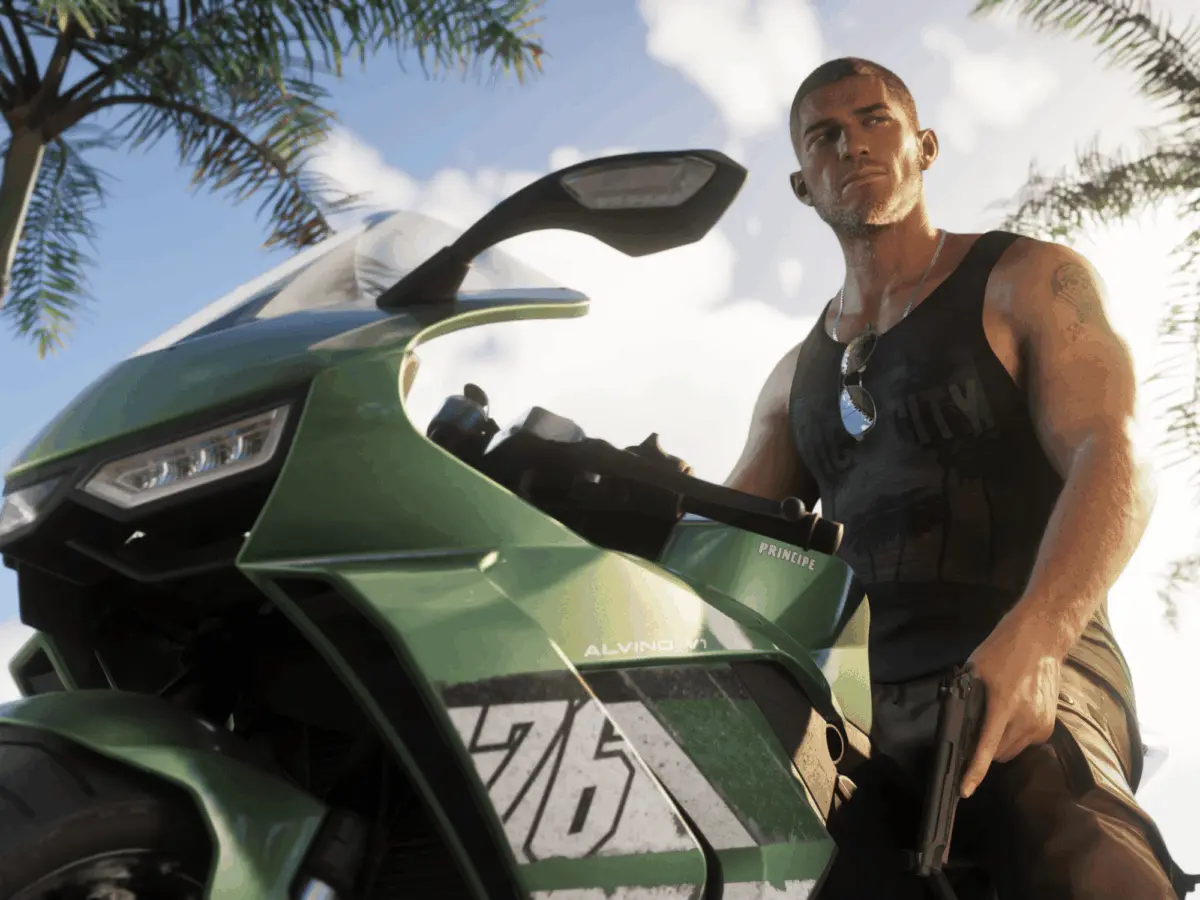
Unlike traditional film trailers that often rely on orchestral scores or generic cinematic build-ups, Rockstar’s marketing strategy has historically mirrored the in-game radio station experience: an eclectic, genre-blending collision of eras, cultures, and moods. As the trailer rolled out, viewers were treated to a sun-drenched, neon-soaked pastiche of modern Vice City life, underscored by a meticulously curated sequence of audio selections.
Phase 2: The Immediate Digital Reaction
Within minutes of the trailer going live, social media platforms—particularly X (formerly Twitter), TikTok, and Reddit—lit up with Shazam queries and tracklist sleuthing. Music supervisors, stans, and algorithm-driven discovery accounts raced to identify the needle-drops.
Among the earliest talking points was the jarring, brilliant inclusion of Cliff Richard’s 1976 glam-pop-rock crossover "Devil Woman." For many younger viewers, the track was an entirely new auditory experience; for older generations, it was a delightful, unexpected curveball. Simultaneously, Latin urban rhythms courtesy of Dominican dembow artists Chimbala and Omega injected an authentic Miami-adjacent pulse into the visual narrative, aligning with the game’s fictionalized South Florida setting.
Phase 3: The Spotify Data Drop and Algorithmic Aftershocks
Days after the frenzy settled, Spotify released analytical data quantifying the kinetic energy generated by the trailer. The numbers confirmed what music industry analysts had long suspected: a placement in a marquee Rockstar trailer acts as a multi-million-dollar marketing campaign condensed into a matter of days.
While legacy media outlets focused heavily on the headline-grabbing percentages, industry insiders looked closer at the sustained algorithmic tailwinds. Playlists curated by fans—and subsequently boosted by Spotify’s editorial teams—captured the momentum, pushing these tracks into algorithmic rotation for millions of users who had never actively searched for 1970s soft-rock or Caribbean dembow.
Supporting Context & Metrics: Breaking Down the Numbers
To truly understand the scale of the "GTA VI Effect," one must look beyond the eye-popping percentages and examine the underlying metrics provided by streaming platforms and music data analysts.
The Captain & Tennille Phenomenon
At the apex of the percentage surges sits Captain & Tennille’s "But I Think It’s a Dream." The track recorded a mind-boggling 130,730% increase in Spotify streams following the trailer’s release.
- The Caveat: Analysts are quick to contextualize raw percentage spikes. Prior to the trailer, "But I Think It’s a Dream" was a deep-catalog obscurity with just over 194,000 lifetime streams on the platform.
- The Significance: Despite the modest baseline, the leap translates to tens of thousands of new streams in a matter of 48 hours for a track that had been dormant for decades. For the estate and rights holders of the married duo—whose heyday peaked in the mid-to-late 1970s with hits like "Love Will Keep Us Together"—the sudden influx of digital royalties and new audience acquisition represents an unexpected windfall.
Global Rhythms and Underground Dance Surges
Rockstar has always prided itself on introducing mainstream gamers to non-traditional genres. The GTA VI trailer continued this tradition with massive boosts for international and underground electronic acts:
- Chimbala & Omega: The Dominican dembow heavyweights saw a 10,190% spike in streams. Dembow’s inclusion underscores Rockstar’s commitment to reflecting the authentic street-level musical landscape of contemporary Miami and its surrounding cultural spheres.
- !!! (Chk Chk Chk) and Meah Pace: The dance-punk veterans alongside vocalist Meah Pace experienced a 5,720% increase, proving that groovy, bass-driven indie-dance still holds immense currency in open-world sandbox environments.
- Aluna and Jayda G: Electronic dance royalty Aluna and Grammy-nominated producer Jayda G also recorded a matching 5,720% streaming increase, driving home the synergy between modern club culture and the high-octane vehicular chaos of the game.
The "Devil Woman" Factor
Perhaps no single track generated as much conversational buzz as Sir Cliff Richard’s "Devil Woman." As a staple of British pop history, Richard’s transition into a neon-soaked American crime epic was deliciously surreal. The track registered a 1,290% spike in overall Spotify streams, cementing its status as one of the most successful unexpected sync placements of the decade.
The Gen Z Discovery Metric
Spotify’s data highlighted a critical demographic shift: the phenomenon of "Gen Z discovery." Younger listeners—largely born after the turn of the millennium—are driving these consumption spikes through platform-native discovery loops. Key Gen Z metrics revealed:
- Sir Cliff Richard: A 325% increase in Gen Z-driven discoveries.
- Chimbala: A 360% increase in younger demographic engagement.
- Prefab Sprout: The beloved 1980s British pop-rock band enjoyed a 530% increase in Gen Z discovery metrics, reflecting a broader cultural obsession with 1980s jangle-pop and Sophisti-pop among younger digital natives.
Official Statements & Industry Perspectives
The symbiotic relationship between video games and the music industry has evolved from a transactional licensing agreement into a premier promotional partnership. Music publishers, streaming executives, and synchronization agents are taking formal notice of the economic gravitational pull exerted by Grand Theft Auto VI.
In statements accompanying the data release, streaming analysts emphasized that video games have officially supplanted traditional radio and, in many instances, cinematic trailers as the premier discovery vector for heritage music.
"When a property possesses the cultural dominance of Grand Theft Auto, a sync deal ceases to be a passive background choice. It becomes an active cultural endorsement," notes a leading music supervisor specializing in interactive media. "Younger demographics do not consume legacy media in traditional formats. They discover the past through the interactive portals curated by developers like Rockstar, who possess an uncanny knack for unearthing audio gold from the archives."
Publishing rights holders for legacy acts have increasingly recognized that a single placement in a Rockstar title can revitalize a back-catalog, driving physical vinyl reissues, merchandise sales, and lucrative live-touring revivals. For independent and international artists—such as the Caribbean dembow acts featured in the trailer—the global exposure shatters geographic ceilings that traditional marketing budgets could never hope to breach.
Future Outlook: The New Frontier of Interactive Music Synergy
As the video game industry marches toward the official launch of Grand Theft Auto VI, the implications of these streaming metrics extend far beyond a temporary chart bump. The digital ecosystem is witnessing a fundamental restructuring of how music breaks into the mainstream consciousness.
1. The Death of Traditional Gatekeeping
The days of relying solely on terrestrial radio rotation, late-night television talk show performances, or major-label PR blitzes to break a catalog track are fading. Interactive media properties with massive, highly engaged user bases are now the undisputed heavyweights of music discovery. Gamers are active participants rather than passive listeners; when they drive a virtual sports car down a digital boulevard while a specific track plays, the psychological imprinting of that song is deeply reinforced.
2. The Evolution of In-Game Radio Stations
If the trailer’s soundtrack is any indication, the in-game radio stations in Grand Theft Auto VI will offer the most diverse, culturally rich, and sonically adventurous tracklist in gaming history. From 1970s soft-rock deep cuts to cutting-edge Caribbean dembow and underground electronic dance music, Rockstar is building a virtual ecosystem that mirrors the fragmented, hyper-personalized listening habits of modern consumers. When the full game launches, expect a secondary wave of streaming surges that will dwarf the initial trailer numbers.
3. Economic Implications for Sync Licensing
Independent artists, publishers, and record labels are likely to approach future video game sync negotiations with heightened commercial expectations. As data proves that a single trailer placement can multiply a track’s daily streams by over one thousand percent, the financial valuation of these placements will inevitably rise. However, the intangible value—instantaneous global reach, algorithmic algorithmic elevation, and multi-generational audience acquisition—ensures that competition for a spot on a Rockstar tracklist will remain fiercely contested.
Conclusion
The Grand Theft Auto VI music phenomenon is a testament to the unparalleled cultural and economic might of modern interactive entertainment. By expertly blending the unexpected, the international, and the nostalgic, Rockstar Games has once again proven that the most powerful record label in the world isn’t based in Los Angeles, New York, or London—it’s rendering at 60 frames per second on your screen. As the countdown to the game’s release continues, artists old and new will undoubtedly be watching, waiting, and hoping their tracks find a home on the digital airwaves of Vice City.