
Executive Overview
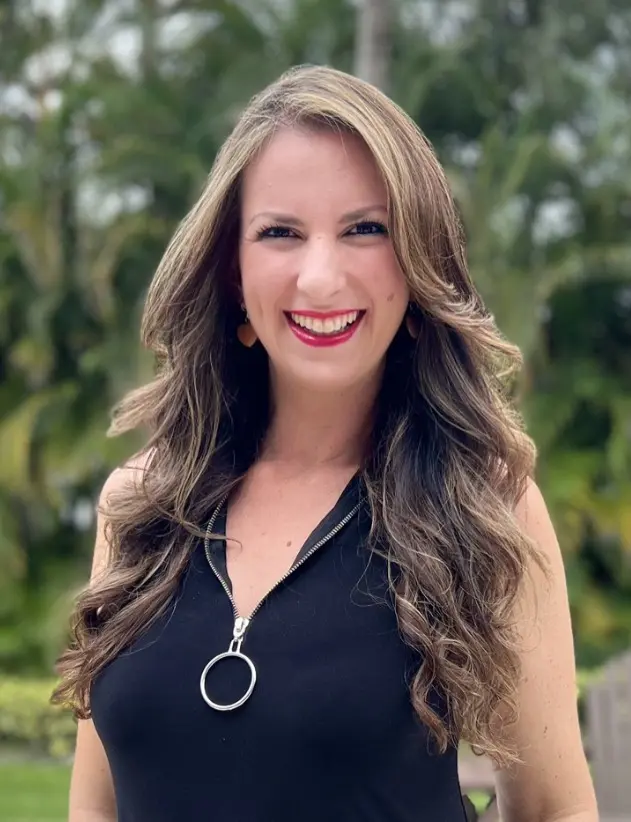
In the contemporary landscape of performing arts, few figures bridge the demanding worlds of rigorous scientific research and world-class artistic execution with the precision of Dr. Ana Flávia Zuim. Recognized recently by major media outlets including CBS, Dr. Zuim’s multifaceted career spans the roles of voice scientist, award-winning musical director, conductor, forensic expert witness, and international scholar. Her pioneering research into vocal acoustics and her extensive practical contributions to iconic theatrical productions—including Broadway’s Hamilton and Billy Elliot—have firmly established her as a preeminent authority in vocal performance and science.
Dr. Zuim’s trajectory reached a new milestone with her recognition by the Van Lawrence Fellowship Committee, a prestigious joint initiative by The Voice Foundation and the National Association of Teachers of Singing (NATS) Foundation. This honor underscores her relentless commitment to interdisciplinary education, uniting the empirical insights of laryngology, speech pathology, and voice science with the artistic demands of professional singing teaching and musical direction.
This comprehensive report explores Dr. Zuim’s remarkable career, detailing her chronological professional evolution, her academic leadership at institutions such as New York University (NYU) and the University of Miami, her groundbreaking work in forensic voice analysis, and the broader implications of her ongoing research for the global vocal community.
Detailed Chronology: From Conservatory Stages to Global Scientific Forums
Early Artistic Foundations and Musical Direction
Dr. Zuim’s journey into the professional music arena began decades ago, fueled by an innate fascination with sound, language, and the human voice. Over the course of her distinguished career, she has lent her expertise as a musical director, conductor, and pianist to more than 70 musical theater productions. Her work in the pit and rehearsal room demands an extraordinary level of versatility, requiring her to coach elite vocalists while maintaining absolute command over complex instrumental arrangements.
Among her most notable theatrical credits are her roles as rehearsal pianist and vocal coach for the cultural phenomenon Hamilton, and as musical director and pianist for Billy Elliot. These high-pressure environments demanded not only exceptional musicianship but also a deep, intuitive understanding of vocal health and stamina. Sustaining performers through grueling eight-shows-a-week schedules requires a sophisticated grasp of how the voice functions under stress—a challenge that naturally propelled Dr. Zuim from pure artistic execution into the scientific study of vocal mechanics.
Academic Leadership: Miami and New York University
Dr. Zuim’s academic career mirrors her artistic diversity, characterized by appointments at some of the nation’s most prestigious music and medical institutions. Prior to her tenure at NYU, she served as the Director of Contemporary Voice at the Frost School of Music, concurrently holding a secondary appointment as Lecturer of Otolaryngology at the Miller School of Medicine at the University of Miami. This dual appointment in a conservatory and a medical school provided her with a rare, holistic perspective on the human voice, bridging clinical otolaryngology with practical contemporary vocal pedagogy.
In 2016, Dr. Zuim brought this interdisciplinary vision to New York University’s Steinhardt School, assuming the role of Director of Vocal Performance. For six years, she shaped the curriculum, mentored the next generation of musical theater artists and pedagogues, and elevated the program’s national profile. In 2022, in recognition of her ongoing scholarly and pedagogical contributions, she was promoted to Associate Professor of Music in Vocal Performance at Steinhardt, where she continues to mold the future of vocal arts education.
International Scholarship and Forensic Voice Analysis
Beyond the United States, Dr. Zuim is recognized as a truly global scholar. Her expertise has taken her across continents, where she has conducted masterclasses, paper presentations, workshops, and seminars in countries including Israel, Japan, Taiwan, Brazil, Turkey, Greece, Canada, and Australia. Her ability to communicate complex acoustic and pedagogical concepts across cultural and linguistic divides has made her a sought-after voice on the international stage.
Dr. Zuim’s intellectual curiosity extends far beyond musical theater. Driven by a lifelong passion for languages and a rigorous understanding of voice science and acoustics, she carved out a specialized niche as an expert witness in forensic voice analysis. In legal contexts where audio recordings are scrutinized, her scientific acumen allows her to provide objective, acoustic-based analyses that can alter the course of investigations and judicial proceedings. This unique application of voice science underscores the profound societal impact of her academic specialization.
Supporting Context & Metrics: The Van Lawrence Fellowship and Interdisciplinary Research
The Anatomy of the Van Lawrence Fellowship
The recent recognition bestowed upon Dr. Zuim by the Van Lawrence Fellowship Committee highlights the vital importance of bridging clinical science with vocal pedagogy. Named in honor of Dr. Van L. Lawrence—an otolaryngologist whose tireless advocacy revolutionized the care of the professional voice—the fellowship is awarded jointly by The Voice Foundation and the National Association of Teachers of Singing Foundation.
The fellowship program is specifically designed for NATS members who are actively engaged in teaching, possess a proven track record of professional excellence, and demonstrate a sophisticated understanding of voice science. The $2,000 award and associated fellowship activities are intended to immerse the recipient in the inner workings of laryngology, speech pathology, and advanced voice science research.
By attending the annual Symposium on Care of the Professional Voice and visiting leading research centers and clinical practitioners, the Van Lawrence Fellow gains unprecedented access to cutting-edge diagnostic technology and treatment methodologies. The ultimate goal of this initiative is twofold:
- To empower singing teachers to conduct meaningful, rigorous interdisciplinary research.
- To translate complex advancements in voice science into practical, actionable techniques that can be directly applied in the teaching studio.
Research Impact and Editorial Leadership
Dr. Zuim’s active role as Co-Editor of NCVS Insights—published by the National Center for Voice and Speech—places her at the nerve center of vocal research dissemination. In this capacity, she helps curate and distribute critical findings that directly impact the voice field, ensuring that teachers, performers, and clinical specialists remain informed about the latest technological and methodological breakthroughs.
Her research findings, developed through decades of rigorous inquiry, offer tangible applications for vocal health. By analyzing the acoustic properties of speech and singing, Dr. Zuim contributes to a growing body of literature that helps prevent vocal pathologies, rehabilitate injured voices, and optimize vocal endurance for professional performers working in high-demand industries.
Official Statements and Committee Recognition
The selection of Dr. Zuim for the Van Lawrence Fellowship reflects a unanimous consensus among leaders in the fields of laryngology and vocal pedagogy. The distinguished members of the Van Lawrence Fellowship Committee—representing decades of collective expertise in voice care and education—have signaled their strong support for her interdisciplinary vision.
The committee operates under the foundational philosophy established by Dr. Van L. Lawrence: that the artificial divide between medical specialists (laryngologists, speech-language pathologists) and artistic mentors (singing teachers, vocal coaches) must be dismantled. By fostering open communication and collaborative education between these groups, the vocal community can better serve performers whose livelihoods depend on vocal health and longevity.
While specific individual remarks from committee chair Robert T. Sataloff and committee members Diana Allan, Margaret Baroody, Lynn Helding, Adam Rubin, and Josef Schlömicher-Thier emphasize different facets of vocal health, their collective endorsement of Dr. Zuim speaks volumes. It validates her unique career path—one that moves fluidly from the Broadway rehearsal hall to the medical lecture theater, and from international research symposia to the rigorous confines of forensic acoustics.
Future Outlook: The Next Frontier in Vocal Science and Pedagogy
As Dr. Zuim looks toward the future, her calendar reflects an unrelenting global demand for her expertise. Upcoming paper presentations and workshops will take her to Thailand, Italy, and Scotland, where she will share her latest insights with international colleagues, clinicians, and performers.
The implications of her ongoing work are profound for several key sectors:
1. Transforming the Teaching Studio
For decades, traditional voice pedagogy relied heavily on subjective imagery and empirical tradition (e.g., "sing "through the mask" or "support from the diaphragm"). While many of these traditional metaphors hold pragmatic value, the integration of voice science championed by scholars like Dr. Zuim allows teachers to understand the physiological and acoustic realities behind the sensations. The future of voice training points toward an era where pedagogues are literate in spectrographic analysis, laryngeal anatomy, and acoustic physics, enabling them to troubleshoot vocal issues with surgical precision.
2. Strengthening Interdisciplinary Healthcare Networks
The collaboration between vocal coaches, singing teachers, otolaryngologists, and speech-language pathologists is becoming increasingly sophisticated. Dr. Zuim’s career trajectory—bridging NYU’s Steinhardt School and the University of Miami’s Miller School of Medicine—serves as an institutional model for how academic entities should structure their vocal programs. Future developments will likely see more conservatories embedding medical professionals directly into their faculties, ensuring that young artists receive comprehensive care from day one of their training.
3. Expanding the Boundaries of Forensic Voice Analysis
As audio and video manipulation technologies advance rapidly in the digital age, the field of forensic voice analysis faces unprecedented challenges and opportunities. Dr. Zuim’s work as an expert witness places her at the vanguard of this critical discipline. Her ability to apply rigorous acoustic science to legal evidentiary standards ensures that justice systems can rely on objective, scientifically sound interpretations of human speech and vocal profiling.
Conclusion
Dr. Ana Flávia Zuim stands as a rare archetype in the modern performing arts: a master artist who speaks the language of empirical science with absolute fluency. From her multi-award-winning work on Broadway to her seminal research in vocal acoustics, her leadership at New York University, and her global scholarly footprint, she continues to redefine what it means to be a voice expert in the 21st century.
With the support of the Van Lawrence Fellowship and the ongoing dissemination of her research through platforms like NCVS Insights and the Journal of Voice, Dr. Zuim’s influence on the art and science of the human voice will resonate for generations to come, ensuring that performers worldwide can pursue their craft with health, longevity, and profound technical mastery.