
Executive Overview
The pursuit of medical and therapeutic excellence often begins at the intersection of rigorous clinical science and the deeply personal realities of patients. Following a highly successful summer and a landmark kickoff in Philadelphia for the 52nd Annual Symposium, The Voice Foundation has turned its institutional focus toward a critical yet frequently overlooked paradigm in vocal health: the lived experience of speakers and singers navigating voice disorders.
During the symposium’s speech-language pathology sessions, leading researchers presented groundbreaking findings centered on patient-reported outcomes, psychological impacts, and the socio-emotional toll of vocal pathologies. The enthusiastic engagement, thoughtful inquiries, and robust debates from the audience underscored an undeniable professional consensus: understanding the patient’s perspective is no longer merely a complementary aspect of care—it is foundational.
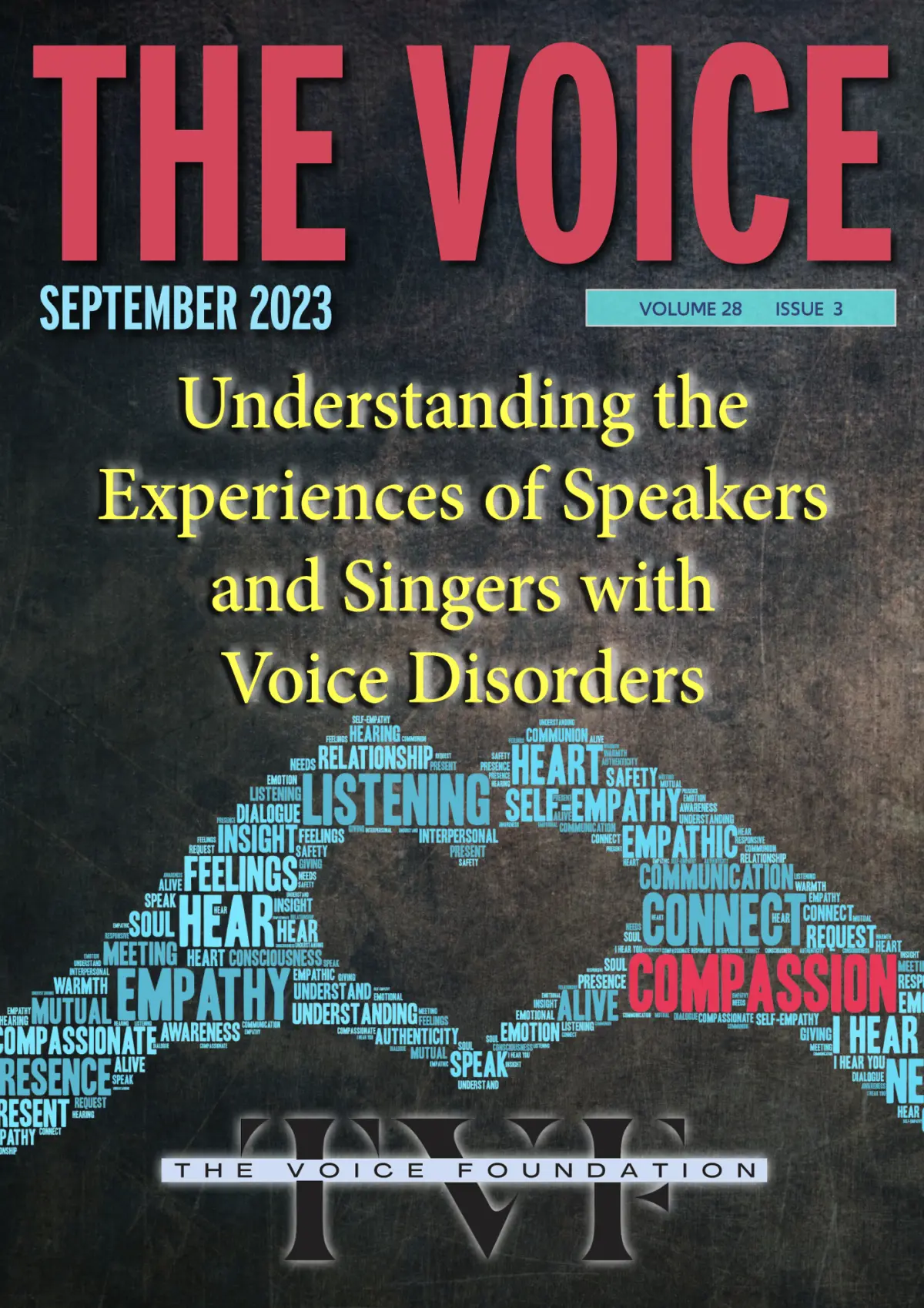
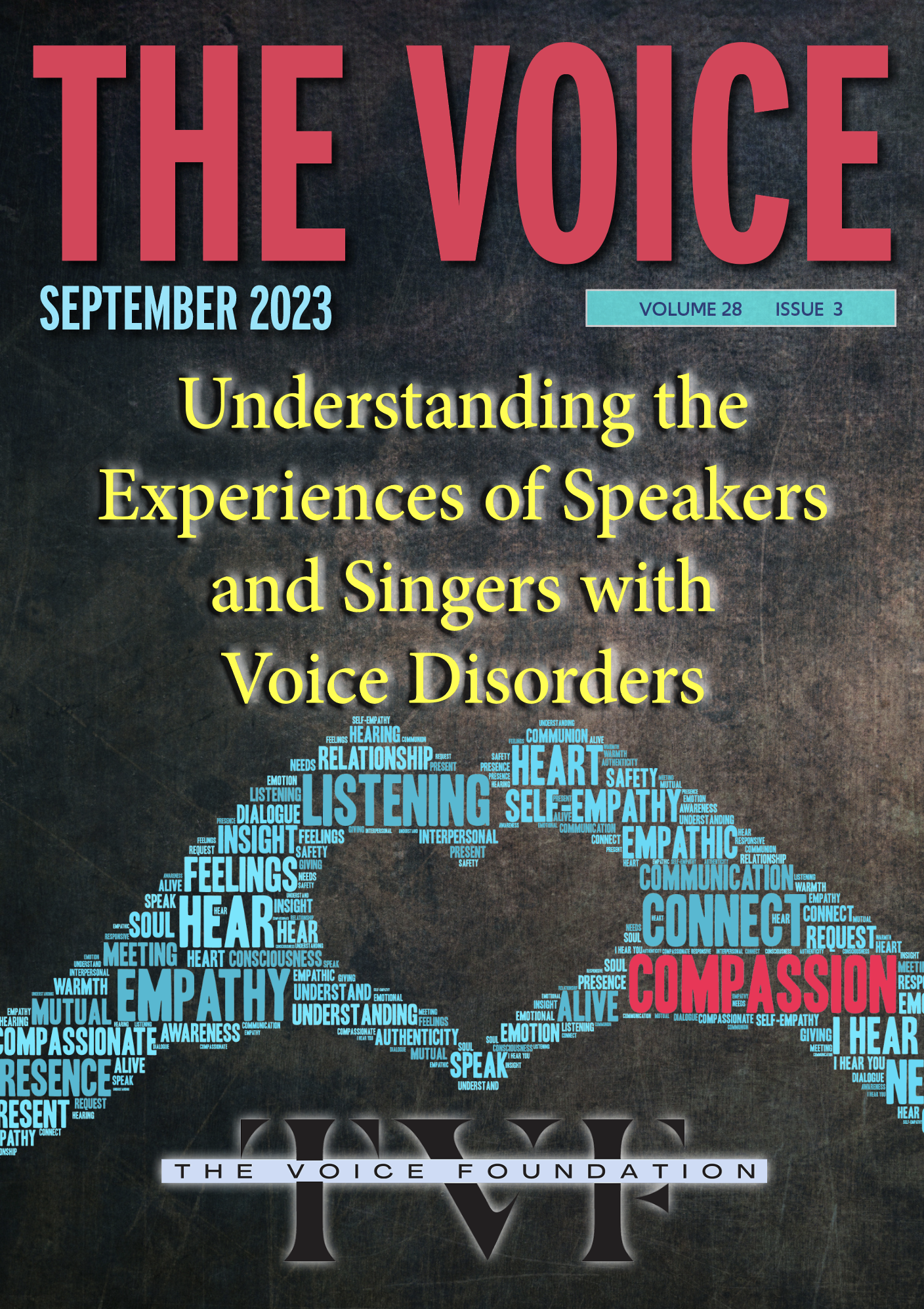
This comprehensive report examines the core themes highlighted during the Philadelphia symposium and unpacked in the September 2023 newsletter of The Voice Foundation. By bridging the gap between quantitative clinical metrics and qualitative patient narratives, the vocal health community is moving toward a more empathetic, highly personalized model of care. The insights gathered are designed to catalyze future academic investigations, shape clinical methodologies, and ultimately transform how speech-language pathologists (SLPs), otolaryngologists, and vocal coaches approach treatment plans for professionals and everyday speakers alike.
Detailed Chronology: From the Philadelphia Kickoff to the September Insights
The 52nd Annual Symposium: Setting the Stage in Philadelphia
The journey toward the September 2023 newsletter’s thematic focus began earlier in the summer in Philadelphia, Pennsylvania, where clinicians, researchers, vocal pedagogues, and performers gathered for the 52nd Annual Symposium hosted by The Voice Foundation. Recognized globally as the premier international conference on voice care, the symposium serves as an incubator for multidisciplinary dialogue.
From the opening keynote addresses to the late-evening poster sessions, the 2023 event placed a distinct emphasis on holistic health. While traditional sessions naturally gravitated toward laryngeal microsurgery updates, vocal fold biomechanics, and acoustic analysis, a noticeable paradigm shift occurred during the specialized speech-language pathology tracks. Researchers stepped away from purely physiological metrics—such as jitter, shimmer, and mucosal wave propagation—to center their presentations on human stories.
Unveiling the Patient Perspective
In a standout speech-language pathology session, researchers presented data examining the psychological, social, and professional fallout experienced by individuals diagnosed with various voice disorders, ranging from benign vocal fold lesions and muscle tension dysphonia to spasmodic dysphonia and vocal fold paralysis.
The presenters utilized qualitative and mixed-methods research designs to capture how losing or altering one’s voice impacts identity, mental health, and economic stability. For professional voice users—such as singers, actors, teachers, and trial lawyers—a voice disorder is not merely a medical inconvenience; it is an existential and financial crisis. Even for non-professional voice users, the inability to communicate effectively often leads to social isolation, anxiety, and depression.
The Interactive Dialogue
What elevated the session beyond a standard academic presentation was the depth and intensity of the audience response. Clinicians, clinical fellows, and veteran researchers engaged in a lively Q&A period. Attendees shared anecdotal observations from their own clinics, noting a recurring disconnect between clinical success (as measured by stroboscopic examination) and patient satisfaction (as reported via quality-of-life indices).
The room reached a collective consensus: clinical care models must evolve to bridge this gap. Practitioners expressed a deep-seated desire to learn how to actively incorporate patient values, daily communication demands, and psychological states into their diagnostic and rehabilitative frameworks.

The September 2023 Newsletter: Codifying the Mission
Capitalizing on the momentum generated in Philadelphia, the leadership of The Voice Foundation dedicated the September 2023 issue of its newsletter to exploring the patient experience in depth. Designed to reach members across the globe, the publication served as a call to action. It synthesized the core takeaways from the symposium and laid out a strategic roadmap for researchers and clinicians aiming to align their daily practices with the nuanced realities of those living with voice disorders.
Supporting Context & Metrics: The Human and Economic Cost of Voice Disorders
To fully appreciate the urgency behind The Voice Foundation’s renewed focus on the patient experience, one must examine the broader epidemiological, financial, and psychosocial context surrounding voice disorders.
Prevalence and Impact
Voice disorders are remarkably common, affecting approximately 3% to 9% of the general population at any given time, with lifetime prevalence rates estimated to be much higher. Among occupational groups that rely heavily on voice as their primary tool of trade—such as educators, who account for a disproportionate percentage of voice clinic visits—the prevalence spikes significantly. Teachers are roughly two to three times more likely to develop voice problems compared to non-vocal professionals.
| Occupational Group | Estimated Prevalence of Voice Disorders | Primary Contributing Factors |
|---|---|---|
| Educators (Teachers, Professors) | 11% – 20% (Annual) | High vocal load, poor classroom acoustics, background noise, dry air. |
| Singers & Performers | 15% – 30% (Career-long) | Extreme vocal demands, performance anxiety, environmental hazards. |
| Call Center / Sales Agents | 10% – 15% | Continuous speaking schedules, lack of vocal rest, headset acoustics. |
| General Population | 3% – 9% (Point prevalence) | Upper respiratory infections, aging, environmental irritants, smoking. |
The Psychosocial Toll: Beyond Hoarseness
While clinical charts often categorize a voice disorder simply as "dysphonia" or "aphonia," these labels fail to capture the profound emotional ripple effects. Research highlighted within the Voice Foundation community demonstrates high rates of anxiety and depression among individuals newly diagnosed with chronic voice disorders.
- Identity Disruption: For singers and public speakers, the voice is inextricably linked to personal and professional identity. A compromised voice can trigger a profound sense of loss akin to grief.
- Social Withdrawal: Individuals often avoid social gatherings, telephone conversations, and public speaking engagements out of embarrassment or fear of not being understood. This perceived burden frequently leads to social isolation.
- Professional Stigmatization: In the workplace, a raspy or weak voice is sometimes incorrectly associated with fatigue, lack of preparation, or even substance use, leading to unfair professional judgments.
Economic and Productivity Losses
The financial implications of voice disorders extend far beyond the cost of medical consultations, speech therapy sessions, and surgical interventions. Indirect costs—such as absenteeism (missing work due to vocal fatigue or medical appointments), presenteeism (working at reduced capacity because speaking is painful or difficult), and potential career derailment—amount to billions of dollars annually. For freelance artists and gig-economy performers, a month of vocal rehabilitation can mean a complete loss of income, adding acute financial stress to an already taxing medical recovery.
Official Statements and Perspectives from Leadership
The strategic pivot toward patient-centered care has been championed by leading voices within The Voice Foundation network, blending clinical authority with compassionate advocacy.
Emphasizing Patient-Reported Outcomes (PROs)
In reflections following the Philadelphia symposium, executive leadership and session moderators emphasized the vital role of Patient-Reported Outcome Measures (PROMs) in modern laryngology and speech-language pathology.
"We can no longer treat the larynx in isolation," noted one senior speech-language pathology researcher during the symposium discussions. "When a singer or a speaker sits in our clinic chair, we are not just evaluating vocal fold closure or mucosal health. We are treating a human being whose livelihood, self-expression, and emotional well-being are inextricably bound to their voice. If our clinical metrics show a ‘healed’ vocal fold, but the patient still feels incapable of expressing themselves or performing their job with confidence, our treatment is incomplete."
Integrating Interdisciplinary Care
The September 2023 newsletter reinforced the message that optimal vocal health requires a seamless, interdisciplinary team approach. Laryngologists, speech-language pathologists, singing voice specialists, and mental health professionals must collaborate to address both the physical mechanics of phonation and the psychological sequelae of voice loss.
Furthermore, leadership underscored that research agendas must be co-designed with patient input. By involving patients in defining what constitutes a "successful outcome," funding bodies and academic institutions can direct resources toward interventions that genuinely matter to the individuals experiencing the conditions.
Future Outlook: Tailoring Research and Clinical Care
As the voice care community looks toward upcoming symposia and future publications, the initiatives sparked in Philadelphia and highlighted in the September 2023 newsletter point toward a transformative path forward. Several key pillars define the future outlook for research and clinical practice:
1. Advancement of Patient-Centered Clinical Trials
Future clinical trials evaluating surgical techniques, pharmacological treatments, and behavioral therapies must increasingly incorporate standardized PROMs—such as the Voice Handicap Index (VHI) or the Singing Voice Handicap Index (SVHI)—as primary or co-primary endpoints. Documenting not only structural and acoustic improvements but also measurable gains in quality of life will become the gold standard of evidence-based laryngology.
2. Personalized Rehabilitation Protocols
Recognizing that no two speakers or singers have identical vocal demands, the next generation of speech-language pathology training emphasizes highly individualized care plans. Clinicians are moving away from one-size-fits-all voice therapy regimens toward tailored programs that account for:
- The patient’s specific occupational and artistic environment.
- Psychological factors such as performance anxiety or hyper-vigilance regarding vocal symptoms.
- Lifestyle adjustments, including hydration, vocal pacing, and stress management techniques.
3. Fostering Empathy and Active Listening in Training Programs
Academic training programs for otolaryngology residents and speech-language pathology graduate students are placing renewed emphasis on communication skills and empathetic interviewing. Teaching clinicians how to actively listen to patient narratives ensures that subtle cues regarding emotional distress or unrealistic expectations are identified early in the treatment cycle, thereby improving compliance and therapeutic alliance.
4. Expanding Access and Education
The Voice Foundation remains committed to disseminating these vital insights to a global audience. Through ongoing newsletters, regional workshops, and future annual symposia, the organization aims to break down silos between basic science laboratories, clinical examination rooms, and the artistic community. By empowering patients to advocate for their own needs and equipping practitioners with the tools to listen, the future of vocal health care shines brighter than ever.
Conclusion
The 52nd Annual Symposium in Philadelphia and the subsequent reflections in the September 2023 newsletter of The Voice Foundation marked a defining moment for the vocal health community. By shifting the lens to deeply examine the lived experiences of speakers and singers with voice disorders, the field is redefining what it means to heal. As researchers align their investigations with patient realities and clinicians adopt more holistic, empathetic care models, the future promises treatments that are not only scientifically rigorous but profoundly humane.