
Executive Overview
On October 2, the city of Nashville will bear witness to a rare and culturally significant milestone: legendary musician, activist, and pioneer Glenn Kaiser will take the stage for his first live performance in Music City in decades. For contemporary Christian music historians, alt-faith cultural architects, and those shaped by the seismic shifts of the late 20th-century underground music scene, this event transcends a standard concert listing. It represents the reactivation of a foundational lineage—a living link to an era when rock and roll was leveraged not as a commercial commodity, but as an unapologetic vehicle for radical theology, communal living, and countercultural spiritual awakening.
Kaiser, alongside his wife Wendi, fronted the Resurrection Band (affectionately known as "Rez"), a collective that brought uncompromising hard rock and blues into Christian music spaces that were, in the 1970s, largely unprepared for the genre’s sonic weight and lyrical grit. When the established religious music industry balked at their sound, the Kaisers and their peers bypassed the gatekeepers entirely. As co-founders of Jesus People USA (JPUSA)—an intentional Christian community rooted in Chicago—they established their own recording studios, independent record labels, and, eventually, the Cornerstone Festival. Running for 28 years, Cornerstone became an incubator for alternative faith-based artistry, launching acts that would permanently alter the broader musical landscape, including Switchfoot, Sixpence None the Richer, and P.O.D.
This coming weekend of events in Nashville—culminating in Kaiser’s appearance and the subsequent inaugural Wild Bison Festival at Lipscomb University—is more than a nostalgic retrospective. It is an intentional cross-pollination of generations. Spearheaded by longtime cultural archivist, festival veteran, and documentary filmmaker, the weekend bridges the foundational ethos of the Jesus Movement with the modern landscape of independent artistry. Featuring public archival discussions, intimate acoustic performances, and an all-day multidisciplinary festival showcasing everything from Americana to indie-pop, the event serves as a living testament to the enduring power of art created with spiritual integrity, community consciousness, and uncompromising artistic freedom.
Detailed Chronology: From Chicago’s Underground to Nashville’s Stages
To fully appreciate the weight of Glenn Kaiser’s upcoming Nashville residency, one must trace the historical trajectory that brought him from the fringe of the 1970s religious establishment to the bedrock of alternative Christian culture.
The Birth of Jesus Rock and Resurrection Band
In the early 1970s, the Jesus Movement was sweeping across the United States, drawing disaffected youth, hippies, and countercultural seekers into Christian faith. However, the institutional church and the burgeoning Christian music industry remained largely tethered to traditional gospel, wholesome pop, and gentle acoustic folk. Hard rock, with its distortion, long hair, leather, and countercultural aesthetic, was viewed with deep suspicion—often associated more with secular rebellion than spiritual devotion.
Glenn and Wendi Kaiser refused to dilute their sound to appease institutional sensitivities. Formed in Milwaukee before relocating to Chicago, Resurrection Band injected the raw energy of blues-infused hard rock—akin to Led Zeppelin, Cream, and Jimi Hendrix—into their lyrical exploration of faith, social justice, the plight of the poor, and personal redemption. Their 1978 debut independent album, Awaiting Your Reply, and subsequent releases on Alarma Records proved that heavy rock and Christian orthodox theology were not mutually exclusive. They stood as pioneers of what would officially be categorized as "Jesus rock," enduring years of skepticism from traditional church boards before the wider industry finally caught up to their vision.
The Cornerstone Experiment: Building an Alternative Ecosystem
Realizing that the mainstream religious music establishment could not accommodate the countercultural ethos of bands like Rez, the community took matters into their own hands. As core members of Jesus People USA (JPUSA)—an intentional community formed on Chicago’s North Side that prioritized communal living, radical hospitality, and urban ministry—the Kaisers and their fellow travelers built an alternative cultural ecosystem.
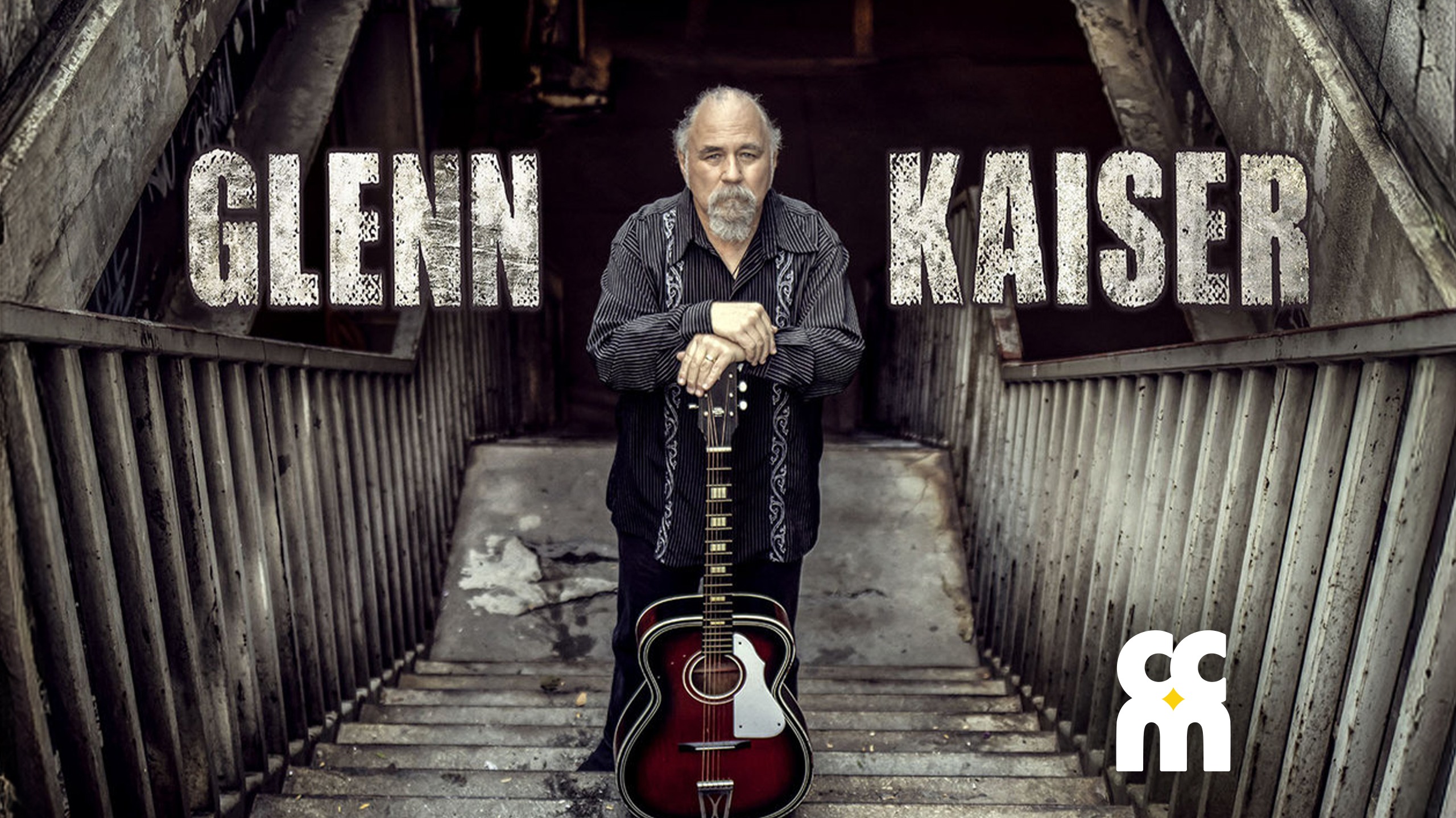
They constructed their own recording facilities (PAZ Studios), launched Refuge Records, and, in 1984, launched the Cornerstone Festival. What began as a modest gathering of alternative believers quickly metastasized into an annual mecca for thousands of underground music fans. Over its 28-year run, Cornerstone defied conventional festival economics. It offered a tent revival atmosphere infused with avant-garde art, political discourse, radical social activism, and an eclectic musical lineup that spanned punk, hardcore, industrial, folk, hip-hop, and metal.
For nearly three decades, Cornerstone functioned as the premier laboratory for alternative Christian music. It was on those dusty stages that artists like Switchfoot, Sixpence None the Richer, and P.O.D. cut their teeth, testing material before mainstream major labels and secular alternative radio stations came calling.
The Nashville Convergence: October 2–3
The upcoming Nashville engagement brings this rich history full circle. The weekend’s events are structured to honor the past while actively building a platform for the future.
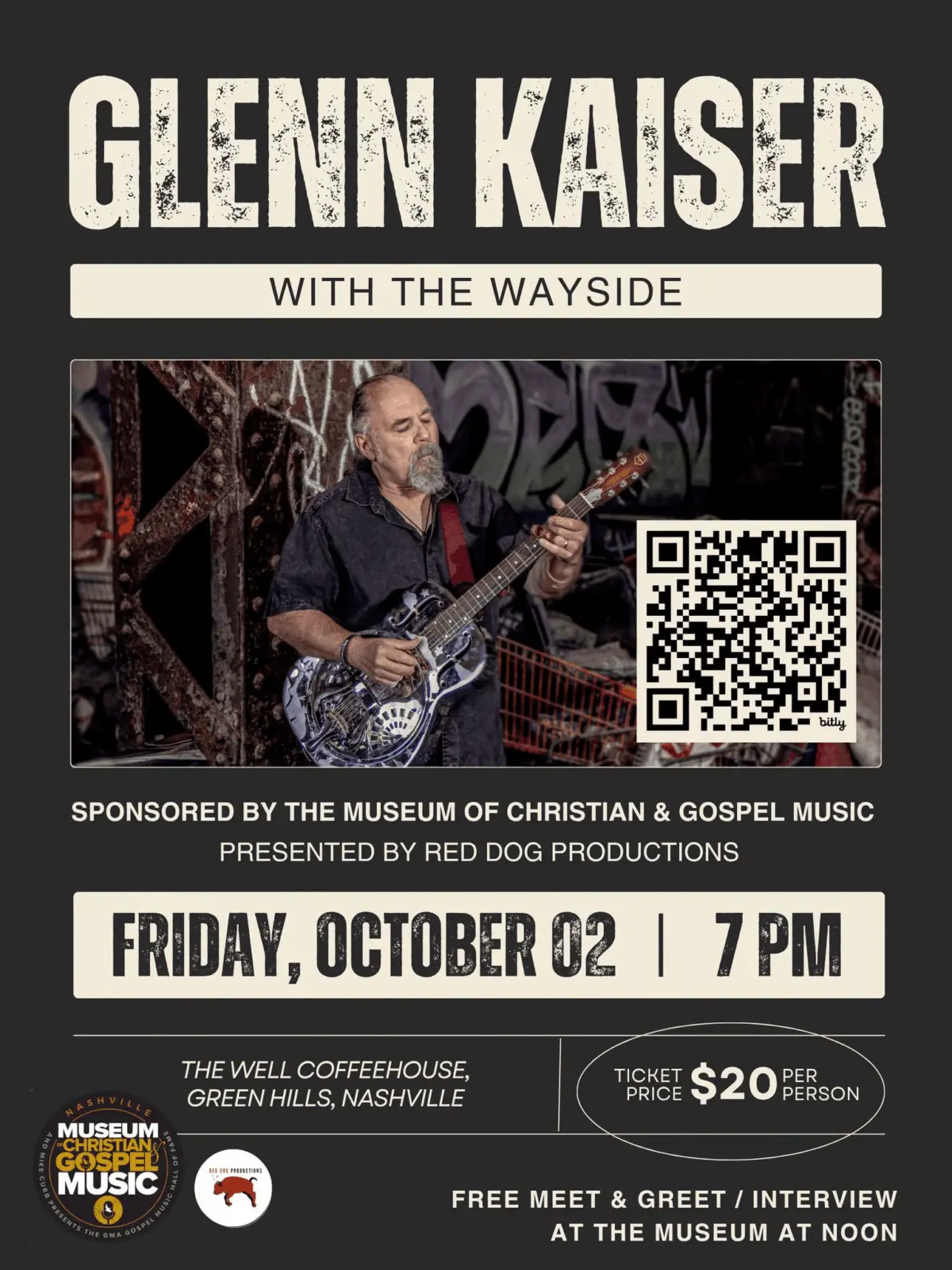
- Friday, October 2 (Noon): The weekend kicks off at the Museum of Christian and Gospel Music with a free public conversation. Archival figures and cultural historians will host an in-depth, moderated interview with Glenn and Wendi Kaiser, dissecting the historical realities of the Jesus Movement, the founding of JPUSA, and the trials of pioneering Christian hard rock.
- Friday, October 2 (Evening): Glenn Kaiser will perform a rare, intimate solo set utilizing cigar box and acoustic guitars at The Well in Green Hills. Setting the tone for the night, legendary indie revivalists The Wayside will open the show—recreating a collaborative performance dynamic that traces directly back to their Chicago roots. Tickets for this exclusive performance are strictly limited, ensuring an intimate communal atmosphere.
- Saturday, October 3 (Beginning at 11:30 AM): The spotlight shifts to Lipscomb University’s Bison Square for the inaugural Wild Bison Festival. Presented in partnership with The Arcadian Wild and headlined by Fulton Lee, the festival will feature two stages of diverse musical acts—including Broomestix, Pomegranate, and Jolie Wing—alongside student poetry readings and independent film screenings.
Supporting Context & Metrics: The Scale of Cultural Impact
To quantify the cultural footprint of Glenn Kaiser, Jesus People USA, and the Cornerstone Festival is to understand a quiet revolution that shaped millions of lives across North America and beyond.
| Metric / Indicator | Historical Context & Significance |
|---|---|
| Cornerstone Festival Duration | 28 consecutive years (1984–2012), making it one of the longest-running independent faith-rooted music festivals in history. |
| Peak Attendance | Regularly drew between 15,000 and 20,000 attendees annually to rural Bushnell, Illinois, creating a temporary city dedicated to art, faith, and community. |
| Pioneering Discography | Resurrection Band released over 15 studio and live albums, influencing generations of sub-genre artists in metal, hard rock, and blues. |
| Incubated Talent | Provided formative festival stages for mainstream crossover successes including Switchfoot, Sixpence None the Richer, P.O.D., Underoath, and Sufjan Stevens. |
| Community Infrastructure | Jesus People USA (JPUSA) has operated continuously for over 50 years, running urban shelters, soup kitchens, print shops, and social outreach programs in Chicago. |
The sociological framework of JPUSA and Cornerstone was built on "theology in action." Long before modern discussions of missional church planting and holistic ministry became popular in seminary textbooks, the residents of JPUSA were practicing radical economics, communal asset pooling, and direct advocacy for the homeless and marginalized. Glenn Kaiser’s music was never decoupled from this lifestyle; his slide-guitar blues and prophetic lyricism were direct extensions of street-level ministry and prophetic critique.
Official Statements & Industry Reflections
The convergence of historical legacy and contemporary curation has drawn praise from academic, institutional, and artistic stakeholders across Nashville and the broader music community.
Reflecting on his personal history with the movement, organizers and veterans of the era emphasize the continuity of the mission. Having attended the inaugural Cornerstone Festival in 1984 as a teenager, transitioned into festival staff in 2000, and spent years as the main stage Master of Ceremonies, organizers view the inclusion of Glenn Kaiser not merely as an act of booking talent, but as a symbolic grafting of roots.
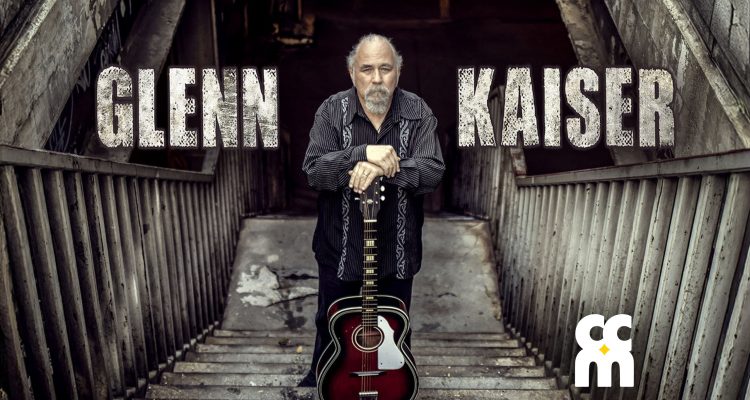
"When I say having Glenn Kaiser play a show the night before Wild Bison Festival is an honor, I mean it specifically: a little bit of Cornerstone’s DNA gets to be part of what we’re building here in Nashville," organizers noted in early statements regarding the event logistics. "What connects these artists isn’t a market category. It’s artists working with integrity and a spiritual point of view, whether that lands them in the ‘Christian’ section of a record store or a playlist or not."
Institutional support has been vital to bringing the weekend to fruition. Collaborative partnerships involving the Museum of Christian and Gospel Music, the International Justice Mission (IJM), and Lipscomb University’s academic divisions—specifically the School of Music, the Music Industry Studies program, and Red Dog Productions (Lipscomb’s student-run live music practicum)—demonstrate a growing institutional appetite for bridging historical musicology with contemporary student engagement. By involving students in the production, promotion, and historical documentation of the festival, Lipscomb University is ensuring that the DIY ethos of the early Jesus rock pioneers is transmitted to a new generation of industry professionals.
Future Outlook: The Enduring Legacy of Jesus Rock in Modern Americana
As the music industry navigates an era of hyper-commercialization, algorithm-driven playlists, and rigid marketing categorizations, the spirit of Glenn Kaiser’s work offers a compelling counter-narrative. The upcoming Nashville residency and the Wild Bison Festival point toward an emergent paradigm: one where artistic integrity, spiritual authenticity, and community-driven curation take precedence over corporate market segmentation.
The seminar led by Glenn Kaiser on Saturday morning—focusing on the role of music and community in the Jesus Movement of the 1960s and 1970s—is designed to spark dialogue among contemporary musicians, students, and culture-makers. It asks a fundamental question that remains as urgent today as it was fifty years ago: How can artists maintain spiritual depth and creative independence within a commercial apparatus that frequently prioritizes trends over truth?
By bringing Kaiser back to Nashville—a city historically prone to dividing its musical output into strict commercial silos (Christian, Country, Pop, Americana)—the weekend event acts as a tactical dissolution of those walls. On the stages of The Well and Lipscomb University’s Bison Square, genres bleed into one another, united not by a record label imprint, but by a shared commitment to human dignity, raw storytelling, and transcendent art.
Ultimately, Glenn Kaiser’s return to Nashville is more than a nostalgic trip down memory lane for aging festivalgoers. It is a masterclass in endurance. It reminds a new generation of listeners that true cultural impact is rarely born in corporate boardrooms; rather, it is forged in basements, community centers, and festival fields by artists willing to sing their truth, pick up a cigar box guitar, and build a stage when the world tells them there is no room for their song.