
Executive Overview
The global music streaming economy is undergoing a structural decentralization. For decades, major digital service providers (DSPs) focused their primary growth initiatives on Western pop, Latin urban music, and pan-Indian languages like Hindi, Punjabi, and Tamil. However, a profound shift is underway in emerging markets. Listeners are increasingly turning away from homogenized, metropolitan sounds in favor of hyper-local, culturally grounded genres that speak directly to their lived experiences.
Nowhere is this phenomenon more visible than in the meteoric rise of Haryanvi music—a regional genre originating from the northern Indian state of Haryana. Long stereotyped or overshadowed by neighboring Punjab’s dominant agrarian and bhangra-infused hip-hop culture, Haryanvi music has broken out of its geographical confines. It has evolved into a digital powerhouse driven by modern production techniques, unflinching street-level lyricism, and a massive, highly engaged youth demographic.
At the center of this audio revolution is Spotify, which has aggressively adapted its editorial strategy to capture this cultural wave. Following the successful launch of a dedicated Haryanvi music hub in January, Spotify expanded its regional curation suite last week with the rollout of its flagship playlist, Haryanvi 101. The timing coincided with the release of striking platform metrics that highlight exponential growth: listenership for Haryanvi music across Spotify surged by nearly 700% between February 2023 and February of this year.
This report provides an in-depth examination of the forces driving the Haryanvi music boom. We analyze the quantitative metrics underpinning the trend, explore the artistic contributions of breakout acts like the duo Banjaare and rapper Dhanda Nyoliwala, evaluate executive strategies within the streaming sector, and forecast the long-term economic implications for regional Indian music markets.
Detailed Chronology: From Local Folk to Digital Dominance
To understand the current dominance of Haryanvi music on streaming platforms, it is necessary to examine the historical trajectory of the genre and the catalysts that accelerated its transition from localized folk traditions to high-production digital exports.
The Traditional Roots and the Folk Era
Historically, Haryanvi music was deeply rooted in the rural rhythms of northern India. Traditional formats such as Ragini—a theatrical, poetic folk form—and Sangi performances served as primary cultural touchstones during village gatherings, festivals, and local theatrical events. These performances relied heavily on acoustic instruments like the harmonium, dholak, and sarangi, with lyrical themes focusing on folklore, romance, morality, and local historical legends.
For decades, the distribution of Haryanvi music remained localized. Cassettes and regional physical media dominated the market, and the genre struggled to find a foothold in mainstream Indian media, which favored Bollywood soundtracks and commercial Punjabi pop. While regional artists achieved cult status within Haryana, systemic underinvestment in regional recording studios and distribution networks kept the genre confined to a niche demographic.
The Digital Disruption and the First Wave
The democratization of mobile internet access across India in the late 2010s fundamentally altered this landscape. As low-cost 4G data plans unlocked digital connectivity for millions of rural and semi-urban consumers in northern India, local artists bypassed traditional gatekeepers. Independent producers began uploading tracks directly to video-sharing platforms like YouTube, utilizing raw, high-energy beats coupled with bold, unvarnished storytelling that resonated with rural youth.
During this first digital wave, Haryanvi music gained a reputation for its high-energy dance tracks, often associated with regional DJ culture and localized party anthems. While these tracks generated massive view counts on YouTube, they struggled to secure institutional backing from major DSPs or mainstream brand advertisers due to perceived stylistic limitations and lyrical controversies.
The Modern Renaissance and Platform Integration
The turning point occurred over the past three years, coinciding with a sophisticated evolution in production quality. Contemporary Haryanvi artists began fusing traditional folk motifs, native dialect nuances, and regional storytelling with global urban aesthetics—incorporating heavy 808 basslines, trap hi-hats, drill rhythms, and sleek mix-and-master engineering.
Recognizing this organic surge in demand, DSPs began investing heavily in dedicated infrastructure. In January, Spotify formalized its commitment to the genre by launching a dedicated Haryanvi music hub, designed to aggregate fragmented regional listening habits into structured editorial categories. This strategic initiative laid the groundwork for the platform’s recent expansion last week, anchored by the introduction of Haryanvi 101—a flagship playlist designed to serve as the definitive entry point for mainstream listeners discovering the genre.
Supporting Context & Metrics: Decoding the Streaming Data
The expansion of Haryanvi music on digital platforms is not merely anecdotal; it is backed by robust data sets that illustrate rapid, sustained audience acquisition. According to figures released by Spotify, the genre’s growth trajectory outpaces many traditional mainstream genres in terms of percentage growth year-over-year.
Exponential Growth Across Curated Playlists
Spotify’s newly released metrics highlight widespread engagement across various sub-genres and mood-based playlists within the Haryanvi ecosystem:
- Overall Platform Growth: Between February 2023 and February of this year, total listenership for Haryanvi music on Spotify grew by an astonishing 7x (nearly 700%).
- Hot Hits Haryanvi: Over the past twelve months, listenership for this high-velocity hits playlist has risen by more than 29%.
- Trending Now Haryanvi: Capturing the pulse of viral audio trends and emerging regional tracks, this playlist has experienced a surge of over 58% in listenership during the same period.
- Rap 91 Haryanvi: Highlighting the intersection of regional lyricism and modern hip-hop production, this specialized hip-hop playlist grew by over 18%.
The Demographic and Behavioral Shifts
Industry analysts point to several underlying behavioral shifts driving these numbers. First, the demographic profile of the Haryanvi music consumer has expanded beyond geographic Haryana. Diaspora communities, migrant workers in metropolitan hubs like Delhi NCR, Mumbai, and Bengaluru, and younger listeners across neighboring states (such as western Uttar Pradesh, Punjab, and Rajasthan) are actively streaming the content.
Second, the consumption pattern has evolved from passive background listening to active playlist discovery. The introduction of curated hubs has reduced friction for non-native speakers who may enjoy the sonic energy of modern Haryanvi tracks—characterized by aggressive percussion and melodic hooks—even if they do not fully grasp every nuance of the dialect.
Official Statements and Industry Perspectives
The rapid ascent of Haryanvi music has prompted key music executives to reevaluate their editorial priorities. Rather than treating regional Indian music as a localized afterthought, platforms are recognizing that hyper-local authenticity is the primary driver of modern listener loyalty.

Unni Nambudripad, Head of Editorial at Spotify India, offered crucial insight into the psychological and cultural mechanics driving the trend during the recent data rollout:
"The audience for Haryanvi music was always there, but the emergence of fresh, modern sounds coupled with rooted storytelling is driving the growth of the language to a whole new level."
Nambudripad’s observation underscores a broader truth about the contemporary streaming landscape: audiences increasingly reject manufactured, corporate pop in favor of music that reflects authentic cultural identity. By combining contemporary production standards—such as crisp trap drums and cinematic synths—with raw, unyielding narratives about rural life, local struggles, and street resilience, Haryanvi artists have created a compelling audio product that resonates across socio-economic divides.
Music industry veterans note that Spotify’s proactive curation strategy has created a virtuous cycle. As editorial support increases, visibility improves, leading to higher streaming numbers, which in turn attracts more independent talent to professionalize their output, invest in higher production values, and target digital distribution channels from the outset of their creative process.
Key Catalysts: The Artists Driving the Surge
While platform infrastructure and algorithmic curation have provided the scaffolding for Haryanvi music’s growth, individual artists have supplied the creative fuel. Spotify’s editorial team has specifically spotlighted two major acts whose commercial dominance and chart performance have catalyzed the genre’s mainstream crossover.
Banjaare: Chart-Topping Melodic Powerhouses
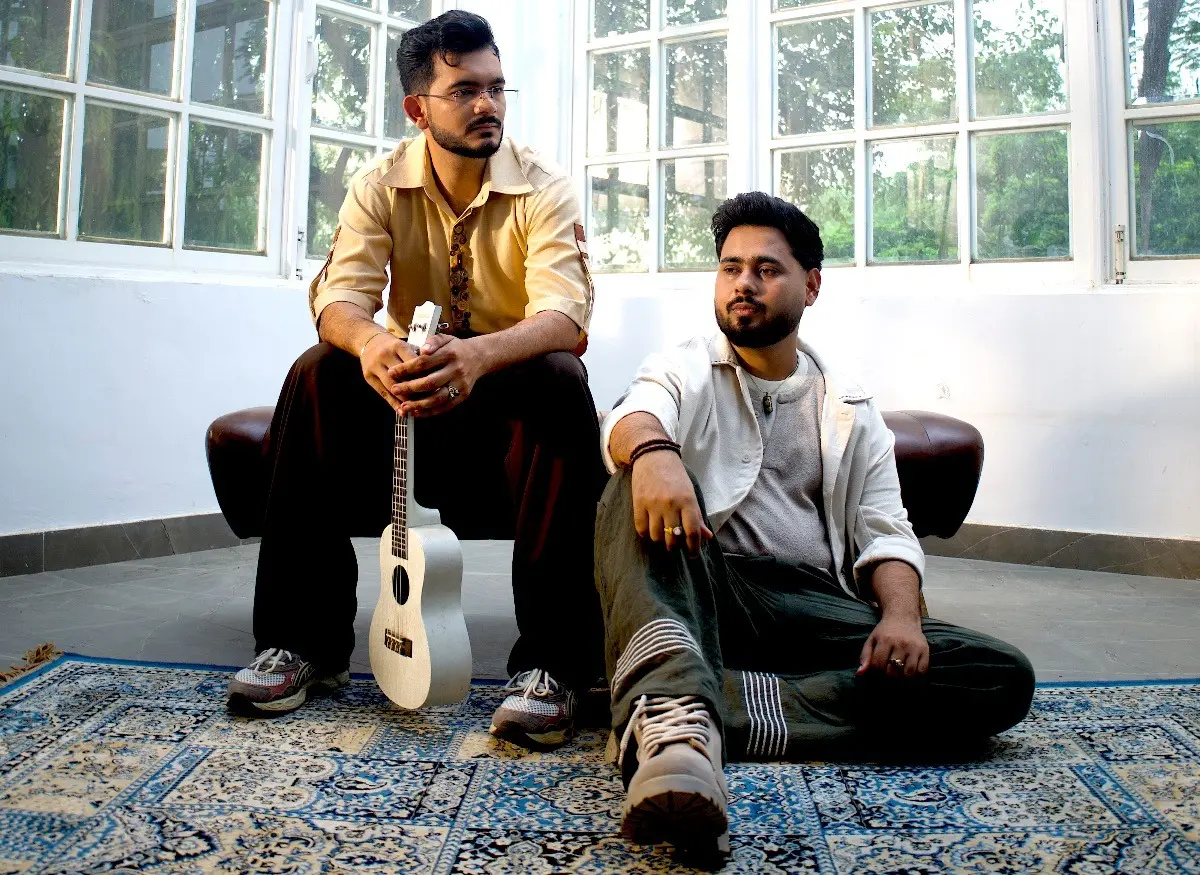
The musical duo Banjaare has emerged as a dominant force in Indian pop music, proving that Haryanvi tracks can capture the pinnacle of all-genre streaming charts. The duo achieved a major milestone by securing two consecutive No.1 positions on Spotify’s Top Songs chart for India with their blockbuster hits “Bairan” and “Barsaat.”
These tracks demonstrate the duo’s ability to blend infectious vocal melodies with sophisticated production values. Unlike older regional tracks that relied solely on raw acoustic elements, “Bairan” and “Barsaat” feature lush sonic arrangements, emotive vocal delivery, and polished mixing that places them on par with international pop and commercial Bollywood releases. Their success at the top of the national charts signals that mainstream Indian audiences are increasingly comfortable consuming regional language content at the highest commercial level.
Dhanda Nyoliwala: The Vanguard of Haryanvi Hip-Hop
While Banjaare represents melodic crossover success, rapper Dhanda Nyoliwala embodies the gritty, uncompromising spirit of Haryanvi hip-hop. Nyoliwala has established an extraordinary footprint on Spotify’s charts, currently maintaining an astonishing eight tracks simultaneously on the platform’s competitive 200-position list for India.
Nyoliwala’s diverse catalog showcases his versatility and his ability to forge strategic cross-cultural collaborations:
- “Boom Shaka”: A high-profile collaboration with prominent Hindi hip-hop heavyweight Kr$na, bridging the gap between underground regional rap and elite national hip-hop.
- “Do Numbari”: A high-stakes contribution to the official soundtrack of Mirzapur: The Movie, cementing the artist’s integration into major commercial film and streaming entertainment ecosystems.
- “Kath Lagda”: A cross-regional feature with celebrated Punjabi singer Navaan Sandhu, highlighting the growing collaborative synergy between the northern music powerhouses of Haryana and Punjab.
- “Russian Bandana”: The breakthrough underground smash that established Nyoliwala as a formidable independent force in Indian rap.
- Album Deep Cuts: Four additional tracks drawn from his critically acclaimed top-ten album Kohram, demonstrating deep listener retention and sustained album-era consumption habits among his fan base.
Nyoliwala’s dominance across multiple sub-genres—from hardcore street rap to high-budget cinematic sync deals—illustrates the multifaceted commercial viability of modern Haryanvi artists.
Future Outlook: The Next Frontier for Regional Audio
As Haryanvi music transitions from a regional phenomenon to a pillar of the Indian digital streaming economy, industry stakeholders are looking toward the future to assess how this growth will be sustained and monetized.
1. Increased Institutional Investment and Sync Opportunities
The inclusion of artists like Dhanda Nyoliwala in major cinematic projects such as Mirzapur: The Movie signals a structural shift in how Bollywood and major OTT platforms view regional music. Historically, film studios relied on established Mumbai-based composers to manufacture regional pastiche. Today, studios increasingly recognize that authentic regional voices drive higher engagement and cultural relevance. We can expect a significant increase in sync licensing deals, brand partnerships, and cross-media collaborations for Haryanvi artists in the coming years.
2. The Professionalization of Independent Production
With streaming revenues providing a predictable financial baseline, independent Haryanvi artists and producers are professionalizing their operations. Investment in state-of-the-art recording facilities, professional mixing and mastering engineers, and structured digital marketing campaigns within Haryana (particularly in cities like Rohtak, Karnal, and Gurugram) is accelerating. This professionalization will narrow the quality gap between regional releases and global pop standards even further.
3. Global Curation and Diaspora Reach
While the primary consumption base for Haryanvi music remains rooted in northern India and domestic migrant hubs, the global Indian diaspora represents an untapped market. As DSPs like Spotify continue to refine their geo-targeted algorithmic recommendations and localized editorial hubs, Haryanvi hits are increasingly finding their way into global playlists. The universal appeal of high-energy beats, combined with the emotional resonance of underdog narratives, provides a scalable blueprint for international expansion.
Conclusion
The rapid ascent of Haryanvi music—highlighted by a staggering 7x growth in platform listenership and anchored by groundbreaking acts like Banjaare and Dhanda Nyoliwala—marks a watershed moment for the Indian music industry. It proves that the future of streaming belongs to authenticity, regional pride, and uncompromising artistic expression. As digital platforms continue to build dedicated infrastructure to support these sounds, Haryanvi music has firmly established itself not as a passing viral trend, but as an enduring economic and cultural force in the global music landscape.