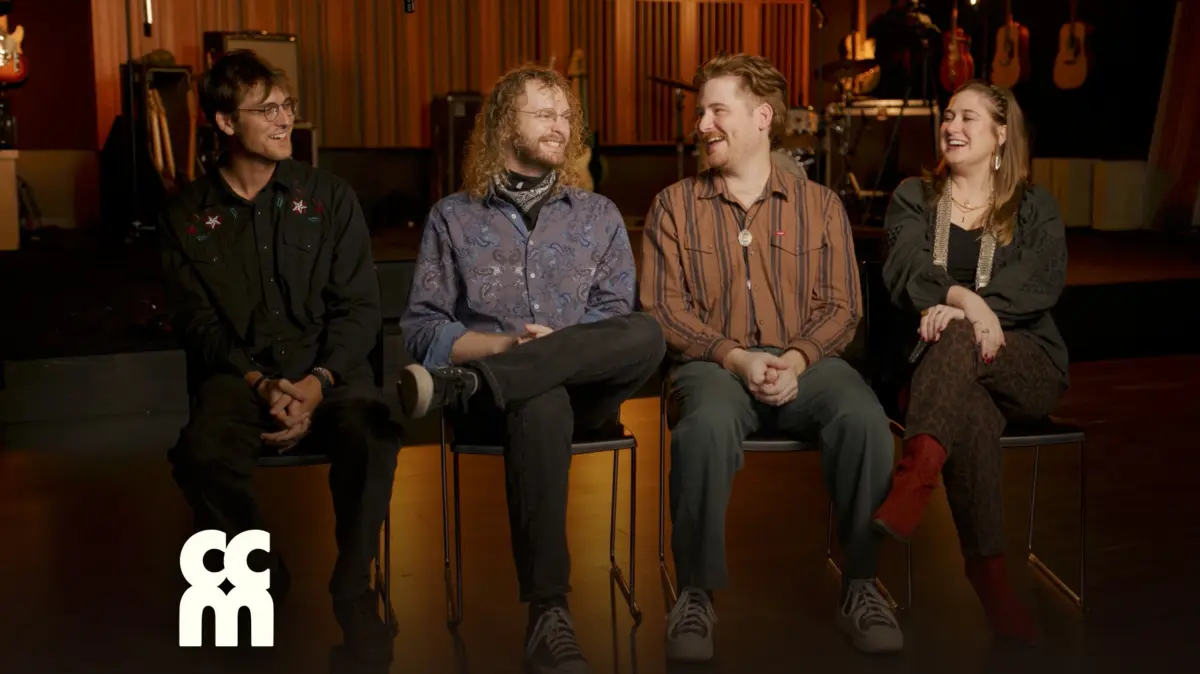
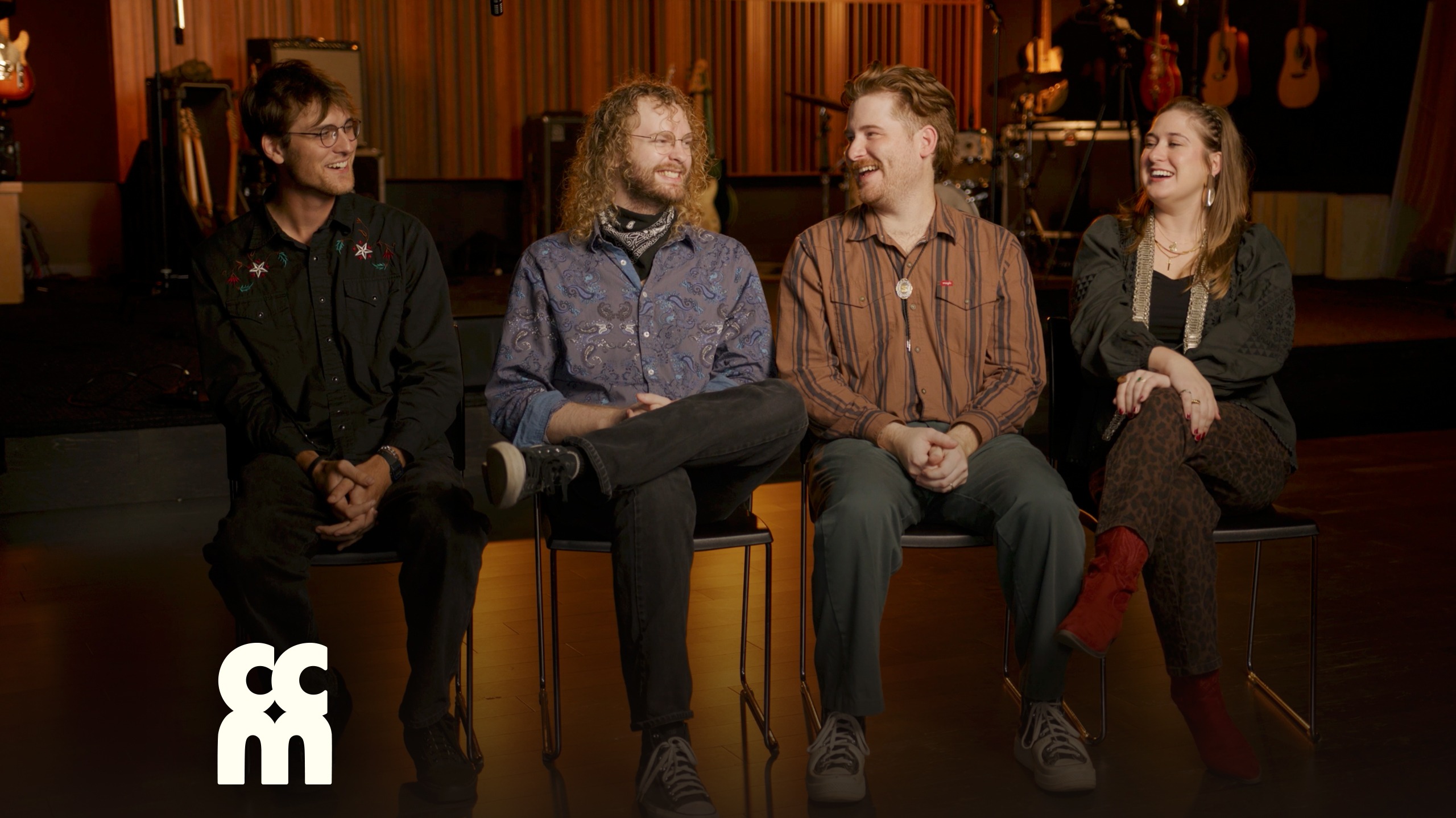
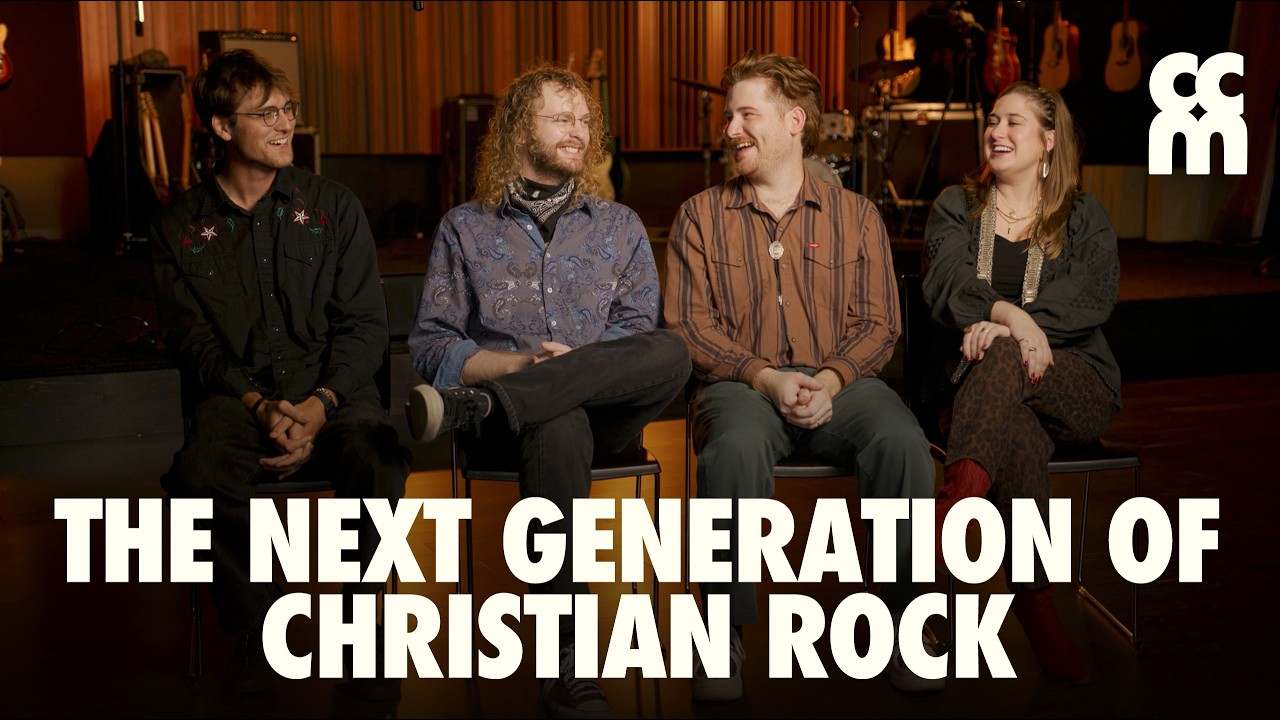
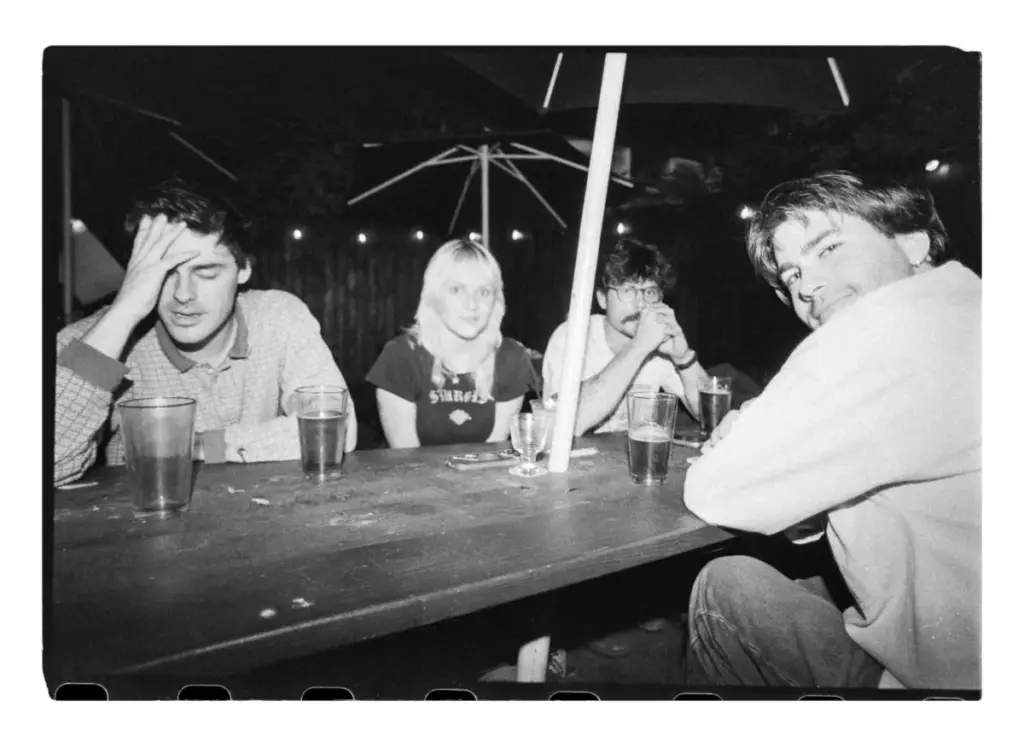
The landscape of Christian rock and roll is undergoing a seismic, high-voltage revival, fueled by heavy drums, overdriven guitar amps, and an unmistakable Southern swagger. Leading this spirited charge is Scout and the Saints, a Georgia-rooted powerhouse making waves across the faith-based music industry. Featuring powerhouse front-woman Scout Butler, her husband and dynamic drummer Alec Butler, Scout’s younger brother Cash Powell on bass and guitar, and college friend-turned-guitar-virtuoso Ryan Huston, the band operates under a wonderfully straightforward and uncompromising mission statement: “Love Jesus. Rock and Roll.”
In an exclusive CCM Magazine Spotlight interview and a pair of electrifying live performances, Scout and the Saints pulled back the curtain on their origins, their musical inspirations, and the heavy legacy they are simultaneously honoring and redefining. With profound Southern roots tied directly to the legendary vocal stylings of Christian rock royalty—specifically Scout’s father, Mac Powell of Third Day—the band is stepping out of the shadows of past icons and blazing a fresh trail.
As they prepare to support Third Day on their upcoming 2027 arena tour and promote their latest independent EP, Dancing on My Grave, Scout and the Saints represent more than just a continuation of a family business. They are proof that faith-based music can be raw, guitar-driven, and intensely theatrical, reminding audiences that the genre still has plenty of open highway left to conquer.
Detailed Chronology: From Liberty University Dorms to Arena Stages
The genesis of Scout and the Saints did not happen in a sterile Nashville boardroom; it was forged in the collegiate camaraderie and creative crucible of Liberty University in 2021. What began as a group of friends sharing a mutual love for classic rock and an authentic faith quickly transformed into a cohesive musical unit with an undeniable synergy.
2021–2023: Formative Years and Finding the Sound
When Scout Butler first felt a persistent spiritual calling to pivot her songwriting toward Christian themes, she turned to the people closest to her. Already surrounded by musical talent, she enlisted her husband, Alec Butler—whose energetic and chaotic drumming style gives the band its heartbeat—alongside her brother, Cash Powell, to hold down the low end on bass. To round out the sonic landscape, they brought in Ryan Huston, a college friend whose effortless mastery of the fretboard quickly established him as the band’s secret weapon.
Operating as a fiercely independent unit, the foursome spent their initial years balancing the unglamorous realities of working multiple jobs, self-producing their records, and playing local gigs wherever they could find a stage. It was during this period of grassroots growth that Scout penned “Oh Lord,” an early foundational track inspired by the biblical imagery of God as the potter and humanity as the clay. Seeking guidance, Scout brought the nascent composition to her father, Mac Powell, who helped nurture the track and encourage her burgeoning voice as a songwriter.
The Centricity Music Retreat and Dancing on My Grave
As their writing matured, the band’s scope expanded. During a pivotal songwriting retreat hosted by Centricity Music, the group birthed “Ain’t Seen Nothing Yet,” a driving, stadium-ready anthem that pulls directly from New Testament Scripture. Celebrating both the historical miracles of Jesus and the eternal promises awaiting believers in heaven, the track encapsulates the band’s ethos: that Christian music doesn’t have to shy away from grand musical statements, complete with face-melting guitar solos.
This creative momentum culminated in the release of their independent EP, Dancing on My Grave. The project successfully captured the lightning-in-a-bottle energy of a young band discovering its definitive identity—blending the secular grit of classic rock with an unapologetic, vertical declaration of faith.
The 2027 Horizon: Passing the Torch
The trajectory of Scout and the Saints reached a monumental milestone with the announcement that they will serve as direct support for Third Day on their massive 2027 arena tour. This partnership marks a rare and poetic generational handoff. For Scout, the opportunity to share arena stages with the band that defined an era of Christian rock is both an immense privilege and a profound responsibility—one that shifts their career from regional independent status to a national, high-visibility platform.
Supporting Context & Metrics: The Musical DNA and Industry Landscape
To fully understand Scout and the Saints, one must examine the rich tapestry of influences that informs their sonic profile. While the Christian music industry has historically favored polished pop productions and radio-friendly worship formats, a resilient sub-genre of guitar-centric rock has always persisted. Scout and the Saints do not mimic the past; rather, they draw inspiration from foundational rock royalty, blending Southern sensibilities with hard-rock velocity.
The Blueprint: Classic Rock Meets Modern Faith
Scout’s vocal delivery and stage presence are the product of an eclectic, rock-heavy diet. She points to artists like The Black Crowes, The Black Keys, Led Zeppelin, Tom Petty, and Bruce Springsteen as pivotal pillars of her musical education.
A defining moment in her artistic development occurred at age 16 when her father took her to a Bruce Springsteen concert. Recalling the experience during her CCM Magazine interview, Scout noted:
"It just blew my mind. I was like, this is what I want to do. This, like, rock thing. This is so cool."
This epiphany translated directly into the band’s instrumentation. Where many modern worship acts lean heavily on synthesizers and atmospheric pads, Scout and the Saints rely on tube amplifiers, acoustic floorboards, and dueling bass-and-guitar interplay.
The Economics of Independent Persistence
Despite their high-profile lineage and imminent arena tour dates, Scout and the Saints remain an entirely independent enterprise. In the modern music economy, this presents a unique set of logistical challenges and creative freedoms:
Self-Production: The band retains absolute creative control over their master recordings, writing, and arranging without corporate interference.
Economic Balancing: Like many independent touring acts, the members juggle side jobs and entrepreneurial endeavors to fund their equipment, studio time, and travel expenses.
Direct Fan Engagement: By maintaining ownership of their catalog—including the Dancing on My Grave EP—they have cultivated a fiercely loyal grassroots community via digital streaming platforms and organic social media reach.
Official Statements & Direct Perspectives
The heart and soul of Scout and the Saints are best captured through their own words. During their candid, in-depth studio session with CCM Magazine, the band articulated their philosophy on artistry, family legacy, and the intersection of faith and heavy rock.
On the Inevitability of Their Sound
When asked why they chose the demanding, guitar-heavy path of rock and roll rather than safer, more commercially saturated genres, Scout was refreshingly pragmatic:
"Choosing rock and roll, I think we just don’t know how to do anything else together as a band. When we come together, it’s just what flows out of us no matter what."
On the Weight and Freedom of Family Legacy
Carrying the musical DNA of Mac Powell—whose unmistakable voice fronted Third Day for decades—comes with an inherent set of external expectations and industry pressures. However, the band views this lineage not as a shadow to hide under, but as a foundation to build upon. Scout reflected on a conversation with her mother regarding the future of Christian music:
"Our journey is so different from theirs. My mom always prayed that Third Day’s ceiling would become the next generation’s floor."
That prophetic sentiment is rapidly becoming a reality as the younger musicians step out of private practice spaces and onto major concert stages.
On Bringing Joy Back to Christian Rock
A recurring theme throughout the band’s commentary is the sheer, unadulterated fun of making music that honors God while refusing to take itself too seriously. Discussing the creation of tracks like “Ain’t Seen Nothing Yet,” Scout emphasized the joy of blending profound theological truths with high-energy musicianship:
"We just pulled from the Word and from Scripture of things that Jesus did. It’s fun to be a Christian. It’s fun to rock out and have a guitar solo and a Christian song. We just want to see Jesus glorified and lifted up and do it through our music."
Future Outlook: The Road Ahead for Christian Rock
As the music industry looks toward the latter half of the decade, the arrival of Scout and the Saints signals a much-needed renaissance for guitar-driven faith-based music. For years, critics of the Christian rock genre have wondered if the golden era of arena-filling, guitar-heavy bands had faded into history. Scout, Alec, Cash, and Ryan are providing a resounding counter-argument.
What Lies Ahead in 2027 and Beyond
The Third Day Tour Integration: Stepping onto the stage as direct support for Third Day on their 2027 tour will expose Scout and the Saints to multi-generational audiences—bridging the gap between legacy fans of 90s/2000s Christian rock and a younger demographic hungry for authentic instrumentation.
Catalog Expansion: Following the positive reception of Dancing on My Grave, the band is already conceptualizing future studio projects that promise to push their sonic boundaries even further into blues-infused Southern rock territory.
Redefining Independent Success: By proving that a band can maintain total artistic independence while securing major touring opportunities, Scout and the Saints are setting a blueprint for how modern independent artists can thrive in a shifting music landscape.
Ultimately, Scout and the Saints are not asking the Christian music world to look backward with nostalgia. Instead, they are revving the engine, turning up the volume, and reminding listeners that as long as there are stories of faith to tell and stages to shake, rock and roll has a permanent, vital home in the church.
To experience their raw energy firsthand, watch the complete CCM Magazine Spotlight interview and their exclusive live performances of "Oh Lord" and "Ain’t Seen Nothing Yet" across the magazine’s official digital and video platforms.