
Executive Overview
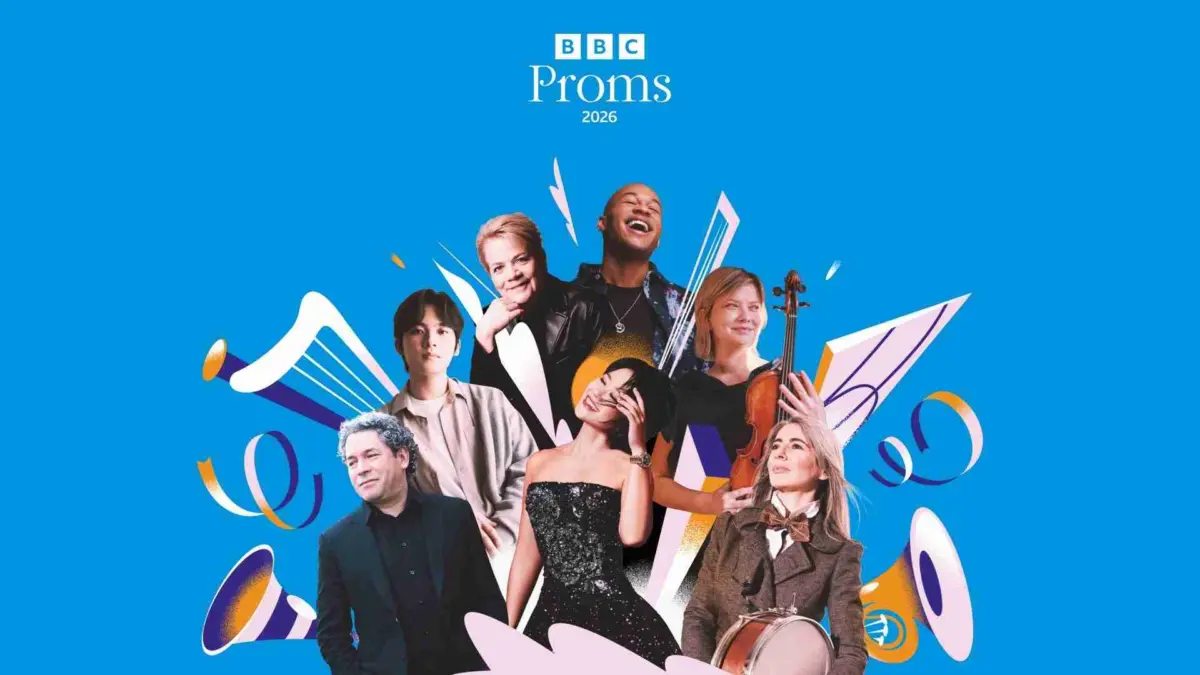
The BBC Proms has returned for its 2026 summer campaign, unfurling an ambitious, globe-spanning itinerary across eight weeks of relentless performance. Running from 17 July to 12 September 2026, the world’s largest classical music festival occupies its spiritual home at the Royal Albert Hall in London alongside an expanding web of venues nationwide. Delivering 86 concerts featuring upwards of 3,000 musicians, the 2026 season walks a delicate tightrope: it marries international star power and geopolitical narrative-building with a fierce defense of British creativity, grassroots access, and contemporary commissioning.
At a time when cultural institutions globally grapple with funding pressures, shifting audience demographics, and the lingering aftershocks of the digital transition, the Proms remains a monumental outlier. True to its foundational ethos—great music for the widest possible audience—the festival preserves its democratic bedrock: over 70,000 legendary £8 “Promming” standing tickets, alongside a comprehensive broadcast strategy that makes every single note available across BBC Radio 3, BBC Sounds, and BBC iPlayer. Building on record-breaking digital engagement from previous years, the 2026 festival cements its dual identity as a live spectacle and a universal public service broadcast.
Yet, this season is far more than a routine inventory of orchestral masterpieces. It is structured around an unmistakable narrative arc. By placing the United States at the center of its programming to mark 250 years since the US Declaration of Independence, the Proms has crafted a transatlantic dialogue that challenges, celebrates, and interrogates the shared musical heritage of two continents. Simultaneously, it champions British ensembles, introduces twenty world and UK premieres, crosses rigid genre boundaries into jazz, progressive rock, and psych-folk, and expands its geographic footprint deeper into the UK regions.
Detailed Chronology: From Opening Night to the Last Night
The structural blueprint of the 2026 BBC Proms is an exercise in dynamic pacing, designed to guide audiences from explosive historical commemorations through intimate chamber explorations, before culminating in the ritualistic pageantry of the Last Night.
The Opening Fortnight: Setting the Atlantic Tone
The First Night of the Proms on 17 July sets an unabashedly transatlantic tone. Chief Conductor Sakari Oramo and the BBC Symphony Orchestra anchor the evening in the rich, syncopated idioms of Aaron Copland, George Gershwin, and Maurice Ravel—whose own fascination with American jazz deeply influenced his later compositions. Woven into this historical tapestry is a high-profile BBC commission by contemporary British composer Josephine Stephenson, establishing an immediate dialogue between the Old World and the New.
As the opening fortnight unfolds, the schedule accelerates into a dizzying succession of high-profile events. The Metropolitan Opera Orchestra makes its historic Proms debut under the baton of Yannick Nézet-Séguin, bringing a legendary operatic weight and precision to Kensington Gore with monumental readings of Richard Strauss and Gustav Mahler. Shortly thereafter, the Los Angeles Philharmonic makes its long-awaited return to the festival under Gustavo Dudamel, marking the ensemble’s first Proms appearance in nearly a quarter of a century. This performance stands out as one of the most anticipated cultural tickets of the decade.
Mid-Summer: Premieres, Legends, and Genre-Bending Nights
By August, the festival hits its stride, balancing canonical cornerstones with radical departures. The middle weeks of the season showcase the deep bench of international orchestras, including returning heavyweights from Berlin, Munich, and Oslo, alongside vital debuts from the Spanish National Orchestra and the Mahler Academy Orchestra.
Amidst these symphonic blockbusters, the programming pivots toward contemporary artistry and genre fluidity. A 40th-anniversary celebration of Paul Simon’s landmark album Graceland explores the intersections of American pop, folk, and South African mbaqanga rhythms within a symphonic context. Later weeks feature a dedicated symphonic Prog Rock night, genre-crossing tributes to Marvin Gaye, and a performance of Turkish psych-folk by Altın Gün.
Interspersed throughout this calendar are marquee artistic milestones:
- A centenary tribute to Miles Davis highlights the Proms’ evolving, comfortable relationship with jazz as an academic and visceral art form.
- A milestone triple concerto composed by Gwilym Simcock specifically for cellist Sheku Kanneh-Mason, accordionist Jess Gillam, and horn player Ben Goldscheider. This performance marks a full decade since the trio’s respective breakthroughs as BBC Young Musicians, celebrating a generation of British talent that has since conquered the global stage.
The Closing Week and the Last Night of the Proms
As the festival enters September, the intensity peaks. The final week features a series of reflective yet monumental programmes, honouring Benjamin Britten on the 50th anniversary of his death with performances ranging from his urgent early works to his final orchestral statements.
The season culminates on 12 September with the Last Night of the Proms. True to tradition, the evening balances solemnity, patriotic fervor, and unadulterated musical joy. Breaking new ground, the virtuoso pianist Yuja Wang tackles Samuel Barber’s virtuosic Piano Concerto—marking a Proms first for the piece—performing alongside the BBC Symphony Orchestra and Chorus under the direction of Sakari Oramo. The traditional flag-waving anthems will follow, closing a summer defined by its expansive musical geography.
Supporting Context & Metrics: The Anatomy of a Mega-Festival
To understand the sheer scale of the 2026 BBC Proms is to look at a matrix of logistical and artistic data points that dwarf almost every other classical music festival on Earth.
+-------------------------------------------------------------+
               BBC PROMS 2026 BY THE NUMBERS
+-------------------------------------------------------------+
|  86 Concerts         |  Over 3,000 Musicians Involved       |
|  8 Weeks Duration    |  £8 Standing "Promming" Tickets (>70k)|
|  20 World/UK Premieres|  42 Appearances by BBC Ensembles     |
|  17 BBC Commissions  |  41 UK Orchestras & Choirs Deployed  |
+-------------------------------------------------------------+
The Financial and Democratic Architecture
At the heart of the Proms’ survival and cultural relevance is its pricing structure. In an era where top-tier orchestral tickets in New York, London, or Vienna can easily exceed £150, the Proms preserves its populist roots. More than 70,000 standing tickets priced at just £8 ensure that financial barriers are stripped away for students, young professionals, and dedicated enthusiasts. These "Prommers," packed tightly into the Arena and Gallery of the Royal Albert Hall, supply the festival with its signature electric, unpredictable atmosphere.
The Commissioning Engine and Contemporary Repertoire
The 2026 season features 20 premieres, including 17 brand-new BBC commissions. This is not casual tokenism; it is a vital injection of capital and performance opportunities into the contemporary music ecosystem. The roster of living composers represented this season spans generations, bridging nonagenarians such as Thea Musgrave and Betsy Jolas with established mid-career voices like Mark-Anthony Turnage, alongside fresh talent emerging from the BBC Young Composer scheme.
By demanding that contemporary works sit shoulder-to-shoulder with Beethoven, Brahms, and Stravinsky, the Proms acts as a living laboratory. It forces canonical institutions to reckon with the sound worlds of the present day, ensuring that classical music is treated as a living, breathing art form rather than a historical museum.
Amplifying British Voices
While the transatlantic narrative dominates the headlines, the backbone of the festival remains resolutely domestic. The BBC’s internal ensembles—including the BBC Symphony Orchestra, the BBC Concert Orchestra, the BBC Philharmonic, and the BBC Singers—make a combined total of 42 appearances across the eight-week season. When added to the contributions of 41 external UK orchestras, regional choirs, and specialist groups like the legendary Black Dyke Band, the festival reveals itself as a massive engine for national cultural employment and regional artistic development.
Official Statements and Curatorial Vision
The curatorial philosophy driving the 2026 season was articulated by senior BBC leadership during the summer launch, framing the festival not merely as entertainment, but as a cultural anchor for a changing society.
"The BBC Proms has always been predicated on a radical proposition: that the greatest music in the world belongs to everyone," noted the festival’s artistic directors in a joint curatorial statement. "In 2026, we are leaning into that proposition with renewed vigor. By marking 250 years of American creativity alongside our deep-rooted British traditions, we are building a bridge across the Atlantic that reflects our shared cultural histories while opening doors to entirely new audiences."
In discussions regarding the integration of non-classical genres, programmers emphasized that the historical boundaries of the "orchestral canon" are entirely artificial:
"When we invite artists like Wynton Marsalis, or mount symphonic explorations of Paul Simon’s Graceland, we are not diluting the classical tradition. We are expanding it. The orchestra is the ultimate sonic vehicle; it should be flexible enough to house the blues, jazz, folk, and contemporary electronic composition without losing an ounce of its integrity."
Accessibility advocates within the BBC have also drawn praise for the expansion of relaxed performances and technological innovations—such as the pioneering Clarion concerto, designed for tablet-based instruments. These steps ensure that neurodivergent and disabled patrons are not merely accommodated, but actively welcomed into the Proms experience.
Future Outlook: Beyond London and into the Digital Horizon
As the 2026 Proms unfolds, its long-term trajectory points toward decentralization and digital ubiquity. For decades, the festival was colloquially understood as a quintessential London event—a glorious two-month takeover of South Kensington. However, the 2026 season accelerates a multi-year strategy to decentralize the festival’s footprint across the United Kingdom.
A Truly National Footprint
The 2026 festival deepens its regional residencies, establishing strong operational and artistic hubs in Bristol and the North-East of England, alongside a historic first-ever Proms visit to Mold in North Wales. These are not stripped-down touring versions of London concerts; they are fully realized, bespoke events featuring major international soloists, regional orchestras, and world premieres tailored to local audiences. This decentralization model addresses longstanding criticisms that national arts funding remains overly London-centric, distributing the cultural dividends of the licence fee more equitably across the nations and regions.
The Digital Frontier
Concurrently, the Proms is redefining what a classical music audience looks like in the 21st century. Building on the record-breaking streaming numbers achieved on BBC iPlayer and BBC Sounds in recent years, the 2026 season treats broadcasting not as an afterthought, but as its primary growth vector. High-definition video streams, spatial audio broadcasts on Radio 3, and interactive digital programs allow millions of listeners worldwide to experience the spatial acoustics of the Royal Albert Hall from their living rooms, classrooms, and mobile devices.
Conclusion: A Festival That Stretches Its Heritage
As the countdown to the First Night concludes and the first notes of Copland and Stephenson ring out beneath the dome of the Royal Albert Hall, the BBC Proms 2026 stands as a masterclass in institutional resilience. It honors its past while aggressively interrogating its future; it celebrates international alliances while fiercely nurturing British talent; and it demands that the boundary lines between high art and popular culture remain delightfully, productively blurred.
Throughout the summer, critics, scholars, and passionate listeners will parse every crescendo, debate every interpretation, and celebrate every triumph. The Proms remains the undisputed heavyweight champion of the global classical music calendar—a living, evolving, and utterly essential national institution.