
Executive Overview
In the realm of vocal arts and medical speech pathology, conventional wisdom has long dictated a patient and arduous trajectory. Singers, speakers, and performers suffering from vocal degradation, structural damage, or debilitating medical disorders like Muscle Tension Dysphonia (MTD) and Spasmodic Dysphonia are routinely told that recovery requires years of conventional speech therapy, invasive surgical interventions, or, in the most discouraging cases, the permanent abandonment of their craft.
Enter the Vocal Science Method—a proprietary, non-surgical approach developed under the umbrella of The Royans Institute for Non-Vocal Damage Prevention and Alternative Voice Repair. Operating under the guiding philosophy, "Work Smart, Not Hard — And with minimum effort bring out maximum results," this methodology challenges the orthodox timelines of vocal rehabilitation. Proponents and practitioners assert a bold, disruptive premise: that the quality of a singing or speaking voice can be radically improved, repaired, and elevated in a matter of hours, rather than years.
This investigative report examines the empirical evidence, individual case studies, and transformative journeys of artists, professionals, and medical sufferers who have undergone the Vocal Science regimen. By analyzing intensive 40-hour super-accelerated repair courses, exploratory group sessions, and before-and-after sonic metrics, this feature explores how non-invasive structural realignment and targeted physiological technique are redefining the boundaries of human vocal capability.
Detailed Chronology: Case Studies in Rapid Vocal Transformation
To understand the practical application and efficacy of the Vocal Science Method, one must examine the documented journeys of individuals who arrived at the program facing severe vocal impediments, career-threatening injuries, and psychological distress.
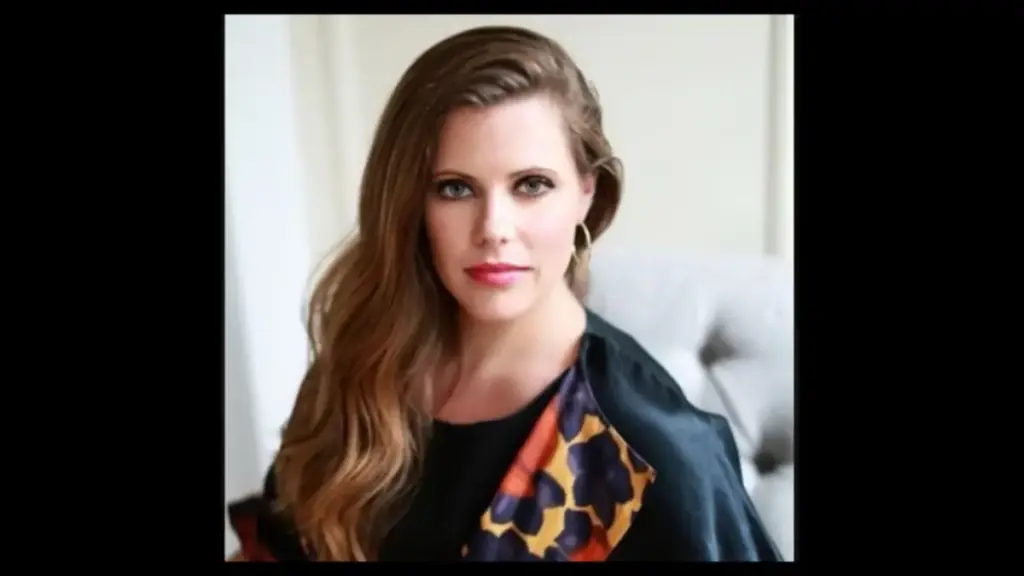
1. Dr. Vera C. (Detroit, USA): Overcoming MTD and Complete Voice Loss
On August 19th, Dr. Vera C. reached a critical milestone by completing a rigorous 40-hour Super Accelerated Voice Repair Course. Prior to her enrollment, Vera was suffering from profound voice loss accompanied by Muscle Tension Dysphonia (MTD). Her condition had not manifested in a vacuum; it was the physiological consequence of immense emotional stress compounded by severe, chronic vocal cord straining.
Traditional medical paths often treat MTD through prolonged speech therapy aimed at relaxation and behavioral modification, frequently yielding agonizingly slow progress. However, through the immersive, non-surgical protocols of the Vocal Science Method, Vera systematically unlearned the harmful compensatory mechanisms that were locking her vocal apparatus. Over the course of 40 intensive hours, she not only recovered her lost voice but fundamentally enhanced its baseline quality, restoring both her acoustic output and her confidence.
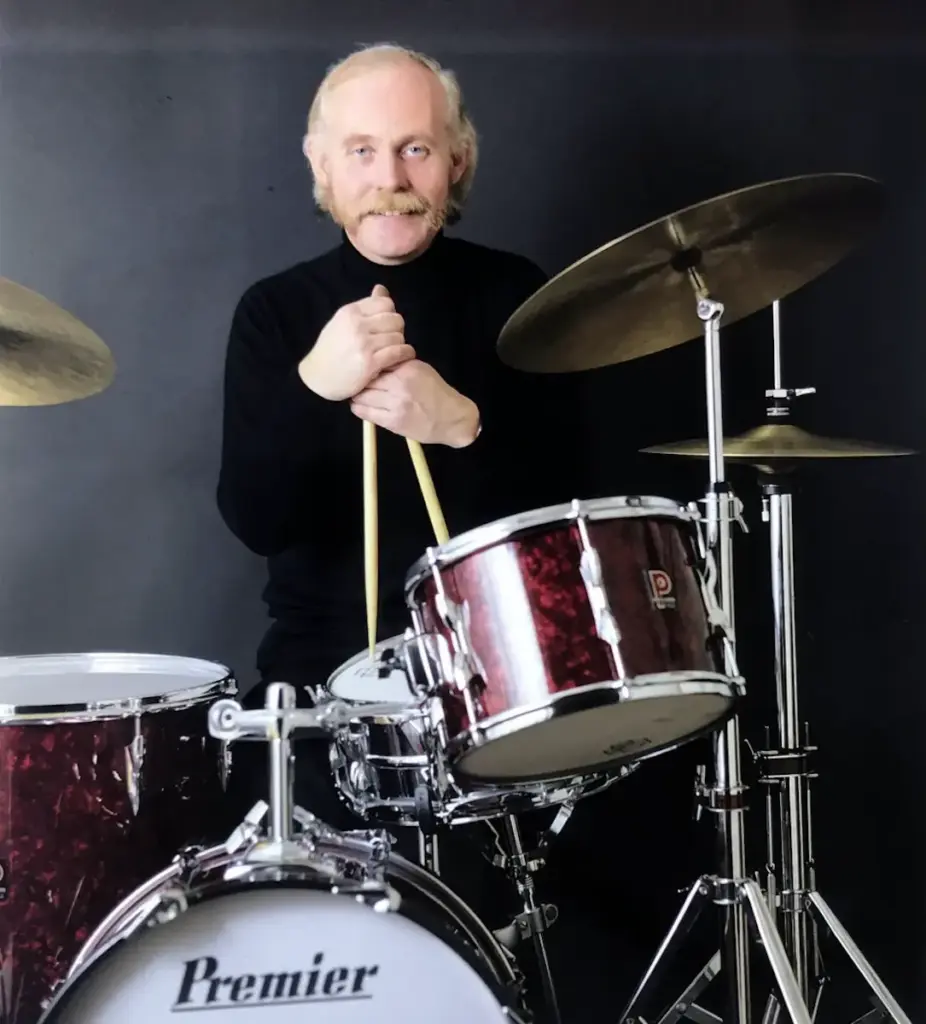
2. Rich (GC Boy) Wallen (Chicago, Illinois): Defying Vocal Cysts
For a professional singer-songwriter, a diagnosis of vocal cysts is often career-ending. Such was the reality faced by Rich (GC Boy) Wallen when medical professionals discovered two distinct cysts underneath his right vocal fold. The conventional prognosis offered little comfort: he was essentially advised to accept the condition and live with a permanently compromised instrument.
Unwilling to accept a passive trajectory, Wallen sought out alternative intervention. After undergoing less than 15 hours of targeted instruction and treatment under the Vocal Science framework, Wallen demonstrated an astonishing acoustic turnaround.
The auditory evidence is striking. In archival recordings of his performances prior to instruction (such as his late-night 70s vibe jam sessions), his voice exhibits strain, instability, and a lack of clear projection. In stark contrast, post-treatment recordings of his original tracks—such as "Exposed" and "Thinking About You"—reveal a transformed vocal profile. Wallen reported singing stronger, clearer, and with markedly improved backup capabilities during weekend performances. In his own words, the trajectory of his vocal health was decisively altered, proving that mechanical efficiency can bypass physical impediments that traditional medicine deems permanent.
3. Noreitta Ramocan (Kitchener, Ontario): Alleviating Throat Compression
Noreitta Ramocan, an emerging singer-songwriter from Ontario, entered a Vocal Science group session facing a frustrating physical barrier: her voice would frequently "chip out," and the simple act of hitting high pitches triggered acute throat pain.
Ramocan’s experience highlights a common pitfall among developing vocalists—relying on muscular compression to force sound rather than engaging proper resonant placement. After participating in the workshop, Ramocan noted a complete paradigm shift in her mechanics. "I’ve learned different ways to sing alleviating the compression on my throat," she remarked, praising the techniques as unique, ingenious, and profoundly successful.
4. Zelda A. and Other Notable Recoveries
The breadth of the Vocal Science Method extends into even more complex neurological and functional disorders. Consider the case of Zelda A., a former sufferer of Spasmodic Dysphonia—a chronic neurological disorder characterized by involuntary spasms of the vocal cords that cause the voice to break or sound strained, tight, or breathy. Documented video and extensive written testimonials outline her extraordinary journey away from debilitating spasms toward functional, clear vocalization.
Similarly, artists such as Sergei L. and Ethelrida Zabala-laxa (who attended the 32nd Anniversary Vocal Science Exploratory Group Session), alongside Adam Riley—whose before-and-after demo recordings showcase precise metric improvements—underscore a consistent pattern: rapid diagnostic identification of bad habits, immediate physiological realignment, and enduring performance enhancement.
Supporting Context & Metrics: The Mechanics Behind the Method
To critically evaluate the claims of the Vocal Science Method, one must analyze the physiological principles that separate it from conventional vocal pedagogy.
Traditional vocal training often focuses on aesthetic output—teaching students how to shape vowels, project dynamically, and interpret musical phrasing. While valuable, this approach frequently fails when a singer suffers from pre-existing structural trauma, chronic muscle tension, or psychological stress manifesting physically in the larynx.
The Philosophy of Minimal Effort
The core motto of the institute—"Work Smart, Not Hard — And with minimum effort bring out maximum results"—points directly to the concept of mechanical efficiency. The human voice is an aerodynamic system relying on airflow from the lungs, vibration from the vocal folds, and resonance within the vocal tract (pharynx, oral cavity, and nasal passages).
When a speaker or singer experiences trauma, stress, or improper training, they invariably introduce extraneous muscular tension. The throat tightens, the jaw locks, and the tongue retracts. This forces the delicate vocal folds to absorb physical shock, leading to nodes, polyps, cysts, and muscular dystonias like MTD.
The Vocal Science Method intervenes by addressing the root cause: the misalignment of aerodynamic pressure and muscular engagement. By teaching clients how to utilize body support (abdominal and diaphragmatic engagement) to lift the burden off the throat, the method allows the vocal folds to vibrate freely without frictional trauma. This explains how clients like Rich Wallen and Dr. Vera C. were able to achieve noticeable restorative breakthroughs within hours rather than years.
Official Statements and Client Testimonials
The qualitative data emerging from these intensive courses is heavily supported by the direct testimony of those who have walked the path of recovery. The testimonials collected across various cohorts emphasize not just physical healing, but a restoration of artistic identity.
- Dr. Vera C. stands as a testament to the intersection of emotional trauma and physical voice loss, proving that specialized non-surgical intervention can reverse clinical diagnoses of Muscle Tension Dysphonia.
- Rich Wallen’s enthusiastic endorsements—highlighting his ability to perform complex original compositions like "Exposed" and "Thinking About You" after a fraction of the time typically demanded by traditional vocal coaches—challenge the medical fatalism often associated with vocal fold cysts.
- Adam Riley encapsulated the sentiment of many participants when reflecting on his time in the program: "I hope you know that our time together and my experience with you is very dear to me. I have complete faith in your method and technique…"
These accounts illustrate a vital psychological component of vocal recovery. Voice loss is deeply isolating; it strips individuals of their primary mode of human connection and, in the case of artists, their livelihood. The rapid, tangible progress championed by the Vocal Science Method provides an immediate psychological reprieve, replacing despair with actionable empowerment.
Future Outlook
As the demands on professional and amateur vocalists continue to escalate in an era of relentless digital performance, the need for efficient, non-invasive, and rapid vocal rehabilitation has never been more critical. Traditional healthcare systems, while exceptional in acute trauma care, often lack the specialized pedagogical bridge required to rehabilitate the human voice safely and expeditiously.
The success demonstrated by programs like the Royans Institute and its proprietary Vocal Science Method suggests a paradigm shift in how vocal pathologies will be managed in the future. By bridging the gap between vocal coaching, alternative therapy, and physiological science, these rapid intervention models offer a compelling alternative to invasive surgeries and multi-year recovery timelines.
For the modern singer, speaker, or voice-loss sufferer, the message is clear: vocal rehabilitation does not have to be a multi-year ordeal of attrition. With precise physiological alignment, expert guidance, and a commitment to working smarter rather than harder, the path to a restored, elevated voice can begin in a matter of hours.
For further details, updates, and educational resources regarding the Vocal Science Method and The Royans Institute, practitioners and enthusiasts can connect via official digital channels on Facebook, Twitter, and YouTube.