
Executive Overview
The Tri-Cities Opera (TCO), a cornerstone of regional performing arts in Upstate New York, has officially announced its grand opening production for the 2026–27 artistic season: Engelbert Humperdinck’s timeless fairy-tale opera, Hansel and Gretel. Scheduled for a three-performance run from October 16 through October 18, 2026, the production will be staged at the intimate and acoustically vibrant Tri-Cities Opera Center in Binghamton, New York.
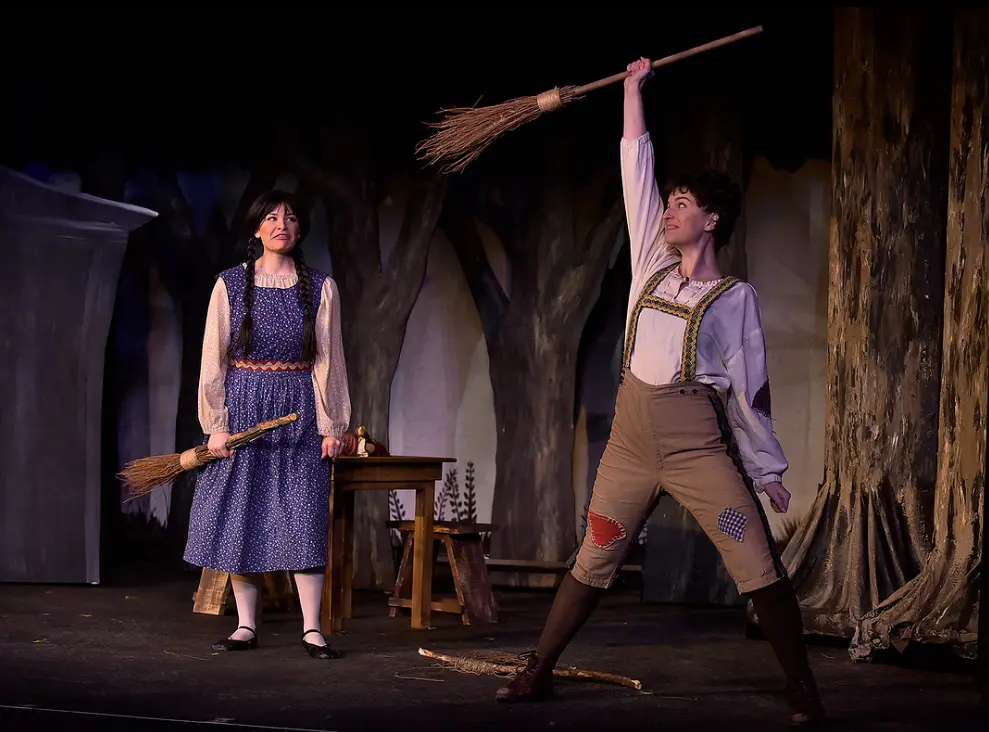
Far from a conventional children’s fable, this upcoming staging promises to deliver a rich, musically sophisticated, and visually arresting interpretation of a classic German Romantic score. Sung entirely in English to ensure immediate accessibility for both seasoned opera aficionados and first-time theatergoers, the production features an elite cast of rising operatic talent. Mezzo-soprano Kanade Motomura takes on the trouser role of Hansel, opposite soprano Kate Fogg as his pragmatic sister, Gretel. The formidable ensemble also includes Sofia Scattarreggia as the malevolent Witch, baritone Kevin Douglas Jasaitis as the beleaguered Father, Mayavati Prabhakar as the luminous Dew Fairy, and Danielle Yamashiro as the soothing Sandman.
At the helm of this artistic venture are seasoned professionals: Stage Director Patrick Hansen and Music Director Giovanni Reggioli. Together, they aim to balance the darker, folkloric underpinnings of the Brothers Grimm narrative with the lush, Wagnerian-inspired orchestration that has made Humperdinck’s 1893 masterpiece a permanent fixture in the global operatic canon.
In an official statement accompanying the season announcement, TCO General Director John Rozzoni emphasized the strategic importance of choosing Hansel and Gretel as the curtain-raiser for the 2026–27 slate. Rozzoni noted that the opera serves as an ideal bridge between universal storytelling and the visceral, communal impact of live performance, kicking off a season explicitly designed to highlight powerful narratives and unforgettable character arcs.
Detailed Chronology: The Journey to Opening Night
The Genesis of the 2026–27 Season Programming
Planning a major regional opera season requires a multi-year logistical runway. For the leadership team at Tri-Cities Opera, the conceptualization of the 2026–27 season began over eighteen months prior to the public announcement. Artistic committees, financial planners, and community outreach coordinators weighed dozens of potential titles before unanimously settling on Humperdinck’s Hansel and Gretel.
The decision was driven by several core criteria: artistic challenge, audience demographic appeal, production adaptability, and educational outreach potential. While grand-scale Italian and French repertoires often dominate regional houses, TCO recognized a strategic opportunity to present a German Romantic masterwork that bridges the gap between orchestral complexity and narrative familiarity.
Auditions, Casting, and the Rehearsal Timeline
Casting for a production of this caliber is a rigorous, highly competitive process. Auditions spanned several major metropolitan hubs, drawing exceptional young artists from across North America. The final roster—featuring Kanade Motomura, Kate Fogg, Sofia Scattarreggia, Kevin Douglas Jasaitis, Mayavati Prabhakar, and Danielle Yamashiro—represents a meticulous balance of vocal timbre, theatrical agility, and physical stamina required for the demanding staging envisioned by Director Patrick Hansen.
The rehearsal schedule is slated to begin in earnest in mid-September 2026 at the Binghamton facilities. Over four intensive weeks, the cast will collaborate closely with Music Director Giovanni Reggioli to master Humperdinck’s dense, counterpoint-rich vocal lines. Simultaneously, Hansen will lead blocking and spatial choreography sessions, ensuring that the intimate dimensions of the Tri-Cities Opera Center are utilized to maximize dramatic tension—particularly during the pivotal second-act forest scenes and the climactic gingerbread oven confrontation.
Performance Weekend Schedule (October 16–18, 2026)
The production opens on Friday, October 16, with an evening performance designed to draw regional culture enthusiasts, academic patrons, and critics. A Saturday matinee or evening performance on October 17 will accommodate regional travelers and families, followed by the closing matinee on Sunday, October 18. Each performance will be preceded by pre-show lecture events, offering audience members deep-dive historical context into the creation of the opera and its unique place within nineteenth-century German musical culture.
Supporting Context & Metrics: The Art and Impact of Hansel and Gretel
Historical and Musical Significance of Humperdinck’s Masterpiece
To fully appreciate the significance of Tri-Cities Opera’s choice, one must examine the legacy of Engelbert Humperdinck’s 1893 work. Premiered in Weimar under the baton of Richard Strauss—who famously declared it "a masterpiece of the first rank"—Hansel and Gretel (Hänsel und Gretel) quickly transcended its humble origins as a domestic Christmas project for the composer’s nieces.
Humperdinck, heavily influenced by his mentorship under Richard Wagner, infused the traditional folk melodies collected by his sister, Adelheid Wette (who wrote the libretto), with a sophisticated symphonic palette. The score seamlessly integrates soaring Wagnerian chromaticism, lush string textures, and intricate counterpoint—most notably in the famous "Evening Prayer" (Abendsegen)—with simple, singable German folk tunes (Volkslieder).
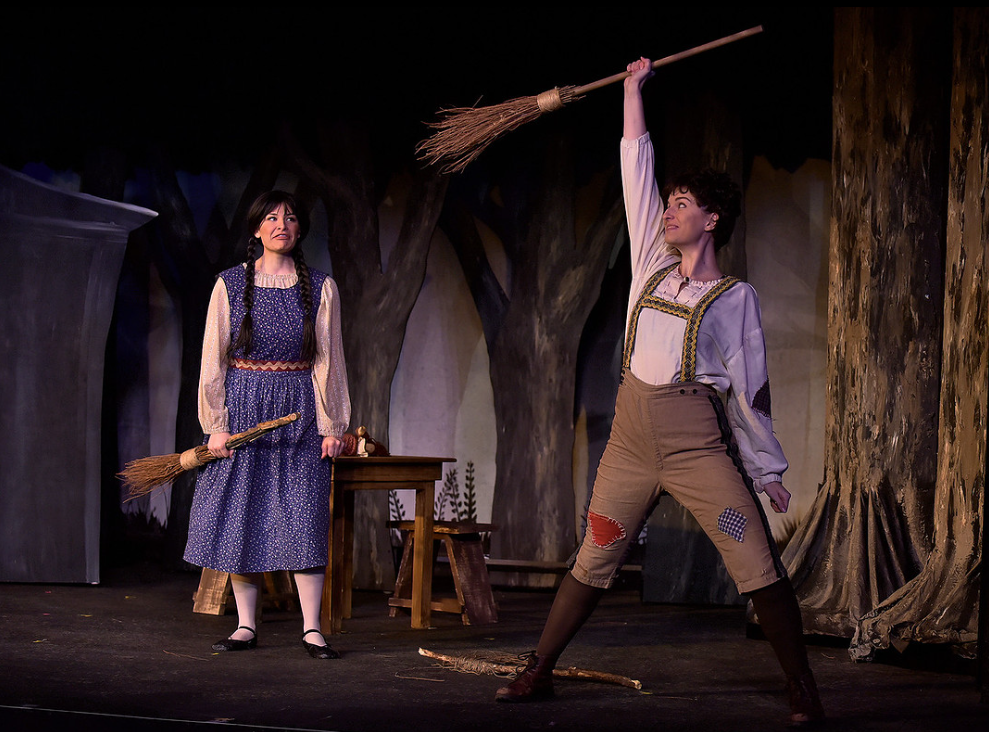
For a regional company like Tri-Cities Opera, performing the work in English removes the linguistic barrier, allowing audiences to fully appreciate the psychological depth of the text while absorbing the staggering tonal beauty of the orchestration.
Tri-Cities Opera Center: Acoustics, Intimacy, and Community Footprint
The choice of venue plays a critical role in the artistic success of this production. Located in the heart of Binghamton, New York, the Tri-Cities Opera Center offers an intimate, state-of-the-art performance environment that contrasts sharply with cavernous, multi-thousand-seat European or metropolitan American houses.
+--------------------------------------------------------------------------+
|                  TRI-CITIES OPERA PRODUCTION METRICS                     |
+---------------------------+----------------------------------------------+
| Primary Venue             | Tri-Cities Opera Center, Binghamton, NY      |
| Opening Run Dates         | October 16 – October 18, 2026                |
| Core Creative Leadership  | Patrick Hansen (Dir.) & Giovanni Reggioli (MD) |
| Language of Performance   | English (Accessible Translation)             |
| Target Audience Reach     | Regional patrons, students, families, arts   |
|                           | enthusiasts across Upstate New York          |
+---------------------------+----------------------------------------------+
This intimacy transforms the viewing experience. In a smaller venue, the psychological claustrophobia of the deep forest, the vulnerability of the lost children, and the grotesque comedy of the Witch’s gingerbread house become palpably immediate to every seat in the house. Furthermore, the acoustic profile of the Opera Center allows Humperdinck’s richly textured orchestration to envelop the audience without overwhelming the vocalists, creating a balanced, transparent sonic experience.
Official Statements and Leadership Vision
The announcement of the 2026–27 season opener has generated considerable enthusiasm among regional stakeholders, patrons, and the broader American opera community. General Director John Rozzoni’s remarks capture the institutional philosophy guiding the company’s current trajectory:
"Hansel and Gretel is a wonderful way to begin a season that celebrates powerful stories and unforgettable characters. It invites audiences to rediscover a story they may know while experiencing the magic, humor, and beauty of live opera together."
This sentiment underscores a broader mission within modern regional opera administration: balancing artistic innovation with audience accessibility. By selecting a work that carries instant brand recognition through its fairy-tale roots, TCO lowers the barrier to entry for first-time attendees. Simultaneously, the inclusion of complex musical layers ensures that seasoned operagoers will find immense artistic depth in the execution by Motomura, Fogg, and the broader creative team under Reggioli and Hansen.
Future Outlook: The 2026–27 Season and Beyond
Expanding Educational Outreach and Community Engagement
As Tri-Cities Opera looks toward the autumn of 2026, the company is ramping up its educational and community engagement initiatives tied directly to the production of Hansel and Gretel. Recognizing the work’s enduring appeal to younger generations, TCO is developing specialized student matinee performances, pedagogical study guides for regional school districts, and interactive workshops led by resident artists.
These programs aim to demystify the art form for middle and high school students across Broome County and the surrounding Southern Tier region, fostering a new generation of performing arts consumers and participants.
Artistic Trajectory and Institutional Growth
The staging of Hansel and Gretel serves as a bellwether for Tri-Cities Opera’s broader strategic vision. Over the past decade, regional opera companies across the United States have faced unprecedented financial, logistical, and cultural hurdles. TCO has consistently navigated these challenges by maintaining fiscal discipline, investing heavily in community partnerships, and curating seasons that bridge classical tradition with modern theatrical sensibilities.
The appointment of seasoned creative leaders like Stage Director Patrick Hansen and Music Director Giovanni Reggioli reflects the company’s unwavering commitment to artistic excellence. Their collective expertise ensures that the Binghamton production will meet the rigorous standards expected by contemporary critics while retaining the heart, whimsy, and emotional resonance that Humperdinck intended when he penned the score over a century ago.
As the curtain rises on October 16, 2026, at the Tri-Cities Opera Center, audiences will not merely witness a staging of a classic children’s tale; they will experience a masterclass in musical storytelling, community resilience, and the enduring vitality of live opera in Upstate New York.