
By Francisco Salazar
Published in association with independent media networks and investigative desks.
Executive Overview
In a stunning escalation of an ongoing cultural and legal battle, Donald Trump has renewed and intensified threats to demolish the iconic John F. Kennedy Center for the Performing Arts if his administration is not granted permission to prominently feature his name on the building and its surrounding grounds.
Speaking to members of the press on the tarmac before boarding Air Force One, Trump linked the financial stabilization and structural upkeep of the world-renowned cultural institution directly to his personal brand recognition. "For me to go and fix it and subsidize it, I think the Trump Administration should have recognition," Trump told reporters. "If we don’t do that, it’s going to close and get ripped down."
This latest ultimatum follows a series of increasingly aggressive legal maneuvers, public posturing, and an escalating war of words between the administration and preservationists. The conflict reached a critical flashpoint on September 15, when U.S. District Court Judge Christopher Cooper handed down a decisive ruling barring the Kennedy Center’s board from placing Trump’s name across alternative locations on the facility and its federal grounds.
As viral images circulate online showing the President examining architectural printouts bearing the chilling label "Kennedy Center DEMOLITION," cultural advocates, legal scholars, and lawmakers are left grappling with the unprecedented prospect that one of America’s premier federal monuments to the arts could be dismantled over a naming dispute.
Detailed Chronology: From Renovation Dispute to Demolition Threat
To fully understand the gravity of the current standoff, one must trace the timeline of events that transformed a standard federal infrastructure upgrade into a high-stakes ideological battleground.
Early 2026: The Initial Push for Renovation and Rebranding
The controversy surrounding the physical footprint and nomenclature of the Kennedy Center began quietly earlier this year, framed initially as a routine push for federally backed modernization and renovation. The Center, which serves as a living memorial to the 35th President of the United States and acts as a central hub for American performing arts, has faced persistent maintenance challenges typical of aging federal complexes built in the mid-20th century.
However, discussions regarding funding and structural improvements quickly became entangled with branding demands. Representatives of the Trump administration insisted that any substantial federal financial injection or oversight role must be commemorated by adding President Donald Trump’s name to the building’s primary facade and architectural elements.
August 2026: The First Court-Filed Demolition Warning
The dispute spilled out of behind-the-scenes negotiations and into the federal court system in August. In a striking legal filing submitted by government lawyers, the administration formally raised the specter of demolition.
The court document argued that "if the center isn’t allowed to follow its plans for renovation, including adding President Donald Trump’s name back to the building, the center will be taken down." The filing went further, detailing a bleak alternative future for the prime real estate overlooking the Potomac River:
"Without those efforts, the Center will deteriorate further into an unsafe, decrepit structure that will be required to be taken down, with a determination to follow on what to build on the site, such as a large outdoor amphitheater overlooking the Potomac River that has been proposed, by some, for many years."
Legal analysts at the time expressed astonishment at the inclusion of a potential demolition scenario in a civil proceeding concerning facility management and historic preservation, viewing it as an aggressive negotiating tactic designed to bypass the traditional oversight of the Kennedy Center’s independent board of trustees.
September 15, 2026: Judge Cooper’s Injunction
The legal battle hit a major roadblock for the administration on September 15. U.S. District Court Judge Christopher Cooper of the U.S. District Court for the District of Columbia issued a formal ruling blocking the Kennedy Center board from executing plans to place Trump’s name on alternative locations throughout the building and its grounds.
Judge Cooper’s ruling affirmed that the statutory framework governing the federal memorial protects its historical designation and naming conventions, frustrating the administration’s attempts to find a compromise that would satisfy its branding requirements without altering the main commemorative markers.
September 17, 2026: The Tarmac Ultimatum and Viral Imagery
Just two days after the federal court ruling, the conflict boiled over into the public eye once more. Before boarding Air Force One in Maryland, Trump addressed reporters directly on the subject, doubling down on the threat of destruction.
Simultaneously, media outlets and social media platforms lit up with photographs captured by veteran photojournalists—including Brendan Smialowski of AFP via Getty Images—showing the President closely examining a large-format printout or placard bearing the words "Kennedy Center DEMOLITION." The images, quickly amplified by journalists such as Aaron Rupar of Public Notice and regional watchdogs like The Tennessee Holler, went viral, sparking nationwide debate over the preservation of national landmarks, executive overreach, and the politicization of cultural institutions.
Supporting Context & Metrics: Finances, Governance, and Public Reaction
The Financial Health of the Kennedy Center
A central pillar of Trump’s public argument for the takeover and rebranding of the cultural center is its alleged financial distress. The President has repeatedly characterized the institution as failing, arguing that his intervention and financial subsidization are the only things standing between the Center and total insolvency.
However, cultural economists and financial analysts have pushed back sharply against this narrative. Independent reviews of the Center’s financial disclosures indicate that while major performing arts institutions across the United States have faced post-pandemic budgetary tightening, escalating operational costs, and fluctuating donor revenue, the dramatic downturn in the Kennedy Center’s public standing and financial fluidity closely correlates with the onset of political interference and administrative pressure introduced during the current dispute.
Critics on social media and within cultural policy groups have echoed this sentiment. As The Tennessee Holler noted in widely shared commentary:
"Trump now hints at ‘ripping down’ the Kennedy Center if he doesn’t get his name on it… blaming its poor financial performance — which literally only started when he took it over. (Like everything else he touches). This is really the most Trump story ever."
Historical Significance of the Memorial
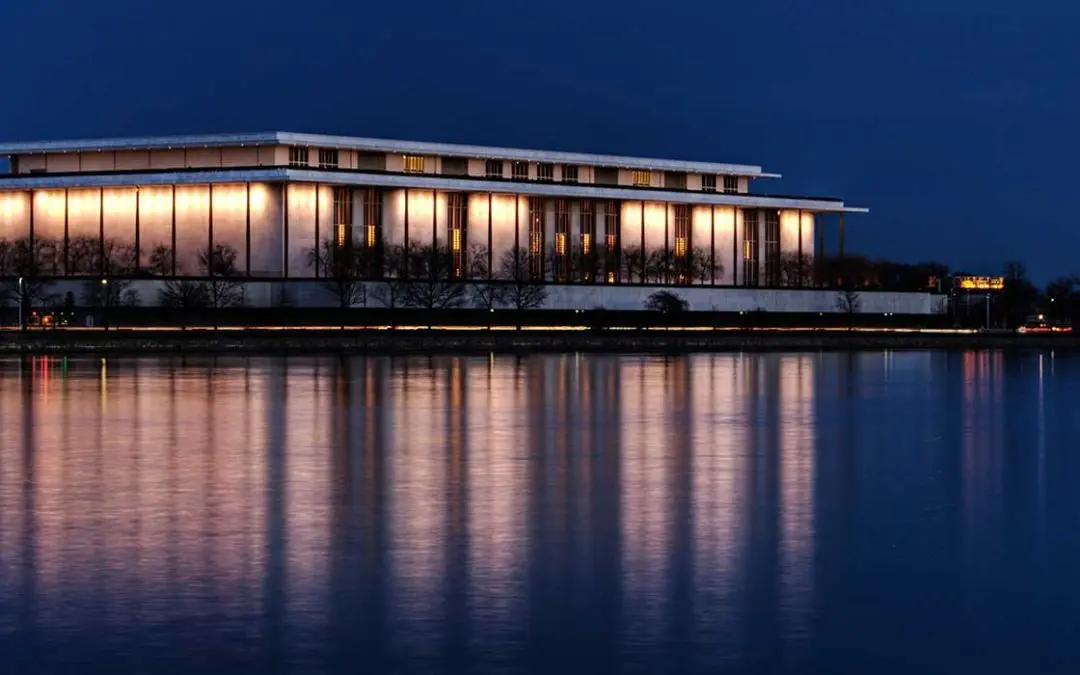
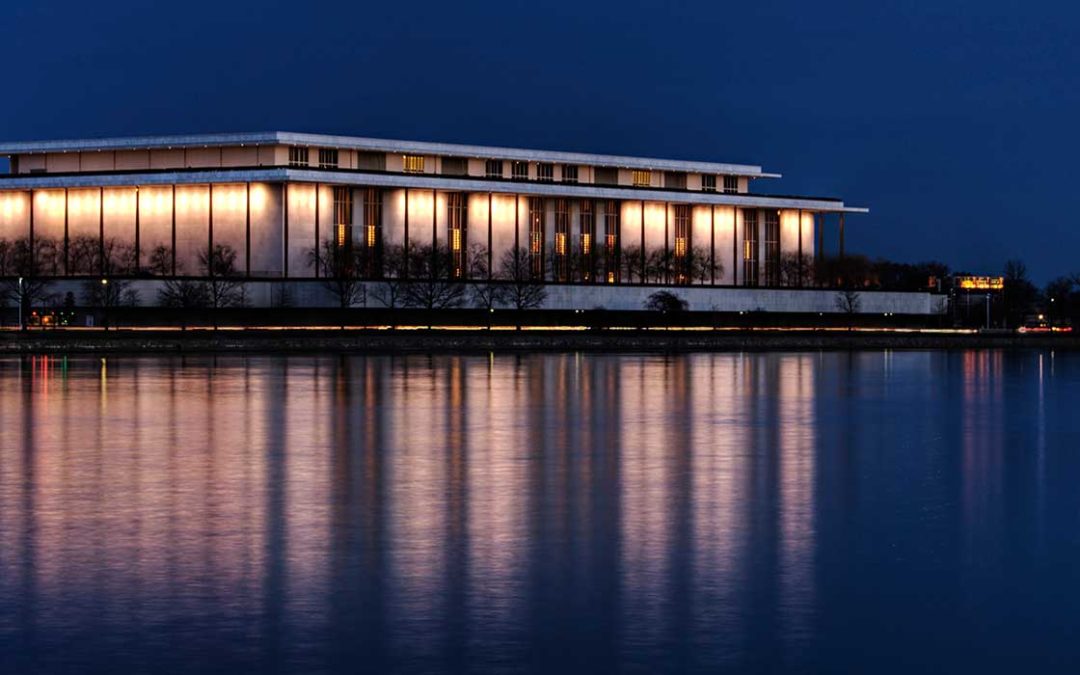
Inaugurated in September 1971 as a national memorial to President John F. Kennedy, the Center was established by a bipartisan act of Congress (the National Cultural Center Act of 1958, later renamed in 1964). It occupies a unique legal and cultural space: it is simultaneously a functioning performing arts venue hosting the National Symphony Orchestra and Washington National Opera, and an official bureau of the Smithsonian Institution-adjacent federal framework, though governed by its own dedicated board of trustees.
The proposition of demolishing such a structure—let alone replacing it with a commercial or alternative outdoor entertainment venue like an amphitheater—represents an unprecedented challenge to federal landmark preservation laws and the sanctity of presidential memorials in the nation’s capital.
Official Statements and Reactions
The escalating war of words has drawn sharp rebukes from legal experts, arts advocates, and political figures across the aisle, though formal statements from the Kennedy Center board itself have emphasized a commitment to upholding the institution’s congressional charter.
- Legal Scholars: Constitutional and property lawyers have noted that any attempt by the executive branch to unilaterally demolish a congressionally mandated national memorial would likely trigger an immediate constitutional crisis, pitting the powers of the White House against congressional appropriations authority and federal statutory protections.
- Preservationists: Representatives from historical preservation societies have expressed alarm over the willingness of political actors to weaponize the threat of physical destruction to achieve political and aesthetic concessions. "National memorials belong to the American public, not to transient political administrations," noted one preservation advocate speaking on condition of anonymity. "To threaten the eradication of a cultural monument simply because a name cannot be affixed to its facade sets a perilous precedent."
- Public and Social Media Response: The release of the tarmac photograph showing Trump inspecting the demolition placard catalyzed a wave of satire, indignation, and concern across digital networks. Observers pointed out the surreal nature of a sitting U.S. president openly contemplating the leveling of a premier arts institution over a signage dispute.
Future Outlook: What Lies Ahead for the Potomac Landmark?
As the dust settles following Judge Cooper’s mid-September ruling and the President’s fiery tarmac remarks, several critical questions remain regarding the immediate and long-term future of the Kennedy Center.
- The Legal Horizon: Legal teams representing the Kennedy Center board and preservation coalitions are expected to return to federal court to seek broader injunctive relief should the administration attempt to bypass the judicial ruling or take unilateral administrative actions against the facility’s operations.
- Congressional Intervention: With the power of the purse resting firmly in the legislative branch, lawmakers from both parties may soon face mounting pressure to introduce bipartisan resolutions reaffirming the statutory protections of the Kennedy Center and restricting the executive branch from leveraging federal subsidies to coerce aesthetic or structural changes.
- The Fate of the Physical Plant: While structural engineers and cultural historians view actual physical demolition as an extreme and legally fraught long-shot, the ongoing uncertainty threatens to destabilize donor confidence, staff morale, and artistic programming at the institution.
For now, the John F. Kennedy Center for the Performing Arts stands at the center of a profound ideological storm—a monument caught between the ambitions of a modern political presidency and its foundational identity as a bipartisan sanctuary for American art and culture. As the legal battles continue to unfold in the U.S. District Court for the District of Columbia, the nation watches closely to see whether preservation laws and judicial oversight will successfully shield the historic landmark from the wrecking ball.