
Executive Overview
For a veteran Christian metal band accustomed to celebrating milestones like Dove Award nominations, navigating the music industry typically involves grueling tour schedules, faithful fan bases, and weathering the ebbs and flows of shifting musical landscapes. However, the Pacific Northwest metalcore heavyweights Demon Hunter have found themselves thrust into an entirely unexpected arena: a high-stakes federal intellectual property battle against global streaming titan Netflix and concert promotion giant AEG Presents.
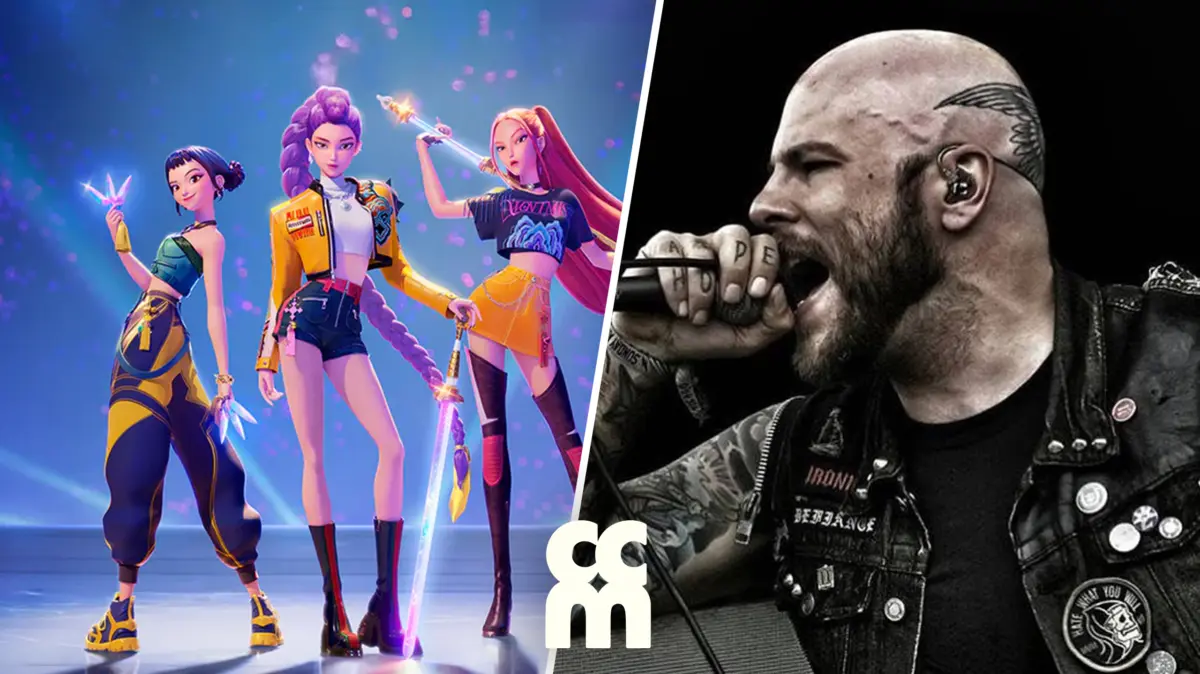
At the center of this legal clash is a surreal David-and-Goliath narrative. Hyde Lane—the corporate entity representing Demon Hunter—has filed a federal lawsuit alleging trademark infringement, unfair competition, and false designation of origin. The bone of contention? Netflix’s massively successful entertainment property, KPop Demon Hunters.
While the headline-grabbing juxtaposition of a gritty, heavy-guitar metal band squaring off against a brightly colored, youth-targeted K-pop franchise initially reads like an internet meme, a deeper look reveals serious commercial concerns. Demon Hunter has spent a quarter-century building its brand, catalog, and merchandise empire. As Netflix and AEG scale KPop Demon Hunters into global music markets, soundtracks, and a massive 150-city concert tour, the line between the two properties has begun to blur.
Already, real-world consumer confusion has materialized—most notably highlighted by a parent who accidentally dropped $500 on VIP tickets to a Demon Hunter metal show, believing they were purchasing passes for their young children to see the KPop Demon Hunters. As the legal proceedings unfold, this case moves past initial humor to highlight critical questions regarding brand protection, market saturation, and the survival of legacy independent acts in an era dominated by multi-billion-dollar streaming monoliths.
Detailed Chronology
To fully understand the gravity of the current lawsuit, one must examine the respective timelines of both entities involved in the dispute.
Phase 1: Building a Quarter-Century Legacy (2000–2020)
- The Inception: Demon Hunter was formed in Seattle, Washington, in 2000 by brothers Ryan and Don Clark. Rooted in the Christian metalcore and alternative metal scene, the band quickly established a distinct identity characterized by aggressive guitar riffs, melodic hooks, and stark, spiritually resonant lyrical themes.
- Establishing the Trademark: Over the next two decades, the band released a steady stream of critically acclaimed, Billboard-charting albums—such as Demon Hunter (2002), Summer of Darkness (2004), Storm the Gates of Hell (2007), and *War (2019)—solidifying their status as pioneers within the genre.
- The Business Ecosystem: Operating under Hyde Lane, the band meticulously cultivated the "Demon Hunter" mark. They toured globally, developed an extensive merchandise line ranging from apparel to high-end collectibles, and forged a deeply loyal community of listeners who identified intimately with the name.
Phase 2: The Rise of a Streaming Phenomenon (2020–Present)
- The Franchise Launch: Netflix introduced the world to its animated entertainment property, KPop Demon Hunters. Designed to appeal to a broad, youth-oriented demographic, the property combined vibrant aesthetics, chart-friendly pop music, and animated storytelling.
- Expansion into Music and Live Events: What began as a screen project rapidly metastasized into a multi-tiered commercial juggernaut. The franchise began generating standalone music releases, expansive soundtracks, and lucrative physical merchandise.
- The Global Tour Partnership: Matters escalated significantly when Netflix partnered with concert promotion giant AEG Presents to orchestrate a massive KPop Demon Hunters global concert tour, slated to span roughly 150 cities worldwide.
- The Legal Collision: Realizing that the footprint of the Netflix property was encroaching upon core commercial territories—specifically live touring, music streaming, and merchandise sales—Hyde Lane initiated legal action in federal court. The complaint argues that Netflix and AEG are riding the coattails of a senior trademark, threatening to submerge a legacy brand beneath the marketing budget of a trillion-dollar corporation.
Supporting Context & Metrics
While the comedic value of a confused parent purchasing metal show tickets instead of a youth pop concert is undeniable, the legal framework governing trademark law focuses heavily on market overlap, consumer confusion, and the concept of senior versus junior users.
The Trademark Landscape
In trademark jurisprudence, the "senior user" is the party that first used a mark in commerce, whereas the "junior user" is a subsequent adopter. Demon Hunter possesses a clear chronological advantage, having operated continuously under the name for roughly 25 years.
To prevail in a trademark infringement and unfair competition claim, a plaintiff must demonstrate that the junior user’s commercial use of a similar mark is likely to cause consumer confusion regarding the source, sponsorship, or affiliation of the goods and services.
Analyzing the "Complete Overlap"
According to court documents filed by Hyde Lane, Netflix and its partners have moved past simple coexistence into an area of "almost complete overlap." The points of friction include:
- Nomenclature: The shared use of the core identifier "Demon Hunter" within entertainment and audio-visual spaces.
- Audio Goods: Both entities distribute and market music, soundtracks, and digital audio recordings to consumers.
- Live Performance: With AEG Presents backing a massive 150-city international tour, KPop Demon Hunters occupies physical concert venues—the exact ecosystem in which Demon Hunter has generated its primary revenue and brand equity for decades.
- Merchandise: Apparel, posters, and branded fan accessories are staple revenue streams for both underground metal acts and major pop media franchises.
The Incidents of Actual Confusion
Courts look favorably upon evidence of actual consumer confusion, as it moves the argument from speculative harm to tangible market impact. The federal complaint highlights a telling incident: a consumer mistakenly spent approximately $500 on premier tickets for a Demon Hunter concert in Albany, New York, under the impression that they were purchasing admission for their young children (aged 5 and 6) to attend a KPop Demon Hunters live event.
The mix-up required the consumer to contact the band directly seeking refunds to pivot toward the correct family-friendly show. While lighthearted in retrospect, this anecdote serves as a primary exhibit in the band’s argument that the general public—particularly casual consumers, parents, and younger demographics—is increasingly susceptible to conflating the two vastly different properties.
Official Statements & Legal Demands
The lawsuit, filed against Netflix, Netflix Studios, and AEG Presents, outlines a series of formal grievances and demands that reflect the severity of the band’s concerns.
What Demon Hunter Is Seeking
The plaintiffs are not merely issuing a public relations grievance; they are pursuing comprehensive legal remedies through a jury trial. The relief sought includes:
- Permanent Injunctions: A court order barring the defendants from utilizing branding that infringes upon or creates confusing similarity with the established Demon Hunter trademark in overlapping commercial sectors.
- Monetary Damages: Compensation for financial losses attributed to market dilution and brand obfuscation.
- Disgorgement of Profits: A demand for the profits earned by Netflix and its partners that can be directly associated with the allegedly infringing branding and marketing strategies.
- Legal Fees: Reimbursement for the substantial attorney fees and court costs required to litigate against corporate giants.
The Argument of Reputational and Commercial Harm
The core of Hyde Lane’s legal stance is that a small, independent or mid-tier legacy act cannot effectively compete for search engine visibility, consumer attention, or market share when pitted against a multi-billion-dollar promotional apparatus.
When fans search for music, merchandise, or upcoming tour dates under the banner of "Demon Hunter," the algorithmic real estate has become increasingly crowded by the sheer output and advertising dominance of the Netflix franchise. For a band that has fought for every inch of its independent existence over 25 years, the threat of being overshadowed—or worse, having their brand identity diluted—is an existential business risk.
Future Outlook
As the case continues to wind its way through the federal court system, legal analysts and entertainment observers are watching closely to see how the judiciary balances the distinct boundaries of niche genre branding against massive, cross-media pop culture franchises.
Potential Trajectories for the Litigation
- Settlement Negotiations: Many intellectual property disputes of this nature ultimately culminate in out-of-court settlements. This could involve financial compensation, geographic restrictions on marketing, or formal disclaimers integrated into promotional materials to clearly delineate the two properties.
- Litigation to Trial: Should both sides refuse to compromise, the case could proceed toward formal discovery, expert testimony regarding consumer confusion metrics, and eventually a jury trial—setting a fascinating legal precedent at the intersection of heavy metal music and streaming-era media conglomerates.
Broader Industry Implications
Beyond the immediate parties involved, the Demon Hunter vs. Netflix case serves as a cautionary tale for the modern entertainment landscape. As media conglomerates increasingly generate transmedia properties that bleed into live touring, physical merchandise, and direct-to-consumer music sales, legacy independent artists face unprecedented challenges in safeguarding their foundational intellectual property.
For now, Demon Hunter continues to manage the surreal reality of fighting a corporate giant while maintaining its active recording and touring schedule. Whether the metal veterans can successfully defend their quarter-century-old moniker against the sweeping tides of global streaming power remains to be seen, but one thing is certain: the music industry will be watching the verdict with intense fascination.