
Executive Overview
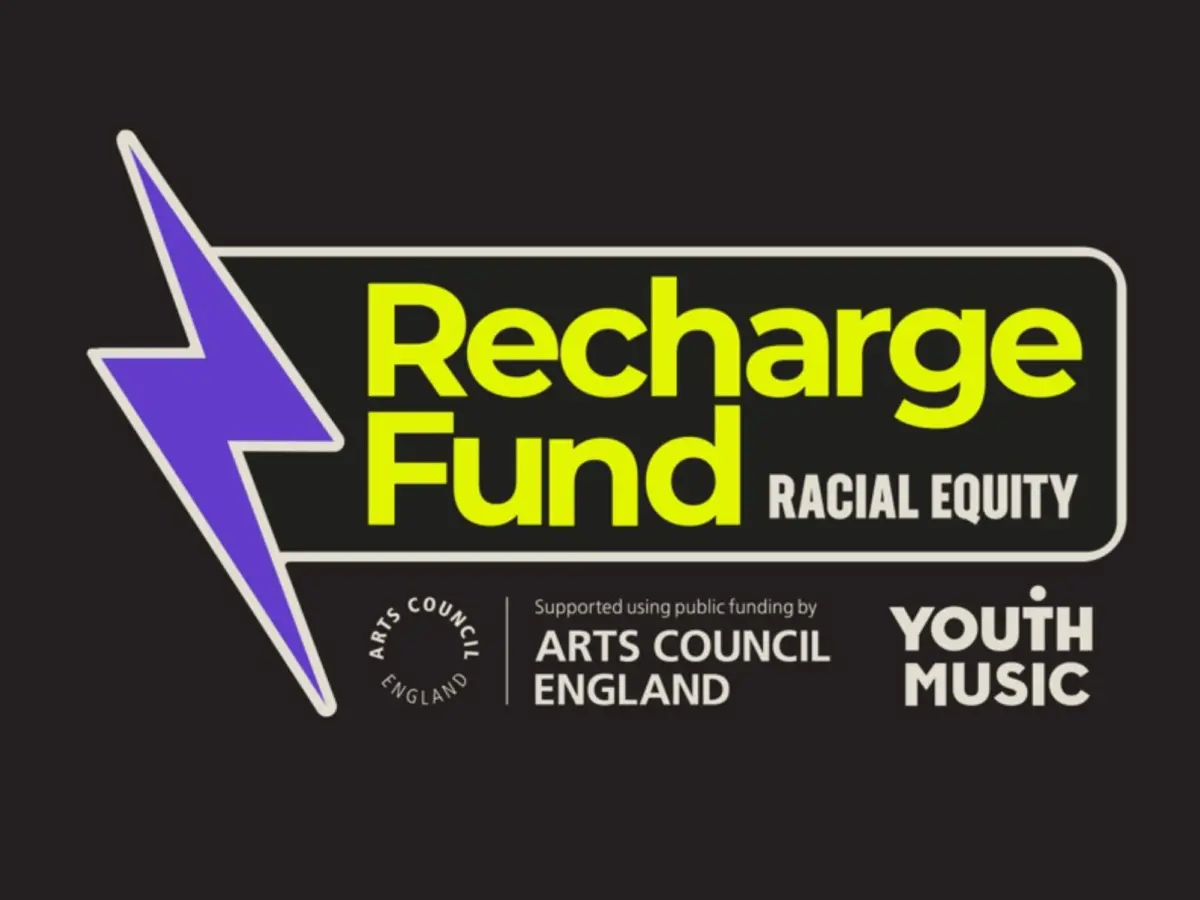
In a decisive move to address systemic disparities within the creative sector, the prominent British charity Youth Music has announced the launch of a major new financial initiative: The Recharge Fund: Racial Equity. Backed by a substantial £2.4 million investment, this ambitious four-year program aims to confront and dismantle the racial barriers that have historically sidelined Black, Asian, and ethnically diverse grassroots music and arts organisations across the United Kingdom.
The initiative comes at a critical juncture for the British creative industries. Despite boasting a global reputation for cultural innovation, the arts sector has faced mounting scrutiny over institutional gatekeeping, inequitable funding distribution, and a persistent lack of diversity in leadership roles. The Recharge Fund seeks to directly counteract these structural imbalances by awarding grants of up to £120,000 to approximately 20 grassroots organisations. By targeting grassroots entities—which are frequently the lifeblood of musical innovation in marginalized communities—Youth Music hopes to ensure that the next generation of diverse creative talent is nurtured, supported, and given a clear pathway into the professional industry.
Detailed Chronology: The Road to the Recharge Fund
The unveiling of the £2.4 million Recharge Fund is not an isolated policy decision, but rather the culmination of years of advocacy, data collection, and mounting industry pressure regarding racial equity in arts funding.
The Groundwork and Early Advocacy (2020–2023)
In the wake of the global racial justice reckonings of 2020, cultural institutions across the UK pledged to reform their internal practices and funding allocations. However, subsequent years revealed a frustratingly slow pace of systemic change. Grassroots community groups, particularly those led by people of color, continued to report disproportionate difficulties in securing long-term financial support compared to their larger, more traditional counterparts in the established arts ecosystem.
During this period, Youth Music engaged in extensive consultations with sector leaders, youth workers, and young musicians. These dialogues highlighted a glaring disconnect between top-down diversity statements issued by major cultural bodies and the lived reality of grassroots organizations struggling to keep their doors open amid compounding economic crises, post-pandemic financial recovery, and inflationary pressures.
The Catalyst: Groundbreaking Research and Data Revelation
The immediate catalyst for the creation of The Recharge Fund was a series of alarming research findings concerning systemic bias in arts philanthropy and public funding. Surveys and independent sector studies revealed an undeniable crisis of confidence and equity: an overwhelming 76% of organisations led by Black or ethnic-minority directors reported feeling that they had been refused funding directly because of their race or ethnicity.
This staggering statistic laid bare the depth of institutional hurdles facing minority-led cultural groups. Confronted with this evidence, Youth Music’s leadership recognized that incremental adjustments would no longer suffice. A dedicated, targeted financial intervention was urgently required to level the playing field, preserve vital community infrastructure, and counteract decades of structural underinvestment.
The Official Launch and Rollout Strategy
Formulated across late 2025 and formally introduced in October 2026, The Recharge Fund: Racial Equity was designed with longevity and stability in mind. Spanning a four-year operational window, the fund transitions away from short-term, precarious "project grants" toward multi-year investments. This structural shift is intended to give recipient organisations the financial security needed to plan strategically, expand their reach, and focus on empowering young talent without the constant threat of closure.
Supporting Context & Metrics: The Crisis of Racial Equity in the Arts
To fully understand the significance of Youth Music’s £2.4 million initiative, one must examine the broader socio-economic and institutional landscape of the contemporary British music industry.
The 76% Disparity and Systemic Barriers
The figure underpinning the creation of the fund—that 76% of Black and ethnic-minority-led organizations suspect racial bias in funding rejections—points to a profound structural flaw in how cultural capital is distributed. For years, critics have pointed out that traditional funding bodies often rely on homogenous evaluation panels, rigid bureaucratic application processes, and cultural metrics that favor Eurocentric art forms and established institutions.
Consequently, smaller, agile community interest companies (CICs), charities, and artist collectives operating in urban centers or economically deprived regions are frequently overlooked. These grassroots groups often operate without dedicated fundraising departments, placing them at a severe disadvantage when competing against well-resourced, legacy institutions for the same pool of grants.
The Grassroots Ecosystem as an Engine of Innovation
Grassroots music organizations do far more than simply teach instruments; they serve as safe havens, social hubs, and professional incubators. In many marginalized communities, these spaces are where genres are born, where youth mental health is supported through creative expression, and where young people who feel alienated by mainstream academic and corporate structures find their voice.
Research consistently shows that the commercial music industry relies heavily on the innovation generated at the grassroots level. Genres such as grime, UK rap, drill, and various fusions of electronic and global music—predominantly driven by Black, Asian, and ethnically diverse artists—have revitalized the UK’s global music market. Yet, the foundational ecosystems that foster this talent have historically starved for equitable investment. By channeling resources directly to these frontline creators, The Recharge Fund addresses a critical market failure.
Official Statements and Industry Perspectives
The announcement of The Recharge Fund has generated widespread discussion and cautious optimism among artists, policymakers, and industry executives.
Adam Jolla on the Vital Role of Community Roots
Announcing the initiative, Youth Music CEO Adam Jolla emphasized that financial support must be directed toward those who understand their communities best:
"We believe that organisations rooted in these communities are often best placed to nurture that talent, create opportunities and help young people imagine a future in the creative industries. That’s why it’s crucial these organisations can survive and thrive."
Jolla’s remarks underscore a core philosophy of the fund: sustainability through localized expertise. Rather than imposing top-down solutions, Youth Music aims to empower leaders who already possess deep cultural trust and proven track records within the communities they serve.
Broadening Industry Support
Beyond Youth Music’s internal leadership, advocacy groups and sector watchdogs have welcomed the £2.4 million injection as a vital step forward, while emphasizing that long-term transformation requires industry-wide accountability. Music industry unions, diversity taskforces, and independent labels have noted that while charitable grants provide crucial lifelines, commercial stakeholders—such as major record labels, streaming platforms, and publishers—must also step up their investments in grassroots diversity initiatives to create a truly holistic support network.
Future Outlook: What Lies Ahead for The Recharge Fund
As Youth Music begins the rollout of The Recharge Fund: Racial Equity, the coming months will mark a critical phase of evaluation, selection, and impact measurement.
Target Goals and Operational Milestones
- Supporting 20 Grassroots Organizations: Over the four-year lifespan of the fund, Youth Music aims to back approximately 20 distinct organizations.
- Substantial Financial Tailwinds: With individual grants reaching up to £120,000, recipient groups will have access to capital capable of transforming their operational capacities, hiring permanent staff, upgrading facilities, and scaling their outreach programs.
- Long-Term Talent Pipelines: The overarching vision is to establish resilient pathways that enable young people from diverse socioeconomic and racial backgrounds to transition seamlessly from community music workshops into sustainable careers across the wider creative economy.
A Blueprint for Wider Industry Reform?
Industry observers will be watching closely to measure the tangible impacts of The Recharge Fund. If successful, the initiative could serve as a replicable blueprint for other cultural funding bodies across the UK and internationally. By demonstrating that targeted, equity-focused investments can yield profound social and creative returns, Youth Music hopes to challenge old paradigms of arts philanthropy and inspire a permanent shift toward inclusivity, transparency, and true fairness in the creative sector.