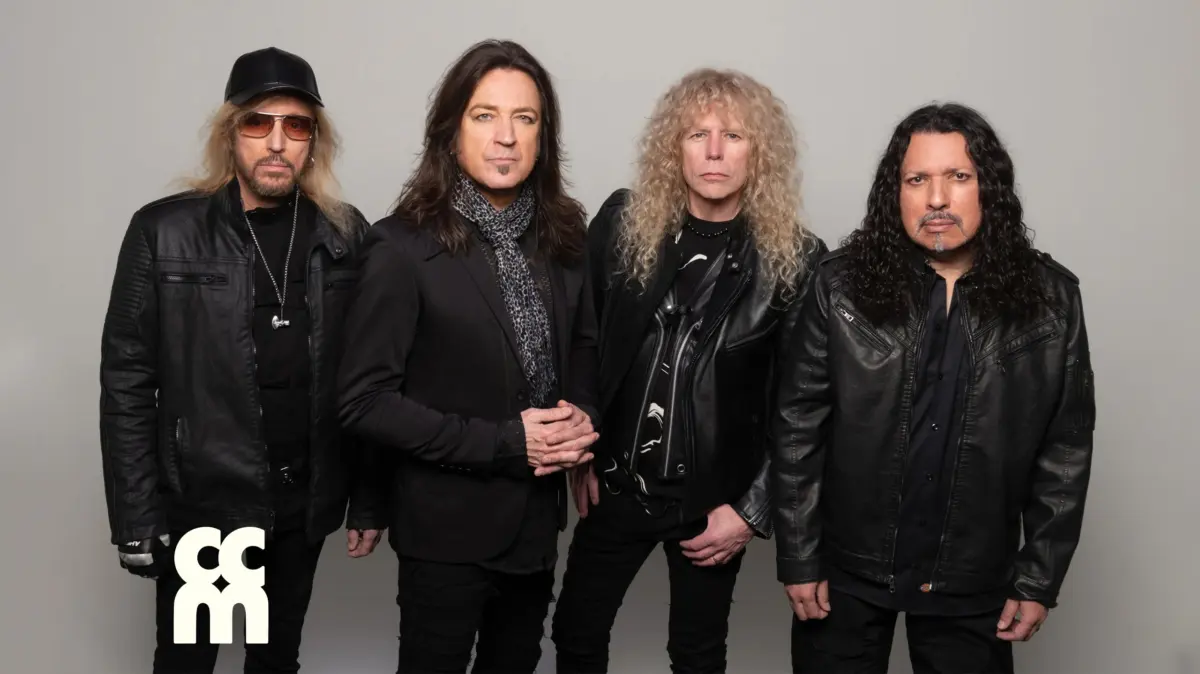

In an era where the modern music business model encourages veteran acts to rely on legacy nostalgia tours, merchandising, and greatest-hits setlists, Christian metal pioneers Stryper are unapologetically breaking the mold. With a career spanning more than four decades, the band could easily fill arenas strictly on the strength of their 1980s catalog, coasting on past glories while avoiding the grueling, often financially unrewarding process of writing and recording new material. Instead, the legendary Southern California group is dropping their 18th studio album, Throne of Thorns.
Far from a cynical exercise in brand preservation, Throne of Thorns is a ferocious, highly accomplished collection of heavy, melodic metal that showcases a band still deeply invested in its craft. In an exclusive interview, founding brothers Michael and Robert Sweet open up about the creative fires that still burn within them, the pitfalls of chasing fleeting modern musical trends, and why they believe creating new art remains a divine calling. Eschewing the temptation to treat their career as a historical museum piece, Stryper continues to challenge both themselves and their audience, proving that true longevity is forged through passion, unyielding musicianship, and an enduring love for the genre.
Detailed Chronology: From the Sunset Strip to Throne of Thorns
To understand the weight and significance of Throne of Thorns, one must look back at the crucible in which Stryper was forged. Emerging from the legendary 1980s Los Angeles Sunset Strip scene, the band carved out a unique and polarizing niche. While their hard-rock and heavy-metal peers were singing predominantly about hedonism, excess, and rock-and-roll debauchery, Stryper infused their high-octane performance style with explicit messages of faith, hope, and Christian theology. Dressed in their iconic yellow-and-black striped stage outfits, they disrupted the heavy metal underground and mainstream consciousness alike, eventually achieving multi-platinum success with landmark releases like 1986’s defining masterpiece, To Hell with the Devil.
However, the decades that followed were not without turbulence. The shifting tides of the music industry in the 1990s—ushered in by the grunge and alternative rock explosions—pushed traditional heavy metal out of the commercial spotlight. Like many of their contemporaries, Stryper faced periods of commercial uncertainty, lineup shifts, and hiatuses. Yet, their eventual resurgence in the 2000s and 2010s proved that their core fanbase remained fiercely loyal.
Rather than settling into a quiet retirement or a legacy-only touring cycle, the band entered a remarkably productive modern era. Albums such as No More Hell to Pay (2013), God Damn Evil (2018), and Even the Devil Believes (2020) demonstrated a steady upward trajectory in both musical ferocity and critical acclaim. Now, with Throne of Thorns, Stryper arrives at their 18th studio record—a milestone that very few bands from any genre ever achieve. The album captures the historical evolution of the band, blending the gritty realism of their early Sunset Strip roots with the refined technical precision of modern heavy metal production.
Supporting Context & Metrics: The Economics of Modern Metal vs. Artistic Drive
The decision to release a brand-new studio album in the modern digital age is fraught with economic hurdles. In an industry dominated by streaming platforms, physical album sales are a fraction of what they were during Stryper’s commercial peak in the 1980s and 1990s. For legacy acts, the math often points away from spending months in a recording studio. Production costs, mixing, mastering, and promotional campaigns require substantial investments of time and capital, often yielding marginal financial returns compared to the lucrative predictability of a greatest-hits tour.
Yet, Stryper’s trajectory defies these conventional industry metrics. According to recent data from concert promoters and ticket agencies, legacy rock and metal tours frequently see diminishing returns on new material—audiences often use newly released tracks as a cue to visit the merch booth or the restroom. Stryper, however, has achieved a rare anomaly: a nearly 50/50 live setlist split between classic anthems and new compositions.
Even more impressive is the audience reception. Frontman Michael Sweet notes that fans engage with tracks from recent records with the same fervor and intensity reserved for 1980s staples like "To Hell with the Devil." This dynamic highlights a crucial shift in how devoted rock and metal audiences interact with aging legacy acts. When a band approaches a new record not as a contractual obligation or a marketing ploy, but as an authentic extension of their ongoing artistic journey, the audience can sense the integrity. By prioritizing creative output over safe nostalgia, Stryper has maintained high chart placements on Billboard’s Hard Rock and Christian Album charts throughout their modern renaissance, proving that artistic authenticity remains commercially viable.
Official Statements: Insights from Michael and Robert Sweet
During an in-depth conversation, Michael and Robert Sweet provided candid insights into the philosophy that sustains Stryper after more than forty years in the public eye. The dialogue shed light on their creative process, the temptations of commercial reinvention, and the spiritual foundation of their music.
On the Danger of Chasing Modern Trends
Reflecting on the band’s storied history, Michael Sweet admitted that Stryper occasionally fell into the trap of trying to sound "current" by altering their sound to fit shifting contemporary commercial standards.
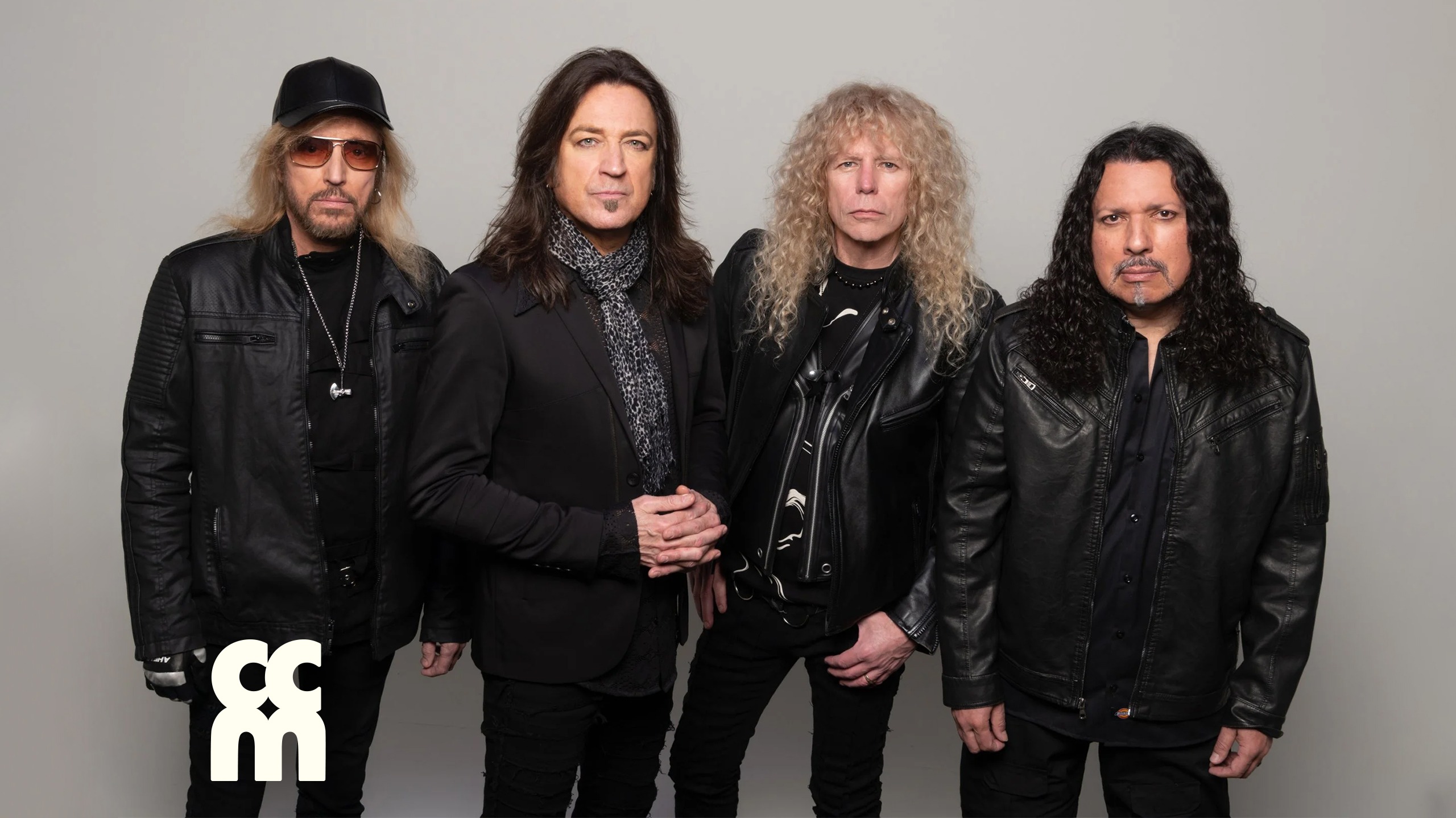
"You try to reinvent the wheel, you try to be this new invention of yourself when you realize at some point, why are we doing that?" Michael explained. "Some bands try to go somewhere else and get too modern, and they lose sight of what put them on the map."
Drummer Robert Sweet echoed this sentiment, emphasizing that a band’s authentic identity is essentially inescapable.
"You always have your elements," Robert noted. "You are yourself, so you can’t really escape yourself."
On Signature Sounds and Album Highlights
That inescapable identity is explicitly stamped all over Throne of Thorns, particularly in the band’s trademark harmonized guitar lines—a dual-guitar attack that has defined their catalog since day one.
"Mike and I sat down and went, ‘Okay, this is going to be a signature part of our sound,’" Robert recalled.
This signature sound anchors standouts like the track "Hollywood," which serves as a nostalgic look back at the glory days of the 1980s Sunset Strip music scene.
"The song itself is just about kind of reminiscing about the past, the Hollywood days, the glory days," Michael shared.
Robert, who lived through the frantic energy of California’s metal explosion, added perspective on how much the landscape has changed:
"If you wanted to get a record deal and become a big band, and you were in California, you went and played on the Strip… It’s not quite what it used to be. There’s a remnant of it."
The album also balances its aggressive moments with sweeping dynamics. Tracks like the power ballad "Ashes to Roses" prove that the band’s early influences—spanning the melodic rock sensibilities of Journey alongside the heavy metal might of Iron Maiden—remain vital components of their songwriting palette. At the other end of the spectrum sits the album closer, "Shadow Breaker," which Michael describes as an essential "bookend" that grounds the record in the band’s aggressive roots.
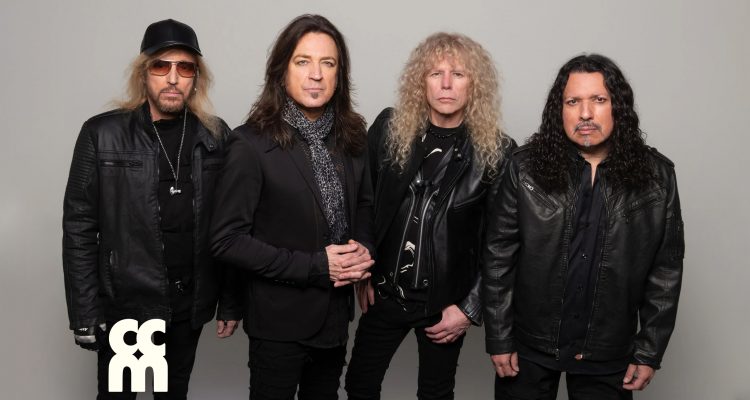
On Purpose, Passion, and the Calling
Ultimately, the core motivation behind Throne of Thorns transcends mere commercial enterprise. It is deeply rooted in personal passion and spiritual calling. Addressing why artists should continue creating despite challenging industry economics, Michael offered a powerful directive:
"While you’re here on Earth and while you’re still able to do things, do things. Don’t shut yourself down with comments like, ‘It’s not worth it anymore’ and ‘Why should we record? Because no one buys albums anymore… It was for the passion of the music, the blessing of the music and the gift of music. Get back to that. Stryper still has that. This is a gift. I can still do it. I want to do as much as I can while I’m still here."
Robert expanded on this, warning against the spiritual and emotional toll that corporate music business mindsets can take on artists:
"When you’re a teenager and you start playing it, you’re doing it because you love it. I would just tell bands out there, try not to ever lose that love for it."
He added that Stryper’s enduring mission remains clear and focused:
"It’s always been our goal and our hope that the Holy Spirit would speak through the music and speak to the audience and touch hearts. We’ve had the honor of hearing so many beautiful stories of people telling us that."
Future Outlook
As Stryper prepares for the official release of Throne of Thorns on September 25, the band stands at a remarkable crossroads of their legendary career. Rather than slowing down to admire their historical achievements, they are pushing forward with the creative hunger of a band half their age.
Looking ahead, the horizon is filled with significant milestones. Beyond promoting Throne of Thorns on the road—where new cuts sit comfortably alongside classic anthems—the band is rapidly approaching the 40th anniversary of their magnum opus, To Hell with the Devil, falling on October 24, 2026. This upcoming anniversary promises a retrospective look at a landmark album that forever changed the landscape of Christian rock and heavy metal.
Yet, as Michael and Robert Sweet make abundantly clear, Stryper is not content to live solely in the past. Throne of Thorns serves as definitive proof that their best chapters are not necessarily behind them, but are being actively written in real-time. For fans, critics, and the heavy metal community at large, the message is clear: instead of solely looking backward at what Stryper accomplished forty years ago, the most rewarding experience is tuning in to what they are creating right now.