
Executive Overview
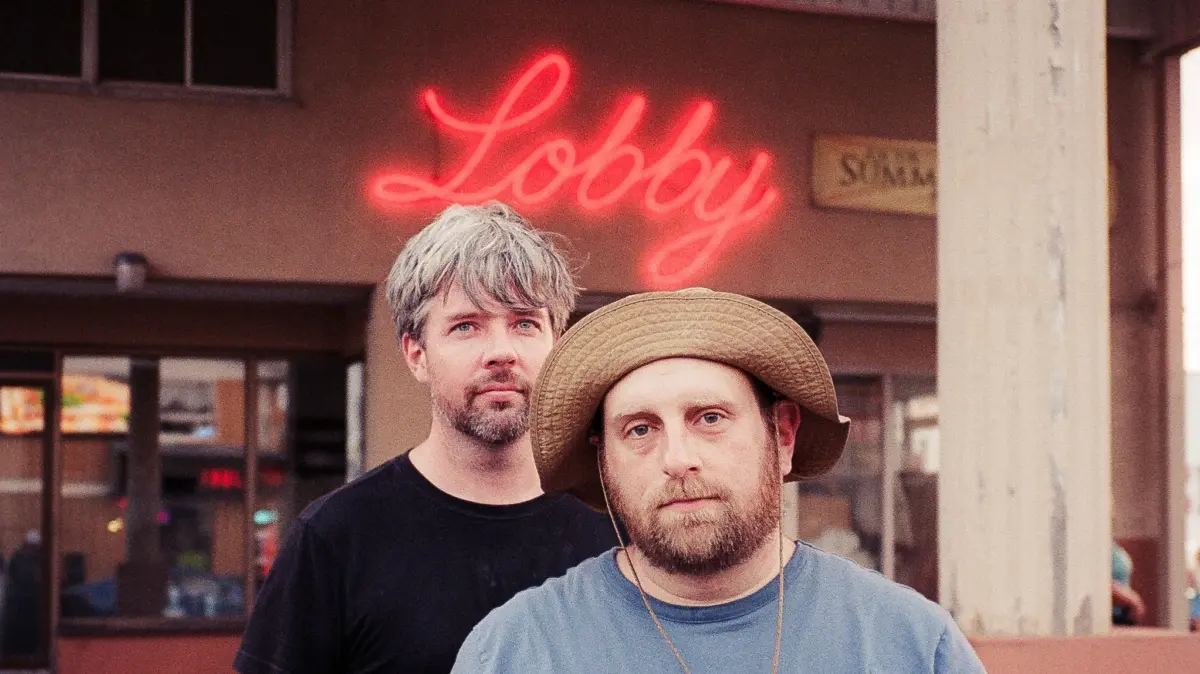
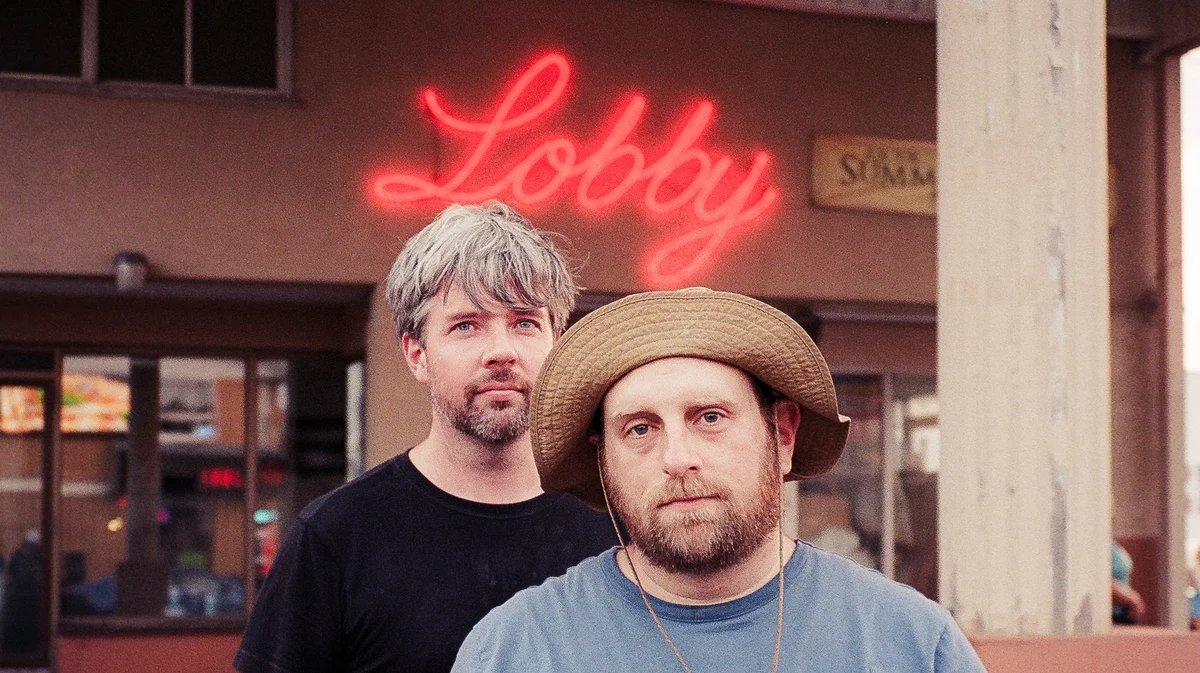
Electronic music pioneers Junior Boys—the critically acclaimed duo comprising Jeremy Greenspan and Matt Didemus—have officially announced their return with a brand-new studio album titled The Gore. Serving as a direct narrative and sonic companion to their 2022 full-length release, Waiting Game, the upcoming album pushes the boundaries of the duo’s signature sophisticated synth-pop aesthetic into heavier, more textured, and deeply personal territory.
Designed with a fascinating structural circularity, The Gore concludes on the exact opening chords of Waiting Game, deliberately engineered so that the two records can be looped endlessly into a seamless continuum. This Möbius strip of sound begins fittingly with the album’s opening track, "Funny How Time Slips Away," setting a tone of melancholic introspection.
Behind the sleek electronic veneer, however, lies a profound personal crucible. Written over a grueling two-year span, The Gore was shaped directly by the deaths of Greenspan’s father and a close childhood friend. This heavy backdrop of grief permeates the project, informing not only its emotional weight but also its sonic architecture. Described by Greenspan as louder, fuller, and more aggressive than its predecessor, the album incorporates an eclectic array of external collaborators and avant-garde influences—ranging from early Pan Sonic and Basic Channel to Sly Stone and digital synthesis pioneer John Chowning.
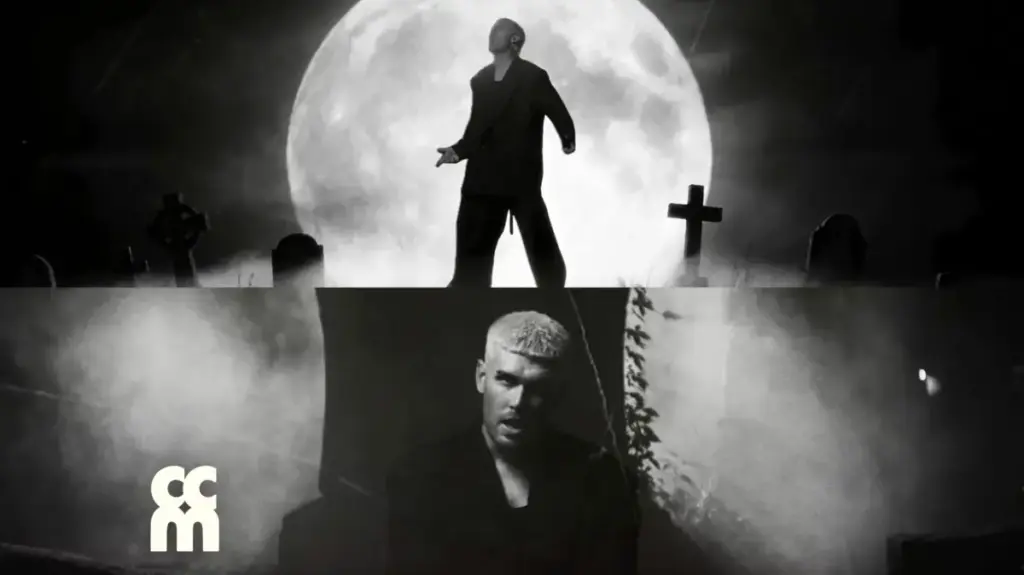
Lead single "Underneath The Moon" offers a window into this dark sonic world, drawing inspiration from the unsettling, lo-fi Canadian experimental horror film Skinamarink and utilizing tactile tape-loop techniques executed on a vintage Tascam machine. To celebrate the release, Junior Boys have announced an immersive series of specialized events across North America. Blending structural minimalism, cinematic screenings, full-album playbacks, and intimate artist Q&As, these happenings promise to contextualize the record within a broader avant-garde artistic framework.
Detailed Chronology: From Waiting Game to the Infinite Loop of The Gore
The artistic genesis of The Gore cannot be understood without examining its relationship to Junior Boys’ trajectory over the past half-decade. When the duo released Waiting Game in 2022, critics lauded it as a mature, ambient, and patient exploration of electronic textures. Yet, for Greenspan and Didemus, that record was only half the story.
As creative development continued, the concept for The Gore emerged as an ambitious companion piece that would not merely follow Waiting Game, but physically and conceptually swallow it whole. The structural gimmick—or rather, compositional masterstroke—is the looping mechanism: The Gore closes its runtime with the exact opening chords of Waiting Game. This creates an unbroken, infinite sonic circle for listeners willing to queue the two albums back-to-back. The journey begins with the appropriately ironic and wistful track "Funny How Time Slips Away," immediately pulling the listener into a disorienting temporal space.
The timeline of creation, however, was violently disrupted by life’s harsher realities. The writing and recording of The Gore took place over a tumultuous two-year period defined by profound personal loss. Greenspan faced the dual grief of losing his father and a lifelong childhood friend. This crucible of mourning shifted the thematic direction of the album from a standard electronic exercise into an unflinching meditation on mortality, memory, and time.
Rather than retreating into sterile digital environments to process this grief, Greenspan and Didemus leaned heavily into tactile, physical production methods. This tactile ethos is starkly evident on the album’s lead single, "Underneath The Moon." Discussing the track’s creation, Greenspan revealed that it was heavily inspired by Skinamarink, the polarizing and terrifying 2022 Canadian experimental horror film known for its grainy, lo-fi aesthetic, static-heavy framing, and oppressive atmosphere of childhood dread. To capture that cinematic sense of uncanny claustrophobia, Greenspan bypassed modern software plugins in favor of physical tape loop techniques, manipulating audio on a vintage Tascam tape machine to degrade, warp, and breathe life into the frequencies.
The resulting 11-track record—spanning songs such as "The Tabernacle," "Hineni," "Kill Baby Kill," and the titular track "The Gore"—presents a stark evolution in the Junior Boys catalog. While maintaining the duo’s foundational melodic sensibilities, the record expands outward through organic instrumentation and heavy sonic layering.
Supporting Context & Metrics: Influences, Collaborators, and the Anatomy of The Gore
To understand the sonic density of The Gore, one must analyze the diverse palette of influences and personnel that Greenspan and Didemus brought into the studio. While Junior Boys have historically operated as a tight-knit core production unit, The Gore sees them opening their doors to a cadre of esteemed instrumentalists and vocalists to flesh out their arrangements.
The Ensemble
- Colin Fisher: Providing intricate, avant-garde saxophone textures that cut through the electronic haze.
- Dale Butterfield: Laying down dynamic, acoustic, and rhythmically complex drum foundations that anchor the album’s electronic pulses.
- Robin Dann & Linnea Sigglelkow: Lending ethereal, haunting vocal harmonies that elevate the record’s emotional resonance, particularly on tracks dealing with themes of loss and remembrance.
Sonic & Conceptual Influences
Greenspan has explicitly cited several monumental figures and movements as touchstones for The Gore:
- Sly Stone: The pioneering funk innovator’s arrangements informed the rhythmic syncopation and bass-heavy foundations beneath the icy synths.
- Basic Channel: The legendary Berlin techno outfit’s heavy use of dub aesthetics, tape delay, and deep, atmospheric space deeply influenced the mixing and spatial dimensions of the tracks.
- Pan Sonic: The minimalist, abrasive, and industrial electronic textures of the late Finnish duo inspired the rougher, louder edges of The Gore.
- John Chowning: The father of FM (Frequency Modulation) synthesis provided the mathematical and harmonic framework for the album’s intricate synth patches.
Comparatively, Greenspan has noted that The Gore is unequivocally louder, fuller, and more aggressive than Waiting Game. Where the previous album whispered, The Gore resonates with a resonant, brooding resonance, balancing pop accessibility with noise-inflected experimentation.
The Gore Official Tracklist
- "Funny How Time Slips Away"
- "Night Service"
- "The Tabernacle"
- "Hineni"
- "Underneath The Moon"
- "Holding Back Secrets"
- "Ligeia"
- "Kill Baby Kill"
- "Yizkor"
- "The Gore"
- "Randman Blues"
Official Statements and Immersive Tour Experiences
In tandem with the album announcement, Junior Boys have detailed a unique series of live events designed to contextualize The Gore far beyond a standard listening party. Eschewing traditional tour setups for these initial dates, the duo has curated immersive multimedia events in three major cultural hubs:
- Brooklyn, New York: January 27
- Seattle, Washington: January 30
- Toronto, Ontario: March 2
The Event Format
Each evening will be anchored by a screening of Michael Snow’s legendary 1967 structural film Wavelength—a foundational work of avant-garde cinema defined by a 45-minute zoom across a New York loft, accompanied by a continuous sine wave. By pairing their music with Snow’s rigorous visual exploration of space and time, Junior Boys are signaling the high-art ambitions underpinning The Gore.
Following the film screening, audiences will experience:
- A complete, uncompressed playback of The Gore accompanied by original, custom-built visualizers.
- An intimate, moderated Q&A session with Jeremy Greenspan, discussing the grueling two-year writing process, the influence of grief, and the technical mechanics of tape-loop production.
Future Outlook: Cementing a Legacy in Electronic Avant-Pop
As Junior Boys prepare for the release of The Gore, the electronic music landscape stands in a vastly different place than it did when the duo emerged in the early 2000s. Genres have fragmented, hyper-pop has risen and fallen, and streaming metrics have continually pushed artists toward brevity and algorithmic optimization.
Yet, Junior Boys have chosen the opposite path. By crafting an album rooted in agonizing personal grief, built on physical tape machines rather than pristine software, and designed to loop infinitely into their previous catalog, Greenspan and Didemus are cementing their status as uncompromising sonic auteurs.
The Gore is not merely a collection of new songs; it is an immersive, mourning, and ultimately triumphant exercise in cyclical art. With their upcoming North American screenings and the imminent drop of the album, Junior Boys are inviting their audience not just to listen, but to enter into a closed, protective ecosystem of sound, memory, and time. As "Funny How Time Slips Away" bleeds into the final chords of Waiting Game, listeners will find themselves caught in a loop from which they will scarcely want to escape.