
Executive Overview
The Dallas Opera (TDO) has officially announced its grand plans to launch the 2026–27 performance season with a striking, fresh-to-Dallas production of Gaetano Donizetti’s beloved comic masterpiece, The Elixir of Love (L’elisir d’amore). Scheduled to run from October 9 through October 17, 2026, at the Margot and Bill Winspear Opera House, this upcoming staging promises to breathe new theatrical life into a cornerstone of the bel canto repertory.
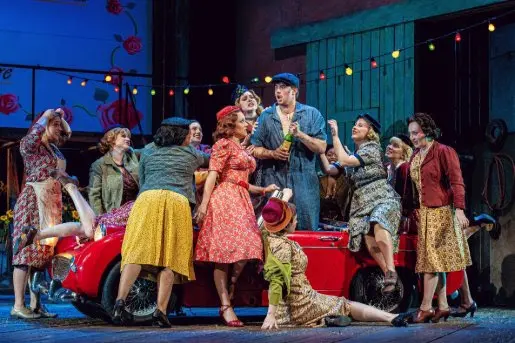
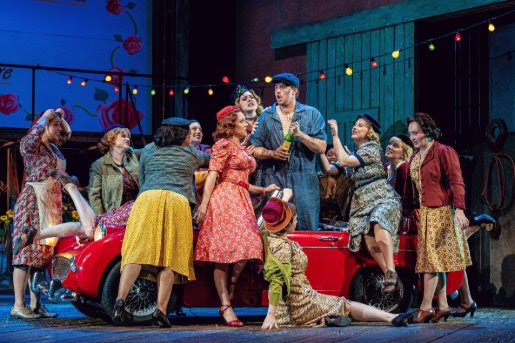
Directed by acclaimed visionary Stephen Lawless, this mounting pivots away from traditional rustic Italian village aesthetics. Instead, it transports audiences to post-World War II Italy, drawing heavy aesthetic and narrative inspiration from the cinematic realism of 1940s and 1950s Italian New Wave (Neorealismo) cinema. In this clever transposition, the opera’s familiar dynamics are recast: the lovelorn peasant Nemorino becomes a small-town car mechanic, the sharp-witted landowner Adina is transformed into a local schoolteacher, and the swaggering Sergeant Belcore arrives not as a standard-issue Italian soldier, but as an American G.I. symbolizing the shifting cultural and economic tides of post-war Europe.
Beyond the inventive conceptual framework, the production marks a major milestone for The Dallas Opera through a sweeping generational and artistic refresh. The entire principal cast—alongside the conductor—will be making their highly anticipated company debuts. This roster brings together some of the most dynamic young artists on the international operatic stage, anchored by the legendary Italian basso buffo Alessandro Corbelli.
As subscription campaigns and cultural previews begin to generate buzz across North Texas, this opening-night production signals TDO’s continued dedication to marrying operatic tradition with bold, cinematic theatricality, establishing an unmissable cultural anchor for the fall 2026 arts calendar.
Detailed Chronology: Production Genesis, Rehearsals, and the October Run
The journey toward the October 2026 curtain has been meticulously mapped out by The Dallas Opera’s artistic leadership, reflecting years of careful season planning and international casting coordination. While opera houses typically finalize their major productions years in advance, bringing Stephen Lawless’s post-war vision to the Winspear stage requires an intricate timeline of design adaptation, musical preparation, and international logistics.
Phase 1: Conceptualization and Design Adaptation
Stephen Lawless’s production was originally conceived for a different European stage before being acquired and adapted for Dallas. The transposition of Donizetti’s timeless comedy into the bleak yet hopeful landscape of post-World War II Italy required a total reimagining of the physical space. Scenic and costume designers have labored to recreate the visual vernacular of post-war Italian provinces—sun-baked stucco walls, vintage Fiat and Vespa scooters standing in for the mechanic’s garage, weathered bicycles, and mid-century schoolhouse props. The visual palette deliberately echoes the high-contrast black-and-white and muted earthy tones of cinematic masterpieces by directors like Roberto Rossellini and Vittorio De Sica.
Phase 2: Summer 2026 – Musical Preparation and Orchestral Studies
As the summer of 2026 draws to a close, the musical gears will begin to turn in earnest. Spanish conductor Guillermo García Calvo, making his prestigious house debut with The Dallas Opera, will coordinate early score studies with the musical staff. García Calvo, renowned for his mastery of both symphonic and operatic repertoires, will work closely with the vocal coaches to ensure that the delicate, sparkling orchestration of Donizetti maintains its buoyant comedic timing while honoring the emotional undercurrents of the post-war setting.
Phase 3: September 2026 – Staged Rehearsals in Dallas
By mid-September 2026, the international cast will assemble in Dallas for the intensive staging period. Because every principal artist is making their company debut, this rehearsal window is crucial for establishing ensemble chemistry. Under Lawless’s direction, the cast will navigate the physical comedy of the opera—such as Nemorino’s desperate consumption of Dr. Dulcamara’s fraudulent "elixir" (reimagined here as some dubious black-market tonic or tonic-like patent medicine)—while grounding their characters in the realistic, grounded struggles of everyday citizens living in the shadow of war.
Phase 4: October 2026 – Performance Schedule
The production’s official timeline unfolds over a concentrated, high-energy eight-day run at the Winspear Opera House:
- October 9, 2026: Opening Night Gala performance, drawing cultural leaders, donors, and opera aficionados from across the globe.
- October 11, 2026: Matinee performance, offering a family-friendly afternoon engagement.
- October 14, 2026: Mid-week evening performance, appealing to subscription holders and young professional groups.
- October 17, 2026: Closing night performance, culminating the opening week festivities of the 2026–27 season.
Supporting Context & Metrics: The Art, The Cast, and The Legacy
The Opera: Donizetti’s The Elixir of Love
Premiered on May 12, 1832, at the Teatro della Canobbiana in Milan, L’elisir d’amore quickly became one of the most frequently performed operas in the entire international canon. With a sparkling libretto by Felice Romani—adapted from Eugène Scribe’s text for Daniel Auber’s Le philtre—the opera balances effervescent comedy with genuine pathos.
At its emotional core is the tenor aria "Una furtiva lagrima" ("A furtive tear"), one of the most famous and psychologically revealing moments in 19th-century opera. In Lawless’s post-WWII framing, this aria gains a poignant layer of vulnerability: Nemorino, grease-stained from working on an engine in his modest garage, realizes that the seemingly haughty schoolteacher Adina truly cares for him. By transplanting the action to a period defined by national rebuilding and modest everyday labor, the stakes of class disparity and romantic longing are sharpened.
The Creative Team and Star-Studded House Debuts
The 2026 production is defined by a thrilling torch-passing of vocal talent. None of the principal artists have previously performed on The Dallas Opera mainstage, injecting the opening week with palpable electricity:
- Soraya Mafi (Adina): The acclaimed British-Iranian soprano steps into the role of the sharp-witted schoolteacher. Known for her luminous vocal agility and sparkling stage presence, Mafi has captivated audiences at major houses across Europe and the UK. Her portrayal of Adina promises a balance of intellectual independence and tender warmth.
- Anthony León (Nemorino): One of the most sought-after young tenors of his generation, León brings his rich, lyric voice and heartfelt acting style to the lovelorn mechanic. An alumnus of prestigious young artist programs, León has been steadily building an international reputation for his stylistic mastery of the bel canto and Mozart repertoires.
- Mihai Damian (Belcore): Portraying the swaggering American G.I., Damian brings a commanding vocal presence and undeniable charisma to the role of the pompous sergeant. His characterization will play heavily into the cultural fascination and friction between locals and occupying American servicemen in post-war Italy.
- Kayla Nanto (Giannetta): As the village gossip and friend to Adina, mezzo-soprano Kayla Nanto adds vibrant energy and vocal warmth to the supporting ensemble.
- Alessandro Corbelli (Dr. Dulcamara / or featured elder statesman): The legendary Italian basso buffo anchors the cast with a career spanning decades at the world’s greatest opera houses, including La Scala, the Metropolitan Opera, and the Royal Opera House. Corbelli’s peerless mastery of comedic timing and theatrical delivery ensures that the itinerant quack doctor will be an unforgettable highlight of the production.
- Guillermo García Calvo (Conductor): The Spanish maestro brings extensive experience from the Vienna State Opera and international symphonic podiums to lead The Dallas Opera Orchestra and Chorus through Donizetti’s effervescent score.
Official Statements and Industry Insights
The decision to open the 2026–27 season with such a cinematic and accessible work underscores The Dallas Opera’s strategic vision to engage both lifelong patrons and first-time operatic theatergoers.
While specific institutional quotes regarding this exact production rollout will be integrated into TDO’s upcoming spring 2026 press conferences, artistic leadership has frequently emphasized the company’s commitment to theatrical innovation that respects the integrity of the musical score.
"When you take a work as structurally sound and emotionally resonant as The Elixir of Love and place it within a specific, recognizable cultural lens like post-WWII Italian cinema, you don’t break the piece—you unlock new doors for the audience to walk through," notes contemporary operatic dramaturgy theory. Stephen Lawless’s conceptual approach has historically achieved critical acclaim across North America and Europe precisely because it avoids superficial gimmickry in favor of deep character motivation. By turning Nemorino into a mechanic and Adina into a schoolteacher, the production grounds the opera’s timeless themes of class struggle, unrequited love, and the human desire for quick-fix solutions in a relatable, historically rich milieu.
Furthermore, the engagement of a completely debut-heavy principal cast signals a bold commitment to generational renewal. By pairing rising stars like Soraya Mafi and Anthony León with a master of the craft like Alessandro Corbelli, TDO is facilitating an invaluable onstage mentorship dynamic that historically elevates ensemble performances to extraordinary heights.
Future Outlook: Setting the Stage for TDO’s Next Era
The opening of the 2026–27 season with The Elixir of Love serves as a critical bellwether for the future trajectory of The Dallas Opera. As regional performing arts institutions across the United States navigate shifting post-pandemic audience demographics, rising production costs, and the ongoing necessity to prove artistic relevance, TDO’s strategy is clear: combine universally beloved, melodic masterworks with imaginative, high-concept theatrical staging.
By choosing a production infused with the visual poetry of Italian New Wave cinema, TDO is positioning opera not as an ossified museum artifact, but as a living, breathing cinematic cousin. The visual appeal of post-WWII vintage vehicles, classic schoolhouse aesthetics, and the stark contrast between small-town Italian life and brash American military presence will undoubtedly provide rich fodder for social media engagement, educational outreach programs, and student matinee initiatives.
Looking ahead, the success of this October 2026 run will set the tone for the remainder of the TDO season. If the chemistry between conductor Guillermo García Calvo, the debut cast, and the Dallas Opera Orchestra matches the high expectations set by the artistic administration, the company will have successfully secured another triumphant opening chapter.
Tickets and subscription packages for the 2026–27 season—including priority seating for the October 9 through October 17 run of The Elixir of Love—are anticipated to see exceptionally high demand. Patrons, donors, and classical music enthusiasts are encouraged to monitor The Dallas Opera’s official box office channels as public ticket windows open in the coming months.